.png)
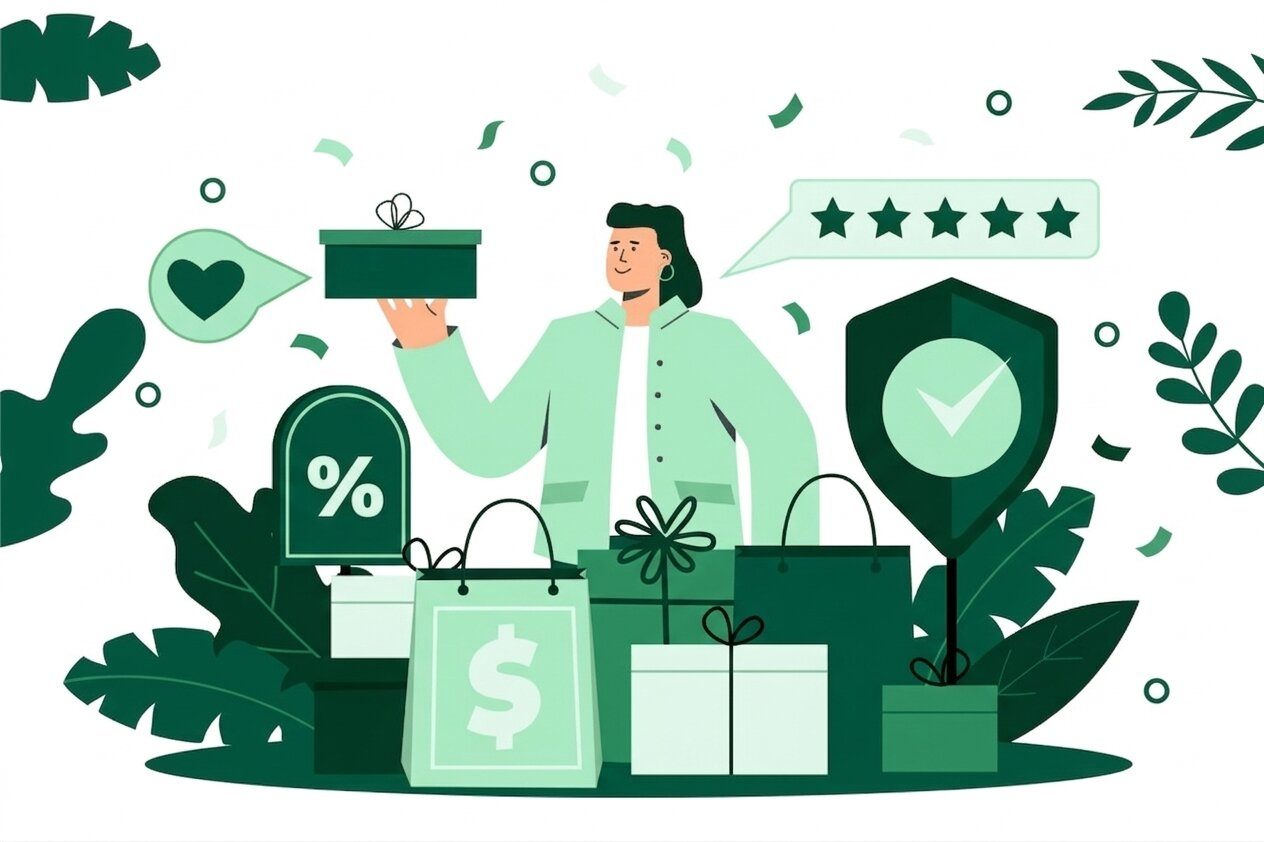
Now, lets deep dive on this.
Most Shopify brands do not fail because they cannot get customers. They fail because customers never come back after the first purchase. You already spent money to acquire them, earned their trust, and completed the sale, yet many shoppers disappear after checkout without returning.
That is where retention becomes the real growth challenge. Many Shopify merchants focus heavily on acquiring new customers through ads and social media campaigns, but long-term ecommerce growth usually comes from repeat customers who continue buying over time.
The good news is that improving customer retention no longer requires expensive custom systems. Today, several Shopify customer retention apps help brands automate loyalty rewards, referrals, email marketing, customer engagement, subscriptions, and post-purchase experiences directly inside Shopify.
In this guide, you will discover the best customer retention app for Shopify stores, learn how Shopify apps improve customer retention rate, compare top customer retention app solutions, and explore proven retention strategies that increase repeat purchases, customer lifetime value, and long-term customer loyalty.
Shopify customer retention apps help merchants keep customers engaged after checkout through loyalty programs, referrals, personalized communication, and retention automation. Instead of focusing only on acquiring new customers, these apps help increase repeat purchases and strengthen long-term customer loyalty.
Most retention apps integrate directly with Shopify admin, Shopify analytics, email marketing platforms, and Shopify POS, making customer retention easier to manage across the shopping experience.
Common features include:
Many Shopify apps improve customer retention by creating more personalized experiences across web and mobile devices.
Customer acquisition keeps getting more expensive, which is why many ecommerce brands now focus heavily on retention. Shopify customer retention apps help stores improve repeat purchases, customer loyalty, and long-term profitability without relying only on constant ad spending.
Retention apps encourage customers to return through loyalty rewards, referral program incentives, free shipping offers, and personalized product recommendations. This helps improve the repeat purchase rate while generating more repeat business naturally over time.
One-time buyers rarely create sustainable growth. Shopify customer retention apps help increase customer lifetime value by improving purchase frequency and keeping customers engaged across multiple shopping journeys.
Loyalty rewards, personalized communication, customer service, and customer support help brands build a stronger emotional connection with shoppers. Customers who feel valued are often more likely to become loyal customers.
Retention tools help Shopify merchants identify inactive customers and make them more likely to become loyal. Re-engage them through email campaigns, push notifications, and referral program incentives before they stop purchasing completely.
The strongest retention strategies focus on improving customer experience after checkout. Long-term growth usually comes from repeat customers, not just new customer acquisition.
Struggling to turn one-time buyers into loyal repeat customers? Discover practical strategies Shopify brands use to improve customer retention, increase repeat purchases, and build stronger long-term customer loyalty.
Different retention strategies solve different e-commerce challenges. Some focus on loyalty programs, while others improve customer engagement through email marketing, subscriptions, referrals, or personalized post-purchase experiences.
Loyalty programs encourage repeat customers by rewarding purchases and engagement activities. Customers continue shopping because purchases unlock loyalty points, store credit, exclusive perks, and free products.
Popular loyalty rewards include:
This remains one of the most effective ways to boost customer retention and repeat business.
A referral program helps brands acquire new customers through existing customer advocacy. Loyal customers recommend products because they receive rewards for successful referrals.
Common referral rewards include:
Referral campaigns often improve both customer retention and customer acquisition simultaneously.
Email marketing and SMS marketing help Shopify merchants maintain customer engagement after checkout.
Common retention campaigns include:
Using email campaigns and SMS at the right time often improves customer satisfaction and repeat purchase rate significantly.
Customer retention for mobile apps requires different engagement strategies compared to desktop users. Mobile shoppers usually respond better to:
Optimizing retention across mobile devices has become essential because a large percentage of e-commerce traffic now comes from smartphones.
Retention should continue after the order is completed. Many Shopify merchants now use post-purchase surveys, upsells, loyalty rewards, and customer feedback campaigns to extend engagement beyond checkout.
The best retention strategy usually combines multiple retention tools instead of relying on only one channel.
Tracking retention without the right data often leads to guesswork. Explore the essential customer retention metrics Shopify brands should monitor to improve repeat purchases, customer lifetime value, and long-term growth more effectively.
The best Shopify customer retention apps help merchants improve repeat purchases, customer lifetime value, and customer loyalty through automation, rewards, personalization, and retention-focused engagement campaigns.
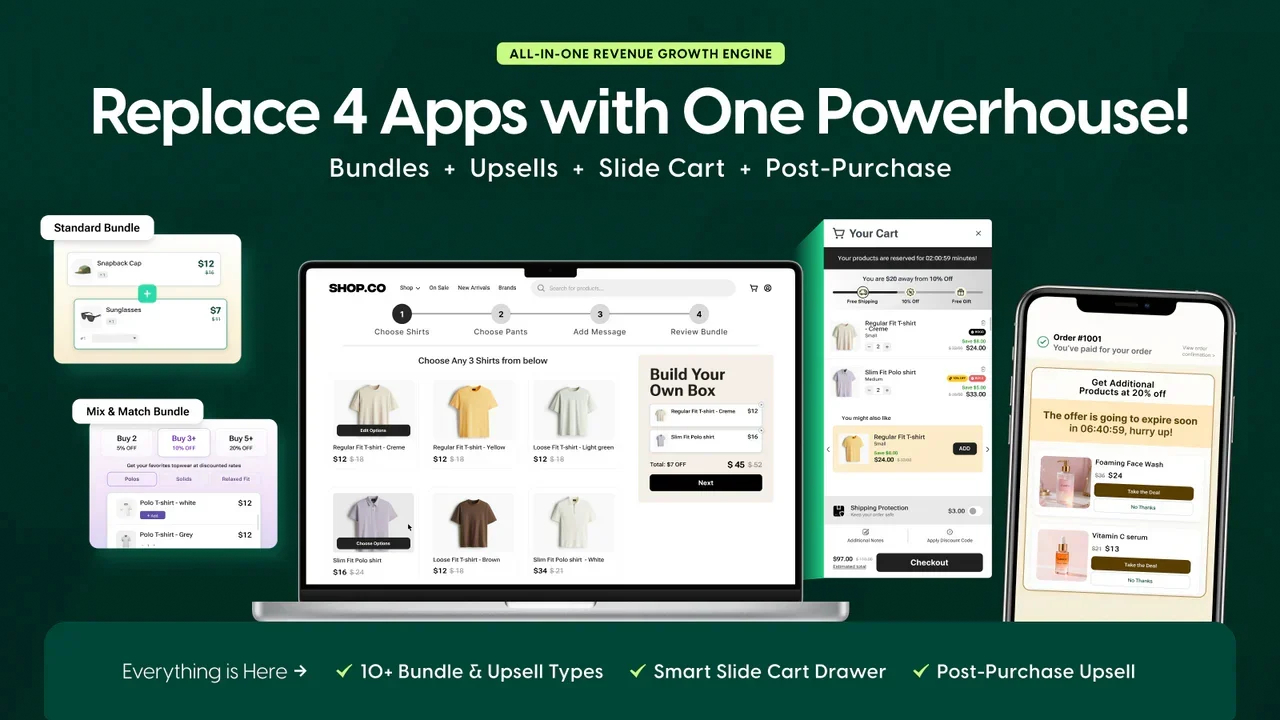
Kefi Commerce helps Shopify merchants improve customer retention through loyalty rewards, referrals, VIP tiers, and personalized customer engagement campaigns. Instead of focusing only on discounts, the platform helps brands build stronger customer relationships and increase repeat business through long-term retention strategies.
Key Features
Kefi Commerce supports:
The platform also helps merchants personalize customer experience across multiple customer segments.
Why Shopify Merchants Choose Kefi Commerce
One of Kefi’s biggest advantages is centralized retention management. Merchants can manage loyalty rewards, referrals, customer engagement, and customer retention efforts from one platform instead of relying on disconnected Shopify apps.
Kefi Commerce works especially well for:
For brands searching for the best customer retention app for Shopify, Kefi Commerce balances customer loyalty, retention automation, and ease of use effectively.
Try Kefi Commerce free and discover how loyalty rewards, referrals, and retention automation can help increase repeat purchases and improve customer loyalty across your Shopify store.
Build stronger customer relationships without relying only on discounts or disconnected retention apps.
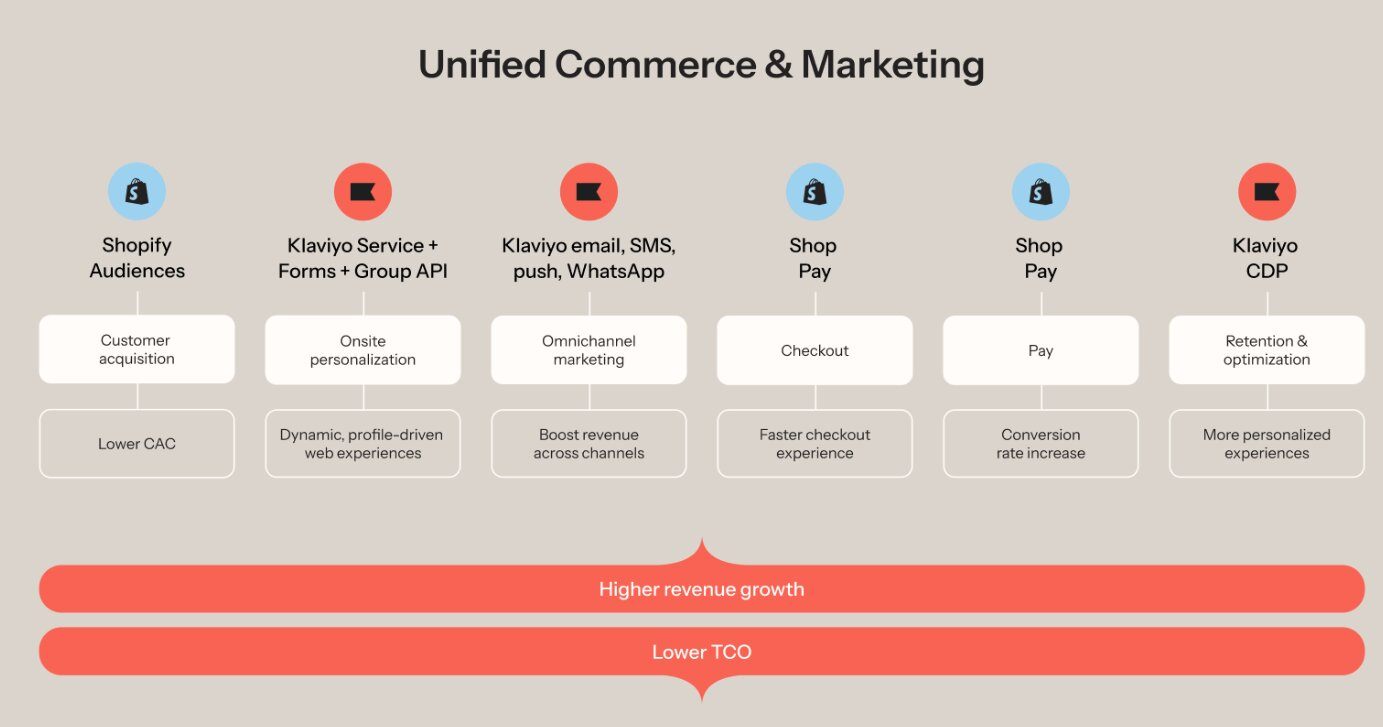
Klaviyo focuses heavily on retention through personalized email marketing and SMS marketing automation. The platform helps Shopify brands improve customer retention using customer data, behavioral targeting, advanced segmentation, and automated communication workflows designed to improve repeat purchase rate over time.
Key Features
Klaviyo supports:
The platform also integrates deeply with Shopify analytics and customer behavior tracking.
Why Shopify Merchants Choose Klaviyo
Klaviyo works especially well for Shopify brands wanting personalized retention campaigns across email and SMS channels.
It works especially well for:
For brands prioritizing email campaigns and customer retention metrics, Klaviyo remains one of the strongest retention tools available.
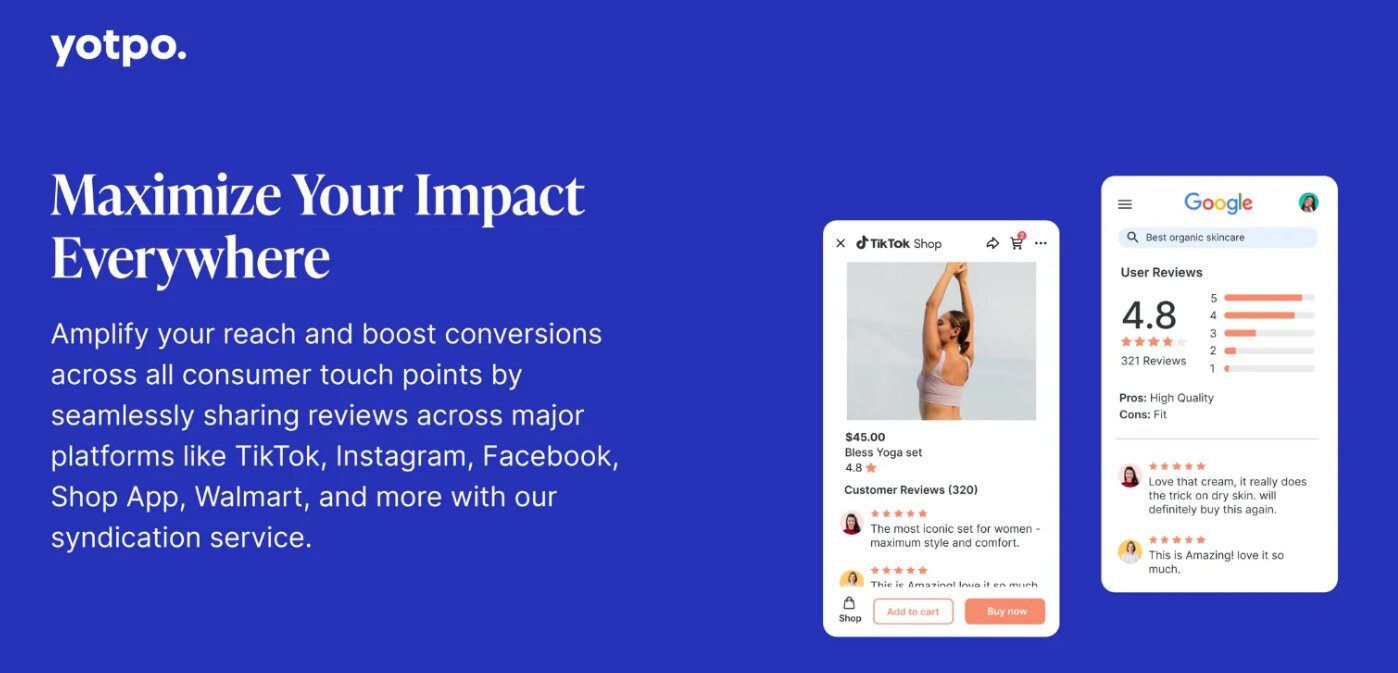
Yotpo Loyalty combines loyalty rewards, referrals, SMS campaigns, customer reviews, and social proof into one customer retention platform. This helps Shopify brands manage customer engagement across multiple channels while improving customer loyalty through connected retention experiences.
Key Features
Yotpo Loyalty supports:
The platform also supports omnichannel retention workflows across web and mobile devices.
Why Shopify Merchants Choose Yotpo Loyalty
Yotpo Loyalty works especially well for Shopify brands, combining loyalty programs, reviews, and SMS campaigns into one customer retention strategy.
It works especially well for:
For brands wanting stronger customer engagement and social proof together, Yotpo Loyalty remains a strong top customer retention app option.
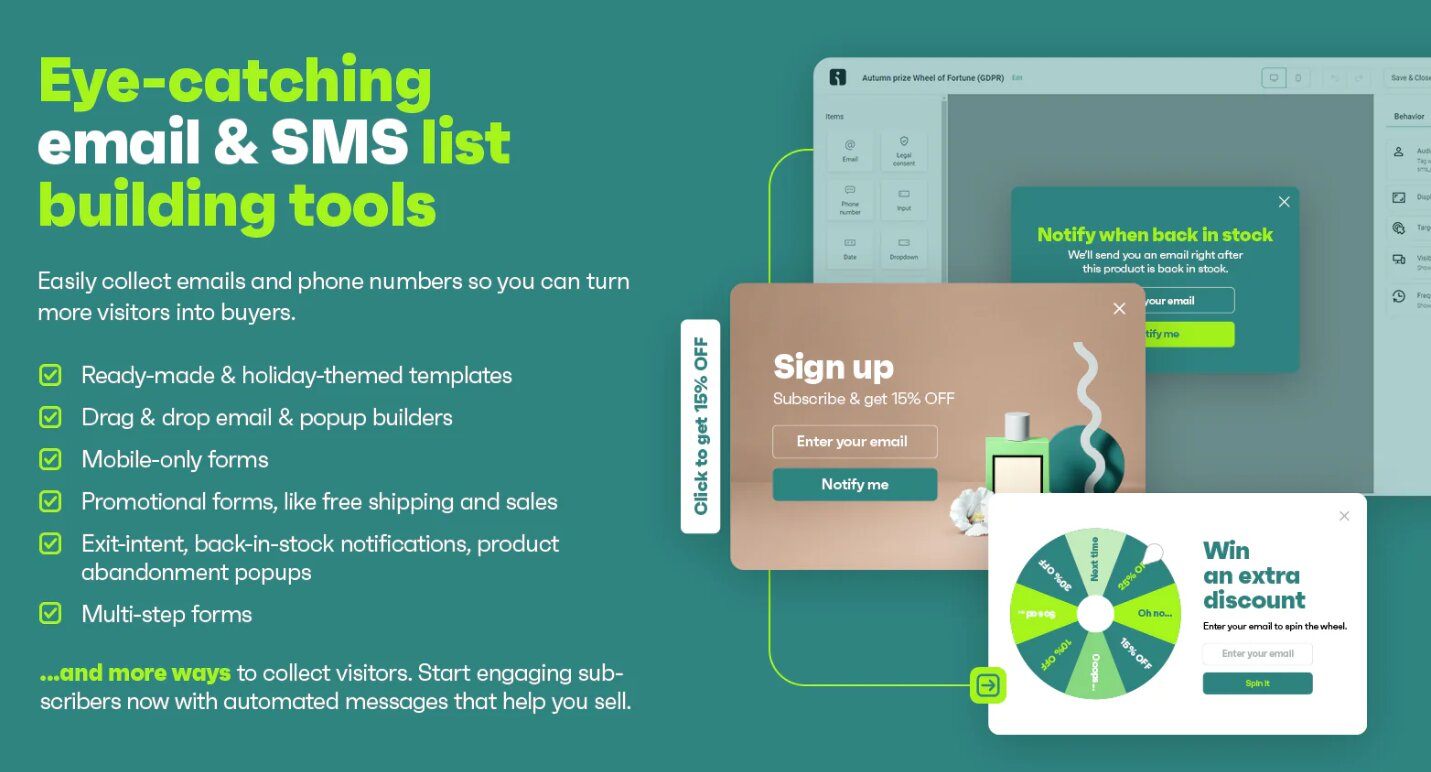
Omnisend combines email marketing, SMS marketing, and push notifications into one retention-focused platform. The platform helps Shopify merchants automate customer engagement across multiple communication channels while improving repeat purchases and long-term customer retention more efficiently.
Key Features
Omnisend supports:
The platform focuses heavily on multichannel customer retention automation.
Why Shopify Merchants Choose Omnisend
Omnisend works especially well for Shopify merchants wanting easier customer engagement automation across multiple channels without relying on several disconnected apps.
It works especially well for:
For brands wanting simpler multichannel customer retention, Omnisend remains a strong Shopify app for better customer retention.
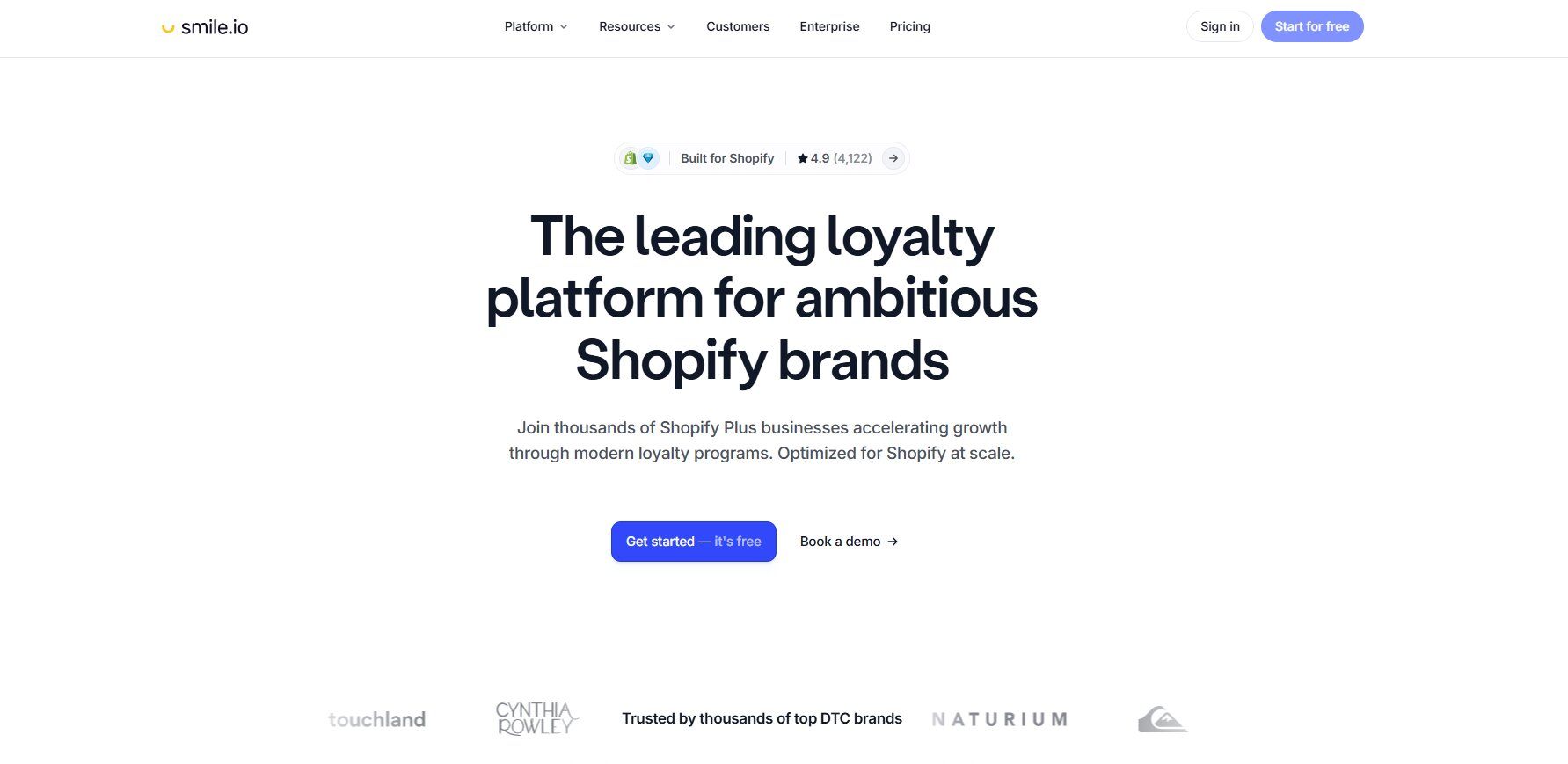
Smile.io helps Shopify merchants launch loyalty programs, referral rewards, and VIP campaigns with easier setup and beginner-friendly workflows. The platform focuses heavily on simplicity, making it useful for smaller e-commerce brands starting their first customer retention strategy.
Key Features
Smile.io supports:
The platform also supports Shopify POS compatibility.
Why Shopify Merchants Choose Smile.io
Smile.io works especially well for smaller Shopify stores wanting a simpler loyalty app without advanced configuration complexity.
It works especially well for:
For Shopify merchants wanting easier loyalty rewards management, Smile.io remains one of the most accessible customer retention apps.
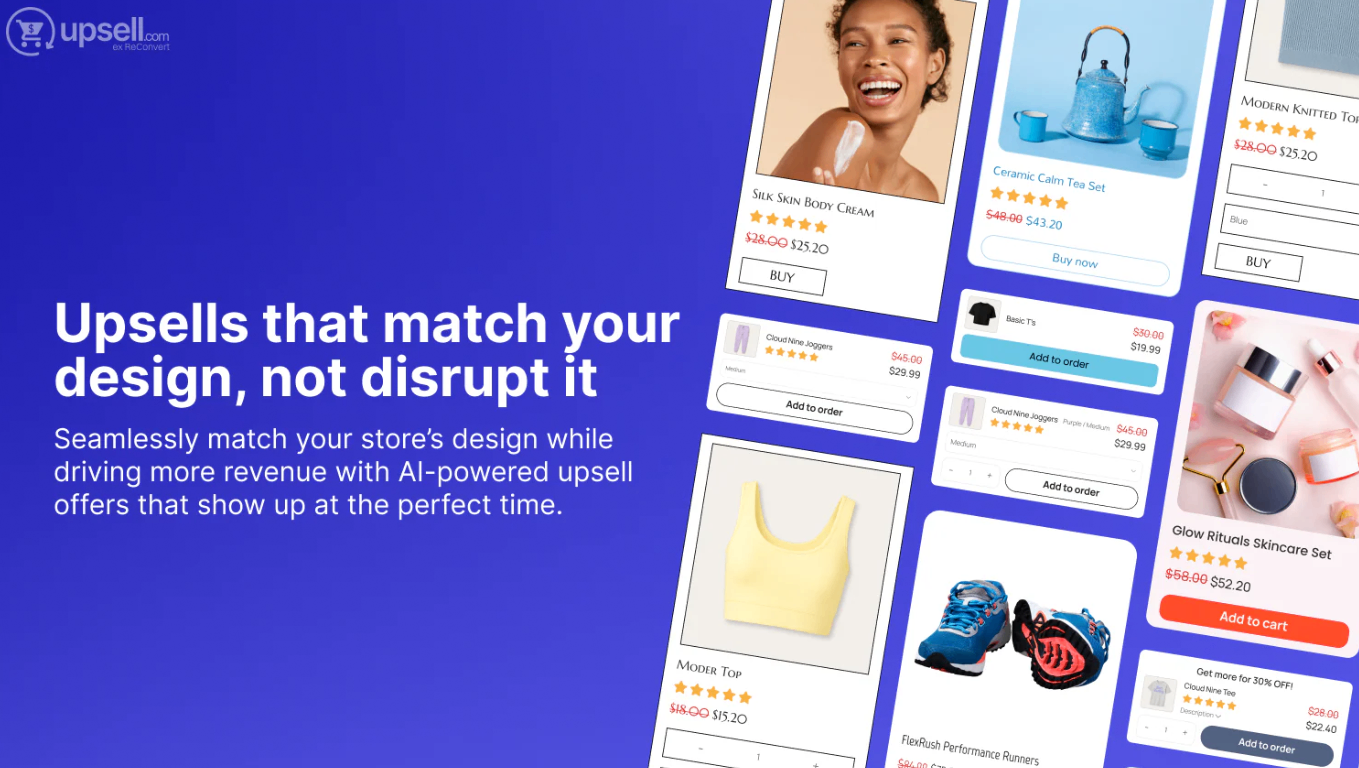
ReConvert focuses heavily on post-purchase engagement and checkout optimization to improve customer retention after orders are completed. The platform helps Shopify merchants extend customer interaction beyond checkout through upsells, surveys, reorder incentives, and personalized post-purchase experiences.
Key Features
ReConvert supports:
The platform helps merchants extend engagement beyond checkout.
Why Shopify Merchants Choose ReConvert
ReConvert works especially well for brands wanting to improve average order value and repeat business through post-purchase customer engagement.
It works especially well for:
For merchants wanting better post-purchase retention workflows, ReConvert remains a strong retention-focused Shopify app.
Choosing the right customer retention app depends on your customer behavior, retention goals, and overall shopping experience. Different Shopify brands need different retention strategies based on purchase frequency, customer engagement patterns, and long-term growth priorities.
Different retention tools solve different e-commerce challenges. Some improve repeat purchases through loyalty programs, while others focus on referrals, customer engagement, or reducing churn through automated communication and retention campaigns.
Goal
Recommended Tool
Improve repeat purchases
Loyalty programs
Increase referrals
Referral program
Improve customer engagement
Email marketing
Reduce churn
SMS campaigns
Improve customer lifetime value
Retention platform
The best customer retention strategy should match how customers interact with your Shopify store.
Retention systems should feel simple for both merchants and customers. Complicated workflows often reduce customer engagement and make retention efforts harder to manage consistently over time.
Look for:
A smoother shopping experience usually improves customer satisfaction and repeat business.
Many retention apps offer free plan access, paid plans, and free trial options. Instead of comparing only software pricing, evaluate how effectively the platform improves customer retention, repeat purchases, and customer lifetime value.
Too many pop-ups, loyalty rules, notifications, or overlapping campaigns can overwhelm customers quickly. The best retention experiences usually feel personalized, simple, and easy to understand across both desktop and mobile devices.
The right Shopify app should improve customer retention without complicating the customer experience.
Want to understand whether your loyalty campaigns are actually improving customer retention and repeat purchases? Explore these loyalty program analytics strategies to learn how Shopify brands track customer behavior, optimize rewards, and improve long-term customer lifetime value.
Customer retention apps can improve repeat purchases significantly, but poor execution often reduces customer engagement and long-term customer loyalty. The strongest retention strategies usually focus on simplicity, consistency, and personalized customer experiences.
Retention should involve more than discounts alone. Loyalty rewards, early access perks, customer service, and personalized communication often improve customer loyalty more effectively over the long term.
Customer feedback helps brands understand customer behavior and identify retention gaps. Ignoring reviews, surveys, and customer support conversations often weakens customer relationships and overall customer satisfaction.
Customers should immediately understand how rewards work. Complicated loyalty programs often reduce participation because shoppers lose interest when earning or redeeming rewards feels confusing.
Many customers now shop primarily through mobile devices. Poor mobile retention experiences, slow loyalty pages, or difficult checkout flows can hurt repeat purchase rate and customer engagement significantly.
Shopify merchants should regularly monitor:
Many Shopify merchants combine Google Analytics with Shopify analytics for deeper retention insights and optimization opportunities.
The best customer retention efforts improve continuously through testing, optimization, and better customer understanding.
Customer retention is no longer optional for Shopify brands that want sustainable growth. The stores that grow consistently are usually the ones turning first-time buyers into repeat customers through loyalty rewards, referrals, personalized engagement, and stronger post-purchase experiences.
The right Shopify customer retention app should help you improve repeat purchases without making the customer experience feel complicated. Whether you focus on loyalty programs, email marketing, SMS campaigns, or post-purchase engagement, the goal remains the same: build stronger customer relationships that increase customer lifetime value over time.
Shopify customer retention apps improve repeat purchases through loyalty rewards, referrals, personalized email campaigns, SMS marketing, and customer engagement automation. These retention tools encourage repeat customers to return more frequently while improving customer lifetime value over time.
The best Shopify app for better customer retention should support loyalty programs, customer segmentation, customer support, email marketing, analytics, mobile optimization, and referral program automation. Easy setup and a stronger customer experience are also important factors.
Shopify merchants should track customer retention rate, repeat purchase rate, customer lifetime value, purchase frequency, open rates, and customer engagement metrics. Many brands combine Shopify analytics with Google Analytics for deeper retention analysis.
Yes. Loyalty programs often improve repeat purchases because customers feel rewarded for returning. Loyalty points, free shipping, VIP rewards, and bonus perks encourage repeat business while helping brands strengthen long-term customer loyalty.
Yes, RetentionX is a strong option for Shopify merchants wanting deeper customer journey insights and retention analytics. The platform helps track customer behavior, repeat purchase patterns, customer lifetime value, and retention metrics, making it useful for brands focused heavily on data-driven retention strategies.
Yes, using too many customer retention apps can sometimes create overlapping workflows, duplicate notifications, slower site performance, or inconsistent customer experiences. Shopify merchants should choose retention tools carefully and avoid stacking apps with similar functions like loyalty rewards, email automation, or pop-up campaigns.
Patch Customer Retention focuses heavily on customer journey tracking, retention analytics, and behavioral insights. Unlike loyalty-focused Shopify retention apps, Patch helps merchants understand customer behavior, churn patterns, and repeat purchase trends, making it more useful for data-driven retention optimization and customer lifecycle analysis.
.svg)
