

Growing an ecommerce business in today's competitive market means looking beyond just acquiring new customers. With acquisition costs rising, the key to sustainable growth lies in your existing customer base. Mastering customer retention for your Shopify store is not just a good strategy; it's a fundamental requirement for long-term profitability. By focusing on keeping the customers you already have, you build a foundation of loyalty that fuels predictable revenue and turns one-time buyers into lifelong brand advocates.
Shopify customer retention is the process of encouraging existing customers to make repeat purchases from your store. Instead of constantly focusing on attracting new buyers, this strategy aims to transform one-time shoppers into loyal, repeat customers. It involves a set of activities and strategies designed to build stronger relationships, increase purchase frequency, and ultimately maximize the customer lifetime value. A successful retention strategy means your customers consistently choose your brand over competitors.
To effectively manage Retention, you must track it. You can track and measure customer retention rates in your Shopify store by using the built-in Shopify Analytics. This tool allows you to monitor key metrics, such as your repeat customer rate, which shows how many customers have made more than one purchase. You can also analyze purchase frequency and calculate the average time between orders. For deeper insights, you can use Google Analytics or specialized Shopify apps to track metrics such as customer lifetime value and churn rate, providing a comprehensive view of your retention performance.
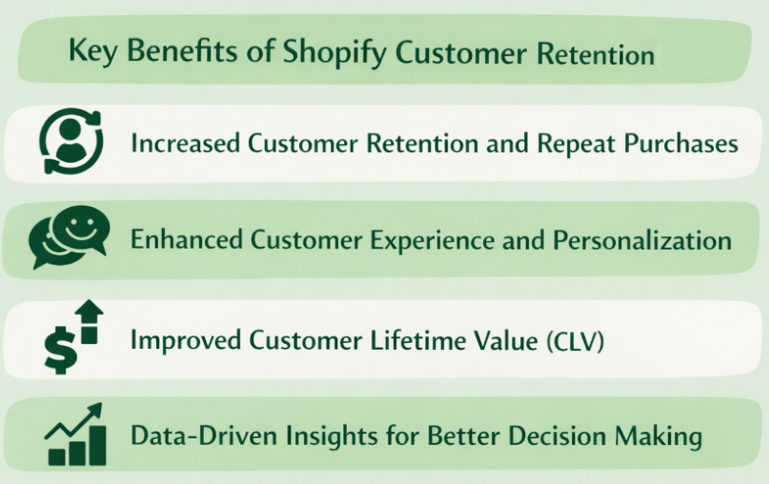
Shopify customer retention offers a powerful way to build long-term relationships with your customers by combining automation, personalization, and data insights. These tools help you understand customer behavior more deeply and act on it with targeted strategies that drive repeat purchases. Instead of relying only on new customer acquisition, they allow you to maximize the value of your existing audience. Below are the key benefits explained in detail.
Customer retention apps are built to bring shoppers back by giving them clear reasons to return, such as rewards, loyalty points, and timely reminders. These tools automate engagement through personalized offers and referral incentives, making it easier to maintain consistent communication without manual effort. As customers continue to interact with and purchase from your brand, they develop a habit of choosing your brand, leading to a more stable and predictable revenue stream while reducing reliance on costly new customer acquisition.
It improves the overall customer experience by delivering highly personalized interactions based on data like browsing behavior and purchase history. This allows you to send relevant product recommendations, targeted discounts, and timely messages that resonate with each customer. When customers feel understood and valued, their engagement naturally increases, leading to stronger relationships, higher satisfaction, and a deeper emotional connection with your brand.
Cohort analysis helps measure retention for Shopify stores by grouping customers based on shared characteristics or their first purchase dates and tracking how these segments return or engage over time. This insight enables store owners to identify patterns in customer behavior, evaluate the effectiveness of personalization strategies, and refine their approach to boost overall retention rates.
By encouraging repeat purchases and increasing order value, retention helps maximize the total revenue generated from each customer over time. Features like upselling, cross-selling, and post-purchase recommendations ensure that customers continue to engage with your brand beyond their first purchase. This ongoing interaction not only boosts average order value but also extends the customer lifecycle, resulting in higher and more consistent long-term profitability.
It provides detailed analytics and insights that help you understand customer behavior and measure the effectiveness of your strategies. By tracking metrics like churn rate, engagement levels, and repeat purchase frequency, you can identify patterns and make informed decisions. This data-driven approach allows you to optimize campaigns, re-engage inactive customers, and continuously refine your retention strategy to achieve better results over time.
Also Read: How a Premier Portuguese Winery Cultivated a +16.80% AOV Lift.
To enhance customer retention, Shopify merchants should implement a mix of marketing strategies that build lasting relationships and encourage repeat purchases. The most effective strategies focus on creating value beyond the initial transaction, making customers feel appreciated and understood. This turns a simple purchase into a long-term connection with your brand. Let's explore some of the most proven strategies you can implement.
Source: Starbucks
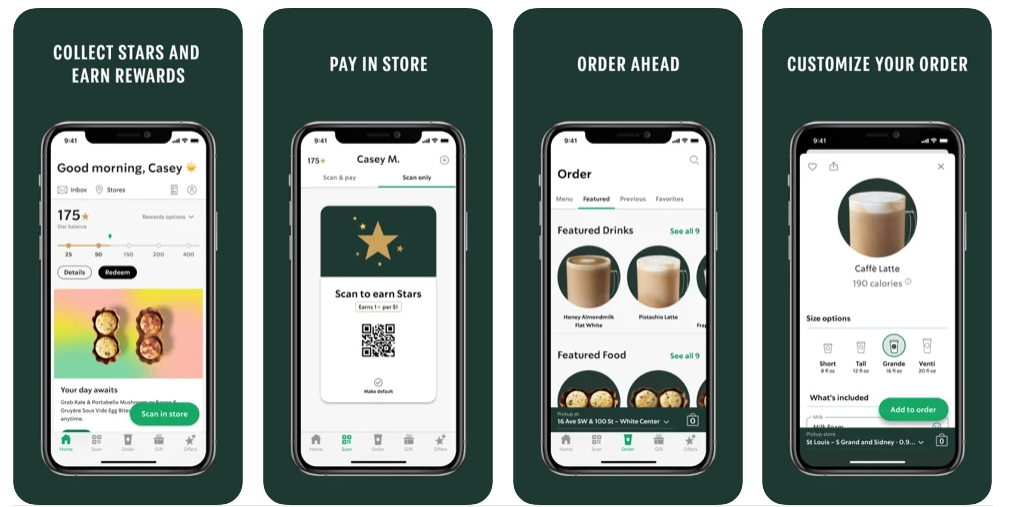
Points-based programs are one of the most popular and straightforward loyalty models. Customers earn loyalty points on every purchase, which can be redeemed for rewards. This system is effective because it directly incentivizes repeat purchases and is easy for customers to understand. A clear structure, such as "earn 1 point for every $1 spent," provides a transparent path to rewards.
To make this model even more engaging, you can offer bonus points for specific actions. For instance, you could award extra points for signing up, on a customer's birthday, or for purchasing certain products. This flexibility allows you to drive specific behaviors, such as increasing the average order value or promoting new items.
Consider these points-based strategies:
Source: Marriott
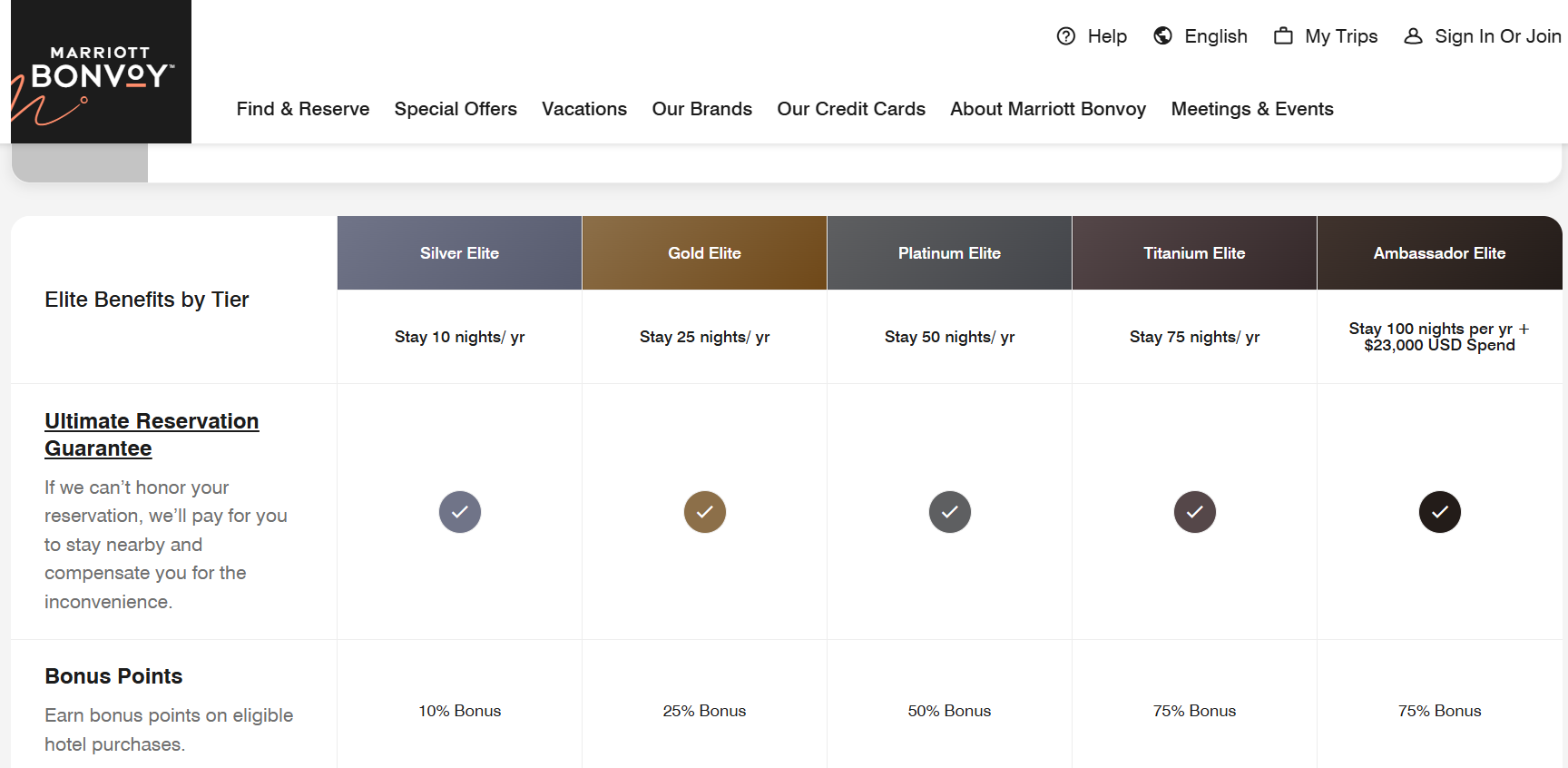
A tiered rewards system is an excellent strategy for motivating long-term customer engagement. By creating different membership levels (e.g., Silver, Gold, Platinum), you give loyalty members something to strive for. As customers spend more, they unlock higher tiers that offer increasingly valuable and exclusive benefits. This structure gamifies the shopping experience and encourages repeat business.
The key to a successful tiered program is to make the benefits at each level clear and desirable. The entry-level tier should offer solid rewards, but the higher tiers should provide exclusive perks that make customers feel truly valued. This could include better point-earning rates, free shipping, or access to VIP events.
This system not only retains customers but also motivates them to increase their spending to reach the next level. The sense of achievement and exclusivity associated with higher tiers fosters a deeper connection with your brand and drives sustained participation among your loyalty members.
Source: Dropbox
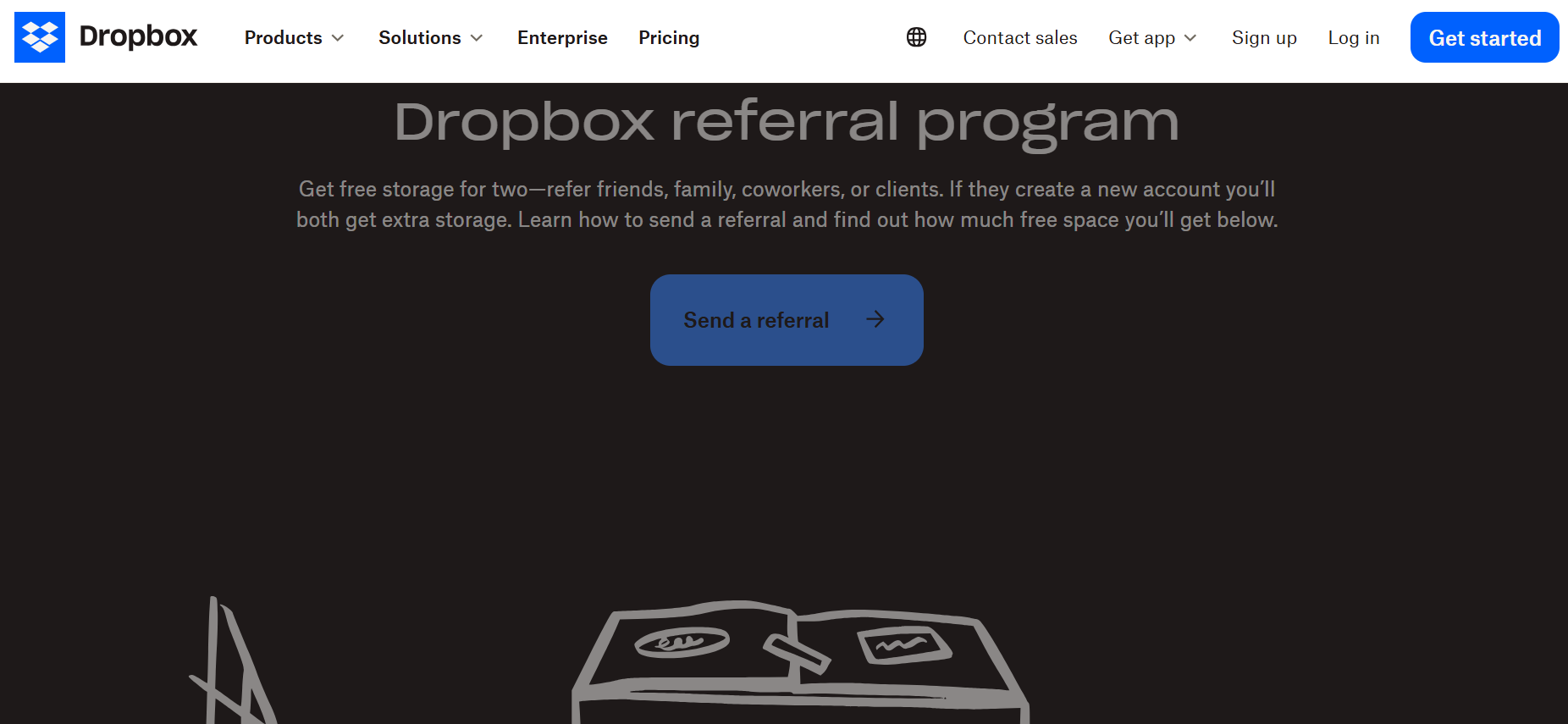
A referral program is a powerful strategy that turns your best repeat customers into brand advocates. This model rewards existing customers for bringing in new customers, tapping into the power of word-of-mouth marketing. Since people trust recommendations from friends and family more than traditional advertising, referrals often lead to high-quality, long-term customers.
To create an effective referral program, it's best to offer a dual-sided incentive. This means both the referrer and the new customer receive a reward, creating a win-win situation that encourages participation. Promoting your program through channels like social media and email marketing ensures it reaches a wide audience and stays top of mind.
To launch a successful referral program:

Source: H&M
The classic punch card is one of the simplest and most recognizable forms of a loyalty program. Often seen in coffee shops or salons, this system rewards customers for frequent visits. The premise is straightforward: after a set number of purchases, the customer receives a free item or a discount. This model is particularly effective for businesses with high-frequency, low-cost transactions.
Despite its simplicity, the punch card is a powerful tool for customer retention. It provides a tangible and visual representation of progress, encouraging customers to complete the card to claim their reward. This creates a habit-forming loop that can turn casual visitors into loyal customers. While physical cards are common, digital punch cards are gaining popularity for their convenience and trackability.
Tips for an effective punch card system:

Source: Cashback
Cashback loyalty programs offer customers a direct, tangible reward: a percentage of their spending returned to them as credit toward future purchases. This model has a strong value proposition because the benefit is clear and immediate. Instead of accumulating points for an abstract reward, customers see a direct monetary value, which can significantly enhance the customer experience.
This type of program is highly effective at driving repeat business, as customers are incentivized to return to use their earned cashback. It simplifies the reward process and eliminates the complexity of point conversions.
To implement a cashback program successfully:

Source: Zappos VIP
A VIP membership club takes the concept of loyalty to the next level by offering exclusive perks to your most valuable customers. These programs can be structured as the top level of a tiered VIP program or as a standalone paid membership. The goal is to make your best loyalty members feel truly special and appreciated, fostering deep-seated brand loyalty.
The key to a successful VIP club is offering benefits unavailable to the general public. These exclusive offers create a sense of status and belonging. Perks can range from early access to new products and sales to invitations to members-only events or personalized styling services. The exclusivity is the main draw, making the membership feel like a worthwhile investment or achievement.
Ideas for VIP membership perks include:
Also Read: How to Debunk the Customer Retention Myth in E-Commerce?

Source: Nike
Digital loyalty cards are the modern evolution of the traditional punch card. They offer a paperless, convenient, and trackable way to manage customer engagement. Instead of carrying a physical card, loyalty program members can store their card in a mobile wallet or access it through a mobile app. At checkout, they simply scan a QR code to record their purchase or redeem a reward.
This digital approach is highly effective for small businesses because it eliminates the hassle of physical cards, which can be easily lost or forgotten. Furthermore, it provides valuable data on customer behavior, allowing you to see how frequently members visit and what they purchase. This insight helps you refine your program and send targeted offers, making the entire system more efficient and impactful.
Key benefits of digital loyalty cards:

Source: Amazon Prime
Subscription-based loyalty models offer a unique approach to customer retention by providing recurring value in exchange for a regular fee. This business model turns the customer relationship into an ongoing partnership. Subscribers might receive a curated box of products each month, unlimited access to a service, or exclusive perks like free shipping on all orders.
This model is powerful because it generates predictable revenue and deeply integrates your brand into customers' lifestyles. By delivering consistent value, you encourage long-term commitment and frequent repeat purchases. A subscription program can be an excellent way to stand out from the competition and build a highly engaged community around your brand throughout the entire customer lifecycle.
Examples of subscription-based loyalty include:
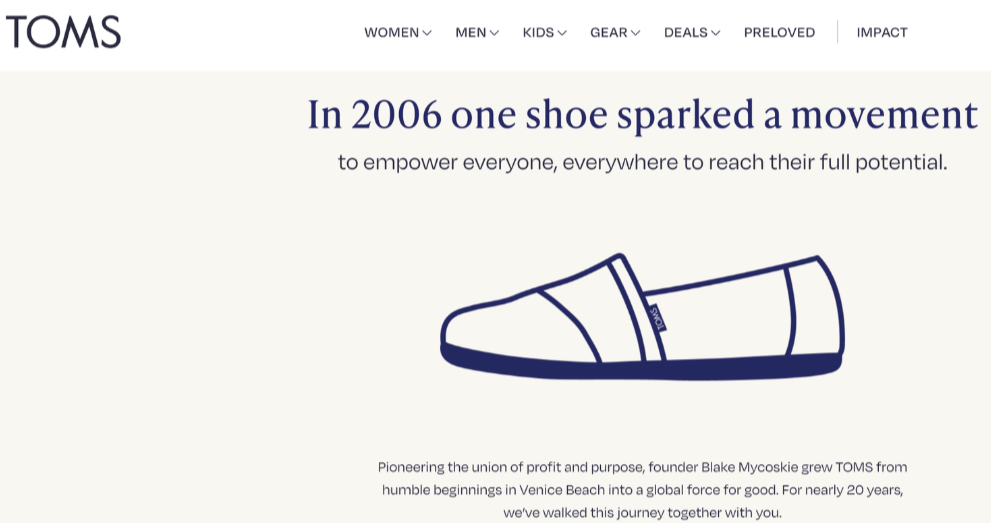
Source: TOMS
Cause-based rewards programs connect customer loyalty to a greater purpose. Instead of offering discounts, this model allows customers to convert their points or purchases into donations to a charity or local cause. This approach is particularly effective for businesses that want to build deeper customer relationships and demonstrate a commitment to their community.
By aligning your brand with a cause that resonates with your customers, you can foster a powerful emotional connection. This shared value system strengthens brand loyalty far beyond transactional benefits. Customers feel good about their purchases, knowing that they are contributing to a positive local impact. This can be a significant differentiator, especially for businesses targeting socially conscious consumers.
To implement a cause-based program:

Source: Netflix
Personalization is no longer a luxury; it's an expectation. Using customer data to deliver personalized experiences is a powerful way to boost engagement and show members you understand their unique needs. Generic, one-size-fits-all offers are far less effective than promotions tailored to an individual's purchase history and preferences.
Leverage the data from your loyalty card or digital account to create these tailored interactions. For example, you can send a special offer for a product a customer has viewed multiple times or recommend new items based on their past purchases. This level of personalization makes members feel seen and valued.
Ultimately, these efforts lead to higher customer satisfaction. When your communications and offers are relevant and timely, they strengthen the customer's relationship with your brand. This makes them more likely to remain active in your loyalty program and continue choosing you over competitors.
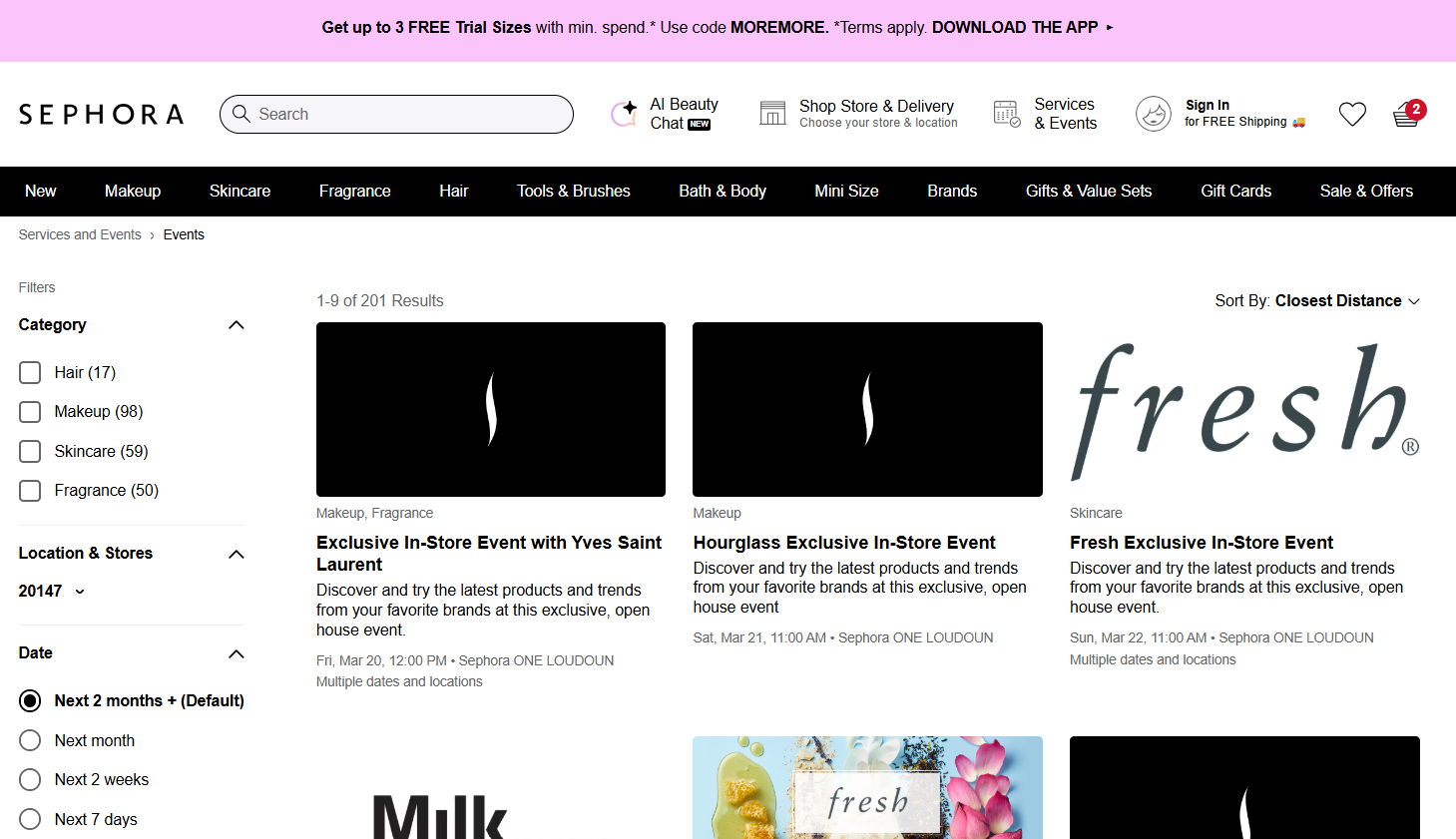
Source: Sephora
Acknowledging customer milestones is a simple yet highly effective way to foster customer loyalty. Celebrating events like birthdays or membership anniversaries with a special reward makes your members feel appreciated and strengthens their emotional connection to your brand. These small, personal gestures can have a big impact on retention.
This strategy goes beyond standard transactional rewards by creating moments of surprise and delight. A birthday discount or an anniversary bonus shows that you value them as an individual, not just as a source of revenue.
Consider implementing these milestone celebrations:
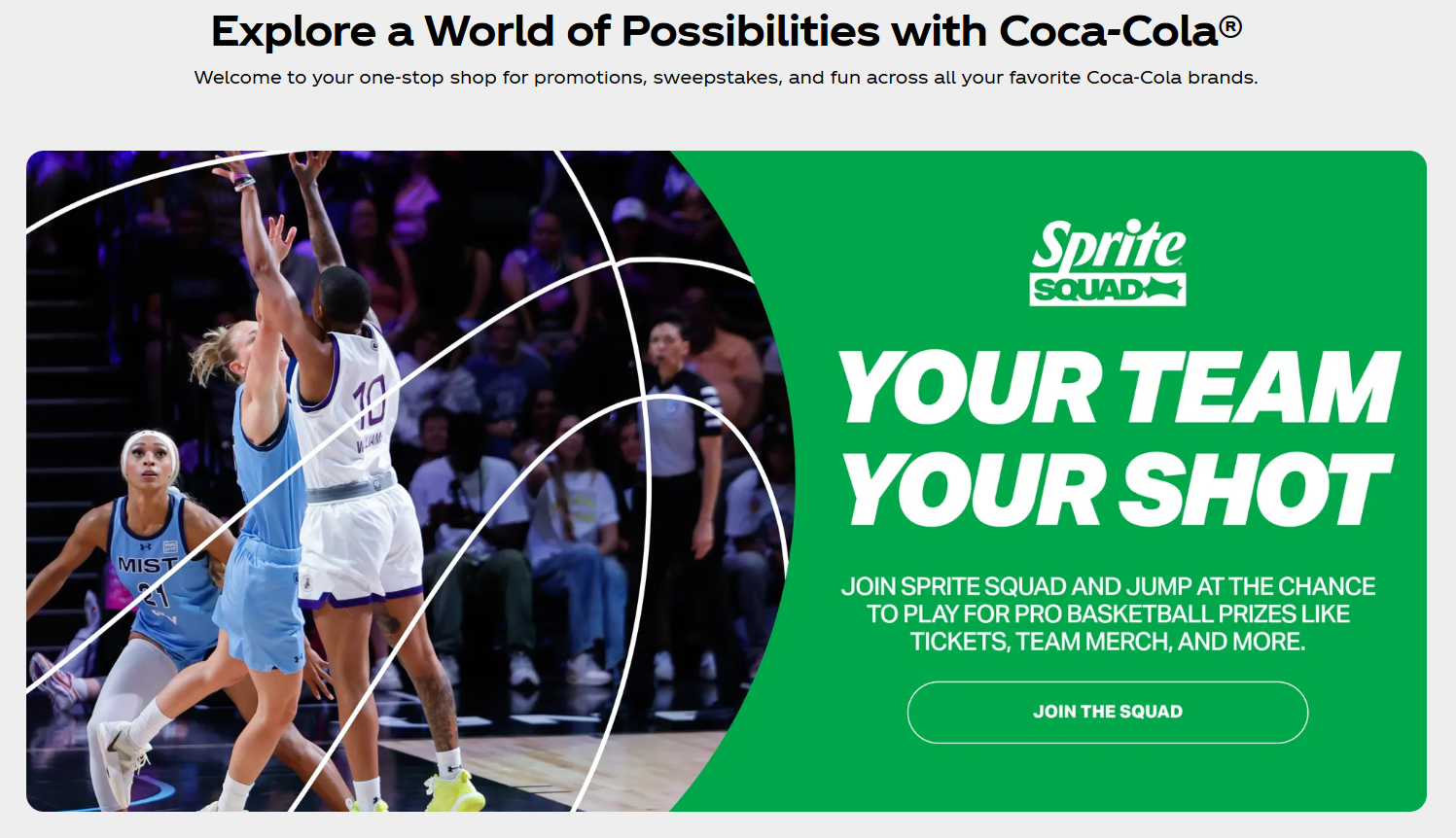
Source: Coca-Cola
Contests and giveaways are a fantastic way to generate excitement and drive engagement within your loyalty program. These events create a buzz and provide an extra incentive for members to interact with your brand. The chance to win a significant prize can motivate both new sign-ups and existing loyalty members to participate.
These promotions are particularly effective when promoted on social media, as they encourage sharing and can expand your reach organically. Make entry simple, often tying it to actions that benefit your program, such as signing up, referring a friend, or making a purchase.
Here are a few ideas for contests and giveaways:

Source: Spotify
Partnering with complementary, non-competing brands is a creative way to expand your reach and attract new members. A coalition loyalty program allows you to tap into another company's customer base, offering shared benefits that appeal to both audiences. This cross-promotion strategy can introduce your loyalty program to a wider, yet relevant, group of potential members.
When selecting a partner, look for businesses that share a similar target audience but offer different products or services. For example, a coffee shop could partner with a local bookstore, or a fitness apparel brand could collaborate with a gym.
These loyalty solutions can be structured so that members of one program receive special discounts or earn rewards with the partner brand. This creates a mutually beneficial relationship, driving new business for both companies while providing enhanced value to your customer base.
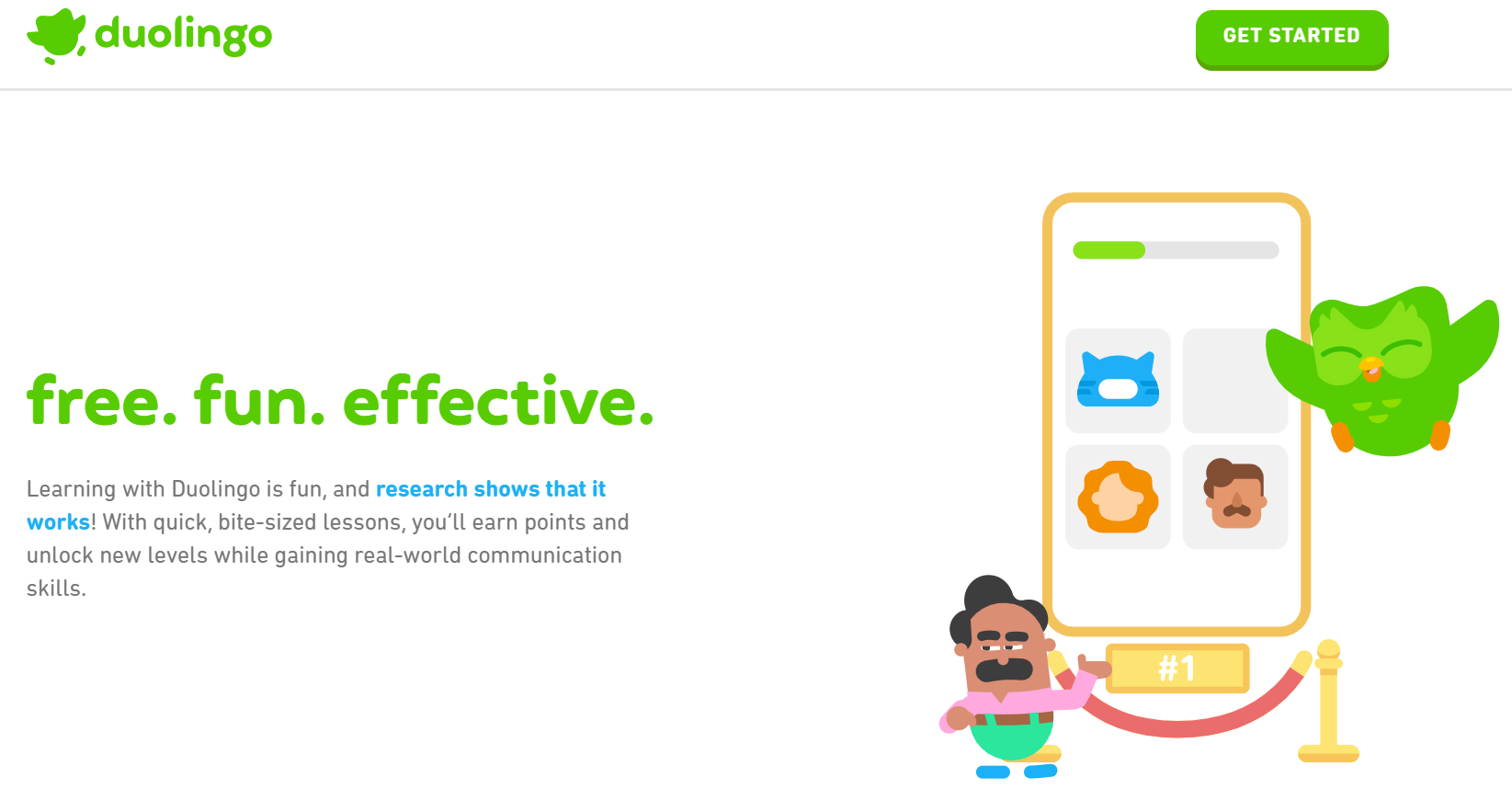
Source: Duolingo
Gamification can transform your loyalty program from a simple rewards system into an interactive and exciting experience. By incorporating game-like elements such as challenges, badges, and leaderboards, you can significantly boost customer engagement and make participation more fun. These elements tap into people's natural desire for competition and achievement.
Introduce challenges that reward customers for specific actions, like writing a review or sharing a post on social media. Awarding badges for milestones, such as their first purchase or loyalty anniversary, provides a sense of accomplishment and encourages continued participation.
Gamification also creates opportunities for members to earn exclusive experiences that go beyond standard discounts. This could include invitations to members-only events or special contests. By making your program more playful and interactive, you can foster a more dynamic and emotionally connected community of loyal customers.
Also Read: How to Master Customer Revenue Optimization Strategies?
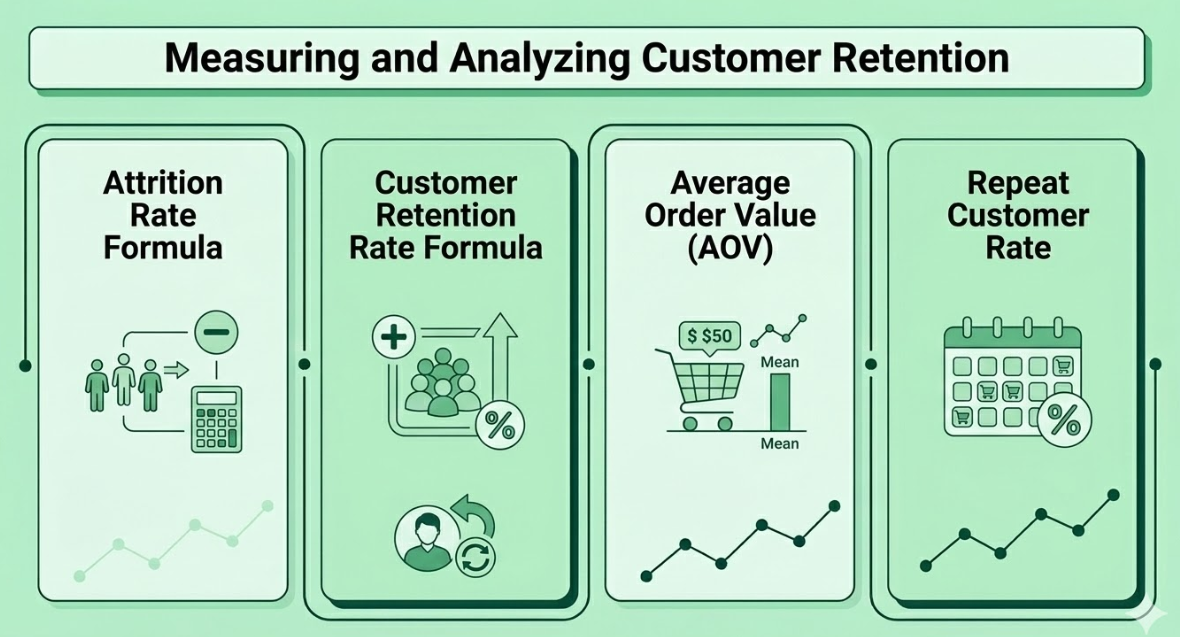
Determining the effectiveness of retention strategies involves closely measuring and analyzing customer retention metrics. By understanding these metrics, businesses can cultivate a loyal customer base, utilize targeted marketing campaigns, and improve overall customer experience to enhance retention and reduce acquisition costs.
The attrition rate, also known as churn rate, measures the percentage of customers who stop doing business with you over a specific period. It helps identify how many customers you are losing and whether there are underlying issues with satisfaction, pricing, or overall experience. You can calculate it by dividing the number of customers lost during a period by the total number at the start, then multiplying by 100. Monitoring this regularly allows businesses to spot problems early and take corrective actions to improve retention.
Customer retention rate measures the percentage of customers a business successfully keeps over a given period, making it a key indicator of loyalty and long-term success. To calculate it, subtract the number of new customers acquired during the period from the total number of customers at the end, divide that difference by the number of customers at the start, and multiply by 100. A higher retention rate reflects strong customer satisfaction and effective retention strategies, helping ensure stable and predictable revenue growth.
Average Order Value (AOV) calculates the average amount spent per transaction and is closely tied to customer profitability. It is determined by dividing total revenue by the number of orders within a specific period. While not a direct retention metric, AOV often increases among repeat customers who trust the brand more and are willing to spend more. Tracking AOV helps businesses refine pricing strategies, introduce bundles, and increase overall customer lifetime value.
Repeat customer rate measures the percentage of customers who make more than one purchase, offering a clear view of how well your business converts one-time buyers into loyal customers. It is calculated by dividing the number of repeat customers by the total number of unique customers and multiplying by 100. A higher rate indicates strong customer satisfaction and effective engagement strategies, while also reducing reliance on new customer acquisition for growth.
Also Read: How Puur Scaled Average Order Value via Intelligent Accessory Pairing.
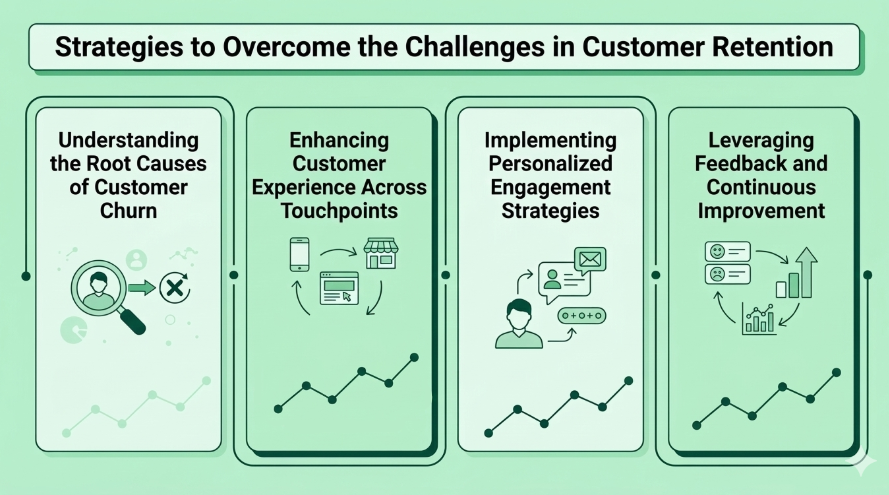
While the benefits of customer retention are clear, implementing effective strategies is challenging. Businesses often struggle to identify the root causes of customer churn and address customer pain points before they lead to lost business. Overcoming these hurdles requires a proactive and customer-centric approach. The following sections offer actionable advice for tackling these common challenges.
The first step in reducing customer churn is understanding why customers leave. A high churn rate often indicates deeper issues such as poor customer experience, lack of perceived value, or friction in the buying process. Identifying these pain points is essential for building effective customer retention strategies.
Actively collecting customer feedback can help uncover these issues. Surveys, interviews, and review analysis allow businesses to understand customer concerns and expectations. Mapping the customer journey can also reveal where customers drop off and why. By identifying the root causes, businesses can take targeted action to resolve them. Common causes of churn include poor customer service, product issues, or a complicated buying process.
A strong customer experience is essential for improving customer retention. Every interaction with your brand, from browsing your website to contacting support, should be smooth and consistent to build trust and loyalty. Businesses should analyze all customer touchpoints, such as website usability, checkout experience, shipping, and post-purchase communication.
Removing friction in these areas, such as simplifying checkout or improving page speed, can significantly increase satisfaction. Providing reliable and responsive customer support also plays a major role. A helpful support interaction can resolve issues quickly and strengthen the customer relationship.
Personalized engagement plays a key role in strengthening customer retention. Today’s customers expect brands to understand their preferences and provide relevant communication rather than generic messages. By analyzing purchase history, browsing behavior, and customer data, businesses can create targeted campaigns and personalized recommendations. This helps deliver content and offers that match individual interests.
When customers feel understood and valued, they are more likely to stay loyal and make repeat purchases. Personalization, therefore, helps increase retention and overall customer lifetime value.
Using customer feedback is essential for improving customer retention over time. Customers often provide valuable insights about what works well and what needs improvement. Businesses should create multiple channels to gather feedback, such as surveys, reviews, or direct communication. Acting on this feedback shows customers that their opinions are valued.
When businesses continuously improve based on customer insights, it strengthens trust and satisfaction. This ongoing improvement helps build long-term loyalty and supports sustainable business growth.
Also Read: How Metalbird drove consistent growth across 8 stores.
Mastering customer retention on Shopify is achievable by implementing a structured approach to rewarding your best customers. A well-designed loyalty program, such as one offered by the Kefi Loyalty Program, VIP Tier, can be the cornerstone of your retention strategy. By creating a VIP tier system, you can directly boost customer loyalty and give shoppers a clear incentive to continue purchasing from your store. Customer loyalty is critical for Retention because it creates a powerful defense against competitors; when customers feel valued, they are less likely to shop elsewhere.
For Shopify merchants, a VIP tier program makes loyalty tangible. As customers spend more, they unlock progressively better rewards, creating a gamified experience that encourages higher engagement and spending. With a platform like Kefi, you can automate this process, rewarding customers with exclusive perks like early access to sales, free shipping, or special member-only products. This not only increases their lifetime value but also transforms them from simple buyers into dedicated brand advocates who feel a true sense of belonging.
Book a Demo to see how Kefi Loyalty Program, VIP Tier works.
In summary, enhancing Shopify customer retention is crucial for your business's sustained growth and success. By implementing strategies such as developing a customer loyalty program, personalizing the shopping experience, and optimizing your mobile storefront, you can create a more engaging and fulfilling experience for your customers. Additionally, staying proactive with feedback, monitoring key retention metrics, and avoiding common pitfalls can help you build lasting relationships with your clients. Remember, each interaction is an opportunity to strengthen loyalty and drive repeat purchases. If you're ready to take your customer retention efforts to the next level, consider leveraging our Kefi Loyalty Program for exceptional results.
Shopify customer retention can be improved by focusing on loyalty programs, personalized communication, and post-purchase engagement. Consistent value and positive experiences encourage customers to return and build long-term relationships.
A good Shopify customer retention rate varies by industry, but generally, higher retention indicates stronger customer loyalty. It is measured by tracking the number of customers who return over a specific period relative to the total customer base.
Effective Shopify customer retention strategies include offering rewards, sending personalized emails, and creating seamless shopping experiences. These approaches keep customers engaged and motivate them to make repeat purchases.
Customer retention analytics, Shopify tools provide insights into customer behavior, purchase patterns, and churn rates. This data helps businesses refine their marketing strategies and create more targeted, effective campaigns.
The average customer retention rate for Shopify stores typically ranges from 25% to 30%. This means about one in four customers will become repeat customers. However, top-performing brands with strong loyalty strategies often exceed 40%, demonstrating the potential for significant business growth by focusing on Retention.
The main benefits are increased profitability and sustainable growth. Retaining customers is more cost-effective than acquiring new ones, leads to more repeat business, and increases customer lifetime value. A loyal customer base also becomes a powerful marketing asset through word-of-mouth referrals, strengthening your overall marketing strategies.
You can track retention rates using Shopify Analytics to monitor metrics such as the repeat customer rate and purchase history. For deeper insights into customer behavior, tools like Google Analytics or specialized Shopify apps can help you calculate your customer retention rate, churn rate, and other key retention metrics over time.
The most effective strategies include launching a loyalty program to reward repeat customers, using personalized email marketing to stay engaged, creating a referral program to leverage word-of-mouth, and providing exceptional customer support. These tactics work together to build strong customer relationships and encourage repeat business.
In Shopify Analytics, you should monitor key retention metrics like your customer retention rate, repeat purchase rate, and customer lifetime value (CLV). These three indicators provide a comprehensive view of how well you are retaining customers, their loyalty, and their long-term value to your business.
Common mistakes include ignoring customer segmentation and sending generic messages, overlooking post-purchase engagement opportunities, providing poor customer service, and having a complicated checkout process. These errors can lower customer satisfaction and drive shoppers away, even if they like your products.
.svg)
