

Nurturing customer relationships is essential for long-term success. While acquiring new customers is important, retaining existing ones is the key to sustainable growth. Two powerful strategies for improving the post-purchase customer experience and fostering loyalty are loyalty programs and membership rewards. Many brands confuse these two, but they are distinct approaches with different impacts on customer loyalty. This guide will explore the differences between them, helping you decide which strategy is the right fit to enhance customer retention for your brand.
A loyalty program is a retention strategy designed to reward customers for their ongoing engagement with your brand. The core idea is to incentivize repeat business by offering perks for actions like making purchases, writing reviews, or referring friends. Most loyalty programs are free for customers to join, making them highly accessible. The value is earned gradually; the more a customer interacts with your brand, the more rewards they unlock.
The primary difference between a loyalty card and a membership card is how value is accessed. A loyalty card, or a digital loyalty card, tracks purchases and interactions, allowing customers to accumulate loyalty points over time. These points can then be redeemed for discounts, free products, or other loyalty benefits. This rewards program structure is designed to encourage consistent customer engagement and turn one-time buyers into repeat shoppers.
A membership program offers customers immediate access to exclusive benefits in exchange for an upfront fee. Often called "premium loyalty," this model requires a customer commitment, usually in the form of a monthly or annual membership fee. Instead of earning rewards over time, members unlock all the program's perks instantly upon joining. This creates a sense of exclusivity and immediate value.
Unlike a loyalty card, which tracks progress, a membership card acts as a key to a VIP experience. The main difference is that a membership card proves that a customer has paid for access to premium loyalty benefits such as free shipping, members-only products, or exclusive content. This upfront investment fosters a stronger sense of belonging and commitment from your best customers, making them feel like true insiders.
In ecommerce, loyalty programs work by tracking customer actions and rewarding them with loyalty points through a digital system. Customers can earn points not just for purchases, but also for creating an account, following the brand on social media, or referring new customers. These programs are often managed through a dedicated landing page on the brand's website or a mobile app, making it easy for customers to track their points and redeem rewards. This strategy is excellent for increasing customer engagement and purchase frequency.
For brands, these programs are a valuable source of customer data. By analyzing how your best customers earn and spend points, you can segment your customer base more effectively and personalize marketing efforts. Typical rewards offered with loyalty cards in ecommerce include percentage discounts, fixed-amount coupons, free shipping, or free products. The goal is to make the rewards program feel frictionless and valuable, encouraging customers to continue interacting with your brand.
Membership programs, often called premium loyalty, stand apart from traditional loyalty programs primarily because they require a paid commitment. While a loyalty card program is free to join and rewards customers over time, a membership program grants instant access to exclusive benefits upon payment of a fee. This creates a different kind of relationship. Instead of earning their way to rewards, members buy into a VIP experience from day one.
A loyalty program can include membership features through a tiered structure, creating a hybrid model. However, the core distinction remains: loyalty is earned, while membership is purchased.
The most significant distinction between the two models is the cost to join. A traditional loyalty program is free, removing any barrier to entry for your customer base. Anyone can sign up and start earning points on their repeat purchases, making it an effective tool for broad customer acquisition and engagement.
On the other hand, membership programs typically require a membership fee, either monthly or annually. This paid access creates a sense of exclusivity and attracts customers who are already highly loyal and willing to invest in a deeper relationship with your brand.
This upfront payment changes the customer's mindset. Is a pay-to-join membership card more effective for retention? For the right customer, yes. It creates a commitment that encourages them to maximize their investment by shopping more frequently, especially when perks like free shipping are included. This makes it a powerful strategy for building customer loyalty among your top spenders.
Loyalty programs are built on the principle of gradual value. Customers earn loyalty points with each interaction, slowly accumulating them until they can be redeemed for a reward. This process encourages long-term customer engagement, as the value builds over time.
In contrast, membership programs are designed for instant gratification. As soon as a customer pays the fee, they gain immediate access to all the membership benefits. This instant value is a key selling point and can be a powerful motivator for customers who want premium perks without having to "earn" them.
Typical rewards offered with loyalty cards versus membership cards highlight this difference. A loyalty rewards program might offer:
Meanwhile, a membership delivers immediate and ongoing value, such as unlimited free shipping on all orders.
Membership programs thrive on creating a sense of exclusivity. By charging a fee, you are creating a premium loyalty tier that separates members from the general customer population. This feeling of being an insider can forge a strong emotional connection and build a very loyal customer base.
These programs are designed to deliver a premium experience that goes beyond simple discounts. The unique perks offered are often things that cannot be found in a standard loyalty program, reinforcing the value of the membership.
So, how do loyalty programs and membership programs benefit customers differently? While both offer value, memberships provide a higher level of status and recognition. This premium experience can include:
Also Read: What are the Best Loyalty Apps for Shopify Growth?

For ecommerce brands, loyalty programs are a cost-effective way to drive retention and increase customer lifetime value. By rewarding repeat purchases and engagement, you encourage customers to return more often. A well-designed rewards program helps you identify your most loyal customers and build stronger relationships with them.
The benefits of loyalty programs extend across multiple areas of your business, from marketing to revenue.
One of the primary goals of a loyalty program is to encourage repeat purchases by giving customers a clear reason to come back. When customers earn points or rewards for every transaction, it creates an incentive to choose your brand over competitors. Over time, this builds a habit where customers naturally return to continue earning benefits. The structure of accumulating rewards toward a future discount or a free product keeps them engaged and motivated, especially for brands with frequently purchased products such as beauty, food, or supplements.
Customer churn is a common challenge in ecommerce, and loyalty programs help reduce it by creating a sense of value and attachment. When customers have earned points or reached a certain status, they are less likely to switch to another brand because they don’t want to lose their accumulated benefits. This sense of progress and investment strengthens their connection with your brand. By consistently offering rewards and staying top of mind, you give customers a strong reason to remain loyal and continue purchasing.
Loyalty programs provide valuable insights into customer behavior, preferences, and buying patterns. As customers interact with your program, you gain access to data that helps you understand what drives their decisions. This allows you to segment your audience more effectively, whether it’s identifying high-value customers, frequent buyers, or highly engaged users. With this level of insight, you can create more personalized marketing campaigns, targeted offers, and meaningful customer experiences that improve engagement and conversion rates.
Retaining existing customers is far more cost-effective than acquiring new ones, and loyalty programs make this process easier and more efficient. Instead of constantly spending on ads to bring in new customers, you focus on strengthening relationships with your current audience. This approach leads to higher purchase frequency and increased customer lifetime value, delivering a stronger return on investment. Over time, loyal customers not only continue to buy but also refer others, creating a sustainable and profitable growth cycle.
Also Read: How to Master Your Loyalty Program ROI for Success?

Membership programs offer a distinct set of advantages centered around creating a highly committed and engaged customer base. By charging a fee, you attract customers who are already invested in your brand, leading to stronger loyalty from the start. The immediate access to exclusive rewards and membership benefits creates a powerful value proposition.
The advantages lie in deepening relationships rather than just encouraging transactions.
Membership programs stand out by offering customers instant value from the moment they join. Unlike loyalty programs that require time to accumulate rewards, memberships provide immediate access to premium perks, creating a strong first impression. This instant gratification reinforces the customer’s decision and builds positive sentiment toward the brand early on. With benefits like free shipping or exclusive access available right away, customers are more motivated to engage frequently and make the most of their membership.
Membership programs help build deeper brand loyalty by creating a sense of exclusivity. When customers pay to join, they make a conscious commitment to the brand, strengthening their emotional connection. Being part of an exclusive group makes customers feel valued and recognized, which is difficult to achieve through free programs alone. This sense of belonging encourages customers to stay loyal, engage more actively, and even advocate for the brand within their networks.
A key advantage of membership programs is the ability to generate predictable, recurring revenue. By charging a monthly or annual fee, brands can create a steady income stream that is not entirely dependent on product sales. This financial stability enables better planning, forecasting, and investment in the customer experience. Over time, as the program's value improves, it attracts more members, increases overall profitability, and strengthens long-term customer relationships.
Membership programs naturally support the development of a strong customer community. By bringing together your most engaged customers, you create opportunities for deeper interaction and connection beyond transactions. Brands can foster this through exclusive groups, events, or content, allowing members to feel part of something bigger. This sense of community not only strengthens loyalty but also encourages feedback, user-generated content, and long-term engagement, making your brand a meaningful part of your customers’ lives.
Also Read: How Puur Scaled Average Order Value via Intelligent Accessory Pairing.
The choice between a loyalty or membership program for customer retention depends on your brand's goals and customer base. Loyalty programs are excellent for encouraging repeat purchases across a broad audience. Whereas memberships foster a deeper emotional connection and can lead to a higher customer lifetime value from your top-tier customers. While a loyalty card focuses on transactional rewards, a membership card unlocks an exclusive experience. The best choice hinges on whether you want to motivate the many or supercharge the few.
Both loyalty and membership programs aim to increase customer lifetime value, but they achieve this in different ways. Loyalty programs encourage customers to return frequently by offering rewards that increase in value over time. Membership programs, on the other hand, tend to generate higher spending from a smaller group of customers who are motivated to maximize the benefits of their subscription. This often leads to a faster, more significant increase in customer lifetime value among members, as they are more invested in the brand from the outset.
Loyalty programs are designed to drive repeat-purchase behavior through a simple reward system in which customers earn benefits with each transaction. This encourages consistent engagement and gradually builds loyalty. Membership programs take a different approach by requiring an upfront commitment, usually in the form of a fee. This creates a psychological incentive for customers to continue engaging with the brand to justify their investment, often resulting in stronger and more consistent purchasing behavior among members.
Loyalty programs primarily focus on transactional engagement, where customers are rewarded for their purchases with points or discounts. While effective, this approach may not always build a strong emotional bond. Membership programs go a step further by creating a sense of exclusivity and belonging. Members feel part of a select group, which strengthens their emotional connection with the brand. This deeper relationship often leads to stronger long-term loyalty and increased brand advocacy.
Loyalty programs help increase revenue by encouraging customers to spend more over time, but the results can vary based on purchasing patterns and seasonality. Membership programs provide an added advantage by generating predictable, recurring income through subscription fees. This steady revenue stream makes financial planning easier and supports long-term growth. In addition to increased customer spending, this recurring income adds another layer of stability and value to the business.
Also Read: How to Master Your Loyalty Program ROI for Success?
Many successful brands have embraced subscription-based models to foster customer loyalty. These programs often blend the lines between traditional loyalty and paid memberships, offering a tiered approach that caters to different customer segments. They demonstrate that customers are willing to pay for value. By offering compelling benefits that go beyond simple discounts, brands can create powerful retention engines. Let's explore a few examples:

Source: Amazon Prime
Amazon Prime is one of the most well-known subscription-based loyalty programs, offering a wide range of benefits for a recurring fee. Members enjoy perks like free two-day shipping, access to Prime Video, and exclusive deals across the platform. By bundling convenience, entertainment, and savings into one package, Amazon creates a high-value experience that keeps customers deeply engaged. This model not only drives frequent purchases but also builds long-term loyalty by making the membership an essential part of the customer’s daily life.
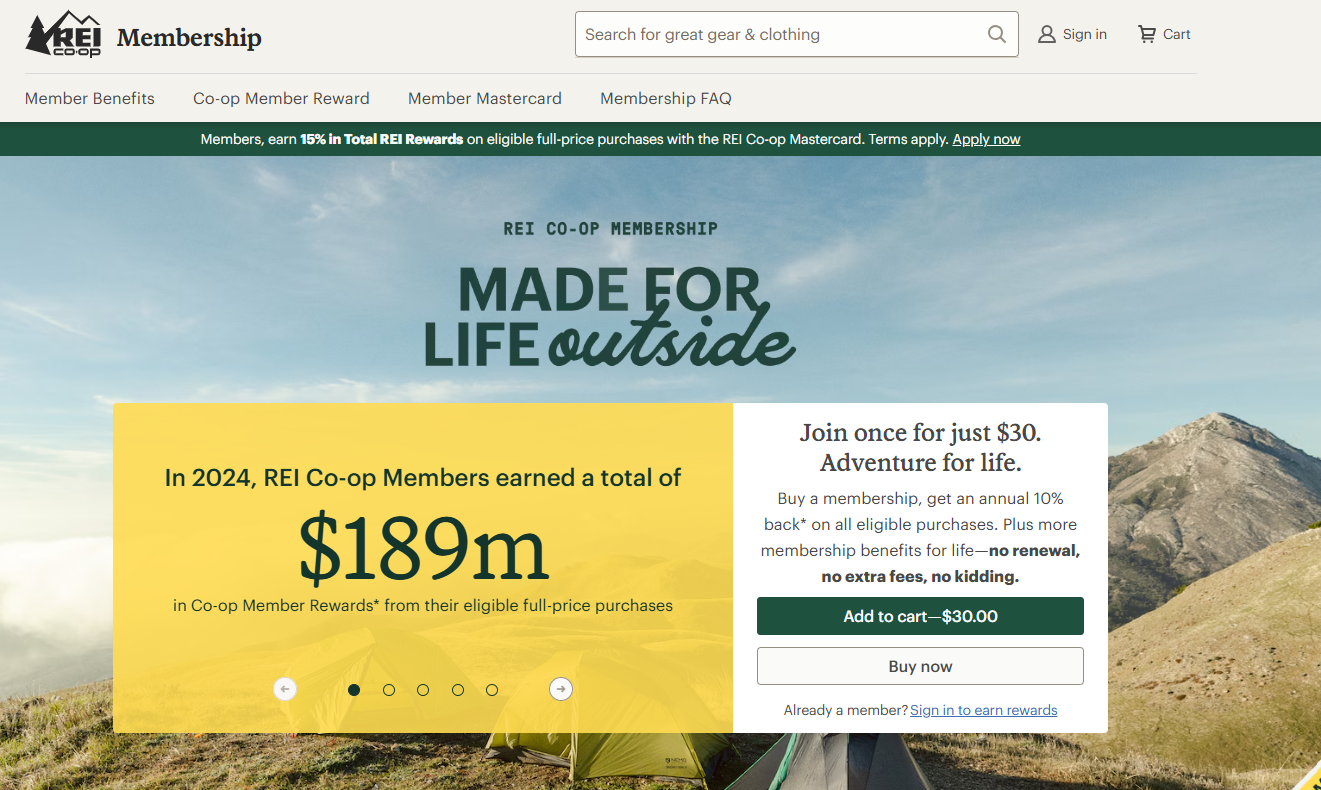
Source: REI Co-op
REI Co-op offers a unique loyalty model through its one-time paid membership, giving customers lifetime access to exclusive benefits. Members receive special pricing, access to member-only events, and an annual dividend based on their purchases. This approach creates a sense of ownership and community, making customers feel like part of the brand rather than just buyers. The one-time fee lowers the barrier to entry while still fostering strong, long-term engagement and repeat purchases.

Source: Barnes & Noble
Barnes & Noble Premium Membership is designed for frequent shoppers who want consistent savings and added convenience. For an annual fee, members receive benefits like discounts on purchases, free shipping, and access to special offers. This program appeals to loyal readers by providing ongoing value with every transaction. Rewarding repeat purchases encourages customers to return regularly, strengthening both retention and overall spending.
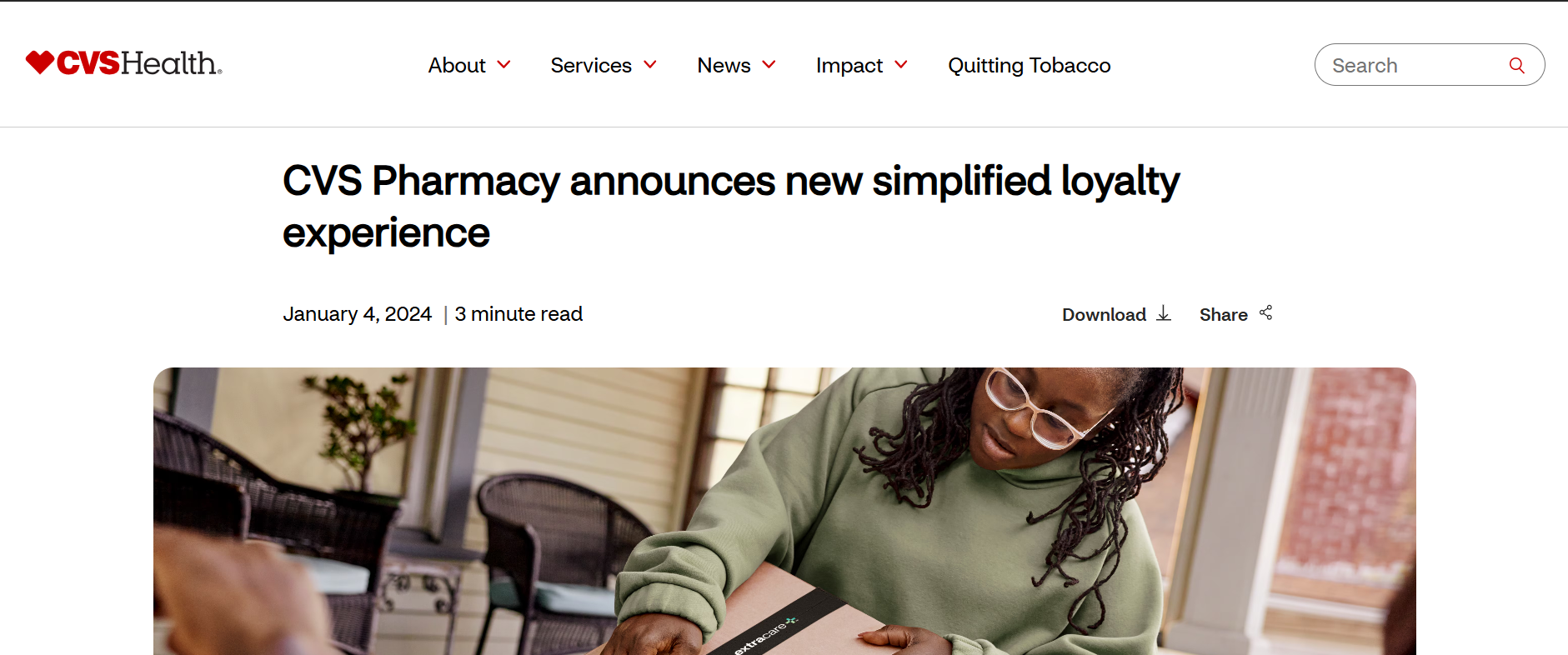
Source: CVS CarePass
CVS CarePass operates as a hybrid loyalty model, combining a free program with an optional paid tier that unlocks additional benefits. Members receive perks such as free prescription delivery, discounts on CVS Health products, and monthly promotional rewards. This layered approach allows customers to engage at their own level while offering a clear path to greater value. It effectively bridges traditional loyalty programs and subscription models, increasing both participation and long-term customer retention.
Yes, combining loyalty and membership programs into a hybrid model can deliver exceptional results. This approach allows you to cater to your entire customer base while creating a special tier for your most dedicated fans. A free loyalty card program can serve as a foundational layer, engaging a broad audience and funneling them into a paid membership tier.
This strategy maximizes both customer engagement and revenue. You can use insights from your free program to design compelling paid perks, creating a seamless path for customers to deepen their loyalty. This combination offers the best of both worlds.
Hybrid loyalty models combine traditional rewards systems with membership-based benefits to create a more dynamic and engaging customer experience. Instead of relying solely on points or discounts, these models integrate multiple value layers such as exclusive perks, experiences, and tier-based rewards. This ensures that both occasional shoppers and highly engaged customers find value in the program. By offering a mix of benefits, businesses can strengthen emotional connections, increase participation, and create a more comprehensive loyalty ecosystem that supports long-term growth.
Layering paid perks on top of a free loyalty program is an effective way to build a strong hybrid model. The free program acts as an entry point, helping businesses acquire and engage customers, while the paid tier provides enhanced benefits for those willing to invest more in the brand. By analyzing customer behavior within the free program, businesses can identify which perks are most appealing and turn them into premium offerings. This makes the transition to a paid membership feel like a natural upgrade, encouraging customers to move up the value ladder without friction.
A hybrid loyalty strategy is highly effective at maximizing both engagement and revenue by simultaneously serving different customer needs. The free program keeps a broad audience engaged, encourages repeat purchases, and generates valuable customer data. The paid membership tier then converts the most engaged users into a source of recurring revenue by offering exclusive, high-value benefits. This dual approach creates a strong retention engine, where one layer drives volume and the other drives profitability, resulting in a more balanced and sustainable growth model.
One of the key advantages of a hybrid model is its ability to target different customer segments with tailored value propositions. New or occasional customers can benefit from a free program that is easy to join and offers immediate value, while loyal and high-spending customers can access premium experiences through a paid tier. Mid-tier customers can be nurtured through the free program and gradually encouraged to upgrade. This segmented approach ensures that every customer group receives relevant benefits, improving satisfaction, engagement, and overall loyalty.
Also Read: How Lifetime Technologies went from a Single Additive to System Kits.
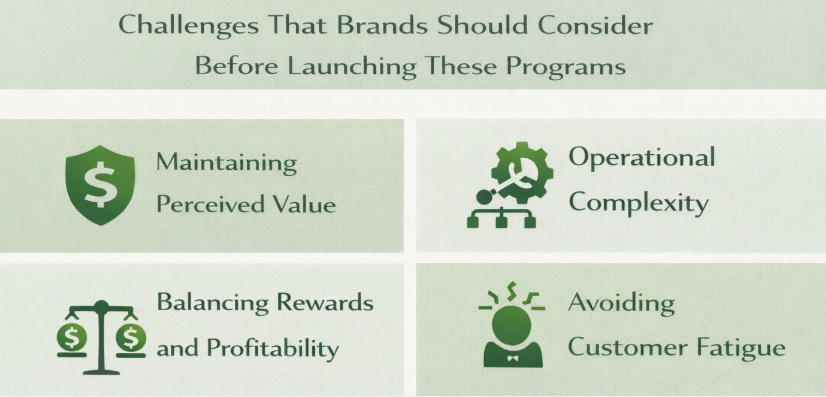
Before launching a loyalty or membership program, brands must consider several challenges. A primary concern is maintaining the perceived value of the rewards over time to avoid customer fatigue. Operational complexity, including integration with existing systems and customer service management, is another significant hurdle. Whether you choose a loyalty or membership program, you need a clear strategy to ensure the benefits you offer are sustainable and that the program contributes positively to your bottom line.
Maintaining the perceived value of a loyalty or membership program is critical for long-term engagement. While rewards may feel exciting at launch, their appeal can fade if they are not refreshed or improved over time. Customers may come to see points or perks as less meaningful, reducing motivation to participate. To keep the program engaging, brands need to continually introduce new rewards, exclusive benefits, or surprise elements to keep the experience fresh. Consistently delivering value ensures customers remain interested and invested in the program.
Implementing a loyalty or membership program entails operational challenges that require careful planning and adequate resources. Loyalty programs need systems to track points, manage redemptions, and integrate with ecommerce platforms, while membership programs add further complexity with recurring billing and premium service expectations. Managing these systems, along with training staff to handle customer queries, can be demanding. Without proper execution, operational issues can undermine the customer experience and diminish the program's effectiveness.
Finding the right balance between attractive rewards and profitability is one of the most critical challenges. Offering overly generous rewards can reduce profit margins, while limited incentives may fail to drive engagement. Brands need to carefully evaluate the cost of rewards, discounts, and program benefits in relation to the revenue generated. A well-balanced program ensures that customers feel rewarded while the business maintains healthy margins and long-term sustainability.
Customer fatigue is a common risk, especially as more brands introduce loyalty and membership programs. If a program feels too complex or fails to deliver clear value, customers may lose interest and disengage. Long reward cycles, complicated rules, or repetitive benefits can reduce participation over time. To avoid this, brands should focus on simplicity, clear communication, and achievable rewards. Regularly updating the program and gathering customer feedback helps keep the experience relevant and engaging, ensuring continued participation.
Also Read: How to Build Expertise in Loyalty Segmentation?

Choosing the right program requires a deep understanding of your brand, your audience, and your business goals. Start by analyzing your customer data to understand their purchase behavior and motivations. Ultimately, the decision between a loyalty program and a membership program should be guided by which model best serves your target customer base and supports your long-term growth strategy. Evaluate your resources, consider scalability, and choose the program that will create the most meaningful and sustainable connections with your customers.
The first step in selecting the right program is understanding how your customers behave. Look at whether they make frequent, small purchases or shop occasionally with higher-order values. These patterns help determine what type of program will feel most rewarding to them. By identifying your most loyal customers and what they value, you can design a program that resonates with your core audience. Gathering direct feedback through surveys or customer insights can further ensure that your strategy is based on real preferences rather than assumptions.
Your loyalty or membership program should reflect your brand’s identity. If your brand focuses on affordability and everyday value, a simple and accessible loyalty program works best. On the other hand, if your brand is positioned as premium or exclusive, a membership program is more suitable as it reinforces that experience. Aligning your program with your brand positioning ensures consistency and strengthens how customers perceive your value in the market.
It is important to consider how your program will scale as your business grows. A program that works well in the early stages may become difficult to manage with a larger customer base. Choosing the right technology and structure from the start can help you avoid limitations later. While loyalty programs are often easier to launch and scale initially, membership programs can also scale effectively when supported by strong infrastructure and recurring revenue. In some cases, a hybrid approach can offer flexibility and long-term growth potential.
Launching your program is just the beginning, and continuous improvement is key to long-term success. You should regularly track performance metrics such as enrollment rates, redemption rates, purchase frequency, and customer lifetime value. These insights help you understand what is working and where improvements are needed. Experimenting with different rewards, communication strategies, and program structures allows you to refine your approach over time. By consistently testing and optimizing, you can keep your program relevant, engaging, and aligned with evolving customer expectations.
Also Read: How a Premier Portuguese Winery Cultivated a +16.80% AOV Lift.
Choosing between member rewards and other loyalty programs depends on your goals and the kind of customer experience you want to deliver. Basic rewards programs are simple and effective for driving quick engagement, while VIP tier systems like the Kefi Loyalty Program, VIP Tier focus on long-term retention by offering exclusive, tier-based benefits that encourage customers to stay engaged and spend more. Kefi allows you to combine both approaches, giving you flexibility to offer entry-level rewards alongside premium perks for high-value customers. This makes it easier to scale your strategy, personalize experiences, and build stronger customer relationships over time. By analyzing customer behavior and segment performance, you can continuously optimize your loyalty approach. This ensures your program stays relevant, competitive, and aligned with evolving customer expectations.
Book a Demo to see how Kefi Loyalty Program, VIP Tier works.
In weighing the merits of membership rewards versus other loyalty programs, critical elements emerge that can significantly enhance customer engagement and retention. Membership benefits often provide unique perks, such as early access to new products and exclusive promotions, that resonate with your loyal customers. These offerings can create emotional connections, thus driving repeat purchases. Ultimately, the right choice aligns with a businesses’ vision and marketing strategy, fostering a comprehensive loyalty ecosystem that caters to both casual and loyal customer bases.
Loyalty cards typically offer points or rewards for purchases, encouraging repeat business, while membership cards provide exclusive access to benefits and services not available to non-members. Understanding these differences helps in choosing a program to maximize perks.
A pay-to-join membership card can enhance retention by creating a sense of exclusivity and commitment among members. In contrast, standard loyalty programs may not foster the same level of engagement, making the former potentially more effective for building long-term customer loyalty.
Loyalty cards often have no upfront fees but may include hidden costs, such as redemption restrictions. In contrast, membership cards usually require an annual fee but offer more extensive benefits and rewards, making them potentially more valuable depending on usage patterns.
Loyalty programs typically offer rewards based on spending and engagement, while membership programs often provide exclusive access or benefits. Customers may prefer loyalty programs for immediate rewards, whereas membership programs can deliver long-term value through perks such as personalized services and premium offerings.
A membership and loyalty platform is a tool that helps businesses manage customer rewards, tiers, and engagement strategies in one place. It allows brands to create programs that drive repeat purchases and long-term relationships. These platforms often include features like points, VIP tiers, and customer segmentation.
A loyalty card typically rewards customers with points or discounts for repeat purchases, making it simple and transactional. A membership card, on the other hand, often requires a fee or commitment and offers exclusive perks such as premium access and special benefits. The key difference lies in value depth and customer commitment.
Loyalty and membership program integration combines free reward systems with paid or premium tiers to create a unified experience. Customers can start with a basic loyalty program and upgrade to a membership for added benefits. This approach increases engagement while also unlocking recurring revenue opportunities.
Loyalty programs reward repeat behavior with points, discounts, or cash back, encouraging frequent purchases. Membership programs, however, emphasize exclusivity and added value, often through paid access to premium benefits. While loyalty drives transactions, membership builds deeper, long-term relationships.
The best membership and loyalty card app is one that offers flexibility, customization, and seamless integration with your store. It should support features like rewards, VIP tiers, and customer segmentation. For businesses looking for an all-in-one solution, the Kefi Loyalty Program is a strong option, combining loyalty rewards with tier-based memberships on a single platform.
Comparing membership rewards with those of other loyalty programs depends on the value offered and customers' goals. Membership rewards often provide premium, exclusive benefits, while traditional loyalty programs focus on frequent, smaller incentives. The best approach is to evaluate which model drives more engagement, retention, and long-term customer value.
.svg)
