
In today's competitive market, retaining your existing customer base is just as critical as acquiring new ones. An effective loyalty program is a powerful tool for enhancing the customer experience and encouraging repeat business. These strategic marketing initiatives offer rewards and incentives that build stronger customer relationships and foster long-term loyalty. By implementing a well-structured rewards program, you can significantly boost customer satisfaction, drive revenue, and create a community of dedicated brand advocates who feel valued with every purchase.
A loyalty program is a marketing strategy designed to reward customers for their repeat business, thereby encouraging them to continue purchasing from a brand. The fundamental goal is to build brand loyalty and improve customer retention. By offering special perks, discounts, or exclusive access, these programs make your customer base feel valued and appreciated. This sense of appreciation is a powerful motivator that can transform a one-time buyer into a long-term advocate for your business.
So, how do loyalty programs work to attract and retain customers? They operate on a simple principle of incentive. A rewards program gives customers a tangible reason to choose your brand over competitors. Whether through earning points for purchases, receiving special offers, or unlocking new benefits, customers are motivated by progress toward a goal. This structured system of rewards not only encourages repeat purchases but also creates an emotional connection, which is crucial for lasting customer loyalty and a strong ecommerce post-purchase experience.

Loyalty programs enhance customer retention among members by rewarding repeat purchases, fostering emotional connections, and increasing customer lifetime value. They can also provide valuable insights into customer behavior, allowing for personalized marketing strategies that further engage shoppers and encourage brand loyalty.
A primary advantage of a loyalty program and referral programs is their strong impact on customer retention. Many consumers are more likely to continue purchasing from brands that offer rewards or loyalty benefits because these programs make them feel valued beyond individual transactions. By providing incentives for repeat purchases, businesses encourage customers to return rather than explore competitors, gradually turning occasional buyers into long-term loyal customers.
Loyalty programs are a great way to increase customer lifetime value because members tend to purchase more frequently and spend more over time. Customers are often motivated to reach reward milestones or unlock exclusive benefits, which encourages continued spending. This approach helps businesses build stronger long-term relationships while generating higher overall revenue from each customer.
Ecommerce loyalty programs improve customer engagement by creating more opportunities for interaction beyond the initial purchase. Online retailers allow customers to earn rewards for actions such as writing reviews, referring friends, or sharing content on social media, which keeps them actively involved with the brand. These interactions strengthen the connection between the customer and the business while keeping the brand top of mind.
A well-designed loyalty program encourages customers to spend more by offering rewards tied to spending thresholds or exclusive benefits. For example, bonus points, free shipping, or special perks after reaching a certain cart value can motivate shoppers to add more items to their orders. Customers are often willing to increase their purchase size when they see that spending slightly more can unlock better rewards. Over time, these incentives help increase average order value while encouraging consistent repeat purchases from loyal customers.
Also Read: What are the Best Loyalty Apps for Shopify Growth?
Choosing the right type of loyalty program is fundamental to achieving your customer retention goals. A successful rewards program not only encourages repeat purchases but also deepens brand loyalty by making customers feel appreciated. The structure you select should align with your business model, customer behavior, and overall brand identity.
Let's explore some of the most effective models available today.
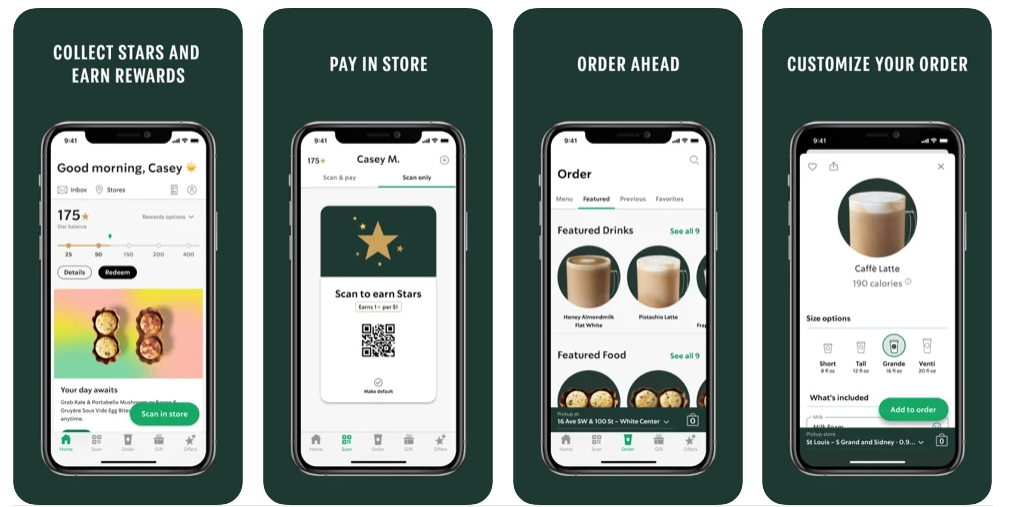
Source: Starbucks
One of the most traditional and widely adopted loyalty program structures is the points-based model. This rewards program operates on a simple "earn and burn" principle: customers collect loyalty points for specific actions, most commonly for every dollar spent. Once a customer accumulates a certain number of points, they can redeem them for discounts, free products, or other rewards.
The primary appeal of a point system is its simplicity and transparency. Customers can easily track their progress toward a reward, which motivates them to continue engaging with your brand. This structure is highly effective for businesses with frequent, small transactions, as it gives customers a tangible incentive to return. However, if the redemption threshold is too high, it can lead to delayed gratification and potential disinterest.
The main benefits of this model include:

Source: Marriott
Tiered loyalty programs segment customers into different levels based on their spending or engagement. As customers spend more or interact more frequently, they ascend to higher tiers, unlocking progressively more valuable and exclusive benefits. This structure gamifies the loyalty experience, creating a sense of achievement and status that drives strong brand loyalty.
These tiered programs are highly motivational. The allure of reaching the next level and accessing coveted rewards incentivizes customers to increase their spending and consolidate their purchases with your brand. Higher tiers often come with special recognition, such as unique titles or badges, which enhances the customer's ego and encourages word-of-mouth marketing. The key is to ensure the benefits at each level are compelling and clearly communicated.
Some of the key advantages are:

Source: Axis Bank
Cashback loyalty programs offer customers a direct monetary reward, typically a percentage of their total purchase amount returned as cash or store credit. This model is one of the most consumer-preferred types of rewards programs due to its straightforwardness and tangible value. It provides instant gratification, as customers see an immediate financial benefit from their purchases.
The simplicity of cashback programs is their greatest strength. There are no complex point conversions or redemption catalogs to navigate; customers understand that spending more directly results in earning more back. This direct value proposition is highly effective at encouraging repeat purchases. It can be a powerful tool for increasing average order value, especially when combined with promotional offers such as higher cashback rates on certain products or during specific periods.
While highly appealing, this model can sometimes foster transactional loyalty rather than a deep emotional connection. Customers may be attracted to the best deal rather than a specific brand, and businesses must carefully manage profit margins to ensure the program remains sustainable.

Source: Amazon Prime
A subscription-based loyalty program, also known as a paid or premium program, requires customers to pay a recurring membership fee. In exchange, they gain access to a suite of exclusive perks unavailable to non-subscribers. This model has gained significant popularity, as it creates a predictable revenue stream for the business while providing immediate and ongoing value to its most committed customers.
The success of this membership program hinges on a compelling value proposition. The benefits offered must clearly outweigh the membership fee. This often includes high-value perks like free shipping, priority customer service, exclusive content, or early access to sales and new products. When executed well, these programs significantly increase customer lifetime value, as members are more likely to increase their spending to maximize their investment.
Key benefits of this approach include:
Source: Spotify
Coalition loyalty programs, also known as loyalty partnerships, involve a collaboration between multiple, often non-competing, brands that share a single rewards program. This program type allows customers to earn points or rewards from any participating brand and redeem them across the network. This creates a powerful ecosystem that offers customers greater flexibility and value.
By pooling resources, participating brands can tap into each other's customer base, creating significant cross-promotional opportunities and expanding their reach without high acquisition costs. For customers, the ability to earn rewards on everyday purchases like groceries and then redeem them for a flight or hotel stay makes the program highly attractive and engaging.
However, coalition programs come with their own challenges:
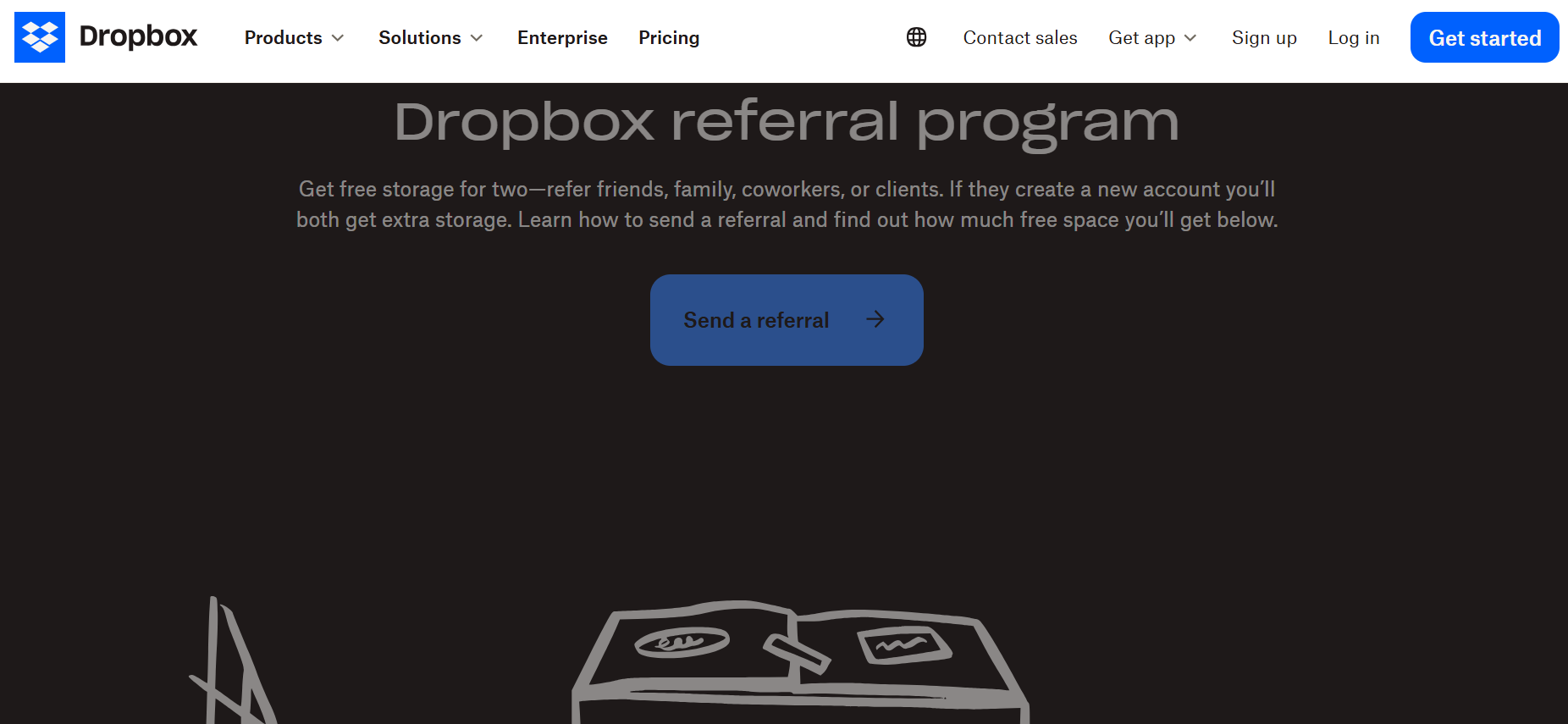
Source: Dropbox
Referral loyalty programs turn your most satisfied customers into powerful brand advocates. This rewards program incentivizes existing customers to recommend your products or services to new customers. Typically, both the referrer and the new customer receive a reward such as a discount, store credit, or bonus points once the new customer makes a purchase.
This model is particularly effective because it leverages the power of word-of-mouth marketing, which is one of the most trusted forms of advertising. A recommendation from a friend or family member carries more weight than a traditional ad, leading to higher conversion rates and lower customer acquisition costs. It's a great way to grow your customer base with qualified leads.
To be successful, referral programs must be simple to use and the rewards must be valuable enough to motivate action. The process for sharing a referral link or code should be seamless, and the rewards should be delivered promptly upon a successful conversion. This ensures a positive experience for both the advocate and the new customer.
Also Read: How to Increase Loyalty Program Sign Up Rates Effectively?
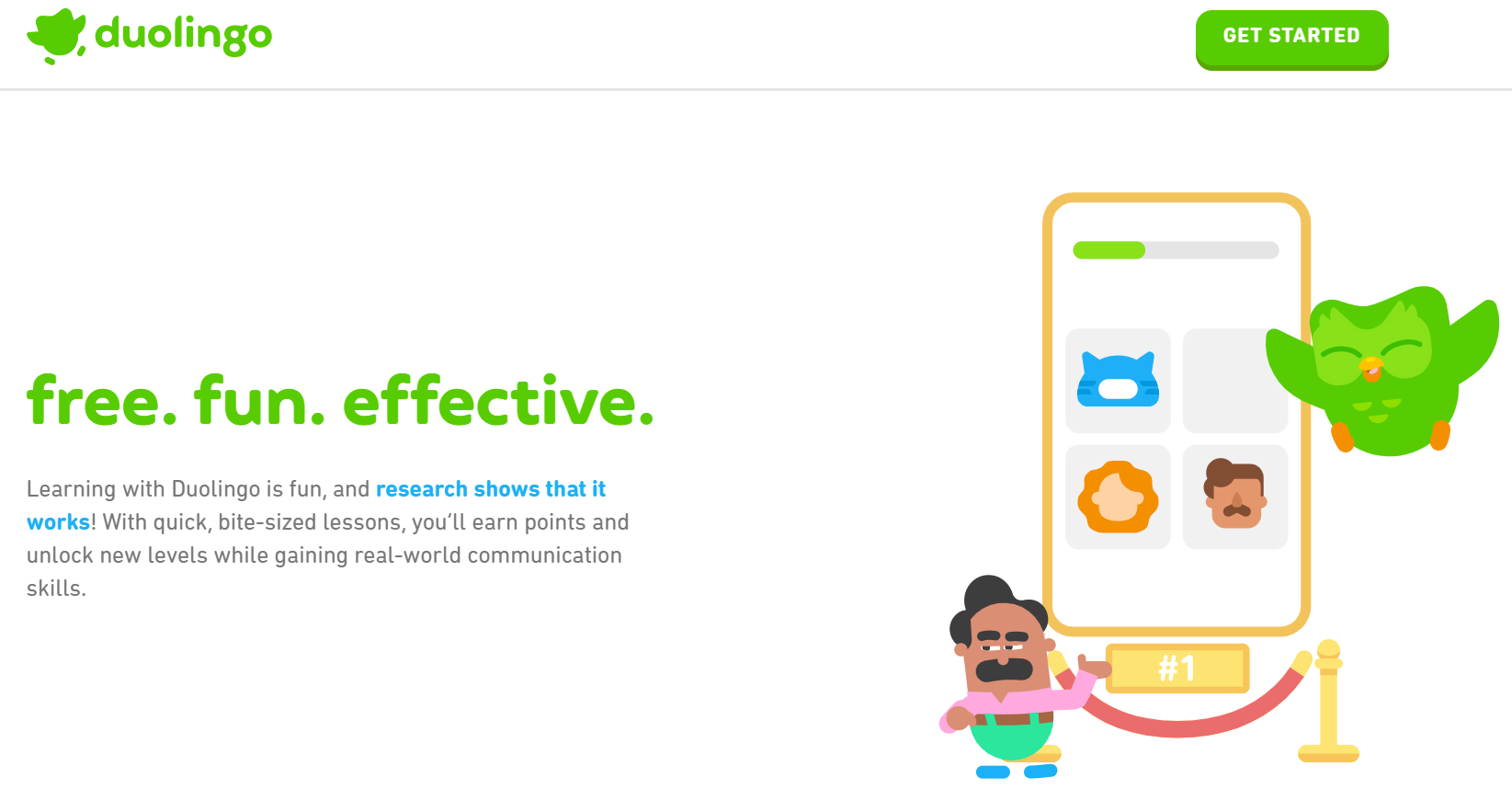
Source: Duolingo
Gamified loyalty programs use elements from games such as challenges, badges, leaderboards, and progress bars to make the loyalty experience more interactive and entertaining. This loyalty strategy focuses on boosting customer engagement by transforming the process of earning rewards into a fun and compelling activity. It goes beyond simple transactional rewards to create memorable brand interactions.
Instead of just earning points for purchases, customers might complete challenges, reach new levels, or compete with other members. These gamified rewards can include digital badges, exclusive content, or other experiential rewards that add excitement. This approach is highly effective at encouraging frequent interaction with your brand, both online and in-app.
The benefits are clear, but there are considerations:

Source: H&M
Discount-based loyalty programs are a straightforward way to incentivize repeat purchases by offering members exclusive discounts. Instead of accumulating points or earning cashback, members receive immediate price reductions on their current or future purchases. This program type is easy for customers to understand and provides an immediate, tangible benefit.
These programs can be structured in various ways. Some offer members a consistent discount on all purchases, while others provide access to special members-only sales or rotating promotional offers. The primary goal is to create a sense of urgency and encourage customers to buy now to take advantage of the savings. This is particularly effective for driving sales volume and clearing inventory.
While a great way to boost short-term sales, overreliance on discounts can sometimes devalue a brand in consumers' eyes. It's important to balance these offers with other value-added benefits to build long-term loyalty rather than just attracting deal-seekers. This helps maximize customer lifetime value beyond simple price incentives.

Source: Zappos VIP
Perks or exclusive access loyalty programs reward loyal customers with benefits that enhance their overall experience, often unrelated to direct discounts or points. These programs focus on making members feel valued and special by offering exclusive perks not available to the general public. This could include benefits like free shipping, priority customer service, or extended return policies.
The goal of this program type is to enrich the customer journey and build loyalty through convenience and elevated service. Instead of a complex system of earning and redeeming, members often gain access to these perks simply by signing up. The simplicity of this model can be highly appealing, as it provides immediate and continuous value without requiring customers to track points or spending.
By offering advantages that improve the post purchase experience, brands can foster a strong sense of appreciation among their loyal customers. These exclusive benefits foster a sense of belonging to a club, which can be a powerful driver of retention and advocacy.
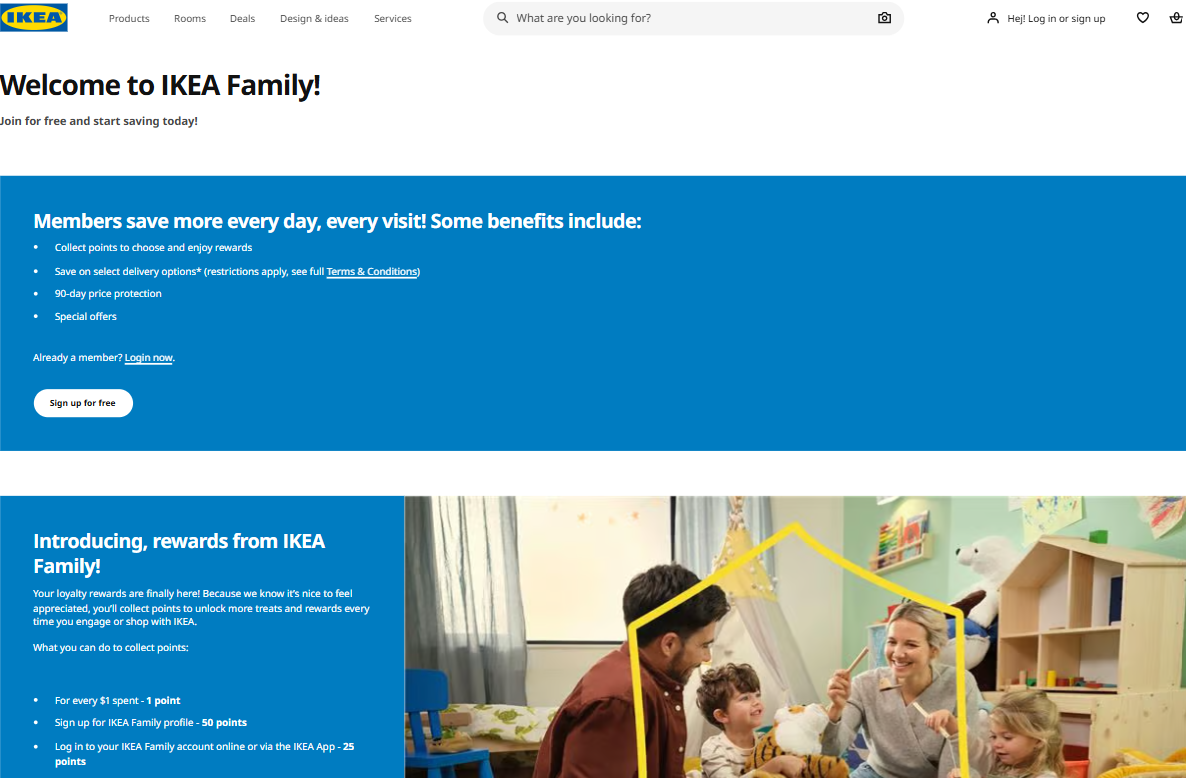
Source: Ikea
Community-based loyalty programs focus on building connections between customers who share a passion for the brand. This approach builds loyalty through a sense of belonging and shared interest rather than purely transactional rewards. These programs often leverage social media, online forums, and exclusive events to create a space where brand advocates can connect with the brand itself.
The value of this model lies in fostering an active and engaged community. Members might be encouraged to share user-generated content, participate in discussions, or attend brand-hosted masterclasses and workshops. By creating these opportunities for interaction, brands can cultivate a loyal following that feels personally invested in the brand's success.
This type of program also provides a rich source of customer data and feedback. By listening to the conversations happening within the community, brands can gain valuable insights into customer preferences and pain points. This allows for more targeted product development and marketing efforts, further strengthening the bond with the community.
Also Read: How The Chosen Cultivated a Community through Curated Merchandise Kits.
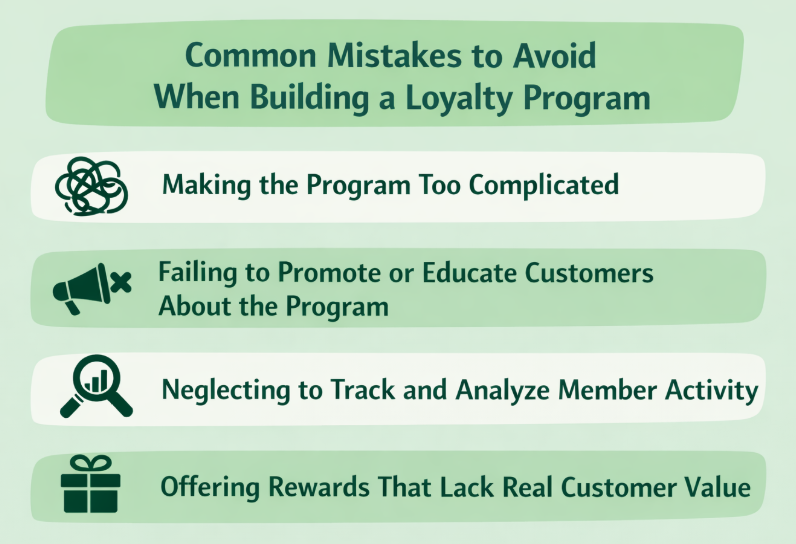
While a loyalty program can be a powerful tool, it can also fall flat if not executed correctly. Many brands make common mistakes that undermine their efforts, waste resources, and fail to deliver real customer value. Understanding these pitfalls is the first step toward avoiding them and building a program that truly resonates with your audience. Let's explore some of the most frequent mistakes to avoid.
One of the biggest mistakes businesses make is creating a loyalty program that is difficult to understand or use. If customers struggle to figure out how to earn points or redeem rewards, they are likely to lose interest quickly. A simple and transparent structure is key to keeping customers engaged and satisfied. When the process is easy to follow, customers are more likely to participate actively and see value in the program.
Even a well-designed loyalty program can fail if customers are not aware of it or do not understand its benefits. Without proper promotion across channels such as email, the website, and social media, sign-ups and engagement will remain low. It is also important to continuously educate customers about how the program works and what they can gain from it. Clear and consistent communication helps build awareness and encourages ongoing participation.
Ignoring data and performance tracking can limit the effectiveness of your loyalty program. Without monitoring customer behavior, it becomes difficult to understand what is working and what needs improvement. Tracking key metrics such as engagement, redemption rates, and purchase patterns allows you to make informed decisions. A data-driven approach helps you optimize the program and ensure it continues to deliver value.
If the rewards offered do not feel valuable or relevant, customers will have little motivation to engage with the program. Generic or hard-to-redeem rewards can reduce interest and participation over time. It is important to understand what your customers truly want and design rewards that match their preferences. Offering meaningful and achievable incentives makes customers feel appreciated and increases the program's overall success.
Also Read: How a Premier Portuguese Winery Cultivated a +16.80% AOV Lift.
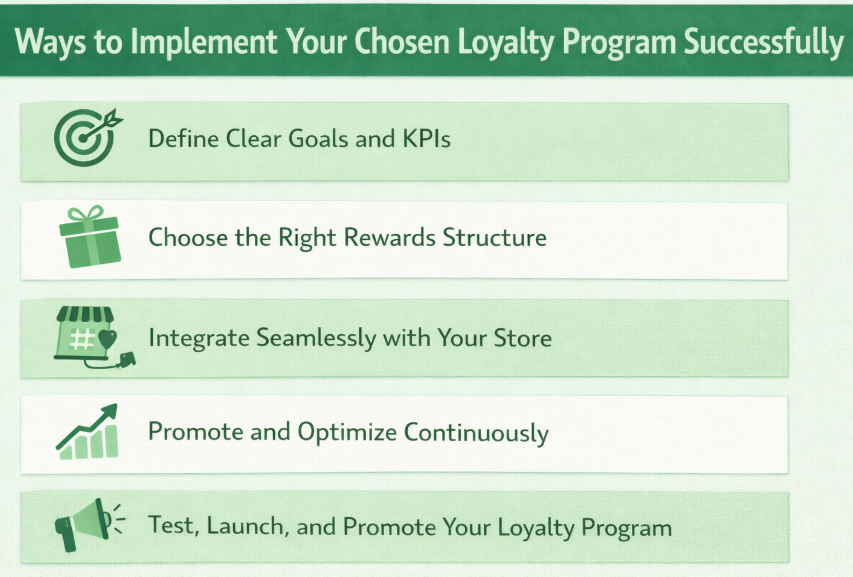
Launching a loyalty program is just the beginning. To ensure it drives customer retention and attracts new customers, you need a solid implementation plan. A successful launch requires a clear loyalty strategy that outlines your goals, rewards, and promotional efforts. Simply having a program is not enough; its success hinges on how well it is executed and integrated into your business operations. Let's walk through the key steps to implement your chosen program effectively.
Before launching your loyalty program, it is important to define what success looks like clearly. Setting specific goals and measurable KPIs helps you track performance and ensures the program aligns with your overall business objectives. Whether you aim to increase customer retention, boost average order value, or improve purchase frequency, each goal should be clearly outlined and time-bound so you can evaluate results effectively.
The rewards you offer play a major role in determining how successful your program will be. They should be appealing enough to motivate customers while still being financially sustainable for your business. It is important to understand what your customers value most and design rewards accordingly, whether that is discounts, free products, or exclusive perks. A balanced mix of easily achievable rewards and higher-value incentives can keep customers engaged over time.
A smooth and hassle-free experience is essential for both customers and your team. Your loyalty program should integrate well with your existing systems so that earning and redeeming rewards feel effortless. If the process is complicated or slow, it can discourage participation. Proper staff training and testing the system before launch can help ensure everything runs efficiently, even during busy periods.
Simply launching a loyalty program is not enough; you need to promote it to drive awareness and participation actively. Use multiple channels, such as email, social media, and in-store communication, to inform customers about the program. Once it is live, regularly monitor its performance and gather feedback to make improvements. Continuous optimization helps keep the program relevant and ensures it delivers long-term value for both your business and your customers.
Also Read: How Metalbird drove consistent growth across 8 stores.
Winning in today's market means creating a loyalty program that does more than just offer discounts. With a solution like Kefi Loyalty Program, VIP Tier, you can design a sophisticated loyalty program with a VIP tier that truly sets your brand apart. A VIP tier allows you to identify and reward your most valuable customers, making them feel genuinely appreciated. By offering them exclusive access to products, private sales, and personalized services, you create an aspirational goal that motivates other customers to increase their spending and engagement.
Kefi empowers you to implement experiential rewards that forge a deep emotional connection with your top customers. Imagine inviting your VIPs to an exclusive event or offering them a one-on-one styling session. These are the kinds of memorable experiences that transform loyal customers into passionate brand evangelists. By leveraging Kefi's capabilities to build a robust VIP tier, you can maximize customer engagement, enhance the post purchase experience, and drive sustainable, long-term growth.
Book a Demo to see how Kefi Loyalty Program, VIP Tier works.
Implementing the right type of loyalty program can significantly enhance customer retention for your business. By understanding and leveraging a range of structures, from points-based to gamified programs, you can tailor your approach to meet your customers' unique needs. Successful brands like Starbucks and Amazon have shown that well-designed loyalty initiatives foster a deeper connection with consumers, encouraging repeat purchases and brand advocacy. As you evaluate which loyalty program best aligns with your business model and customer preferences, remember that the key lies in creating value and delivering engaging experiences. If you're ready to elevate your customer retention strategy, consider exploring our Kefi Loyalty Program or VIP Tier for comprehensive support and insights.
Businesses today use various types of loyalty programs, including points-based, tiered, cashback, and paid membership models. The chosen program type depends on the customer base and goals. Each rewards program aims to build brand loyalty by offering incentives such as loyalty points, discounts, or exclusive access in exchange for continued patronage.
A tiered loyalty program segments customers into levels. As loyal customers make repeat purchases and spend more, they move to higher tiers, unlocking more exclusive benefits. The primary benefits are increased customer spending, enhanced engagement, and the creation of a VIP experience that fosters strong, long-term loyalty.
Today's main types of loyalty programs include points-based, tiered, cashback, subscription, and value-based models. Each program type offers a different loyalty strategy to enhance the shopping experience and boost customer engagement. The choice depends on a company's goals, industry, and what resonates most with its specific customer base.
A points-based rewards program allows customers to earn loyalty points that they can redeem for various rewards, encouraging long-term engagement. In contrast, cashback programs provide direct monetary returns on purchases, offering instant gratification. The point system is aspirational, while cashback is a direct financial incentive.
Features like personalization, exclusivity, and community building make a loyalty program more effective. Offering access to exclusive products or experiential rewards creates an emotional connection. These elements boost customer engagement beyond simple transactions, fostering a deeper sense of brand loyalty that is crucial for long-term retention.
Partner or coalition loyalty programs involve multiple businesses collaborating to offer shared rewards, enhancing customer engagement. Customers earn points across participating brands, fostering cross-promotion and increasing overall retention. This collaborative approach drives sales for all partners while providing greater value to customers.
There are several types of loyalty programs, including points-based, tiered, cashback, subscription-based, and referral programs. Each type is designed to reward customers in different ways based on their engagement and spending behavior.
Businesses can choose from various customer loyalty programs such as points systems, VIP tiers, paid memberships, and value-based programs. The right choice depends on your business goals and how you want to engage your customers.
For customer retention, tiered programs and points-based systems work especially well as they encourage repeat purchases and long-term engagement. Programs that offer personalized rewards and exclusive perks tend to retain customers more effectively.
Loyalty program rewards can include discounts, cashback, free products, early access to sales, and exclusive experiences. Choosing the right reward type depends on what your customers value most and what motivates them to return.
.svg)
