
In the competitive landscape of ecommerce, the focus is often on acquiring new customers. However, the true key to sustainable growth for your ecommerce business lies in cultivating brand loyalty. Building strong relationships with the customers you already have is not just a smart tactic; it's a core business strategy. This guide explores how to move beyond transactional relationships to build genuine loyalty, improve customer satisfaction, and create a system that fosters long-term growth and profitability.
Ecommerce brand loyalty refers to the behavior of online shoppers who consistently choose to purchase from a specific brand rather than its competitors. This isn't about a single transaction; it's the result of a strong, long-lasting relationship built on trust, satisfaction, and a superior customer experience. When customers are loyal, they see your brand as their go-to source, bypassing other options without a second thought.
This deep-seated preference is rooted in customer behavior and an emotional connection. Loyal customers feel a sense of alignment with your brand's values and mission. It's this connection that transforms them from simple purchasers into passionate advocates. They don't just buy your products; they believe in your brand, making them your most valuable asset in a crowded digital marketplace.
While often used interchangeably, brand loyalty and customer retention represent different aspects of the customer relationship. Customer retention is a metric that measures the rate at which you keep customers over a specific period. It focuses on the transactional behavior of repeat customers, they continue to buy from you, perhaps due to convenience, price, or a lack of better options.
Brand loyalty, on the other hand, is an emotional commitment. A loyal customer chooses your brand because they want to, not because they have to. They have a positive emotional connection and would actively seek you out, even if a competitor offered a lower price. While customer retention focuses on keeping repeat customers, brand loyalty focuses on creating enthusiastic advocates committed to your brand for the long haul.

Focusing on building a base of loyal customers yields significant advantages that directly impact your bottom line. Loyal customers are the foundation of repeat business, purchasing more frequently and consistently over time. This stability is invaluable in the fluctuating world of ecommerce.
Let's examine the specific benefits in more detail.
One of the most direct benefits of building brand loyalty is increased repeat purchases. Loyal customers don’t just return once; they make your brand part of their regular buying habits, creating consistent, predictable revenue. Over time, this behavior significantly increases customer lifetime value, as these customers tend to spend more, explore new products, and engage more deeply with your brand. When supported by the right loyalty incentives, this ongoing engagement creates a strong cycle in which customers feel valued and continue investing in your brand.
Loyal customers often become your most powerful marketing channel. When people trust and connect with your brand, they naturally share their experiences with friends, family, and their online networks. This kind of word-of-mouth promotion is highly effective because it comes from a place of authenticity and trust. Positive reviews, social media mentions, and referrals not only attract new customers at a lower cost but also strengthen your brand’s credibility. Encouraging referrals through rewards can further amplify this impact while building a stronger sense of community.
Acquiring new customers is becoming increasingly expensive, especially in competitive ecommerce markets. Focusing on loyalty and retention offers a more cost-effective alternative. Retaining existing customers requires less investment and delivers higher returns over time. By encouraging repeat purchases through loyalty initiatives, you reduce dependency on paid acquisition channels. This shift allows you to build a more stable revenue base while maximizing the value of each customer relationship, making your growth strategy more sustainable in the long run.
In a crowded ecommerce space, brand loyalty gives you an edge that competitors cannot easily replicate. While others may match your pricing or products, they cannot duplicate the trust and emotional connection you’ve built with your customers. A strong loyalty strategy builds deeper relationships that keep customers engaged and less likely to switch to alternatives. This not only protects your brand from price wars but also positions your business as a preferred choice, helping you maintain long-term stability and a stronger market presence.
Also Read: How Metalbird drove consistent growth across 8 stores.
Building brand loyalty requires a deliberate and multi-faceted approach. It's about creating a consistently positive experience that makes customers feel valued at every touchpoint. By focusing on rewarding program members and fostering genuine customer engagement, you can cultivate a loyal customer base that drives sustainable growth.
The following proven strategies provide a framework for building strong, lasting customer relationships.

Source: Starbucks
A well-structured loyalty program is one of the most direct ways to incentivize desired behaviors and encourage repeat purchases. The core principle is simple: reward customers for their engagement. This system provides a tangible reason for them to choose your brand again and again.
You can design your loyalty program to reward various actions beyond just purchasing. Customers can earn loyalty points for activities that build your community and brand awareness. These points can then be redeemed for valuable rewards, creating a cycle of engagement.
This structure not only drives repeat business but also increases customer lifetime value. As customers earn and redeem points, their connection to your brand deepens, making them more likely to become long-term, loyal advocates.

Source: Netflix
In a world of endless choices, personalization cuts through the noise. Using customer data to provide tailored product recommendations and personalized offers can significantly enhance the shopping experience. Instead of leaving customers to navigate a vast catalog, you can guide them directly to items they are likely to love.
This level of personalization shows customers that you understand their needs and preferences, making them feel seen and valued. This is a powerful tool for improving the customer journey and fostering loyalty. Simple tools like quizzes can gather preference data while providing immediate value.
By tailoring your communication, you move from generic marketing to building a one-on-one relationship. This relevance makes your brand more helpful and memorable, encouraging customers to return.
Also Read: What are the Best Loyalty Apps for Shopify Growth?

Source: Nike
Exceptional customer service can be the single most important factor in building brand loyalty. A single negative interaction can be enough to lose a customer forever, while a positive experience can create a customer for life. Every interaction is an opportunity to strengthen your relationship and boost customer satisfaction.
Your support team should be empowered to go above and beyond to resolve issues and create a positive experience. This includes being responsive, transparent, and empathetic. Simple gestures, like sending a birthday card or following up after a purchase, can leave a lasting impression.
While rewards programs are effective, they cannot compensate for poor service. When customers know they will be treated with care and respect, they are more likely to forgive minor issues and remain loyal. Consistently excellent service demonstrates that you value your customers as people, not just order numbers.
Source: Ikea
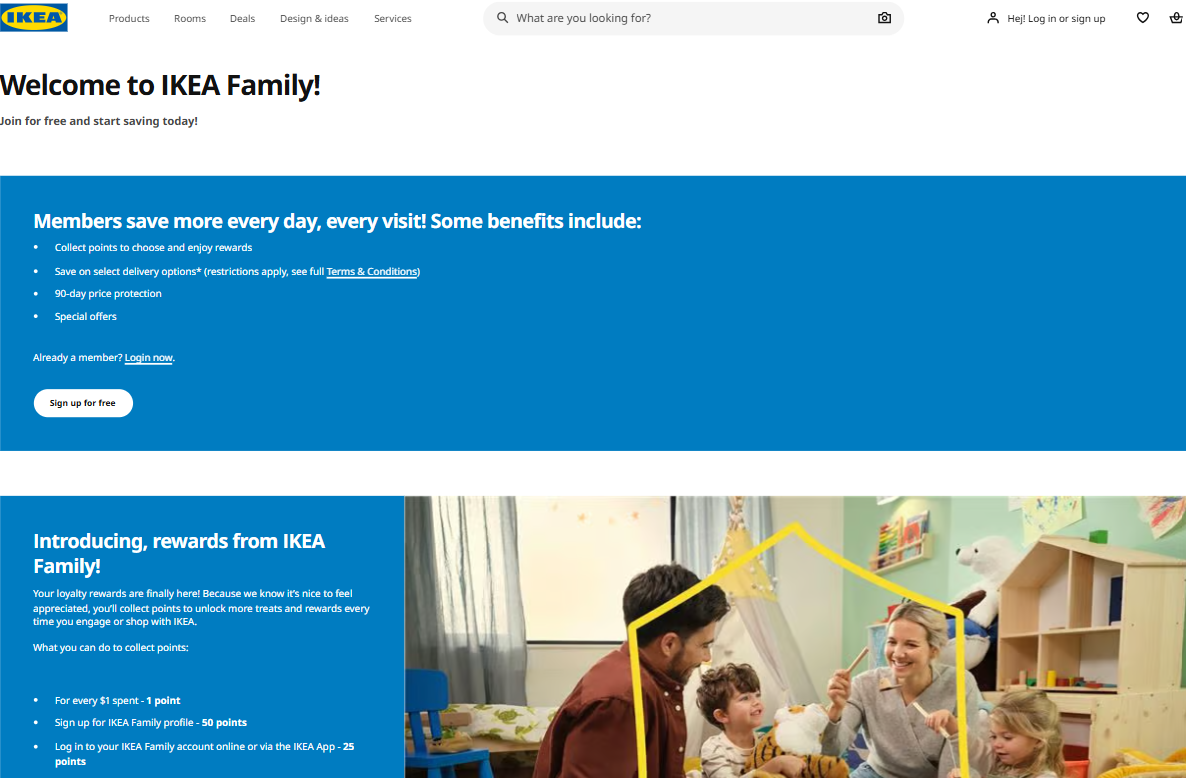
Creating a sense of community around your brand transforms customers into engaged brand advocates. When people feel like they belong to something bigger than just a transactional relationship, their loyalty deepens. This requires identifying where your customers are most active and creating a space for them to connect.
Building a community is about fostering two-way communication. Ask for feedback, share behind-the-scenes content, and make your customers feel like insiders. These initiatives strengthen customer relationships and make them feel invested in your brand's success.
By actively cultivating a community, you create a loyal following that not only shops with you but also participates in your brand's story.
Source: Target
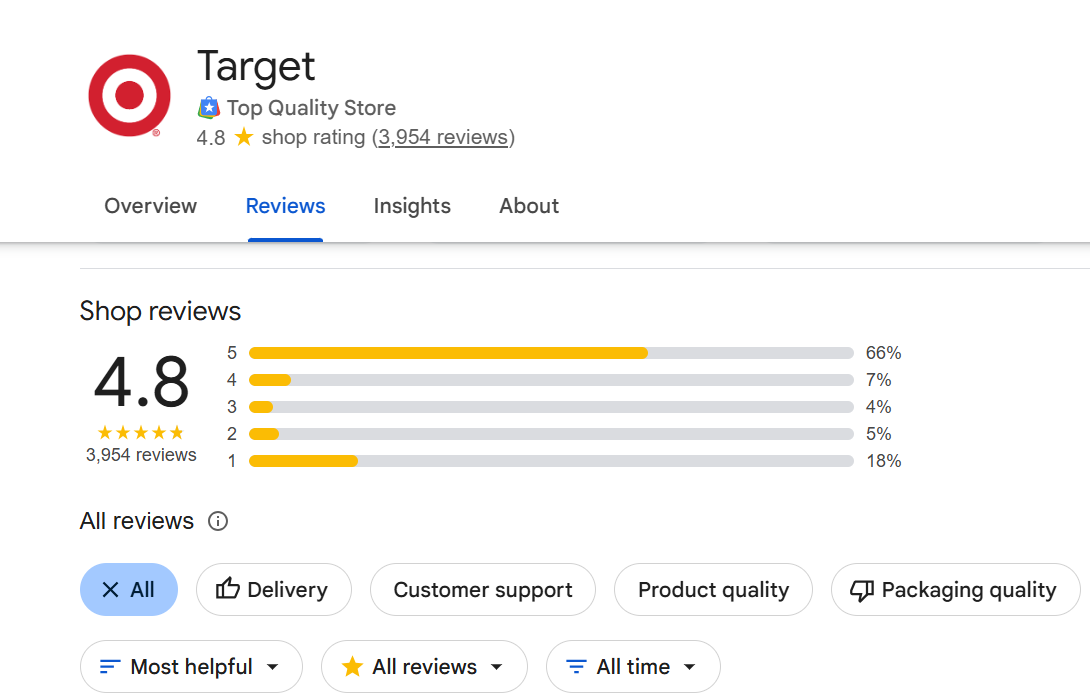
Social proof is a powerful psychological trigger in online shopping. When potential buyers see that others trust and enjoy your products, it builds credibility and reduces purchase anxiety. User-generated content (UGC), such as customer photos and reviews, is one of the most authentic forms of social proof.
Encourage your customers to share their experiences with your products on social media. You can create a branded hashtag and feature the best customer posts on your own channels. This not only provides you with a steady stream of authentic marketing content but also makes your customers feel recognized and appreciated.
By showcasing real customers using your products, you build your brand reputation on a foundation of trust and authenticity. This strategy validates the purchasing decision for new customers and reinforces the sense of community for existing ones, strengthening loyalty across the board.
Also Read: How Lifetime Technologies went from a Single Additive to System Kits.
To stand out, your loyalty program needs to be more than just a discount engine. Creative ideas that offer unique value can capture the attention of program members and build a deeper emotional connection. Moving beyond simple transactional rewards to include experiential rewards or a gamified tiered program can make participation more exciting.
Below are some creative ideas to inspire your own program.
Source: Duolingo
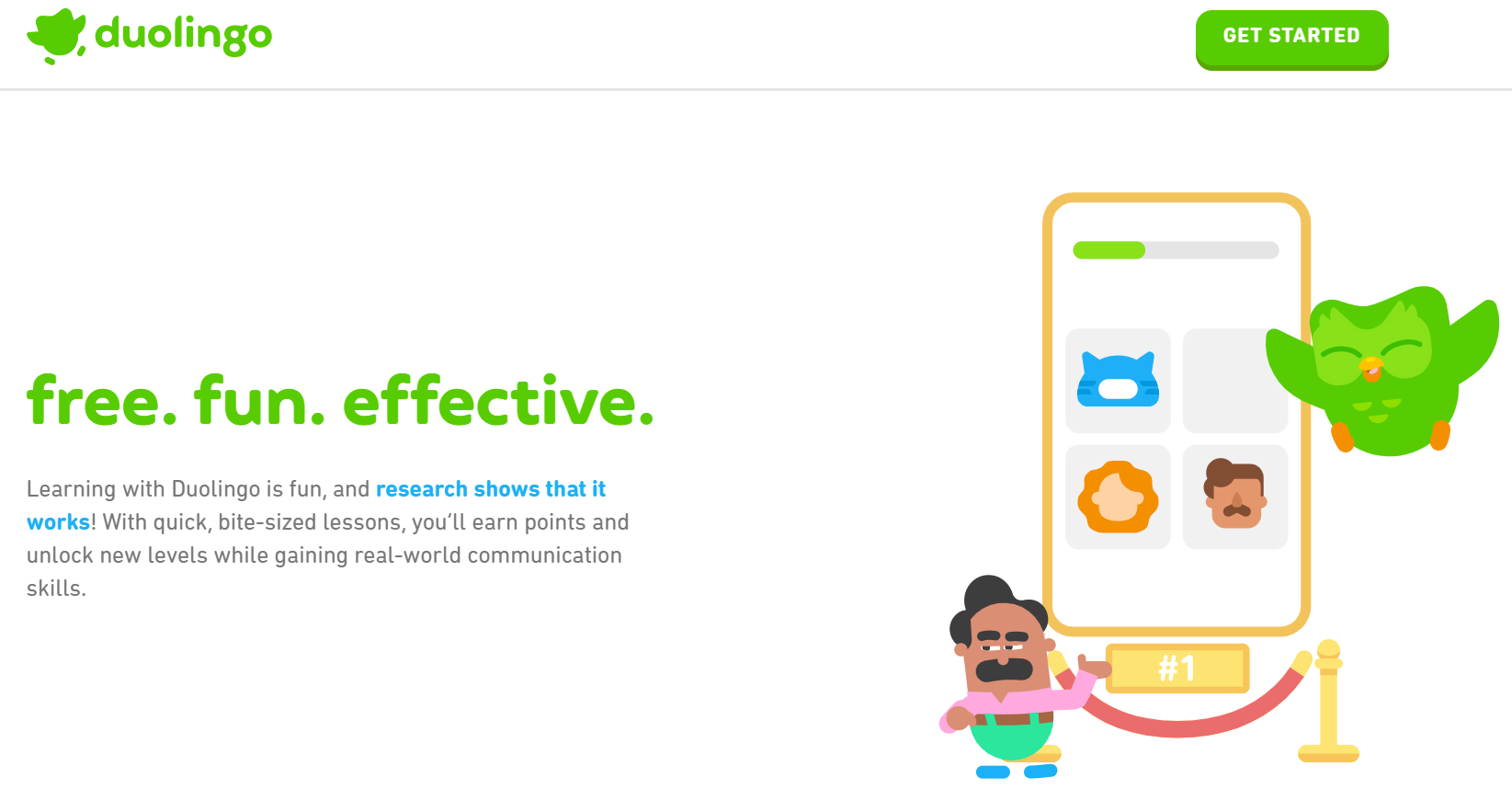
A tiered program introduces elements of gamification into the shopping experience, making it more engaging for loyal customers. This model creates a sense of aspiration and status, as customers work to unlock new levels of benefits. The more they engage, the more exclusive their perks become.
Each tier should offer increasingly valuable rewards, motivating customers to climb the ladder. This structure makes your best customers feel like valued VIPs and provides a clear path for new customers to deepen their relationship with your brand.
By gamifying loyalty, you make repeat purchasing more fun and rewarding. This approach builds a stronger emotional connection and encourages the long-term engagement needed to reach the highest tiers.
Source: Dropbox
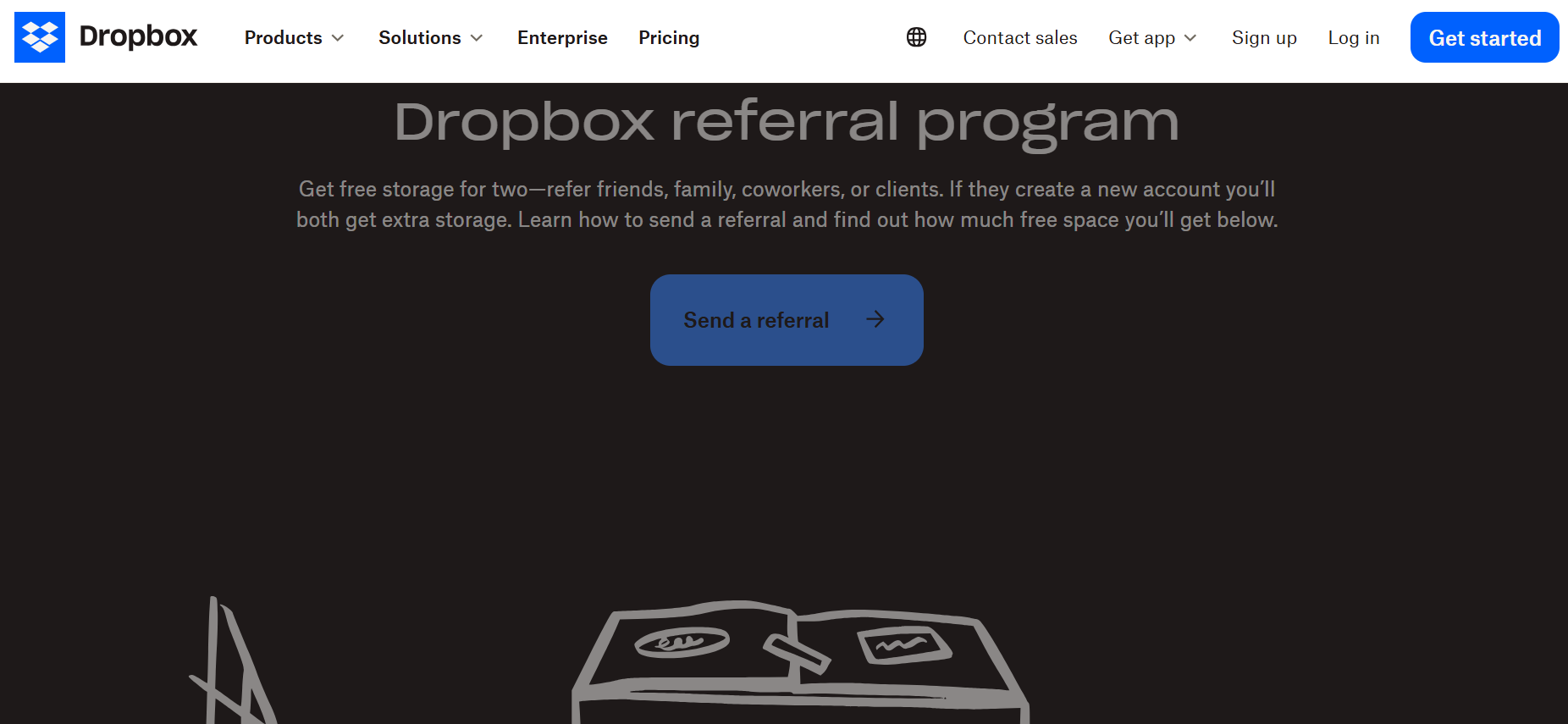
A referral program turns your loyal customers into a powerful engine for growth. By rewarding them for bringing new customers to your brand, you leverage the power of word-of-mouth marketing in a structured way. This is one of the most cost-effective methods of customer acquisition.
When a trusted friend recommends a brand, the endorsement is far more credible than a traditional advertisement. A referral program formalizes this process, giving both the referrer and the new customer an incentive to participate. This simultaneously boosts brand awareness and drives new sales.
This strategy not only accelerates growth but also strengthens the loyalty of your existing customers. By rewarding them for their advocacy, you make them feel like valued partners in your brand's success, deepening their commitment and encouraging them to continue spreading the word.
Source: TOMS
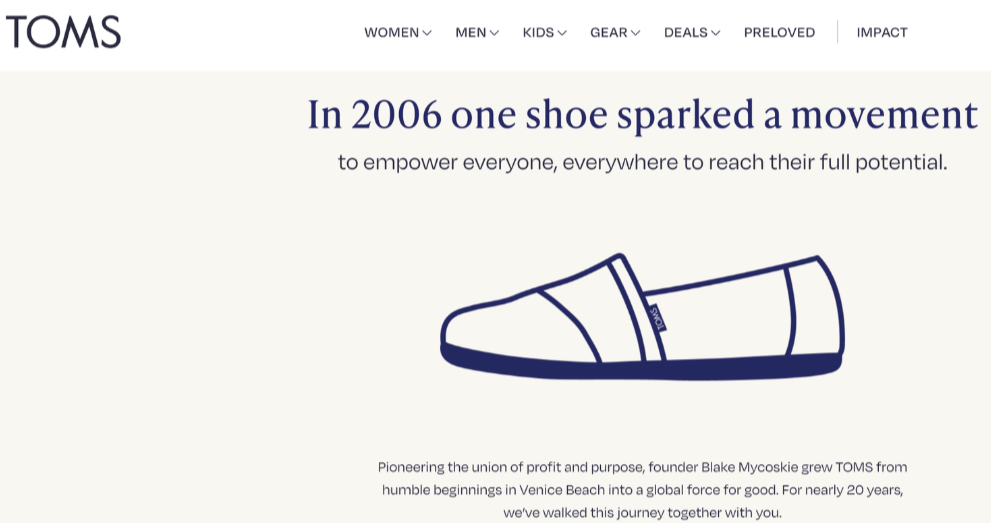
Today's consumers increasingly want to support brands that align with their personal values. A cause-based or value-driven program allows you to build a deeper emotional connection by tying your loyalty initiatives to a social or environmental cause. This approach transforms transactions into acts of purpose.
Instead of just redeeming points for discounts, you can give customers the option to donate their rewards to a charity partner. This shows that your brand is committed to more than just profit and resonates with customers who are passionate about giving back.
This type of program fosters a powerful sense of shared identity. When customers feel that their purchases contribute to a cause they care about, their loyalty becomes rooted in a shared mission. This deepens customer engagement and creates a bond that transcends discounts and perks.

Source: Zappos VIP
Experiential rewards offer something that money can't always buy: unique and memorable experiences. Instead of another discount, you could offer exclusive perks like invitations to VIP events, personal styling consultations, or early access to limited-edition products. These rewards create a sense of exclusivity and make customers feel truly special.
The surprise-and-delight approach involves unexpectedly rewarding customers without requiring them to take any specific action. This could be as simple as including a gift in their order or sending a personalized thank-you note. These spontaneous gestures create a powerful, positive experience.
These strategies are highly effective because they generate strong positive emotions. A customer might forget a 10% discount, but they will remember the feeling of being invited to an exclusive event or receiving an unexpected gift. This emotional impact is the key to building lasting loyalty.
Also Read: How a Premier Portuguese Winery Cultivated a +16.80% AOV Lift.
Maintaining customer loyalty is an ongoing process that requires continuous effort and adaptation. It's not enough to simply launch a loyalty program; you must actively nurture your customer relationships over time. This involves understanding your target audience, listening to their valuable feedback, and consistently providing value.
Here are some actionable steps to strengthen customer loyalty.
A one-size-fits-all approach to loyalty is rarely effective. To truly resonate with your customers, you must understand who they are and what they value. This starts with target audience segmentation. By dividing your customers into distinct groups based on their behavior and preferences, you can tailor your efforts for maximum impact.
A great starting point for segmentation is an RFM (Recency, Frequency, Monetary) analysis. This method helps you identify your most valuable customer groups, such as your "Champions" (best customers) and "Potential Loyalists." This allows you to create targeted campaigns for each segment.
Once you have your segments, you can apply personalization to create a more relevant customer experience. Send your VIPs exclusive offers, re-engage at-risk customers with special incentives, and welcome new members with a personalized onboarding journey. This tailored approach shows customers you understand them as individuals.
The needs and expectations of your customers are constantly evolving. To maintain loyalty, you must have a system for collecting customer feedback and a willingness to adapt your strategies accordingly. This demonstrates that you value your customers' opinions and are committed to improving their experience.
Actively solicit feedback through surveys, post-purchase emails, and on-site polls. Ask your loyalty program members directly what they like about the program and what they would change. This direct input is invaluable for identifying areas for improvement.
The most critical step is to act on the feedback you receive. Whether it's adjusting your reward offerings or improving a part of the online shopping experience, making changes based on customer input closes the loop and builds trust. This process of continuous adaptation is key to long-term customer satisfaction and loyalty.
To keep your loyalty program top of mind, you need to promote it across all your marketing channels. A multi-channel engagement strategy ensures your customers are consistently reminded of the program's value, wherever they interact with your brand.
Don't let your program be a secret hidden on a single landing page. Integrate it into your entire marketing ecosystem. This consistent promotion is key to driving sign-ups and maintaining long-term engagement.
By weaving your loyalty program into every customer touchpoint, you create a seamless and cohesive experience that reinforces the benefits of being a loyal customer.
Celebrating customer milestones is a simple yet powerful way to make your customers feel seen and appreciated. These small, personalized gestures can have a big impact on their emotional connection to your brand. Acknowledge important moments in their customer journey with you.
These celebrations can be easily automated, but they feel deeply personal to the recipient. Consider sending a special bonus or discount on their birthday or the anniversary of their joining your loyalty program. These gestures show that you are paying attention and value their long-term relationship.
By acknowledging these milestones, you add meaningful, personal touchpoints to the customer journey. These small moments of delight reinforce their loyalty to your brand and can be a great prompt to encourage their next purchase through exclusive offers.
Also Read: How The Chosen Cultivated a Community through Curated Merchandise Kits.
Building brand loyalty is a core pillar of sustainable ecommerce growth, and implementing a strategic loyalty program with a VIP-tier system is one of the most effective ways to achieve it. With a solution like Kefi Loyalty Program, VIP Tier, you can design a program that not only rewards transactions but also fosters a deep, emotional connection with your customers. The key is to create an experience that makes your program members feel valued, recognized, and part of an exclusive community.
A well-structured VIP tier program powered by Kefi encourages repeat purchases and increases customer lifetime value by offering aspirational rewards. As customers ascend through the tiers, they unlock more exclusive benefits, which gamifies the shopping experience and strengthens their commitment to your brand. This transforms your best customers into passionate brand advocates, creating a powerful engine for long-term growth and profitability.
Book a Demo to see how Kefi Loyalty Program, VIP Tier works.
In conclusion, fostering brand loyalty in eCommerce is essential for long-term success. By understanding the nuances between brand loyalty and customer retention, businesses can implement targeted strategies that not only enhance customer experience but also increase repeat purchases and customer lifetime value. From launching effective loyalty programs to providing personalized recommendations and exceptional customer service, every step counts in building a loyal customer base. As you navigate through the evolving landscape of eCommerce, remember that cultivating loyalty requires continuous engagement and adaptation to emerging trends. Unlock the full potential of your eCommerce business by focusing on brand loyalty. If you're ready to take your loyalty initiatives to the next level, consider reaching out for a free consultation to explore customized strategies tailored to your brand's unique needs.
Small businesses can build customer loyalty by focusing on exceptional, personalized service to foster strong customer relationships. Offer a simple, valuable rewards program, actively seek and act on customer feedback, and create a positive experience at every touchpoint. This encourages repeat purchases and strengthens the bond with your online store.
To measure the success of your loyalty program, track key KPIs like Repeat Purchase Rate, Customer Lifetime Value (CLV), and Redemption Rate. Also, monitor your Net Promoter Score (NPS) to gauge satisfaction. Analyzing this customer data will provide clear insights into the program's impact on driving repeat purchases.
Brand loyalty is crucial for an ecommerce business because loyal customers drive sustainable growth. They lead to higher customer retention, greater spend over time, and lower cost per customer than acquiring new ones. Their advocacy also enhances your brand reputation through positive word-of-mouth, creating a strong competitive advantage.
Ecommerce loyalty programs build long-term loyalty by providing tangible incentives for repeat business. They enhance customer retention by making program members feel valued and recognized. By rewarding engagement, these programs strengthen the emotional connection between loyal customers and the brand, growing a stable customer base over time.
Successful loyalty programs include Sephora's Beauty Insider, which uses a tiered system with exclusive offers and experiences. Another is Starbucks Rewards, which effectively uses a points-based model and gamification to engage program members, encouraging them to progress to higher tiers for better perks, thus building strong brand loyalty.
Memberships boost brand loyalty by creating a sense of exclusivity and belonging. By offering exclusive benefits such as free shipping or early access to sales, an ecommerce store provides consistent value that keeps loyal customers engaged, transforming them into a predictable source of recurring revenue.
To measure brand loyalty, track key metrics like Repeat Purchase Rate, Customer Lifetime Value (CLV), and Net Promoter Score (NPS). Also, analyze customer feedback and purchase frequency. These metrics provide a comprehensive view of how effectively you are driving repeat business and fostering long-term relationships.
The most important KPIs include customer retention rate, average order value from repeat customers, loyalty program participation, and referral rate. Together, these metrics show both behavioral loyalty and customer advocacy.
Improving brand loyalty requires a mix of personalization, consistent customer experience, and meaningful rewards. Offering tailored incentives, fast support, and exclusive benefits can significantly increase repeat engagement.
.svg)
