.jpg)
Winning a customer's first order is expensive. Turning that first purchase into a second, third, and fourth is where sustainable growth happens. According to Harvard Business Review, increasing customer retention by just 5% can boost profits by 25% to 95%. That's why choosing the right customer retention strategy matters just as much as acquiring new customers.
This is where many Shopify merchants face a difficult decision. Loyalty programs and membership programs both encourage repeat purchases, but they don't build customer relationships in the same way. One rewards customers after they engage with your brand, while the other creates commitment by offering exclusive value from the start. Choosing the wrong approach can limit repeat purchases and reduce long-term customer value.
In this guide, you'll learn the key differences between membership and loyalty programs, when each model works best, and whether combining both makes sense for your business. By the end, you'll have a practical framework to choose a retention strategy that strengthens customer loyalty, increases lifetime value, and supports long-term revenue growth.
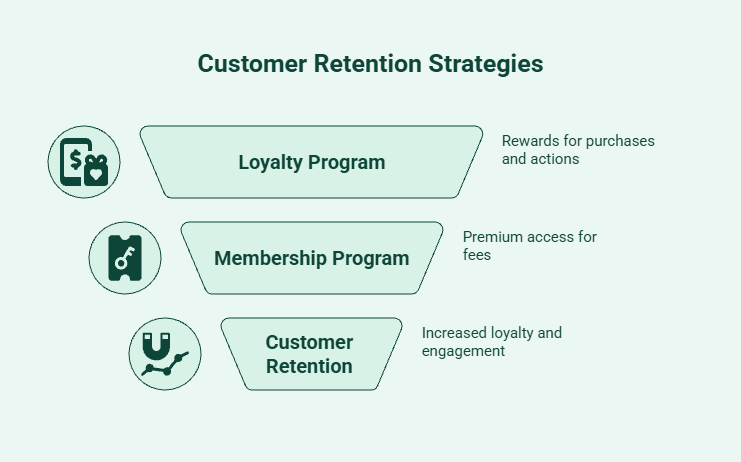
A loyalty program rewards customers for purchases or other valuable actions, such as referrals, with points, discounts, or exclusive perks. A membership program provides immediate premium access to benefits, typically in exchange for an upfront or recurring fee.
The key difference is how customers receive value. Loyalty programs generally reward customers as they engage with a brand, while membership programs provide benefits based on their membership status.
A loyalty program is a structured rewards system that gives customers loyalty benefits for actions such as purchases, referrals, or repeat engagement. Its purpose is to encourage customers to return more often and build a longer-term relationship with the brand.
This model works best when your goal is to:
In simple terms, customers earn value by continuing to engage with your store rather than paying upfront for access to benefits.
A membership program gives customers access to exclusive benefits based on their membership status. Memberships can be free or paid, with benefits such as special offers, early access, priority service, exclusive content, or member-only products.
Unlike a loyalty program, where customers typically earn rewards through purchases or other actions, a membership gives customers access to defined benefits from the start. The goal is to make those benefits valuable enough for customers to stay engaged with the brand.
Amazon Prime is a well-known example of a paid membership that includes access to Prime Video. Members receive benefits such as fast shipping, exclusive deals, and additional services, giving them ongoing reasons to remain members and continue shopping with Amazon.
Both loyalty and membership programs can support customer retention, but they do it in different ways. A loyalty program encourages customers to return by rewarding purchases and engagement, while a membership program gives customers ongoing access to benefits that make staying with the brand worthwhile.
A loyalty program works best when you want to:
A membership program works best when you want to:
Neither model is automatically better. The right choice depends on what you want customers to do next. If you want to encourage more purchases across a broad customer base, a loyalty program can be the better fit. If you want to deepen relationships with customers who value exclusive benefits, a membership model may make more sense.
For Shopify merchants, the important part is choosing a model that matches customer behavior and the value your business can consistently deliver. Kefi Commerce can support retention-focused strategies by helping merchants create rewards, exclusive offers, bundles, and other incentives that give customers more reasons to return.
Loyalty and membership programs can both encourage customers to stay engaged, but they create different reasons to return. Loyalty programs reward customers as they purchase or interact with a brand, while membership programs give customers access to defined benefits based on their membership status. Memberships can be free or paid.
A loyalty program turns customer activity into progress. Purchases, referrals, and other qualifying actions can earn points, rewards, or higher tiers, giving customers an additional reason to choose the same brand again.
Loyalty programs can help merchants:
Merchant insight: Loyalty programs work particularly well when customers already have reasons to buy from your store and need an additional incentive to return.
Membership programs work differently. Customers receive access to defined benefits based on their membership, rather than earning each benefit through individual purchases. The membership may be free or paid, depending on the business model.
Memberships can offer:
Amazon Prime, for example, is a paid membership built around ongoing benefits such as shipping and exclusive offers. IKEA Family takes a different approach as a free membership that provides members with specific benefits and offers. The structures differ, but both give customers reasons to remain connected to the brand.
Merchant insight: Memberships work best when customers can clearly see the ongoing value of staying a member, whether the program is free or paid.
The distinction ultimately comes down to how value is delivered. Loyalty programs give customers reasons to keep earning, while membership programs give them reasons to keep using the benefits available to them. Choosing between the two depends on your customers, business model, and the type of behavior you want to encourage.
The right choice depends on what you're trying to achieve, not which model is more popular. Before launching either program, identify the business outcome you want to improve. A loyalty program and a membership program solve different problems, so matching the model to your goals is more important than copying another brand's strategy.
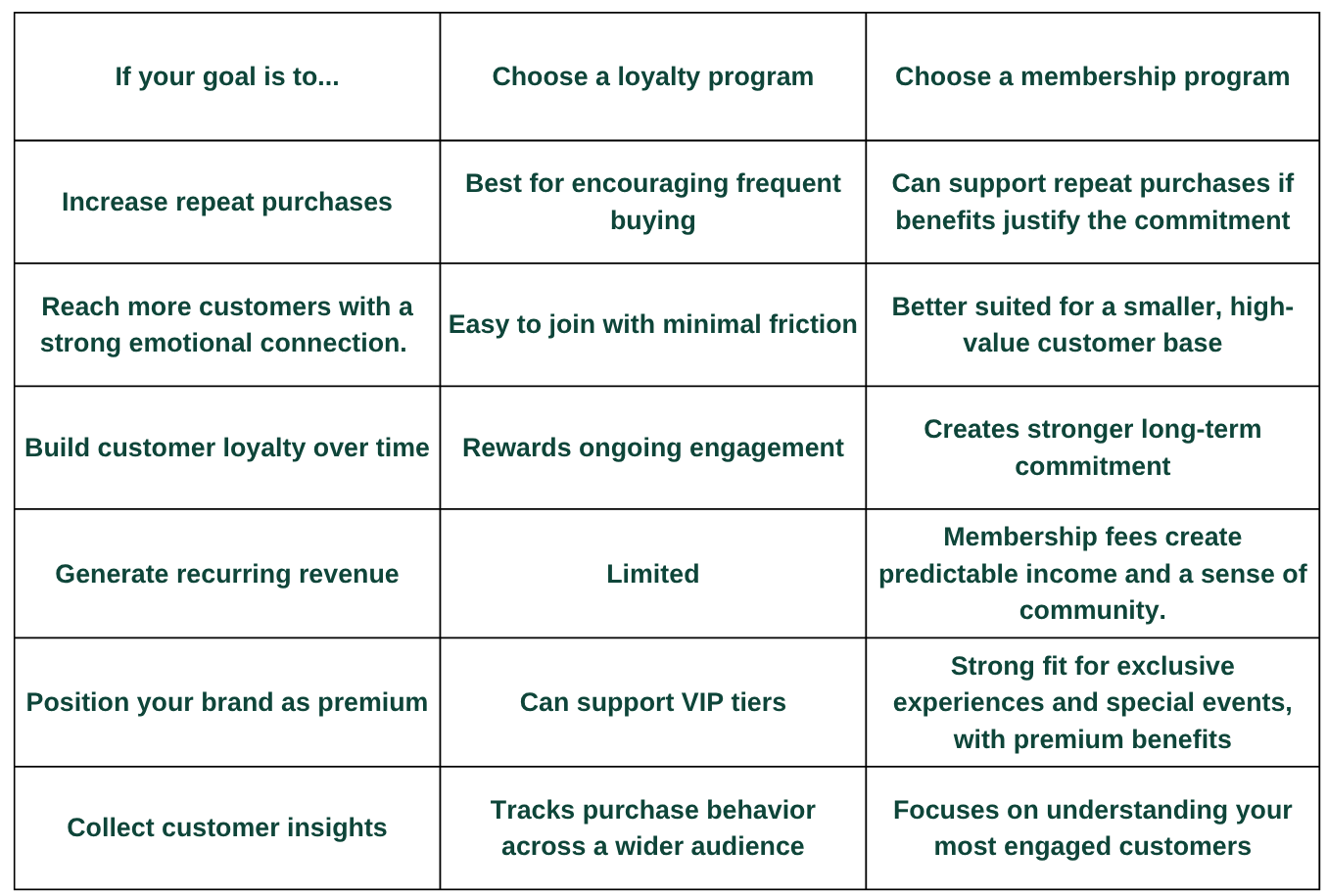
A loyalty program is often the better starting point when your priority is encouraging repeat purchases and rewarding engagement across a broad customer base. A membership program can be a stronger fit when your customers see clear value in ongoing access, exclusive benefits, or added convenience.
The better choice isn't about which model is universally superior. It's about whether the value you offer gives customers a compelling reason to participate and keep engaging. For Shopify merchants focused on loyalty, Kefi Commerce supports points-based rewards, VIP tiers, referrals, and other retention-focused campaigns that can be tailored to customer behavior.
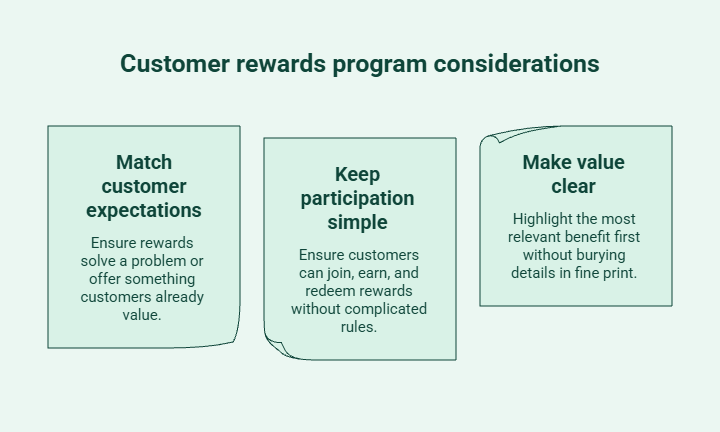
A rewards program can strengthen retention, but it isn't automatically the right investment for every store. Before choosing one, merchants should understand what motivates their customers, what the business can afford to offer, and whether the program will be simple enough for customers to use consistently.
Customers won't engage with rewards simply because they're available. The benefits need to solve a problem or offer something customers already value.
Before choosing your rewards structure, consider:
The best reward isn't necessarily the most expensive one. It's the one customers actually want to earn and use.
A complicated rewards program can create more friction than value. Customers should be able to understand how to join, earn, and redeem rewards without having to work through complicated rules.
Keep the experience simple by:
If customers need to figure out how your program works before they can see its value, participation becomes harder than it needs to be.
Customers should know what they're getting before they commit to a rewards program. Put the most useful benefit first and explain how customers can access it without burying the details in fine print.
Your value proposition should:
When customers immediately understand what's in it for them, they're more likely to join and keep using the program.
Enrollment alone doesn't tell you whether a rewards program is working. The more useful question is whether participation is changing customer behavior and contributing to stronger retention and revenue.
Track metrics such as:
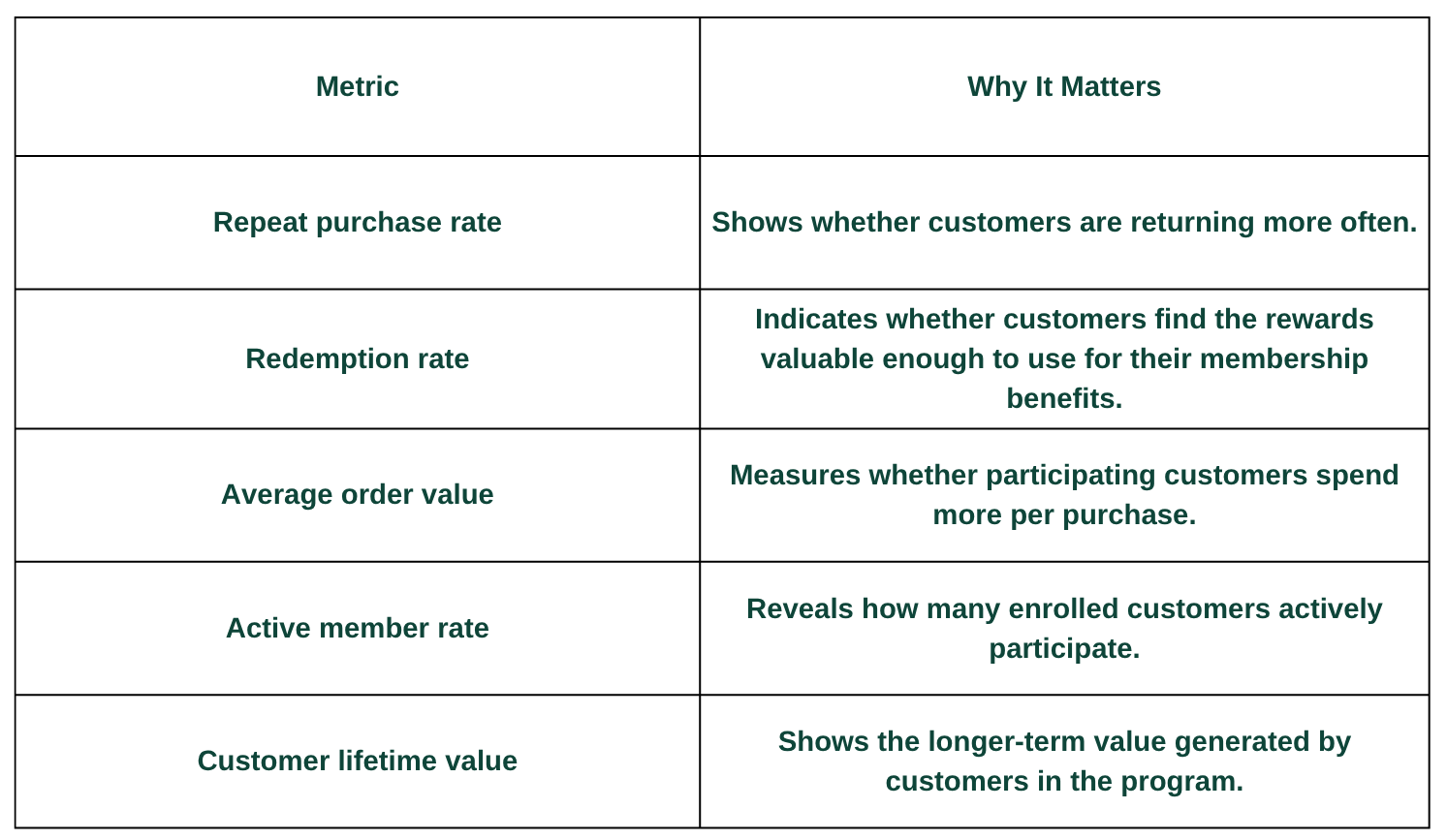
A successful rewards program isn't measured by sign-ups alone. Look for changes in repeat purchases, spending, engagement, and customer value to understand whether the program is actually influencing behavior.
For paid membership programs, track:
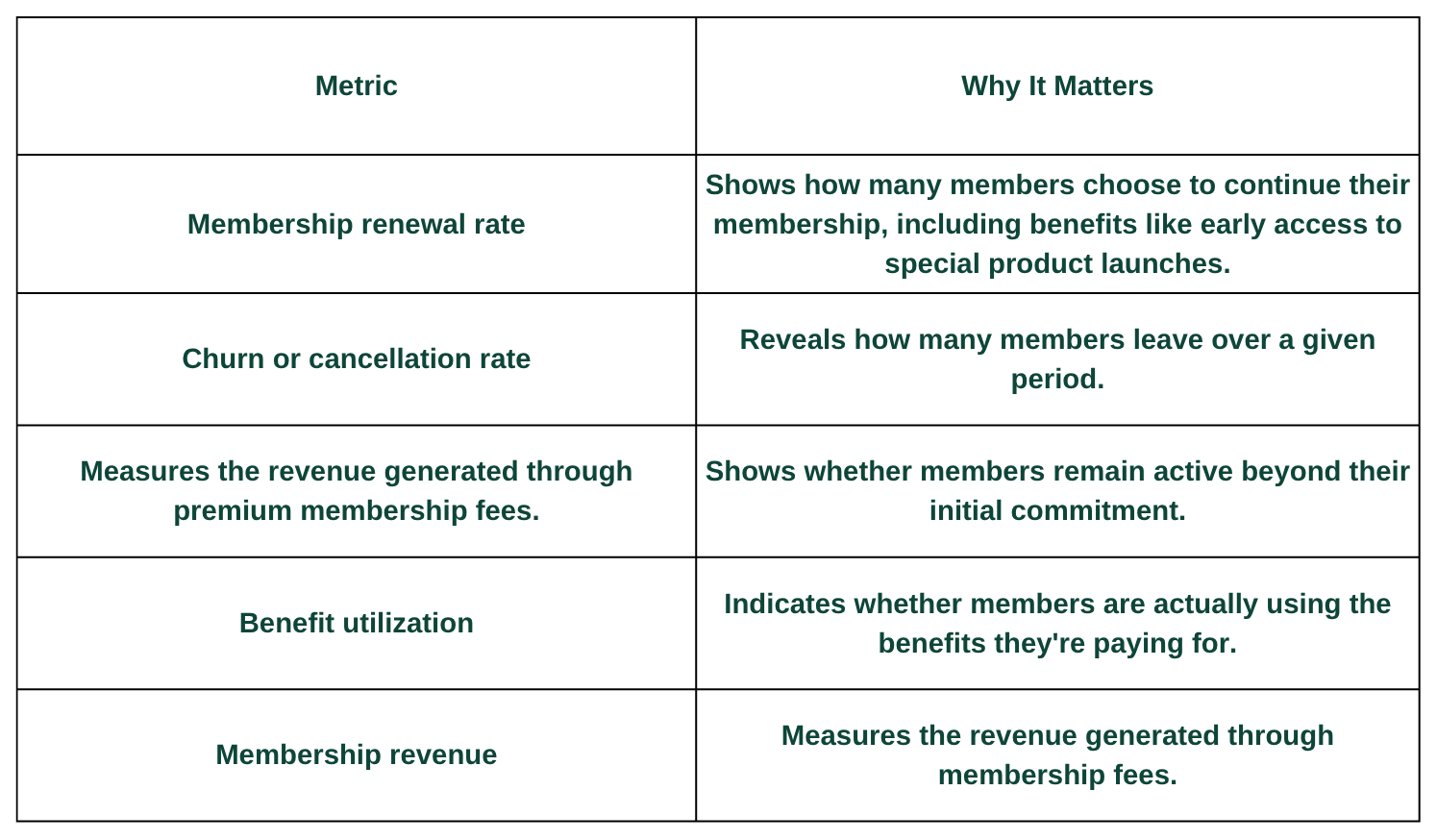
No single metric tells the whole story. Looking at the right measures together helps merchants determine whether a program is changing customer behavior, delivering enough value to sustain participation, and contributing to long-term growth
Building loyalty requires more than offering another discount. Shopify merchants need ways to reward valuable customer behavior, increase order value, and give existing customers relevant reasons to return.
Kefi Commerce gives Shopify merchants tools that can support these goals, including loyalty and VIP-tier capabilities alongside bundles, quantity-based offers, and upsell experiences.
With Kefi Commerce, merchants can:
The goal isn't to add more promotions for the sake of it. It's to give customers relevant reasons to buy again while increasing the value of each shopping journey. For merchants building a retention strategy, Kefi Commerce can bring loyalty, VIP rewards, bundles, and upsell opportunities into a broader revenue-growth approach.
Choosing between a membership program and a loyalty program isn't about finding a universal winner. It's about understanding what motivates your target audience and selecting a strategy that supports your business goals. A loyalty program can encourage repeat purchases across a wider audience, while a membership program can build stronger relationships with customers who value exclusive benefits and long-term engagement.
As your business grows, your retention strategy should evolve with it. Start with the model that fits your customers today, measure how it influences their behavior, and refine your loyalty strategy program based on what drives meaningful results. When your rewards strategy consistently delivers value to both your customers and your business, it becomes more than a marketing initiative; it becomes a sustainable driver of repeat revenue and long-term growth.
Subscription-based loyalty programs require customers to pay for immediate benefits like free shipping or exclusive access. Standard loyalty programs are usually free to join and reward customers over time through points, discounts, or other incentives earned through engagement.
A paid membership program, such as an annual membership, provides immediate benefits, such as free shipping, including free standard shipping, or exclusive access, in exchange for a recurring fee. A traditional loyalty program is typically free and rewards customers over time based on their purchases and engagement.
Businesses with frequent repeat purchases, such as beauty, food, and fashion brands, often benefit most from free loyalty programs and other loyalty programs. Membership programs are better suited for brands that can offer ongoing value through exclusive benefits, premium experiences, or recurring services that justify customer commitment.
Retailers should consider their business goals, purchase frequency, customer expectations, profit margins, and the unique experiences they can consistently deliver to foster a sense of community. The right choice depends on whether they want broader customer participation or deeper, long-term customer commitment.
Not always. Membership programs can generate strong ROI through recurring revenue, but the best loyalty programs often deliver equal or better returns by increasing repeat purchases, customer retention, and cash flow improvement related to brand loyalty, which enhances customer lifetime value without requiring an upfront fee.
Modern loyalty programs typically include points, tiered rewards, referrals, personalized offers, and exclusive discounts, along with exclusive access to product launches. Membership programs often provide immediate benefits like free shipping, exclusive access, premium support, and social media members-only pricing or experiences.
Not necessarily. A pay-to-join membership with an annual fee can improve retention when customers receive consistent value from exclusive membership benefits. However, a well-designed loyalty program can achieve similar or better retention by encouraging repeat purchases without requiring an upfront fee.
.svg)
