

In the competitive world of fashion, building lasting customer loyalty is more critical than ever. Fashion loyalty programs have become a cornerstone of modern brand strategy, moving beyond simple discounts to create a holistic customer experience. These initiatives are essential for fostering a strong brand identity and connecting with your audience on a deeper level. By rewarding engagement and repeat business, you can transform one-time buyers into lifelong advocates, securing your brand's place in a crowded market.
A fashion loyalty program is a strategic rewards program designed to encourage repeat business and strengthen customer relationships. At its core, it rewards loyal customers for their continued engagement, whether through purchases, social media shares, or referrals. The goal is to make your customers feel valued and give them compelling reasons to choose your brand over competitors. This goes beyond transactional benefits, aiming to build a community around your brand.
By implementing a well-structured rewards program, you can significantly increase customer lifetime value. These programs provide a framework for offering personalized benefits, exclusive access, and unique experiences that align with your customers' lifestyles. Ultimately, it’s about creating a cycle of appreciation and engagement that turns casual shoppers into dedicated followers who are emotionally connected to your brand.
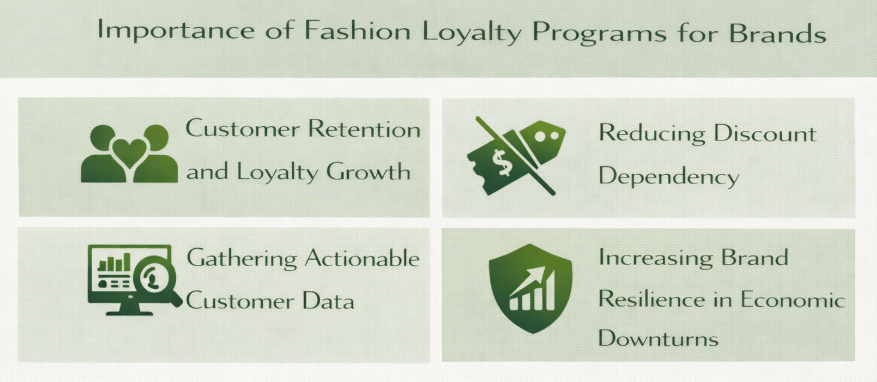
In today's fashion landscape, loyalty programs are a strategic necessity. They are a powerful tool for boosting customer loyalty and customer retention, providing a buffer against high customer acquisition costs. By incentivizing repeat purchases, you can increase both the average order value and the repeat purchase rate, creating a more stable revenue stream.
Let's explore the specific ways these programs drive growth and resilience for fashion brands.
Customer retention is one of the most significant advantages of fashion loyalty programs, as retaining existing customers is far more cost-effective than acquiring new ones. By offering rewards, points, and exclusive perks, brands give customers a strong reason to return and continue shopping. This consistent engagement builds habitual purchasing behavior, encouraging customers to choose the brand repeatedly. Over time, as customers accumulate rewards and benefits, they become more emotionally invested, increasing their lifetime value. This shift from transactional interactions to meaningful relationships helps turn satisfied shoppers into loyal advocates who are less likely to switch to competitors.
Fashion brands often rely heavily on discounts to drive sales, which can hurt profit margins and weaken brand perception over time. Loyalty programs provide a smarter alternative by offering value beyond price reductions through exclusive and experiential rewards. Benefits such as early access to new collections, member-only events, or personalized styling experiences make customers feel valued without constant discounting. This approach shifts the focus from price to experience and brand value, encouraging customers to spend more without expecting continuous deals. As a result, brands can maintain healthier margins while building a more premium and differentiated identity.
Loyalty programs serve as a powerful source of first-party data, giving brands valuable insights into customer preferences, behaviors, and shopping patterns. As customers interact with the program, businesses can track purchase history, engagement levels, and product interests. This data can be used to create highly personalized marketing campaigns, such as tailored product recommendations or targeted promotions. Additionally, loyalty-driven activities such as reviews and social sharing generate user-generated content and strengthen brand visibility. With these insights, brands can deliver more relevant experiences, improve customer satisfaction, and build stronger, data-driven relationships.
During economic downturns, consumer spending on fashion often declines, making customer retention even more critical. Loyalty programs help brands stay resilient by maintaining strong connections with their most valuable customers, who are more likely to continue purchasing despite economic uncertainty. The promise of rewards and exclusive benefits encourages ongoing engagement and spending, even when budgets are tighter. Smaller brands can also compete effectively by offering unique, community-driven experiences that larger brands may struggle to replicate. This consistent engagement helps protect revenue streams and ensures long-term stability, even in challenging market conditions.
Also Read: What are the Best Loyalty Apps for Shopify Growth?

The most successful fashion loyalty programs share a set of core features that go beyond simple points-for-purchase models. They are built around a compelling, multifaceted rewards program that drives deep customer engagement. This often includes a tiered system that encourages higher spending and a mix of exclusive rewards that foster a sense of belonging.
The following sections will explore the key components that make these programs so effective.
Tiered loyalty programs are highly effective for fashion brands because they create a sense of progression and motivate customers to spend more. By introducing multiple levels, including VIP tiers, brands give customers a clear path to unlocking better rewards and benefits. As customers move up tiers, they gain access to perks like free shipping, bonus points, and exclusive offers, making them feel recognized and valued. This structure not only increases average order value but also builds long-term engagement. The sense of achievement and exclusivity encourages customers to stay loyal and actively participate in the program.
In the fashion industry, emotional connection plays a major role in driving loyalty, which makes experiential rewards highly impactful. Instead of focusing only on discounts, brands can offer unique experiences such as exclusive event invitations, early access to new collections, or personal styling sessions. These rewards make customers feel like insiders and strengthen their bond with the brand. By offering benefits that go beyond monetary value, businesses can create memorable experiences that enhance brand perception. This approach transforms loyalty programs into lifestyle-driven communities rather than just transactional systems.
Gamification adds an engaging and interactive layer to loyalty programs, making the experience more enjoyable and motivating for customers. Features like bonus point events, challenges, quizzes, or surprise rewards create excitement and encourage active participation. These elements tap into customers’ natural desire for achievement and recognition, making the process of earning rewards more dynamic. By turning loyalty into a fun experience, brands can increase the frequency of engagement and keep customers consistently interacting with the program. This not only boosts participation but also strengthens brand recall and long-term loyalty.
Seamless digital integration is essential for modern loyalty programs, especially in the fashion industry, where convenience plays a key role. Mobile apps act as a central hub where customers can track points, explore rewards, and access benefits بسهولة. They also enable brands to communicate directly through push notifications, sharing updates on new arrivals, exclusive offers, or expiring rewards. This real-time engagement keeps customers connected and encourages timely purchases. A well-integrated digital experience ensures that the loyalty program remains accessible, relevant, and easy to use across all touchpoints.
Value-based and subscription loyalty models are emerging as powerful ways to deepen customer relationships beyond traditional rewards. Value-based programs reward customers for meaningful actions like social sharing, reviews, or community participation, aligning engagement with brand values. Subscription models, on the other hand, offer premium benefits in exchange for a recurring fee, such as free shipping or exclusive access to limited products. These approaches create a stronger sense of commitment and deliver consistent value to customers. By focusing on experience and exclusivity, they help brands build deeper, more sustainable loyalty over time.
Also Read: What are the Best Shopify Customer Retention Apps?
Looking at the best loyalty programs from leading fashion retailers can provide a wealth of inspiration for your own brand strategy. These programs excel at turning casual shoppers into loyal customers by offering a compelling mix of rewards, experiences, and exclusive perks that reflect their unique brand identities.
Let's examine some of the most successful fashion loyalty programs and the key takeaways you can apply.

Source: H&M
The H&M Membership program effectively drives customer retention by offering a powerful mix of financial and experiential rewards. New customers are easily drawn in by the promise of exclusive discounts and loyalty points on every purchase, but the program's real strength lies in its ability to build long-term engagement.
One key feature is its seamless integration with the H&M mobile app, which makes it incredibly convenient for members to access their benefits and engage with the brand. This constant connectivity keeps H&M top-of-mind. The program increases retention by rewarding not just purchases but also sustainable actions, such as garment recycling, helping align the brand identity with the values of modern consumers.
Furthermore, H&M offers exciting experiential perks, such as access to exclusive music events, which create a highly emotional connection. This blend of practical savings and unique experiences ensures that members feel valued and continuously motivated to shop.

Source: Nike
Nike Membership stands out as one of the most successful examples of a fashion loyalty program, focusing on access and community over traditional points. This membership program is free to join and provides a gateway to an entire ecosystem of sport, wellness, and culture, encouraging frequent repeat purchases of exclusive products.
The program grants members early access to new releases, limited-edition colorways, and coveted sneaker drops, creating a sense of urgency and exclusivity. This strategy taps into hype culture while rewarding loyal fans. The integration with apps like the Nike Run Club and Nike Training Club provides tangible value by offering guided workouts and expert coaching.
By replacing transactional rewards with lifestyle benefits, Nike builds a powerful sense of community and belonging. Members feel like insiders in a global movement, strengthening their emotional connection to the brand and ensuring relevance far beyond their last purchase.

Source: Sephora
While Sephora is a beauty retailer, its Beauty Insider program offers valuable lessons for fashion brands. The program is a masterclass in using tiered loyalty rewards to engage a massive customer base. Members earn points on every purchase, which can be redeemed for a wide array of products, from deluxe samples to full-size items.
Fashion loyalty programs differ from those in the beauty industry by often focusing more on lifestyle perks and exclusive access, whereas beauty programs like Sephora’s excel at offering tangible product rewards. However, Sephora also incorporates experiential rewards, such as makeovers and access to beauty classes, which fashion brands can certainly emulate.
The program's tiered structure, Insider, VIB, and Rouge, motivates customers to spend more to unlock better benefits, including early access to sales and exclusive events. This combination of product-based and experiential rewards creates a highly compelling program that keeps customers engaged and loyal.
Source: Hugo Boss
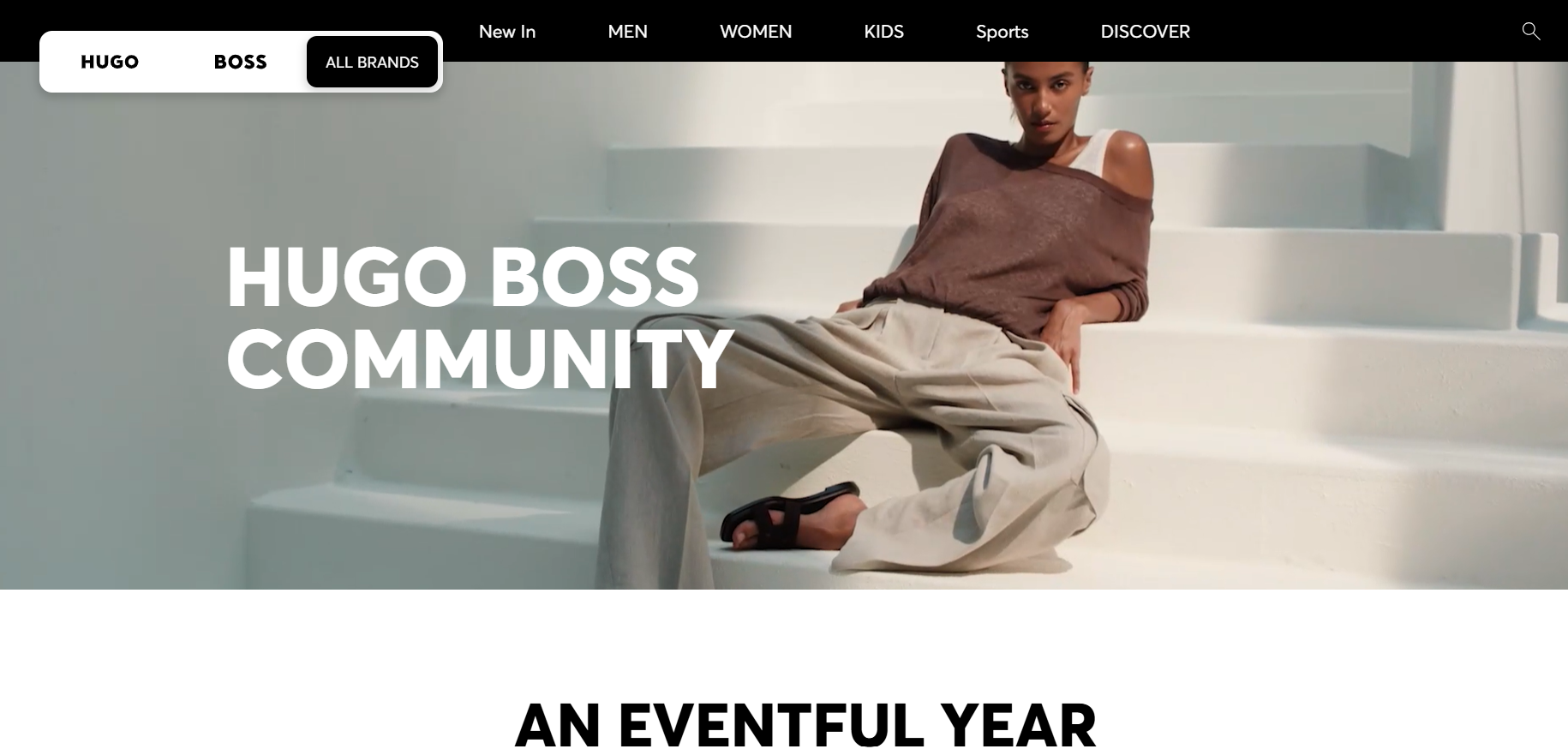
When considering which luxury fashion brands have the best loyalty programs, the Hugo Boss Experience program stands out. It reflects the brand's premium identity by offering loyalty members a suite of exclusive perks that enhance the luxury shopping experience rather than cheapening it with simple discounts.
The program connects customers to "My Hugo Boss Rewards," a voucher-based system in which purchases earn savings on future purchases. However, its strength lies in the non-transactional benefits. Members receive exclusive gifts, VIP invitations to private sales and events, and access to BOSS Live Shopping experiences.
These features make loyalty feel less about saving money and more like an entry into a prestigious community. By combining flexible rewards with elevated experiences like receipt-free returns, Hugo Boss reinforces its luxury positioning while making its best customers feel recognized and valued.

Source: Columbia
Columbia's Greater Rewards program is a successful model for how outdoor and performance brands can foster customer loyalty. The program is straightforward and effective, focusing on practical rewards and experiential benefits that appeal to its active customer base. This is a feature every fashion loyalty program should consider: simple, tangible value.
Members earn points on every purchase, which translate into reward vouchers. The program also offers perks that resonate with its audience, such as free shipping, seasonal promotions, and exclusive access to sales. These benefits make it easy for loyal customers to justify their next gear purchase.
What makes Greater Rewards compelling is its blend of financial incentives and community-oriented perks. Members may receive invitations to special events or get early notifications about new product technologies. This combination of practical savings and insider access ensures customers feel connected to the brand and its mission to enable outdoor adventures.
Also Read: How to Build Expertise in Loyalty Segmentation?
Source: Pulse Boutique
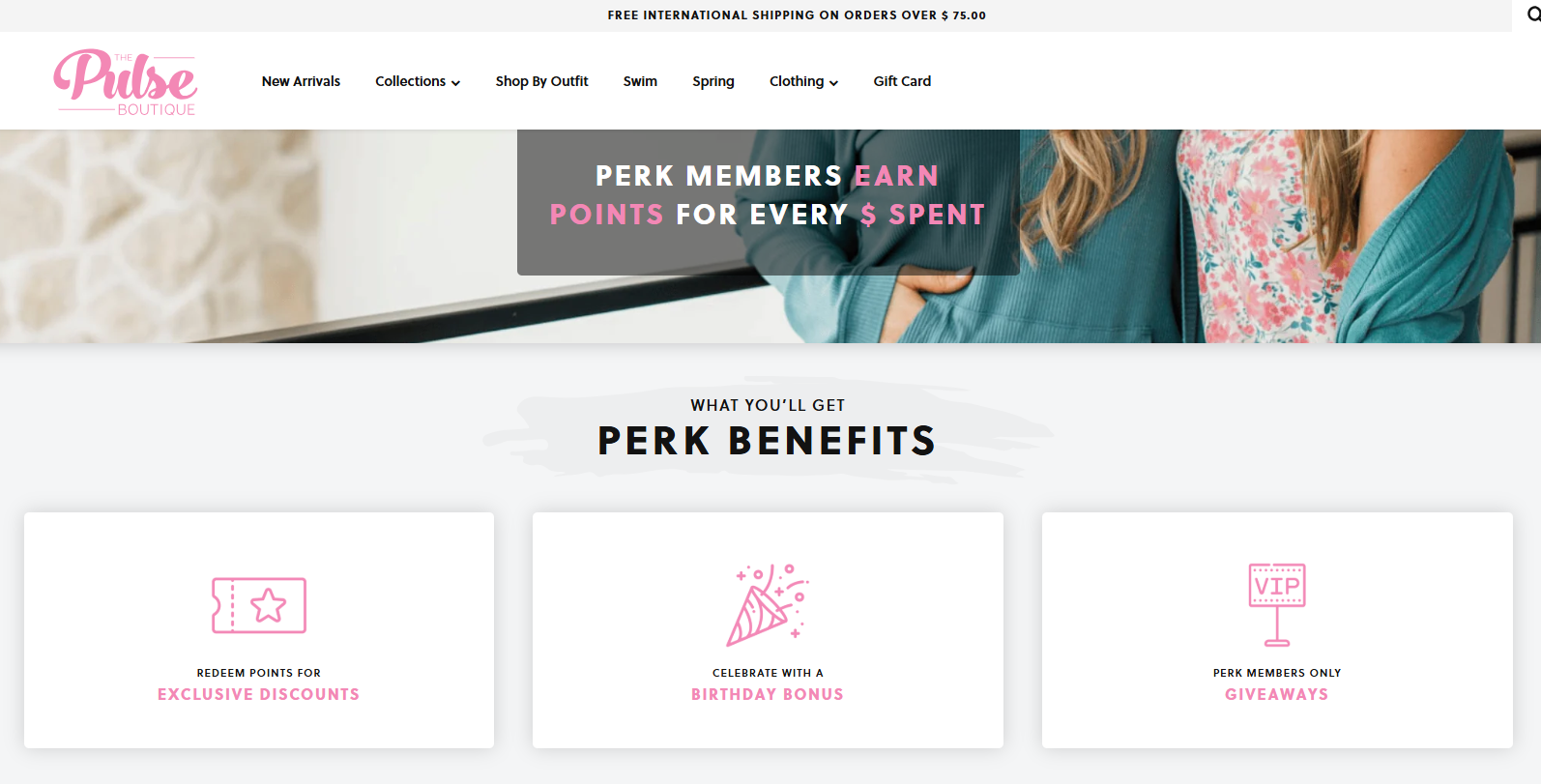
Pulse Boutique’s "Pulse Perks" program is an excellent example of how small fashion brands can compete with big brands by using loyalty programs. It demonstrates the power of leveraging community building and social proof. The program incentivizes loyal customers to share their experiences, which helps new shoppers make confident purchasing decisions.
A standout feature of Pulse Perks is rewarding customers with points for writing product reviews. This encourages a devoted fanbase to share their opinions, and the incentive doubles if a photo is included. This clever strategy generates authentic user-generated content, which is often more trusted than standard marketing imagery.
This approach not only provides exclusive rewards to loyal customers but also fuels brand growth at a low cost. By turning customers into advocates, Pulse Boutique builds a strong community. It increases the order value from new shoppers who feel more secure in their purchases, proving that smart loyalty tactics can level the playing field.

Source: Lucy & Yak Yak Hub
Lucy & Yak's "Yak Hub" is a brilliant example of how a loyalty program can communicate brand values and forge deep emotional connections. The program is infused with the brand's fun-loving, sustainable personality, which increases customer retention by making members feel aligned with a mission rather than just a retailer.
The loyalty page showcases the real people behind the brand and uses playful names for its tiers, such as "Comfort Lover" and "Dungaree Devotee." This approach helps customers understand the brand on a more personal level. Emotion is a huge driver of loyalty, and by injecting personality into every touchpoint, Lucy & Yak strengthens these bonds.
Furthermore, the Yak Hub offers exclusive rewards that go beyond discounts, reinforcing the brand's community-focused ethos. By creating a program that is a true reflection of its identity, Lucy & Yak ensures that its members are not just buying products but are joining a movement.

Source: Taylor Stitch
Taylor Stitch's loyalty program, part of its "Common Club," is one of today's most successful examples because it excels at community building and encouraging brand advocacy. The program's primary focus is on referrals, prominently highlighting how customers can receive a $20 voucher for every new person they bring to the brand.
This referral-centric strategy is incredibly effective, as customers acquired through referrals typically spend more and are more loyal. Beyond referrals, the program communicates the brand's mission of sustainability and responsibility from the outset, rallying loyal customers around its values. This encourages them to become vocal advocates.
The Workshop Rewards also offer bonus points and exclusive access to products, but its true strength lies in transforming customers into active participants in the brand's growth story. By combining financial incentives with a strong sense of purpose, Taylor Stitch has built a powerful and self-sustaining community.
Also Read: How The Chosen Cultivated a Community through Curated Merchandise Kits.
Building the perfect fashion loyalty program becomes achievable with a powerful platform like Kefi. Using the Kefi Loyalty Program, VIP Tier, you can design a sophisticated VIP tier that drives strong customer relationships and increases the average order value. A VIP tier benefits apparel brands by creating a sense of exclusivity and aspiration, motivating customers to spend more to unlock the best rewards. With Kefi, you can easily define spending thresholds for each tier and customize exclusive perks to make your top customers feel truly valued.
Imagine offering your VIP-tier members benefits such as early access to new collections, invitations to private virtual styling sessions, or even bonus points on their birthday. Kefi's flexible tools allow you to seamlessly implement these features, creating a dynamic program that keeps customers engaged. By leveraging a well-structured VIP tier, you can transform your most loyal shoppers into passionate brand ambassadors, securing long-term growth and profitability for your fashion brand.
Book a Demo to see how Kefi Loyalty Program, VIP Tier works.
Implementing a fashion loyalty program is essential for brands looking to enhance customer retention and build lasting relationships with their audience. By understanding the key features that successful programs offer, such as tiered rewards, exclusive experiences, and digital integration, you can create a strategy that resonates with your customers. Examples from leading brands like Nordstrom and Nike demonstrate how a well-structured loyalty program can not only drive sales but also foster a community around your brand. As you embark on creating your own fashion loyalty program, remember to prioritize what your customers value most and adapt accordingly. For further insights and tailored strategies, don't hesitate to reach out for a consultation.
Common mistakes include making loyalty rewards too difficult to earn, ignoring experiential perks in favor of only discounts, and failing to promote the program effectively. A program that doesn't drive customer engagement is just an added cost that won't help with customer retention or offset acquisition costs.
Fashion brand loyalty programs are designed specifically by brands to retain customers and strengthen brand affinity. They offer personalized rewards, early access, and exclusive experiences. This helps brands stand out in a competitive market and build deeper emotional connections with customers.
A fashion rewards loyalty program focuses on giving customers incentives such as points, cash back, or perks for their purchases and interactions. These rewards can be redeemed for discounts, products, or exclusive experiences. It keeps customers engaged while encouraging repeat buying behavior.
The best fashion loyalty programs combine tiered rewards, personalization, and exclusive benefits such as early access and VIP perks. They go beyond discounts and create engaging experiences for customers. Programs that integrate seamlessly with ecommerce platforms and offer flexibility tend to perform the best.
Loyalty programs benefit fashion brands by increasing customer retention, boosting average order value, and reducing reliance on discounts. These programs also provide valuable customer data for personalization. Over time, they help build a strong base of repeat and loyal customers.
Loyalty program benefits for fashion brands include higher customer lifetime value, improved retention rates, and stronger brand engagement. They also enable targeted marketing through customer insights. This leads to more efficient campaigns and better long-term profitability.
Loyalty programs that fashion stores use help drive repeat purchases by rewarding customers for continued engagement. They also encourage higher spending through tiered incentives and exclusive offers. This creates a more consistent and predictable revenue stream.
Ideas for loyalty programs for fashion boutiques include VIP tiers, birthday rewards, referral bonuses, and exclusive styling sessions. Boutiques can also offer early access to new collections or members-only events. These personalized touches help create a unique and memorable shopping experience.
.svg)
