

In today's competitive ecommerce landscape, providing a generic shopping experience is no longer enough. Customers expect and demand a journey tailored specifically to them. This is where the power of ecommerce personalization comes into play. By implementing a smart strategy for personalized product recommendations, you can transform your online store from a simple catalog into a dynamic, personal shopping assistant. This approach not only guides customers to products they’ll love but also significantly boosts sales, customer loyalty, and overall business growth.
A product recommendation strategy is the thoughtful process of using technology and data to present relevant product suggestions to shoppers on your ecommerce site. It's about showing the right product to the right person at the right time. Instead of relying on manual merchandising, this strategy leverages powerful product recommendation engines that analyze customer behavior, purchase history, and even real-time actions to deliver highly targeted suggestions.
These systems go beyond simple "customers also bought" widgets. A sophisticated recommendation engine uses AI to predict what a shopper might want next, offering relevant recommendations on product pages, within the shopping cart, and even in post-purchase communications. The goal is to make product discovery seamless and intuitive, creating a more engaging and profitable shopping journey for every user. By personalizing these interactions, you can guide customers toward items that genuinely match their needs and interests.
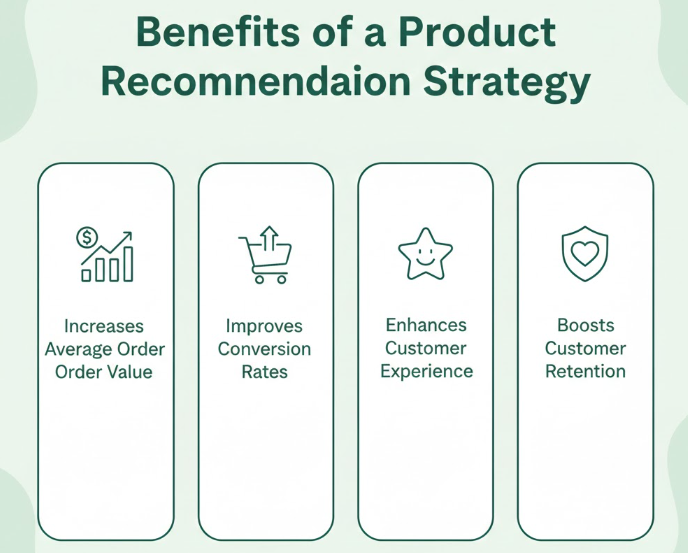
Implementing a well-defined product recommendation strategy offers significant advantages for any ecommerce business. The primary benefits include a noticeable lift in key performance indicators like average order value (AOV) and conversion rates. Furthermore, a personalized approach dramatically improves the customer experience, making shoppers feel understood and valued. Let's explore these advantages in more detail.
One of the most direct financial benefits of a strong recommendation strategy is a significant increase in Average Order Value (AOV). When you present customers with suggestions that are genuinely relevant to their interests, they are more inclined to add those items to their cart, increasing their total spend. This is achieved primarily through strategic upselling and cross-selling.
By using customer data effectively, you can identify opportunities to suggest:
Research confirms this impact, with 54% of retailers reporting that product recommendations are a key driver of their AOV. Personalized suggestions remove friction from the discovery process, making it easy for customers to find and purchase more from your store.
A smart product recommendation engine can dramatically improve your site's conversion rate. By analyzing user behavior, such as browsing history and clicks, these systems help customers find what they are looking for faster, reducing the likelihood that they will leave your site.
Imagine a new visitor feeling overwhelmed by your catalog. Recommendations like "Top Sellers" or "Trending Now" can guide them toward popular choices, simplifying their decision-making process. For returning visitors, a recommendation engine can use their past interactions to surface products aligned with their specific tastes and preferences, making the path to purchase much smoother.
AI plays a crucial role by processing vast amounts of data on product attributes and user behavior to deliver highly accurate suggestions. This level of personalization makes customers feel understood, builds their confidence, and nudges them toward completing a purchase. In fact, recommended products can account for up to 31% of an ecommerce site's total revenue, showcasing their direct impact on sales.
Beyond just driving sales, a thoughtful recommendation strategy fundamentally enhances the overall customer experience. When shoppers receive relevant recommendations, their shopping experience feels less like browsing a generic catalog and more like interacting with a personal shopper who understands their needs. This personalized experience boosts customer satisfaction and user engagement.
For example, suggesting a "Complete the Look" bundle to a customer buying a dress saves them the time and effort of searching for matching accessories. Similarly, a "New Arrivals" section tailored to a user's past purchases helps them discover fresh products they are likely to love. These thoughtful touches make the journey more enjoyable and efficient.
Ultimately, a positive shopping experience builds trust and a stronger connection with your brand. Customers appreciate it when a brand anticipates their needs and helps them discover new items. This focus on delivering a seamless and personalized journey is a powerful way to stand out from the competition.
Effective product recommendations are a powerful tool for boosting customer retention and fostering long-term loyalty. When customers feel that a brand understands their preferences, they are far more likely to return for future purchases. Studies show that 56% of online shoppers are more inclined to revisit a site that offers smart product recommendations.
By analyzing behavioral data across the entire customer journey, you can continue to engage shoppers even after they've made a purchase. For instance, you can use post-purchase emails to suggest complementary items or notify them when a previously viewed product is back in stock. These ongoing, personalized touchpoints keep your brand top-of-mind.
This strategy encourages repeat purchases by continuously helping customers discover new and even products from the catalog. Each positive interaction strengthens their relationship with your brand, transforming one-time buyers into loyal advocates who feel a genuine connection to your business.
Also Read: How Squaties Scaled Order Volume via Performance Bundling.

To truly succeed with personalized recommendations, you need more than just a tool; you need a strategy. The most effective approaches are built on a deep understanding of your business goals and your customers' needs. From setting clear objectives to testing your results, each stage is crucial for building a system that drives growth and improves the user experience.
Before implementing any recommendation engine, the first step is to clearly define what you want to achieve. Having specific goals for your ecommerce business provides a clear focus for your strategy and establishes a benchmark against which you can measure performance and success.
Your objectives will guide the types of recommendations you prioritize and where you place them. Some common goals for a recommendation strategy include:
Once you know your primary goals, you can configure your recommendation engine to drive those specific outcomes. Whether you aim to drive sales directly or enhance customer engagement, a well-defined objective is the foundation of an effective strategy.
Understanding the path your customers take on your site is essential for an effective personalization strategy. A customer journey map provides insight into the different stages a shopper goes through, from their first visit to making a purchase and beyond. This allows you to identify key touchpoints where recommendations can have the most impact.
Each customer is on a unique path. For example, a first-time visitor might benefit from seeing "Best Sellers" on the home page to help them navigate your offerings. In contrast, a returning customer who has items in their cart might be more receptive to "Frequently Bought Together" suggestions to increase their order value.
By analyzing user behavior at each stage, you can tailor the user experience to meet their needs at that specific moment. This deep understanding of the customer journey is critical for delivering recommendations that feel helpful, rather than intrusive, thereby improving customer engagement and guiding them smoothly toward conversion.
To deliver truly personalized recommendations, you need a strong foundation of high-quality customer data. First-party data—information you collect directly from your audience with their consent—is the most valuable asset for ecommerce brands looking to understand customer needs and preferences.
This data provides the insights needed to power effective recommendation engines at scale. There are several types of first-party data you can leverage:
By collecting and analyzing this information, you can build a comprehensive view of your customers and deliver recommendations that drive user engagement and increase order value.
Choosing the right type of recommendation ensures customers receive suggestions that match their needs, boosting venue and improving their experience. Different strategies work best at different stages of the customer journey. It's important to understand the common types to build a comprehensive approach.
Your recommendation engine can be configured to display various kinds of suggestions based on your goals. Some of the most popular and effective strategies include:
By combining these strategies, you can create a dynamic, engaging shopping experience that guides customers to the most relevant products throughout their journey.
To understand the true impact of recommendations on your business metrics, you must A/B test your strategies. Split testing helps refine and optimize product recommendations to ensure they deliver the best results for your ecommerce store. You can compare different recommendation types, placements, or messaging, including testing a control group that sees no recommendations against one that does. This allows you to measure the lift in conversions generated by your strategy.
By dividing your audience and analyzing performance data, you can identify which approach works best. Continuous A/B testing provides the insights needed to improve your recommendation engine and maximize its impact on conversion rate and revenue.
Also Read: How SportsStop Dominated the Diamond and Field with High-Velocity Bundling.
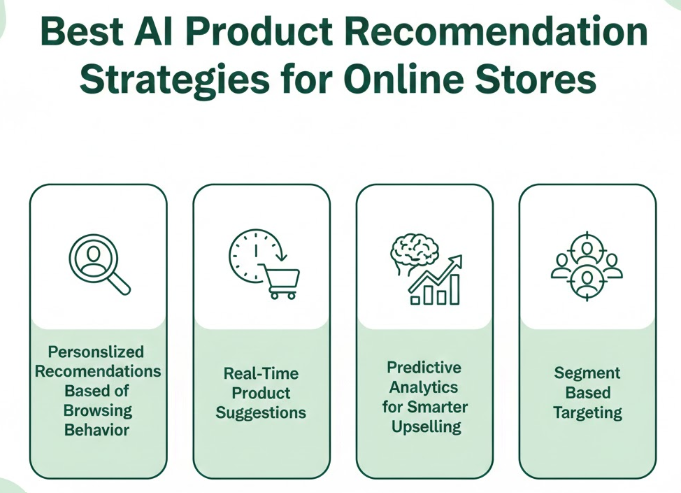
Artificial intelligence has revolutionized ecommerce personalization by enabling product recommendation engines to move beyond simple rules. AI-powered tools analyze massive datasets in real time, uncovering complex patterns in customer behavior that would be impossible for humans to spot. From predicting future interests to offering real-time suggestions, these advanced strategies help create a more intuitive and engaging shopping environment.
One of the most effective AI-driven strategies is to deliver personalized recommendations based on a user's real-time browsing behavior. As a shopper navigates your site, an AI engine can analyze every click, view, and search query to build a dynamic profile of their current interests.
This user data is then used to generate immediate and relevant product suggestions. For example, if a customer views several products with similar attributes, the AI can surface a carousel of similar items they haven't seen yet. This approach is highly effective because it responds directly to the shopper's active intent.
Key applications of this strategy include:
This dynamic personalization helps customers discover more products they might like, keeping them engaged and moving them closer to a purchase.
AI allows your recommendation engine to instantly respond to user behavior by displaying relevant products in real time. This is especially effective during high-intent moments, such as when a customer adds an item to their cart. Instead of waiting for follow-up emails, AI-powered widgets can immediately suggest complementary or frequently bought together items.
By analyzing live interactions and product data, real-time recommendations create a seamless shopping experience. This timely cross-selling approach increases average order value while making the journey feel intuitive and helpful for customers.
Predictive analytics uses machine learning to anticipate what a customer is likely to want next. By analyzing browsing behavior, purchase history, and similar user patterns, AI can forecast future interests and buying intent.
This enables strategic upselling, such as presenting premium alternatives or upgrade options to customers who show high purchase potential. As a result, businesses increase order value while guiding shoppers toward products that better match their needs.
AI excels at customer segmentation, allowing you to group users based on shared characteristics and behavioral data. This enables you to create targeted recommendation strategies for different audience segments, delivering a more personalized experience than a one-size-fits-all approach.
You can create segments based on various criteria to tailor your recommendations effectively. Some examples of powerful segments include:
Segment-based targeting ensures that your recommendations are always relevant to the specific group you're addressing, leading to higher user engagement and conversion rates.
Also Read: What is the Best Shopify Upsell App to Boost Revenue?
Industry leaders worldwide consistently use product recommendation strategy as a cornerstone of their sales strategy. By combining popular products with complementary items, these companies simplify customers' choices and create an irresistible perception of value. This approach is highly effective for increasing sales volume and AOV.
The strategic use allows these giants to protect their profit margins while offering attractive deals. In the sections that follow, we will explore specific examples of how major brands have mastered recommendations to drive significant growth.
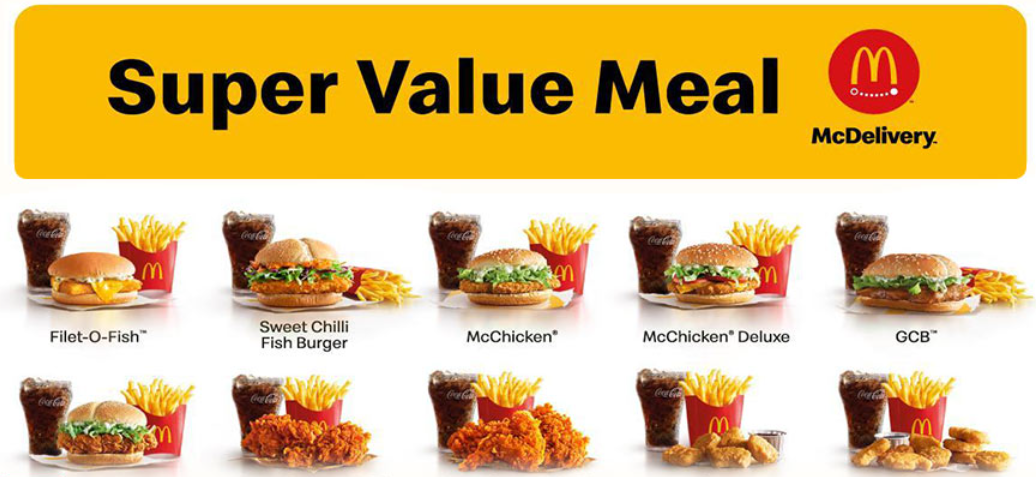
Source: McDonald’s
McDonald’s iconic Value Meals are a prime example of a successful mixed bundle pricing strategy. By combining a burger, fries, and a drink at a lower price than if purchased separately, the fast-food giant simplifies the ordering process and offers undeniable convenience. This strategy taps into the customer's desire for a complete, easy meal.
This approach significantly impacts sales volume, as it encourages customers to upgrade from a single item to a full meal, thereby increasing the average transaction value. It creates a win-win: the customer gets a good deal, and McDonald’s boosts its revenue and streamlines kitchen operations.
The success of this strategy is clear:

Source: Subway
Subway’s meal deals provide another compelling real-world case study of how product bundling can significantly increase sales. The brand offers customers the option to bundle a sandwich with chips or a cookie and a drink for a reduced price. This strategy caters directly to customers' needs for a complete, customizable lunch.
Unlike a pure bundling approach, Subway’s mixed bundling allows customers to purchase individual items or opt for the bundle discount. This freedom of choice is crucial, as it empowers customers while subtly nudging them toward a larger purchase. The result is an increased average order value and a more satisfying customer experience.
Key features of Subway's successful bundle include:

Source: Amazon
Amazon’s “Frequently Bought Together” feature is a brilliant example of dynamic, data-driven bundling in eCommerce. Instead of pre-defining bundles, Amazon uses sophisticated algorithms to analyze customer data and suggest related products that are often purchased together. For example, a customer buying a camera might see a recommendation to add a memory card and a case.
This automated approach to creating bundle products is highly effective because it’s personalized and contextually relevant. By anticipating the customer’s needs, Amazon simplifies the shopping process and significantly increases the chances of an upsell. This leads directly to a larger cart size and a higher average order value (AOV).
The operational advantages are noteworthy:
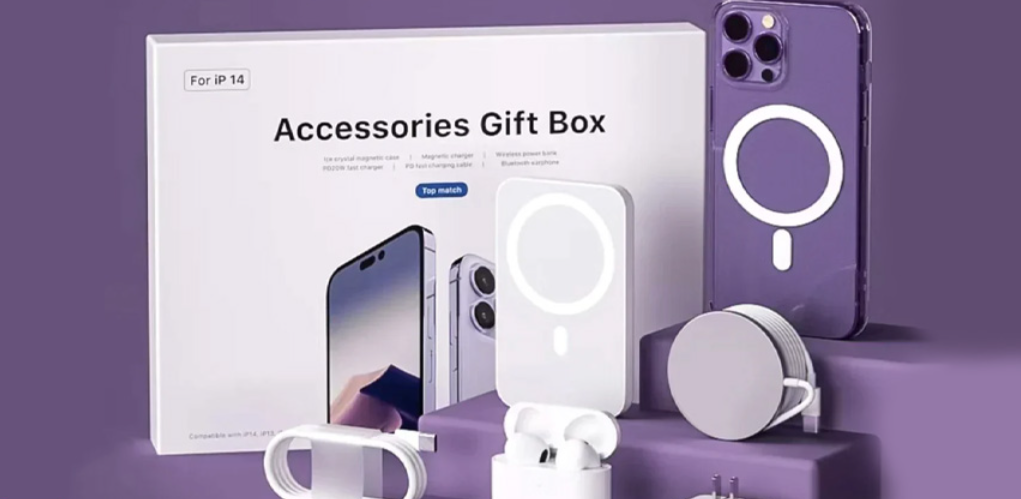
Source: Apple
Apple demonstrates how tech companies can use product bundling to improve revenue by pairing its high-value devices with complementary products. When you buy an iPhone, you are often prompted to add accessories like AirPods or a charger, sometimes with bundle discounts. This strategy encourages larger purchases and seamlessly integrates customers into the Apple ecosystem.
This approach enhances the customer experience by providing a complete solution right from the start. Customers get everything they need for their new device in one transaction, reinforcing the brand's reputation for quality and convenience. This not only boosts immediate revenue but also strengthens long-term customer loyalty.
Apple's bundling success comes from:
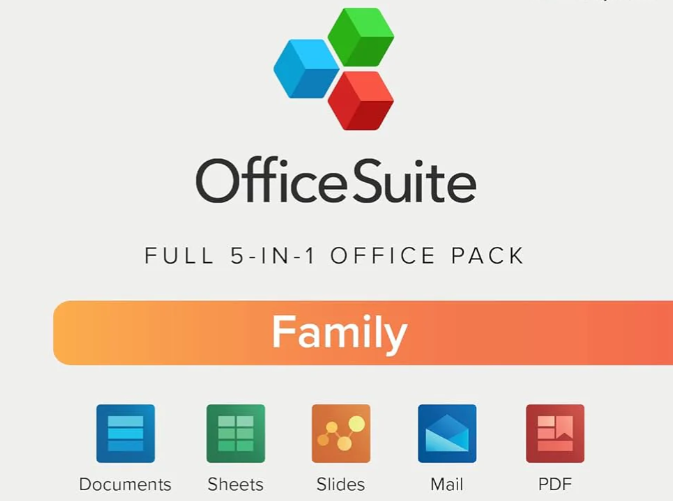
Source: Microsoft Office
Microsoft Office Suite is a classic example of mixed bundling that has generated overwhelmingly positive results. By bundling essential software like Word, Excel, and PowerPoint, Microsoft offers significant added value at a discounted price compared to purchasing each application individually. This makes the suite an indispensable tool for both professionals and students.
The move toward subscription bundles with Microsoft 365 has further solidified its market dominance. This model ensures recurring revenue and provides customers with continuous updates and additional features, such as cloud storage. The bundle pricing is so compelling that most users opt for the full suite rather than individual programs.

Source: Sephora
Sephora masterfully uses product bundling to drive sales and foster customer loyalty in the competitive beauty industry. The brand curates bundles featuring a mix of popular products, often around a theme or a specific skincare routine. These sets allow customers to discover new items at a value, increasing basket size and encouraging experimentation.
A key part of Sephora’s strategy involves seasonal promotions and limited-edition bundles. These create a sense of urgency and excitement, making them highly effective during holidays. One challenge businesses face with this model is managing inventory for limited-time offers, but when done right, it can significantly boost revenue and brand engagement.
Popular bundle types from Sephora include:
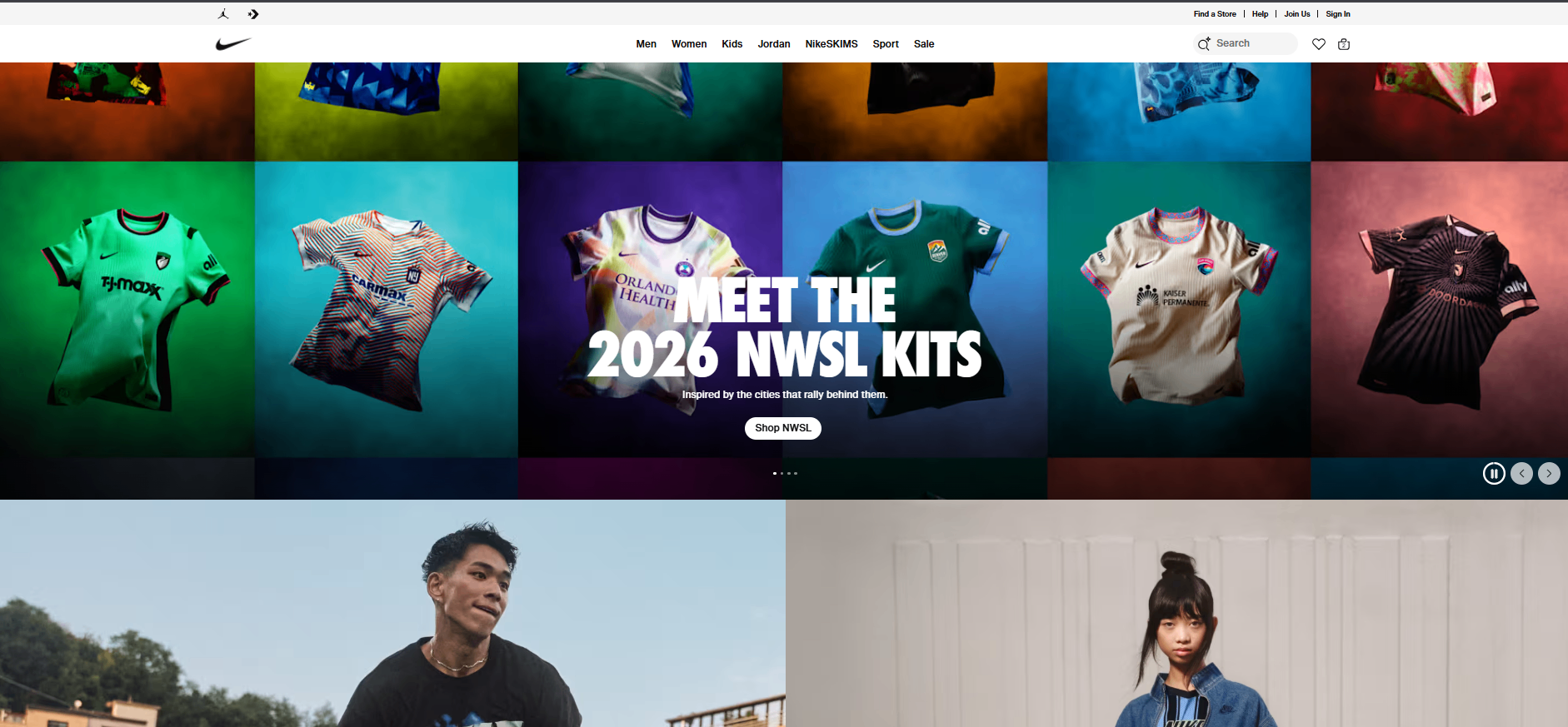
Source: Nike
Nike leverages product bundling to sell entire outfits, transforming a single product search into a full-look purchase. By showcasing complementary items such as shoes, shirts, and shorts, Nike inspires its target audience and simplifies the shopping experience. This is a highly successful retail strategy for upselling related items.
This approach not only boosts the average order value but also strengthens Nike's position as a lifestyle brand. Instead of just selling athletic gear, Nike sells a complete aesthetic. Customers looking for a new pair of running shoes might easily be persuaded to add the matching top and leggings to their shopping cart.
The advantages of Nike's outfit bundles are:
Also Read: What are the Top Upselling Examples for Retail Success?

To justify the investment in recommendation engines, you must be able to measure their performance and calculate their return on investment (ROI). This involves tracking specific key metrics that demonstrate the direct impact of recommendations on your bottom line, such as conversion rate and revenue. Analyzing this data, along with the impact on customer lifetime value, provides a complete picture of your strategy's success.
Measuring the right metrics helps you understand whether your product recommendations are driving real results. These indicators reveal how users engage with suggestions and how those interactions impact revenue.
Click Through Rate (CTR) shows how many users click on recommendation widgets, reflecting relevance and appeal. Conversion Rate measures how many of those clicks turn into purchases, indicating sales impact. Average Order Value (AOV) tracks spending when recommended products are included, highlighting upselling success. Attach Rate shows how often recommended items are added to carts, while Revenue Per Session (RPS) measures total revenue per visitor, giving a clear view of overall financial performance.
Evaluating recommendation performance requires the right tools and analytical methods. Data analytics platforms help collect and interpret performance data, giving you accurate insights into engagement and revenue impact.
A/B testing is especially effective because it compares users who see recommendations with those who do not, allowing you to measure lift in conversions and AOV. Additionally, many ecommerce personalization tools offer built-in dashboards with advanced insights, helping you make data-driven decisions and continuously optimize your strategy.
Revenue attribution modeling assigns credit to the touchpoints that influence a sale. For product recommendations, this means identifying how much revenue is directly generated from customers interacting with recommendation widgets. A common method is last-click attribution, in which the final recommendation clicked before purchase receives full credit. More advanced models distribute credit across multiple recommendation interactions throughout the customer journey.
Clear attribution is essential for calculating ROI. By linking analytics data with sales performance, you can accurately measure the financial impact of your recommendation engine and justify further investment.
An effective recommendation engine should drive long-term loyalty, not just immediate sales. Measuring its impact on Customer Lifetime Value helps you evaluate the broader benefits of personalization.
You can compare customers who regularly interact with recommendations to those who do not, tracking metrics such as purchase frequency, average spend, and retention over time. If engaged customers show higher lifetime value, it confirms that your recommendations are building stronger relationships and supporting sustainable growth.
Also Read: How The Chosen Cultivated a Community through Curated Merchandise Kits.
Product bundling is a powerful way to boost sales and increase average order value. Kefi Product Bundle Builder enables ecommerce brands to create smart, high-converting bundles that encourage customers to buy complementary products together, improving both convenience and revenue. With Kefi, you can showcase “frequently bought together” bundles based on real purchase behavior, pair main products with relevant accessories, and offer bundle discounts that motivate customers to spend more. This streamlined approach enhances the shopping experience while driving higher transaction value and overall store growth.
Book a Demo to see how Kefi Product Bundle Builder works.
Mastering the product recommendation strategy is crucial for businesses seeking to thrive in today’s competitive landscape. By implementing best practices, leveraging AI tools, and focusing on personalized customer experiences, you can significantly enhance your average order value and improve conversion rates. Remember that understanding your customer journey and continuously testing your strategies will lead to better insights and outcomes. As you integrate these tactics into your business model, you'll not only boost sales but also foster long-lasting customer relationships. For those eager to take their product recommendations to the next level, consider exploring Kefi Product Bundle Builder for tailored solutions that can revolutionize your approach.
A product recommendation strategy is a structured approach to suggesting relevant products to customers based on their behavior, preferences, and purchase history. It helps increase engagement, conversions, and average order value by presenting shoppers with items they are more likely to buy.
To boost CTR and conversions with AI product recommendations strategies, focus on real-time personalization, strategic placement on product and cart pages, and continuous A/B testing. Using tools like Kefi Product Bundle Builder can further enhance results by combining AI-driven suggestions with high-converting product bundles.
Recommendations on optimal production strategy involve aligning inventory, demand forecasting, and product bundling with customer buying patterns. By analyzing sales data and recommendation performance, businesses can prioritize high-demand combinations and streamline production planning.
To personalize product recommendations, use first-party data such as browsing behavior, past purchases, and customer segments to deliver tailored suggestions. Combining AI insights with smart bundling solutions, such as Kefi Product Bundle Builder, helps create more relevant offers that increase both customer satisfaction and revenue.
Artificial intelligence enhances a recommendation engine by analyzing vast amounts of user behavior data in real time. This all-enabling personalization, as AI can predict individual customer preferences and adapt suggestions in real time, significantly improves their effectiveness.
For any ecommerce business, essential customer data includes purchase history, browsing history (pages viewed, clicks), and other behavioral data, such as items added to the cart. This information provides a comprehensive view of a user's preferences and intent, which is crucial for delivering accurate and personalized recommendations.
Successful use cases for an ecommerce store include "Frequently Bought Together" bundles on a cart page, "Customers Also Viewed" widgets on product pages, and personalized product suggestions in email campaigns. A recommendation engine can also power "Top Sellers" carousels on the homepage to guide new visitors.
Artificial intelligence improves accuracy by using machine learning to analyze complex patterns in user data and product attributes. The recommendation engine can then identify subtle connections between similar items and user preferences, allowing it to generate suggestions that are far more precise and relevant than rule-based systems.
The best personalization strategy involves mapping the customer journey and using relevant user data at each stage. Combine analysis of product attributes with behavioral data to suggest related items, "complete the look" bundles, and real-time recommendations, creating a truly tailored ecommerce personalization experience for every shopper.
Personalized recommendations increase sales by boosting average order value through strategic upselling and cross-selling of relevant recommendations. They also improve conversion rates by helping customers find products faster and enhancing customer retention, leading to more repeat purchases and a higher lifetime value per shopper.
When personalizing, privacy is paramount. Ecommerce brands must be transparent about the customer data they collect, including behavioral data, and obtain clear consent. Only use first-party data that customers have explicitly shared, and provide easy opt-out options to build and maintain trust with your audience.
You can measure success by tracking key metrics like click-through rate, conversion rate, and average order value. Use data analytics and conduct regular A/B tests to evaluate the performance of different strategies and quantify the direct impact your recommendations have on revenue and customer engagement.
The most effective AI-powered tools are recommendation engines that support advanced ecommerce personalization. Look for platforms that can deliver dynamic content, such as real-time suggestions, "best sellers" based on live trends, and segment-based targeting to create a highly adaptive and personalized shopping experience for every user.
.svg)
