
In today's competitive e-commerce landscape, a strategic approach to product bundling can dramatically influence customer behavior and drive profitability. Deciding between pure bundling, in which products are sold only as an inseparable package, and mixed bundling, which offers flexibility for individual purchases, is a critical pricing strategy decision. The right approach can set your business apart by enhancing value perception and encouraging larger purchases. This article will explore the nuances of each method to help you determine which strategy will work best for your store and how to set the ideal bundle price.
Pure bundling, sometimes called fixed bundling, involves grouping multiple products together and selling them as a single, inseparable unit. With this bundle pricing method, customers cannot purchase any of the individual products from the bundle separately. The entire collection of items becomes a single product—a package with a set price. This strategy is straightforward: you either buy the complete bundle or you don't buy it at all.
The core idea is to create a "take-it-or-leave-it" offer. These product bundles are often presented at a discount compared to the hypothetical cost of buying each item separately, making the single package an attractive deal. This approach simplifies the customer's purchasing decision and can be an effective way to sell complementary items together, ensuring customers get a complete solution in one go.
Mixed bundling presents customers with more options. This bundle pricing strategy involves offering a package of products at a discounted bundle price, while simultaneously making those same individual items available for separate purchase at their regular prices. This approach combines the appeal of a discounted bundle with the freedom of choice, catering to a wider range of customer preferences. You are giving the customer the power to interact with the products and make the final decision.
This strategy is effective because it appeals to different types of buyers. A customer who wants the full set of complementary products can get a good deal with the discounted bundle. At the same time, a shopper who only needs one specific item from the collection isn't forced to buy things they don't want. They can simply purchase the one product they need, which improves the overall shopping experience and customer satisfaction.
The fundamental distinction between pure and mixed bundling centers on customer choice and flexibility. Pure bundling restricts the buyer by offering products only as a single, inseparable package. You cannot pick and choose; it's an all-or-nothing deal. This approach simplifies the offer but limits the customer's options.
In contrast, a mixed bundling strategy empowers the customer by allowing them to purchase items individually or as part of a discounted bundle. This flexibility caters to diverse preferences and needs. While both product bundling methods aim to increase sales, they do so through different approaches to bundling pricing and customer control. Let's examine these differences more closely across several key areas.
Customer choice is the most significant differentiator between these two strategies. Pure bundling offers a streamlined but rigid shopping experience. The customer is presented with a pre-selected bundle of products and cannot alter its contents.
This lack of flexibility can sometimes be a drawback. If a shopper only wants one or two items from the package, they might feel frustrated and decide against the purchase altogether. However, for customers seeking convenience and a straightforward solution, a pure bundle can be the perfect fit. Mixed bundling, on the other hand, puts power in consumers' hands. This approach caters directly to specific customer needs.
The pricing strategies for pure and mixed bundling differ significantly in structure and purpose.
In pure bundling, there is only one fixed price for the entire package. Customers cannot purchase the items separately, so there are no individual price points. The focus is on presenting the bundle as a complete solution with a clear and straightforward value proposition. The incentive here lies in the perceived value, convenience, and completeness of the offering rather than in visible price comparisons.
In mixed bundling, the pricing structure is more flexible and layered. Each product in the bundle has its own standalone price, and there is also a discounted price for purchasing the items together. The bundle price must be lower than the total cost of buying the items individually to create a clear financial advantage. The primary incentive in this model is the direct cost savings customers see when they compare the bundle price to the cost of purchasing the items separately.
In summary, pure bundling relies on simplicity and packaged value to drive sales, whereas mixed bundling leverages comparative pricing and visible discounts to encourage higher order value.
From an operational standpoint, pure bundling is simpler to manage. Since the product bundles are pre-defined and sold as a single SKU, inventory management is streamlined. You are forecasting and tracking a single product rather than multiple individual components across various combinations.
This simplicity is one of the key benefits of product bundling in its purest form. Marketing efforts are also more focused, as you are promoting a single, straightforward offer. Mixed bundling, while more flexible for customers, introduces greater complexity for businesses. You must manage inventory for both the bundle and the individual products, which can be more demanding. Pricing and marketing strategies also require more effort.
The impact on sales and customer appeal varies significantly between the two methods. Pure bundling can be a powerful tool to boost sales volume, especially for complementary products or to introduce new products. By packaging a less popular item with a bestseller, you can increase its exposure and sales.
However, this strategy risks alienating customers who do not want the entire package, potentially leading to lost sales. Mixed bundling often has a broader appeal because it caters to different customer behaviors and preferences. It allows you to capture sales from both value-seeking shoppers and those who want a specific item. This flexibility generally leads to higher overall customer satisfaction and can be more effective at increasing the average order value (AOV).
Also Read: What are the Various Types of Bundles You Can Create?
Pure bundling is a common product bundling strategy that you have likely encountered in various industries. This approach bundles several products or services into a single, non-negotiable offer. The customer must purchase the entire package deal or nothing at all, as the components are not available for individual sale.
These real-world examples highlight how a pure bundling pricing strategy is used to offer comprehensive solutions and simplify customers' decision-making. Let's look at a few specific instances where this method is effectively applied.

Source: OTT Platforms
Many streaming services and traditional cable TV providers are classic examples of pure bundling. When you subscribe to a platform like Netflix or a specific cable TV package, you gain access to an entire library of content for a single bundle price.
You cannot pick and choose which specific shows, movies, or individual channels you want to pay for. The service is offered as an all-or-nothing package. If you want to watch a single original series, you must subscribe to the entire platform. This model is effective because it aggregates value and simplifies the user's choice.

Source: Marriott
All-inclusive resorts are another prime example of pure bundling in the travel industry. When you book a stay at one of these resorts, you typically pay a single price for a comprehensive package deal that includes your accommodations, meals, drinks, and various on-site activities.
This bundle of products and services is designed to provide a seamless, hassle-free vacation experience for customers. You cannot opt out of the meal plan to get a lower room rate, nor can you purchase activities separately. The entire bundle must be purchased together. This approach creates a perception of high value and convenience for travelers.
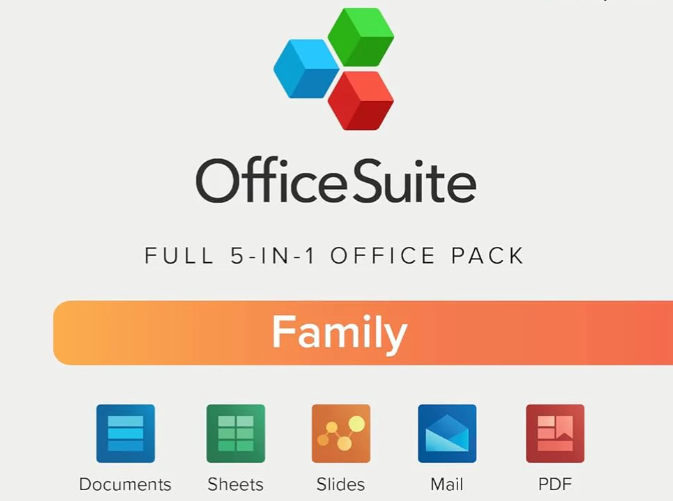
Source: Microsoft Office
Software suites, such as Microsoft Office, have historically used a pure bundle pricing model. In this setup, customers purchase a package that includes a collection of applications like word processing, spreadsheet, and presentation software for a single price.
For a long time, it was not possible to purchase just one of the individual products from the suite. If you needed the word processing program, you had to buy the entire suite. This strategy encourages users to adopt the company's full ecosystem of tools. While some software providers now offer more flexibility, the traditional software suite remains a powerful example of pure bundling.

Source: Sephora
Skincare gift bundles are a common sight in the beauty industry, often utilizing a pure bundling strategy. A brand might offer a "Feel Pampered Skincare Gift Set" that includes a complete daily routine in one box. This package deal is sold as a single product.
For example, a Sephora set might contain a shower cream, deodorant, day cream, face mask, and body lotion. You purchase the box as one item, but you receive multiple popular products inside. These gift bundles are often sold at a reduced price compared to buying each item separately, making them an attractive offer. This approach is especially popular during the holidays and for customers seeking a convenient, pre-selected gift.
Also Read: How SportsStop Dominated the Diamond and Field with High-Velocity Bundling.
Mixed bundling is a highly effective product bundling strategy that offers customers the best of both worlds: a discounted package or the freedom to buy items separately. This flexibility is why you see mixed bundling examples in many different retail environments, from fast food to high tech.
The core of this bundle pricing strategy is choice. It respects the customer's desire to purchase only what they need while offering a better deal if they opt for the bundle. Let's explore some common real-world examples of mixed bundling in action.

Source: McDonald’s
Fast food restaurants are masters of mixed bundling. When you visit a place like McDonald's, you'll see combo meals that package a burger, fries, and a drink into a single, discounted bundle. This is a classic mixed bundling offer.
The key is that you are not forced to buy the combo. If you only want a burger or just a drink, you can purchase those items separately at their regular prices. This strategy caters to everyone, from the hungry customer who wants a full meal to the person just looking for a quick snack. The discounted bundle provides a clear incentive to spend more, directly influencing customer behavior.

Source: Apple
The technology sector frequently uses mixed bundling to sell tech products alongside complementary products. For instance, when you buy a new laptop, the retailer might offer a discounted bundle that includes a mouse, a protective case, and software.
You can purchase the laptop on its own, but the bundle pricing makes adding the accessories more tempting. This allows for many different combinations, giving customers the flexibility to build a package that suits their specific needs while still having the option to buy just the core product. This approach is excellent for upselling and increasing the overall transaction value.
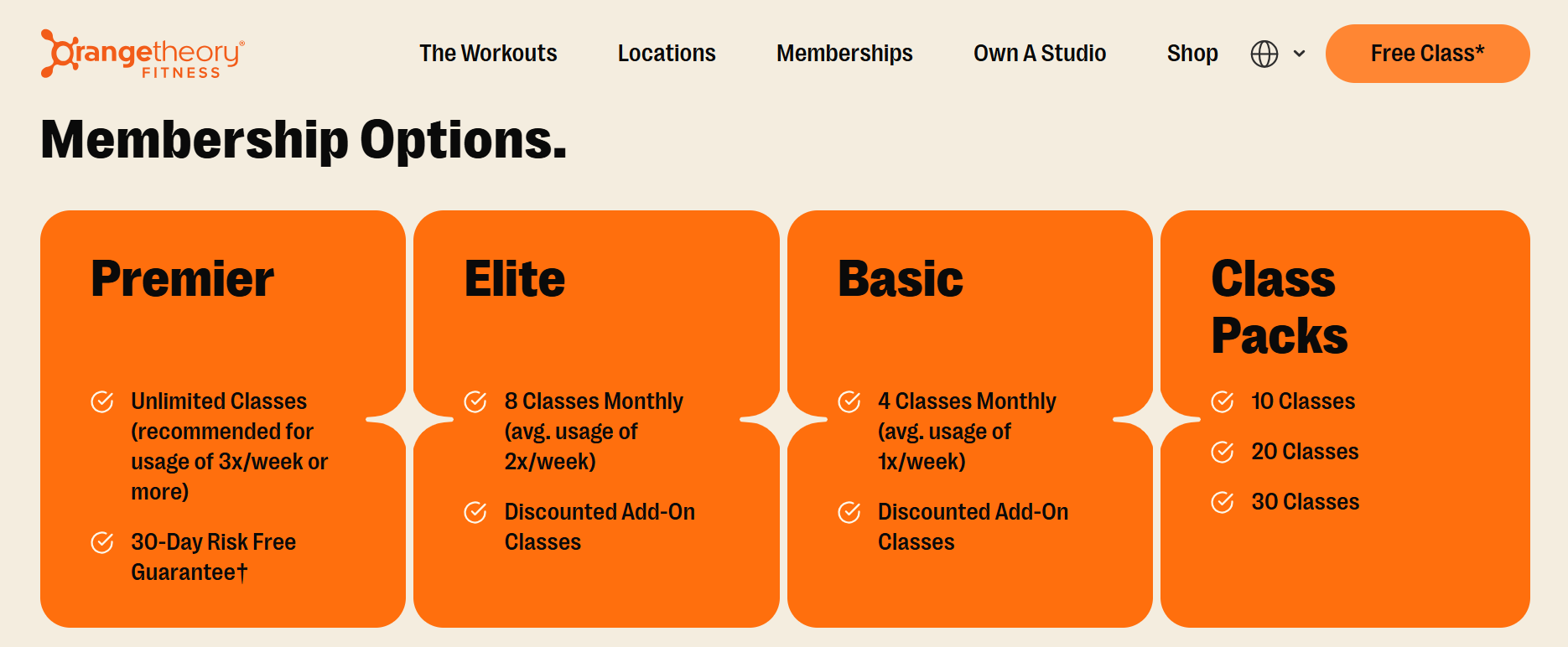
Source: Orangetheory
Gyms and fitness centers often use mixed bundling for their membership packages. A standard membership might grant you access to the gym equipment. However, the gym could also offer a premium bundle of products that includes fitness classes, spa access, and personal training sessions at a discounted rate.
Members can choose the full package for a comprehensive fitness experience or stick to the basic membership and pay for individual classes as they go. This added possibility of choice caters to different budgets and fitness goals. Sometimes, these are offered as limited-time bundles to create a sense of urgency.
This flexibility helps gyms attract a wider range of clients with varying needs and commitment levels.
Also Read: How Calitron Boosted Revenue and AOV with Smart Bundling.

Despite its rigidity, pure bundling offers several compelling advantages for businesses. This strategy simplifies many aspects of selling, from marketing to inventory management. By creating a single, straightforward offer with a clear bundle price, you can streamline operations and potentially increase profit margins.
The cost savings in marketing and logistics can be significant. Furthermore, a well-designed pure bundle can serve as a powerful marketing strategy to differentiate your brand from competitors. Let's delve into the specific benefits this approach can bring to your business.
One of the most significant advantages of pure bundling is its easy implementation. Creating fixed product bundles is a straightforward process for any business, regardless of size. From small online retailers to large enterprises, this bundle pricing strategy is accessible and simple to execute.
You have complete control over what goes into the bundle, the price you set, and how you market it. Because the bundle acts as a single product, it simplifies your e-commerce setup. There's no need to manage complex rules for different combinations or pricing tiers. This simplicity reduces the administrative burden on your team, allowing you to focus on creating desirable bundles that appeal to your customers. It's a clean and efficient way to package and sell your products.
For customers, pure bundling offers a clear and uncomplicated shopping experience. The offer is simple: a pre-selected bundle of products at a single price. This eliminates the decision fatigue that can come with having too many choices, a phenomenon known as choice overload. When a customer sees a pure bundle, they immediately understand the value proposition. They don't have to calculate savings or compare different combinations. The simple process of adding one item to their shopping cart to receive multiple related products is convenient and appealing.
This straightforwardness can lead to a smoother customer journey and quicker purchasing decisions. When the offer is easy to grasp, customers are more likely to feel confident in their purchase and proceed to checkout without hesitation.
Pure product bundling can be a strategic tool for effective inventory management. By pairing a slow-moving or less popular item with a bestseller, you can increase the sales velocity of the underperforming product. This helps you clear out stock more efficiently and avoid excess inventory.
This strategy is particularly useful for selling related products together. If you have accessories that are often overlooked, bundling them with a primary product ensures they get sold. It turns each component into an essential part of the bundle. This approach not only improves inventory turnover but also enhances cash flow. Instead of tying up capital in slow-moving stock, you can convert it into revenue by strategically including it in attractive bundles.
Ultimately, the goal of any pricing strategy is to boost sales, and pure bundling can be very effective in this regard. By offering a bundle at an attractive bundle price, you create a perception of high value that can drive sales volume. Customers are often willing to spend more when they feel they are getting a great deal.
Moreover, unique and well-curated bundles can become a significant competitive advantage. If you offer a package your competitors don't, you can attract customers seeking that specific solution or value. This differentiation can help you capture a larger share of the market. Personalized or exclusive bundles can also foster customer loyalty, as shoppers come to your store for unique offers they can't find elsewhere. This strategy can turn a simple purchase into a memorable brand experience.
Also Read: How Puur Scaled Average Order Value via Intelligent Accessory Pairing.

Mixed bundling offers a powerful combination of benefits by blending the appeal of a discount with the freedom of customer choice. This flexibility is its greatest strength, leading to higher customer satisfaction and broader market appeal. This bundle pricing strategy empowers both the seller and the buyer.
By allowing customers to choose between a bundle and individual items, you cater to a wider audience and create more sales opportunities. Let's explore the key advantages of mixed bundling that make it such a popular and effective strategy for e-commerce businesses.
The primary benefit of mixed bundling is the enhanced flexibility it provides to customers. Unlike pure bundling, this approach does not force shoppers into a one-size-fits-all solution. Instead, it respects their individual needs and preferences by offering them genuine customer choice.
A customer can evaluate the product bundles and decide if the entire package is right for them. If it is, they can take advantage of the discount. If not, they are free to purchase only the specific items they need without being burdened by unwanted products. This freedom creates a more positive and empowering shopping experience. When customers feel they are in control of their purchasing decisions, they are more likely to be satisfied with their choices and view your brand favorably.
Mixed bundling is a natural engine for upselling and cross-selling. The discounted bundle price acts as a powerful incentive for customers to add more items to their cart. A shopper who may have intended to buy only one product can be persuaded to purchase related products when they see the value in the bundle.
This strategy effectively increases the average order value. For example, when a customer buys a subscription, you can offer additional items or a small gift as part of a larger package. The "fries and shake" added to a main order is a classic example of this in action. By suggesting complementary items as part of an attractive deal, you can guide customers toward a larger purchase without being forceful. It's a subtle yet effective way to encourage them to explore and buy more of your offerings.
By catering to different customer behaviors and preferences, mixed bundling naturally leads to higher customer satisfaction. Potential buyers who want just one item are not turned away, while those looking for a deal can find it in the bundle. This inclusive approach broadens your market appeal.
A positive customer experience is crucial for building loyalty. When shoppers feel respected and have a sense of choice, they are more likely to become repeat customers. Mixed bundling acknowledges that not all customers are the same and provides options to meet their varied needs. This versatility makes your brand accessible to a wider audience, from budget-conscious shoppers to those seeking specific products. The result is a more satisfied customer base and a stronger, more resilient business.
Mixed bundling gives businesses greater control over revenue optimization by capturing different levels of customer willingness to pay. Customers who only need one item can still convert at full price, while value-driven shoppers are motivated by the discounted bundle offer. This layered pricing approach helps maximize total revenue instead of relying on a single sales model.
It also allows brands to strategically position premium or complementary products within bundles to increase perceived value. By carefully structuring pricing tiers, you can boost average order value while maintaining healthy margins. This balance between flexibility and profitability makes mixed bundling a highly effective long term growth strategy for ecommerce brands.
Also Read: Top Bundles and Discount Strategies to Boost Sales?
Pure bundling is an ideal strategy for businesses whose products have natural synergy or whose value lies in the complete package. It works exceptionally well for digital goods with near-zero marginal costs, such as software suites, e-book libraries, or streaming service subscriptions. In these cases, offering the entire bundle as a single product maximizes value for the customer and simplifies delivery for the business. This approach is also perfect for creating curated experiences, such as limited-edition gift sets or starter kits, where expert selection is the main selling point.
Companies focused on operational efficiency should also consider pure bundling. If you want to streamline inventory management and fulfillment by selling a pre-packed kit as one SKU, this method is highly effective. It's also a strong choice for leader bundling, where a popular leader product is packaged with less-known accessories to boost its sales. If your goal is to sell a comprehensive solution and the customer's need for individual components is low, pure bundling provides a simple, powerful way to drive sales.
Mixed bundling is the superior choice for businesses with diverse customer needs and a catalog of individual products that also work well together. Retailers in fashion, beauty, home goods, and electronics should strongly consider this strategy. In these industries, customers often want to mix and match items to create their own look or solution. Mixed bundling allows them to do this while still offering an incentive to buy a pre-suggested bundle. If your inventory includes hero products and complementary accessories, a mixed-bundle approach lets you monetize both value-seeking shoppers and those who came for just one item.
This strategy is also perfect for businesses looking to maximize revenue and average order value without alienating any segment of their customer base. If you have products that can stand on their own but become more valuable when paired together, a "match bundle" or "build your own bundle" offer is a powerful tool. When flexibility and customer choice are paramount to your brand's customer experience, mixed bundling provides the versatility needed to satisfy a broad audience and drive growth.
Also Read: How Mica increased its AOV by more than 100% through Mix & Match Magic.
To effectively boost sales, you need a tool that can seamlessly execute your chosen bundle pricing strategy. The Kefi Product Bundle Builder is designed to give you the flexibility to implement both pure and mixed bundling with ease. For pure bundling, you can create fixed-set bundles that function as a single product, perfect for gift sets or starter kits. This simplifies inventory and provides a clear, high-value offer to your customers, packaging popular products together in a discounted bundle that is easy to purchase.
For a more dynamic approach, Kefi excels at creating mixed-bundling experiences, such as "Mix & Match" offers or custom bundle builders. This empowers your customers with choice, leading to higher customer satisfaction and increased average order value. You can set rules to unlock a discounted bundle once customers add a certain number of items to their cart, encouraging larger purchases. By leveraging a versatile tool like the Kefi product bundle builder, you can test both strategies, find what resonates with your audience, and ultimately boost sales and customer loyalty.
Book a Demo to see how Kefi Product Bundle Builder works.
Understanding the differences between mixed bundling and pure bundling is essential for businesses looking to optimize their sales strategies. Each approach offers unique advantages that cater to varying customer needs and preferences. By carefully analyzing your target audience and market dynamics, you can make informed decisions about which bundling strategy will yield the best results. Emphasizing flexibility, pricing structure, and customer appeal can significantly enhance your marketing efforts and ultimately boost revenue. Take the next step in refining your bundling strategy by exploring how Kefi Product Bundle Builder can help you leverage both pure and mixed bundling effectively.
Mixed bundling vs pure bundling refers to two different pricing approaches. In pure bundling, products are sold only as a package, while in mixed bundling, customers can buy items individually or as a discounted bundle. The main difference lies in flexibility and pricing structure.
To switch from pure bundling to mixed bundling, start by making the individual components of your bundle available for separate purchase. Then, adjust your bundle pricing to offer a clear discount compared to buying the items individually. This flexibility can maximize revenue and build customer loyalty by catering to a wider range of needs.
A business should choose pure bundling for certain product types, such as digital goods or curated kits, where the value lies in the complete package. If customer needs are uniform, and your marketing strategy is focused on simplicity and operational efficiency, pure bundling is often the more effective choice over mixed bundling.
Pure bundling can increase sales volume for specific bundles but may reduce overall sales revenue by alienating customers who want individual items. Mixed bundling often maximizes revenue by capturing sales from both bundle-seekers and single-item buyers, effectively appealing to a broader audience without being limited by a single price point.
Pure bundling is common in industries like software (software suites), media (cable TV packages), and travel (all-inclusive resorts). Mixed bundling is prevalent in retail, tech accessories, and food service, with classic examples such as fast-food restaurants offering combo meals alongside individual items.
When switching from pure bundling to mixed bundling, your pricing strategies become more complex. You must establish prices for individual items in addition to the discounted bundle price. The key is ensuring the discounted bundle offers a clear and attractive saving compared to the sum of the individual parts.
An example of a bundle in online stores is a laptop sold with a mouse and a laptop bag at a discounted combined price. Merchants can easily create such offers using Kefi Product Bundle Builder to automate pricing and track results.
Bundled mix refers to combining complementary products into a single package to increase perceived value. It helps brands promote related items together and improve cross-selling opportunities.
The best pure vs mixed bundling strategy depends on your product type and customer behavior. Mixed bundling often works well for e-commerce because it offers flexibility and upsell opportunities. Apps like Kefi Product Bundle Builder help you test both strategies and optimize performance.
Pure vs mixed bundling pricing differs in structure. Pure bundling has one fixed price for the entire package, whereas mixed bundling includes individual product prices plus a discounted bundle rate. The discount incentive is central to the mixed bundling model.
A pure bundling vs. mixed bundling example would be a software suite sold only as a complete package, versus a fast-food combo where items are available individually or as a meal deal. The second case represents mixed bundling because customers have purchasing options.
.svg)
