

In today's competitive market, driving repeat purchases and cultivating customer loyalty are paramount. Businesses are constantly searching for effective ways to turn one-time buyers into loyal customers. Two popular strategies, loyalty programs and rewards programs, are often used to achieve this, but they operate on different principles. Understanding the distinction between building a long-term relationship and offering a short-term incentive is crucial for choosing the right approach to boost retention and grow your brand.
A loyalty program is a structured, long-term strategy designed to build deep, lasting relationships with your customer base. The core objective is to foster genuine customer loyalty that transcends simple transactions. Instead of just offering discounts, these programs focus on enhancing the overall customer experience through personalized offers, exclusive benefits, and recognition. The goal is to create an emotional connection that turns satisfied customers into passionate brand advocates.
The main difference between a loyalty program and a rewards program lies in their focus. While rewards programs are transactional, loyalty programs are relational. They use incentives like loyalty points not just to drive the next sale, but to build a consistent habit and make customers feel valued as part of an exclusive community. This approach aims to increase customer lifetime value by fostering strong brand loyalty that keeps customers coming back over the long haul.

Loyalty programs are powerful tools for encouraging repeat purchases by focusing on long-term customer relationships rather than single transactions. They create a system that consistently rewards customers for their engagement, making them feel valued and recognized. This builds a positive feedback loop that strengthens their connection to your brand. Let's explore the specific ways these programs foster this behavior.
Loyalty programs encourage repeat purchases by offering rewards for every transaction, giving customers a clear reason to return. Each purchase contributes to future benefits, creating a cycle that motivates customers to continue engaging with the brand. When the reward system is simple and achievable, such as a points-based structure, customers can easily track their progress, which builds excitement and encourages additional purchases. Over time, this consistent incentive system drives not just occasional repeat buys but sustained purchasing behavior.
Loyalty programs help turn occasional purchases into consistent habits by rewarding customers regularly. When customers know they will gain value from every interaction, choosing the same brand becomes a natural decision rather than a conscious one. The process of earning points, unlocking tiers, or accessing perks creates a behavioral loop that keeps customers engaged. As this pattern continues, the brand becomes part of the customer’s routine, strengthening both retention and long-term loyalty.
A key advantage of loyalty programs is their ability to use customer data to deliver personalized experiences. By understanding purchase history and preferences, businesses can offer tailored rewards, product suggestions, and exclusive deals that feel relevant to each customer. This level of personalization increases engagement and makes customers feel recognized and valued. As a result, customers are more likely to return and interact with the brand, building a stronger and more meaningful relationship over time.
Loyalty programs are designed to create ongoing engagement rather than one-time interactions. By offering benefits such as exclusive access, tiered rewards, and special experiences, they keep customers connected to the brand beyond individual purchases. This continuous interaction builds a deeper emotional connection and increases customer commitment. Over time, engaged customers are more likely to remain loyal, make repeat purchases, and even advocate for the brand, contributing to sustained business growth.
Also Read: Pros and Cons Loyalty of Programs: Is It Worth It?
Reward programs are marketing strategies that offer customers direct incentives for performing specific actions, most commonly making a purchase. These programs are transactional by nature, focusing on providing immediate value to motivate a quick response. Common incentives include reward points, discounts on future purchases, cash back, or free products. The structure is typically simple: a customer completes a qualifying action and receives a predefined reward.
The primary difference between a reward program and a loyalty program lies in their scope and objectives. Reward programs are geared toward short-term outcomes, such as boosting sales during a promotion or encouraging a second purchase. They enhance the customer experience with instant gratification, which can increase customer satisfaction in the moment. However, they generally lack a broader, long-term retention strategy built into their design and focus less on building an emotional connection.

Rewards programs can positively affect customer retention, primarily by providing a compelling, short-term reason for customers to return. The promise of earning reward points or a discount on their next purchase serves as a direct incentive to drive repeat business. These incentive programs are effective at nudging behavior in the moment. Let's look closer at how they achieve this.
Rewards programs are highly effective at providing immediate value, which strongly motivates customers to make a purchase. When customers know they will receive a discount, cashback, or redeemable points, the buying decision becomes easier and more appealing. This sense of instant gratification is especially powerful for new or hesitant customers, helping drive quick conversions. While this approach encourages repeat purchases, it often builds a transactional relationship rather than a deep emotional connection with the brand.
Rewards programs help reduce price sensitivity by shifting customer focus from cost to perceived value. When customers expect a reward for their purchase, they are more willing to choose a brand, even if it is slightly more expensive than competitors'. The anticipation of earning points or unlocking benefits makes the overall offer feel more valuable. This not only improves retention but also helps businesses maintain healthier margins without relying heavily on constant discounting.
Rewards programs are particularly effective at driving short-term engagement and increasing conversion rates. Their simple structure and immediate benefits create a sense of urgency that encourages customers to act quickly. This makes them ideal for promotions, product launches, or re-engaging inactive customers. However, while they can generate quick spikes in activity, their impact may not always translate into long-term behavioral change without additional loyalty-building strategies.
Rewards programs work especially well for businesses that rely on frequent, low-effort purchases. By offering simple incentives, such as earning a free product after a set number of purchases, they encourage customers to return regularly. The clear and achievable reward structure motivates customers to stick with one brand rather than switching among competitors. This consistency helps build routine purchasing behavior, ultimately supporting stronger retention over time.
Also Read: What are the Best Loyalty Apps for Shopify Growth?

Choosing the right customer loyalty and rewards programs is crucial to aligning your loyalty strategy with your business goals and customer expectations. There are several types of loyalty programs and proven reward models, each with unique strengths. Understanding these options will help you design a program that effectively incentivizes and retains your customers.
Points-based loyalty programs are one of the most common and straightforward reward programs. Customers earn loyalty points for specific actions, primarily making purchases, but also for activities like writing reviews or referring friends. These points act as a form of currency that can be redeemed for discounts, free products, or other rewards.
The simplicity of this model is its greatest strength. Customers can easily understand the value proposition: spend more to earn more. This direct link between spending and rewards effectively encourages repeat purchases and can increase average order value.
To keep the program exciting, you can offer bonus points during promotional periods or for purchasing specific items, allowing customers to redeem points for discounts on their next purchase. This flexibility allows you to drive specific behaviors and keep customers engaged over the long term. Many successful brands, like Newegg with its EggPoints, use this model to motivate proactive customer participation.
A tiered-based loyalty program effectively cultivates brand loyalty by incentivizing customers to ascend through various levels of status and rewards. By offering exclusive perks such as early access to new products, bonus points on purchases, or deeper discounts at higher tiers, these programs foster deeper customer engagement. This approach not only increases the average order value but also encourages repeat purchases, as members strive to unlock further benefits, thereby enhancing overall customer retention and lifetime value.
To maximize the impact of tiered loyalty strategies, businesses should meticulously analyze customer behavior and preferences. Tailoring rewards to reflect the unique demographics of program members allows for a more personalized shopping experience, fostering emotional connections.
The structured progression from entry-level to higher tiers creates excitement and motivates participation, driving sustained relationships with the most loyal customers while simultaneously elevating sales performance.
Subscription or paid membership programs require customers to pay a recurring fee, either monthly or annually, in exchange for instant access to a suite of exclusive perks. Giants like Amazon Prime and Walmart+ exemplify this model. The key is to offer benefits so valuable that the membership fee feels like a bargain.
Common perks include free and fast shipping, exclusive discounts, early access to sales, and access to premium content or services. By paying an upfront fee, customers make a conscious commitment to your brand, which significantly increases their likelihood of repeat purchases and maximizes the value of their membership.
This model is particularly effective for businesses with a broad product range and a large customer base. It creates a predictable revenue stream and fosters an incredibly loyal customer base deeply integrated into your brand's ecosystem.
Value-based loyalty programs go beyond transactional rewards to build a deeper, emotional connection with customers. These initiatives align your brand with a cause or value that resonates with your target audience. Instead of redeeming points for discounts, customers might have the option to donate their rewards to a charity.
This approach fosters loyalty by appealing to customers' values and sense of purpose. When shoppers feel that their purchases contribute to a greater good, their relationship with the brand becomes more meaningful. The Body Shop's charity-based rewards are a great example of this strategy in practice.
While programs like Sephora's Beauty Insider focus on product-related perks, a value-based model builds brand love on a different level. By creating a shared sense of mission, you can cultivate a community of loyal customers who are connected to your brand for reasons that transcend price and product.
A hybrid loyalty program combines elements from two or more program types to create a customized loyalty experience. For example, a program might feature a points-based system within a tiered structure, allowing members to earn points on purchases as they strive to unlock the exclusive benefits of higher tiers.
This approach offers maximum flexibility, enabling you to tailor the program to your specific business goals and customer preferences. You can create a multi-faceted experience that appeals to a broader range of customers, from casual shoppers to your most dedicated fans.
By carefully blending different mechanics, you can design a unique program that stands out from the competition. A well-executed hybrid model can deepen customer relationships and provide multiple avenues for engagement, creating a powerful engine for long-term business growth.
Also Read: How Minimal Home Redefined Interior Elegance through Strategic Upselling.
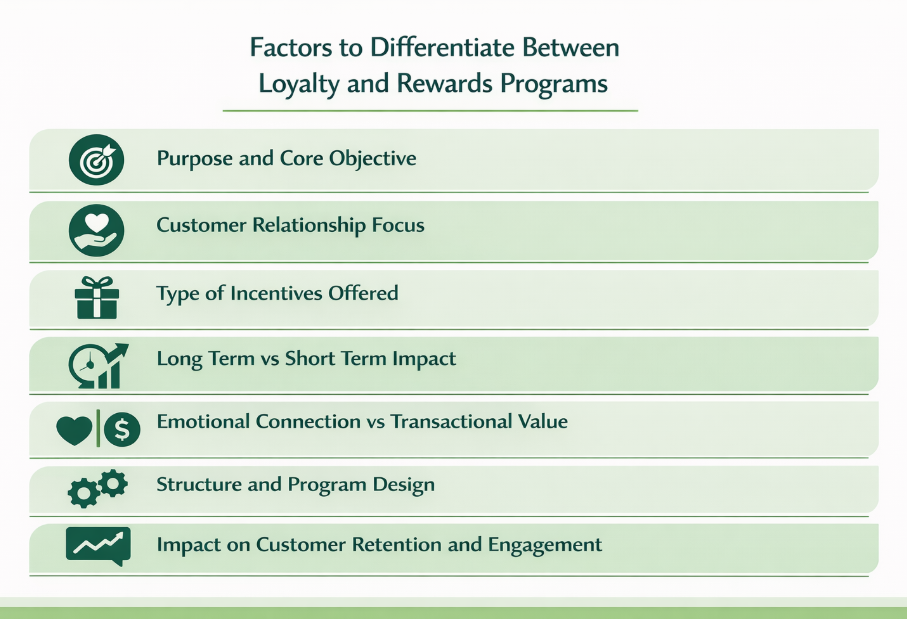
Loyalty programs focus on fostering customer relationships through exclusive benefits and personalized experiences, while rewards programs incentivize purchases with points or discounts. Both aim to enhance customer retention, but they differ in their approaches and structures, catering to different consumer motivations.
The core purpose is the first major difference between loyalty and rewards programs. Rewards programs are designed to drive immediate, short-term actions such as increasing sales, boosting conversions, or encouraging quick repeat purchases. In contrast, loyalty programs focus on long-term goals by building strong customer relationships and increasing customer lifetime value. When evaluating loyalty vs rewards programs, businesses must decide whether they want quick results or a sustained growth strategy centered on retention.
A key distinction in loyalty vs rewards programs lies in how they approach customer relationships. Rewards programs maintain a transactional relationship in which customers primarily engage to receive incentives. Loyalty programs, however, prioritize building deeper connections by making customers feel valued, recognized, and part of a community. This shift from transactional to relational engagement is what makes loyalty vs rewards programs fundamentally different in how they influence long-term customer behavior.
The types of incentives offered highlight another important difference between loyalty and rewards programs. Rewards programs typically provide simple, tangible benefits such as discounts, cash back, or points that can be redeemed quickly. Loyalty programs go beyond this by offering experiential and exclusive benefits such as tiered perks, early access, and personalized rewards. When comparing loyalty vs rewards programs, it becomes clear that one focuses on immediate value, while the other aims to create a more meaningful and memorable customer experience.
The impact timeline is a crucial factor in loyalty vs rewards programs. Rewards programs are highly effective for generating short-term results, such as quick sales spikes or campaign-driven engagement. However, their impact may fade once the incentive is removed. Loyalty programs, on the other hand, are built for long-term impact, gradually increasing retention, engagement, and customer lifetime value. Choosing between loyalty vs rewards programs depends on whether a business prioritizes immediate gains or sustainable growth.
At the core of loyalty vs rewards programs is the difference between emotional connection and transactional value. Rewards programs appeal to customers seeking immediate benefits and cost savings, making the relationship largely transactional. Loyalty programs aim to build an emotional bond by creating a sense of belonging and recognition. This emotional connection encourages customers to stay loyal even when alternatives are available, making loyalty vs rewards programs very different in how they influence customer decisions.
The structure and design also vary significantly in loyalty vs rewards programs. Rewards programs are usually simple and linear, where customers earn and redeem points in a straightforward manner. Loyalty programs often include tiered systems that reward customers based on their engagement and spending levels, creating a sense of progression. When comparing loyalty vs. rewards programs, this design difference plays a key role in how effectively each program drives ongoing participation.
Both models aim to improve retention, but the depth of impact differs in loyalty vs rewards programs. Rewards programs encourage repeat purchases through incentives, but this engagement is often short-lived and dependent on ongoing offers. Loyalty programs create stronger, longer-lasting relationships by combining rewards with emotional connection and recognition. As a result, loyalty vs rewards programs differ in their ability to drive consistent engagement, higher retention, and long-term customer value.
Also Read: How The Chosen Cultivated a Community through Curated Merchandise Kits.
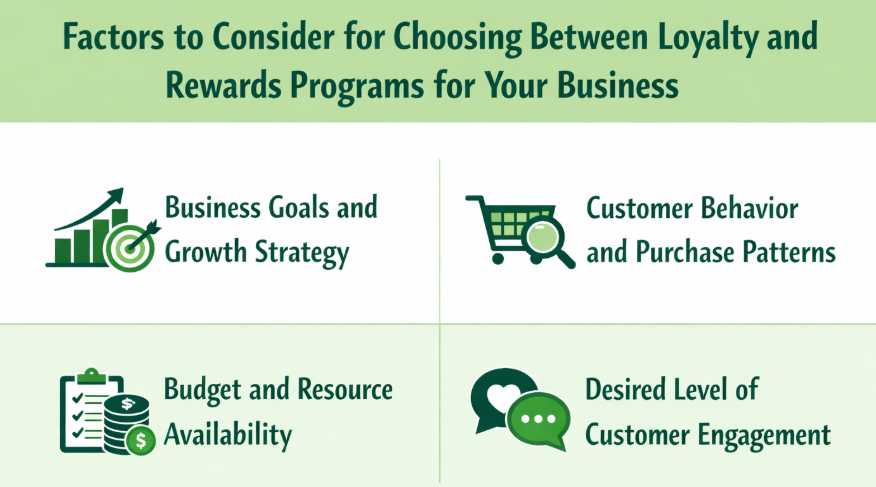
Your loyalty strategy should align with your company's resources, your customers' purchase habits, and your brand identity. Considering factors such as your primary objective, customer behavior, budget, and desired engagement level will guide you toward the right choice to drive specific actions and achieve sustainable success.
Your primary business goals should guide your decision when evaluating loyalty vs rewards programs. If your focus is on short-term gains like increasing sales, clearing inventory, or boosting campaign conversions, a rewards program can deliver quick and measurable results. However, if your goal is long-term growth, a loyalty program is better suited as it focuses on building lasting relationships, increasing customer lifetime value, and reducing churn. Choosing between loyalty vs rewards programs ultimately depends on whether your strategy prioritizes immediate outcomes or sustainable brand growth.
Understanding customer behavior is essential when deciding between loyalty vs rewards programs. For businesses with high-frequency purchases, such as consumables, a loyalty program helps build habits and encourages repeat buying over time. On the other hand, if your products are purchased infrequently or are high-value items, a rewards program can be more effective in influencing one-time decisions. By analyzing how often customers buy and what motivates them, businesses can choose between loyalty and rewards programs in ways that align with real purchasing patterns.
Budget and internal resources play a key role in choosing between loyalty vs rewards programs. Rewards programs are generally easier and more cost-effective to implement, requiring fewer tools and less ongoing management. In contrast, loyalty programs often need more advanced software, data tracking, and continuous optimization, making them a bigger investment. When comparing loyalty vs rewards programs, businesses must consider whether they have the resources to support a long-term engagement strategy or if a simpler, short-term approach is more practical.
The level of engagement you want to create with your customers is another important factor in deciding between loyalty vs rewards programs. Rewards programs are typically transactional, focusing on simple interactions, such as making a purchase, in exchange for a benefit. Loyalty programs, however, aim to build deeper relationships by encouraging ongoing engagement through multiple touchpoints such as reviews, referrals, and social interactions. When evaluating loyalty vs rewards programs, businesses should align their choice with how deeply they want to connect and interact with their customers over time.
Also Read: What is the Essential Loyalty Program for Small Business?
The most effective strategy often involves combining the best of both worlds. You can use immediate rewards to drive short-term action while enrolling customers in a long-term loyalty program. With a platform like Kefi Loyalty Program, VIP Tier, you can seamlessly integrate these approaches. For example, you can offer a quick discount to encourage a second purchase while also tracking customer activity toward a VIP tier. This hybrid model allows you to boost retention by meeting customers where they are, whether they are motivated by instant gratification or long-term status.
Kefi's VIP Tier functionality is particularly powerful for driving sustained customer engagement and retention. By creating tiered loyalty rewards, you give your best customers a clear path to exclusive benefits, early access, and special recognition. This not only incentivizes higher spending but also builds a strong emotional connection, transforming your top customers into passionate brand advocates. Using Kefi, you can design a comprehensive loyalty program that delivers both immediate value and lasting loyalty.
Book a Demo to see how Kefi Loyalty Program, VIP Tier works.
In summary, both loyalty and rewards programs play crucial roles in enhancing customer retention, yet they serve different purposes. Loyalty programs foster long-term relationships by creating emotional connections with customers, while rewards programs offer immediate value, encouraging short-term engagement. Understanding the distinctions between these two approaches is essential for businesses aiming to maximize customer retention. By carefully evaluating your business goals, customer behaviors, and available resources, you can decide which program aligns best with your objectives. Embracing a tailored approach that leverages the strengths of both models can lead to sustained engagement and loyalty. If you're ready to take your customer retention to the next level, consider exploring the Kefi Loyalty Program and its VIP-tier options to achieve enhanced results.
Yes, subscription-based loyalty programs can outperform simple rewards programs for long-term customer retention. They create predictable revenue and foster deeper customer loyalty by offering continuous value and exclusivity, making them a powerful component of modern marketing strategies designed to lock in a customer base.
A typical loyalty program is Sephora's tiered Beauty Insider program. A typical rewards program is a simple points-based "buy 10, get 1 free" punch card at a local cafe. The former builds a relationship with the customer base, while the latter drives a specific transactional outcome.
In a loyalty program, points-based rewards offer more flexibility to create an engaging customer experience with aspirational rewards and exclusive perks. Cashback is simpler and offers direct monetary value, appealing to price-sensitive customers, but can feel more transactional and less special.
VIP cards are a feature of loyalty programs, not rewards programs. They signify status and grant access to exclusive benefits, such as special events, not just transactional rewards like free products. They are designed to recognize and retain a brand's most valuable customers through elevated experiences.
A business should consider its primary business goals, target customer behavior, budget, resource availability, and desired level of customer engagement. Aligning your loyalty strategy with these factors is crucial for choosing the right program as part of your overall marketing tactics.
The main difference is focus: a loyalty program is relational, aiming to build long-term customer relationships through recognition and exclusive loyalty rewards. A rewards program is transactional, focused on driving immediate action by offering straightforward transactional value in exchange for a purchase.
Loyalty programs focus on building long-term relationships by encouraging repeat engagement and emotional connection with a brand. Rewards programs, on the other hand, are more transactional, offering immediate incentives such as discounts or cash back to drive quick purchases.
A loyalty program encourages consistent engagement and long-term commitment by offering ongoing benefits and progression. In contrast, a reward program primarily influences short-term actions by motivating customers to purchase through immediate incentives.
The difference between rewards, bonuses, and loyalty cards lies in how they engage customers. A rewards bonus offers instant incentives, such as discounts or cash back, for a purchase, focusing on short-term motivation. A loyalty card, however, tracks repeated purchases over time and rewards consistency, aiming to build long-term customer relationships.
.svg)
