What is Shopping Cart Optimization?

How to Master Shopping Cart Optimization?

Shopping Cart Optimization

Key Highlights

  • Mastering shopping cart optimization is critical to reducing cart abandonment, which averages around 70%.
  • A streamlined cart page and checkout process significantly boost your conversion rate.
  • Integrating trust badges and multiple payment options builds customer confidence and security.
  • Mobile optimization is non-negotiable, given the high cart abandonment rates on mobile devices.
  • Leveraging smart product recommendations can increase your average order value (AOV).
  • Transparent pricing and clear order summaries are essential for a positive customer experience.

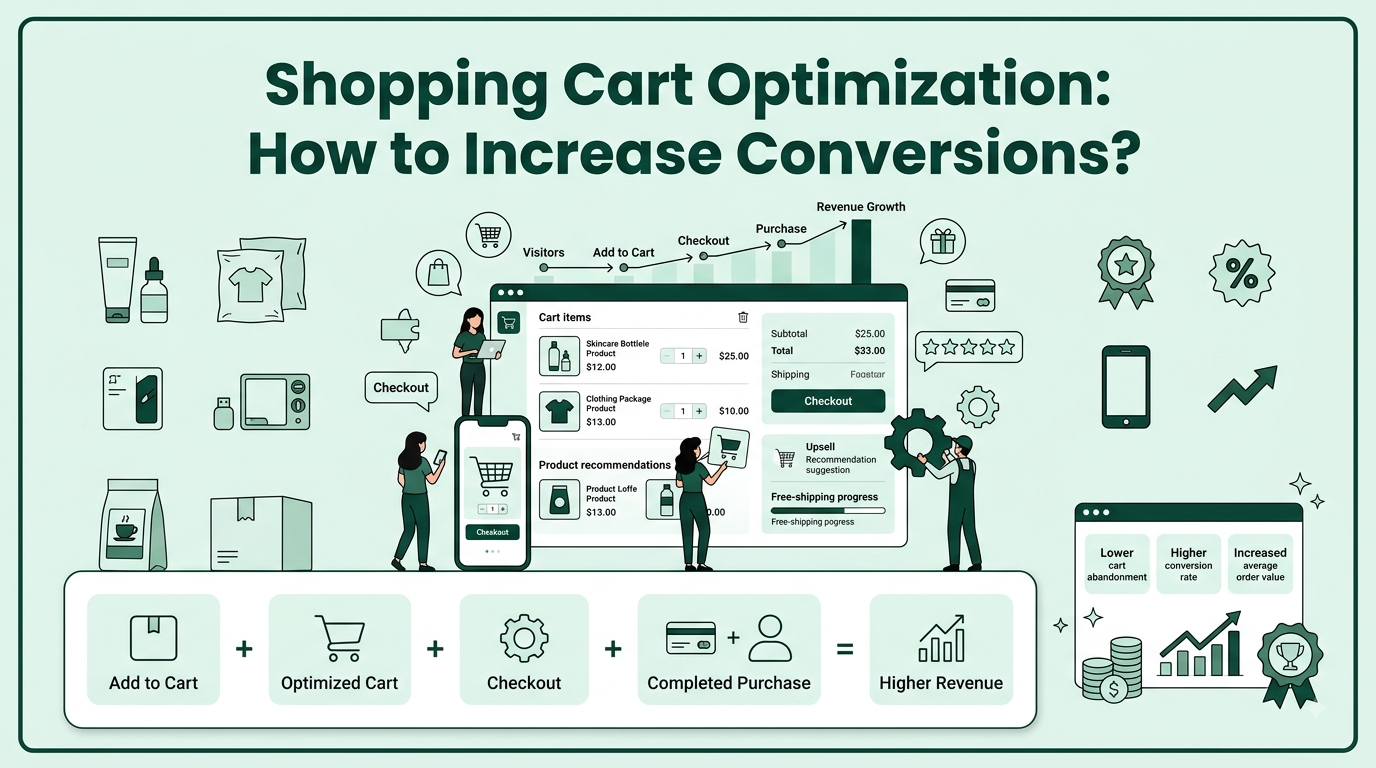
For any ecommerce site, the shopping cart is more than just a holding place for products; it's a critical point in the customer journey where a browser becomes a buyer. However, with cart abandonment rates hovering around 70%, it's clear that many brands are failing at this final hurdle. Effective shopping cart optimization is the key to fixing this leak in your sales funnel. By refining the cart and checkout experience, you can create a seamless, trustworthy, and efficient process that meets modern online shoppers' expectations and drives conversions.

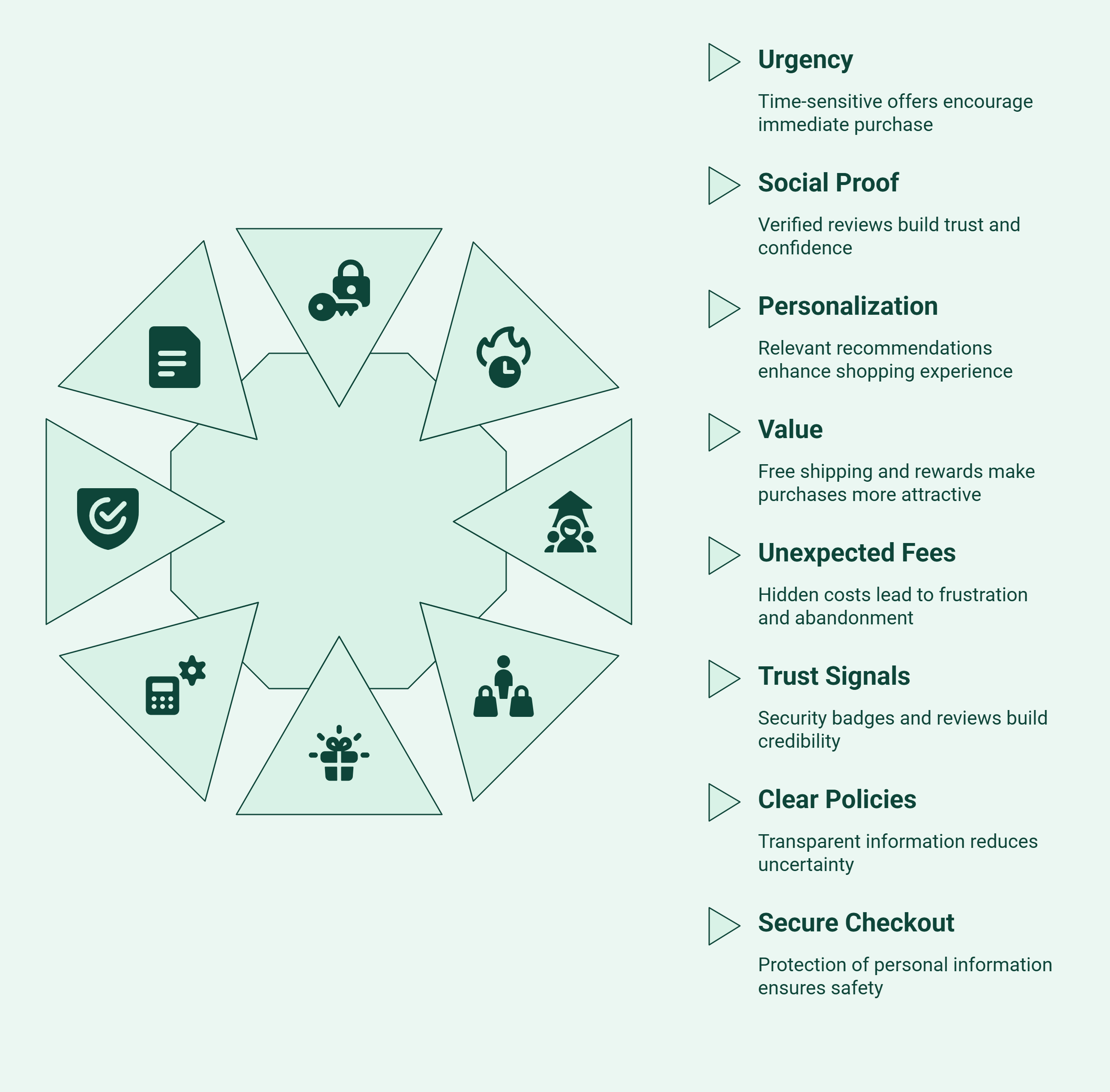
What is Shopping Cart Optimization?

Shopping cart optimization is the strategic process of enhancing every element of your cart page and checkout process to make it as easy and intuitive as possible for customers to complete a purchase. The primary goal is to reduce friction, build trust, and minimize cart abandonment. This involves analyzing the user experience (UX) on your ecommerce site, from the moment an item is added to the cart until the final "thank you" page appears.

By implementing best practices, you can transform your cart from a potential drop-off point into a powerful conversion tool. This includes ensuring a clear order summary, offering multiple payment options, displaying trust signals, and streamlining the checkout process. A well-optimized cart addresses customer concerns proactively, leading to a smoother journey and higher sales.

Tools like Kefi Product Bundle Builder can further strengthen shopping cart optimization by enabling smart product bundles and in-cart upsells. This encourages customers to add more items to their cart, thereby increasing average order value and improving the overall shopping experience.

Also Read: How a Premier Portuguese Winery Cultivated a +16.80% AOV Lift.

What are the Key Benefits of Shopping Cart Optimization?

Key Benefits of Shopping Cart Optimization

The most direct benefit of shopping cart optimization is a significant reduction in cart abandonment and a corresponding increase in your conversion rate. By removing friction points and building trust, you encourage more shoppers to complete their purchases, directly boosting your online store's revenue. Beyond immediate sales, a refined cart experience improves overall customer satisfaction and loyalty. Let's explore the key advantages in more detail.

1. Builds Customer Trust

A common reason shoppers hesitate at checkout is a lack of trust. Your cart page is the final stage where customers need reassurance before entering sensitive payment details. Displaying recognizable trust badges, such as security seals from Norton or McAfee, signals that the checkout process is secure and that their data is protected. Adding social proof also strengthens confidence. Customer reviews, star ratings, and real-time purchase notifications show that others have successfully bought from your store. When customers feel confident about your brand’s legitimacy and security, they are far more likely to complete their purchase.

2. Speeds Up the Purchase Process

Modern online shoppers prioritize speed and convenience. A complicated or lengthy checkout process is a major cause of cart abandonment. Optimizing the cart experience focuses on removing friction points to create a faster and smoother path to purchase. Reducing the number of steps required to complete an order can significantly improve the process. Features like guest checkout, fewer form fields, and express payment options like Apple Pay and Google Pay help customers complete purchases quickly and with minimal effort.

3. Encourages Repeat Purchases

The cart experience influences not only one purchase but also long-term customer retention. A smooth, hassle-free checkout process leaves a positive impression and increases the likelihood that customers will return to your store in the future. Features such as easy account creation after guest checkout or incentives for future purchases can strengthen this relationship. A convenient and reliable checkout process helps turn one-time buyers into loyal customers.

4. Improves Store Usability

An optimized shopping cart improves the overall usability of your online store. A clear, simple, and fast cart experience reflects a well-designed website and makes it easier for customers to complete purchases without confusion. This is especially important for mobile users, who account for a large share of ecommerce traffic. A responsive cart design with touch-friendly buttons and a clean layout ensures that shoppers can easily check out on any device.

5. Strengthens Brand Credibility

A professional and well-designed shopping cart signals that your business is trustworthy and credible. When customers reach the checkout stage, they evaluate whether your store feels secure and reliable before completing their purchase. Displaying trust signals such as security badges, customer reviews, and clear return policies reinforces confidence. A secure and user-friendly checkout process shows customers that your brand values their safety and experience.

Also Read: How Lifetime Technologies went from a Single Additive to System Kits.

What Does An Optimized Shopping Cart Look Like?

An optimized shopping cart is clean, intuitive, and fully branded. It provides a seamless user experience by clearly summarizing the order, displaying all costs upfront, and offering multiple secure payment options. The cart design guides the shopper toward the checkout page without any unnecessary distractions or confusing steps. Essentially, it's a perfect blend of form and function. It looks great while making the ecommerce checkout process as fast and frictionless as possible. Let's look at a few brands that have mastered their cart experience.

1. Alleyoop

Alleyoop

Source: Alleyoop

Alleyoop's shopping cart excels with its visually appealing and highly functional design. Effective visual merchandising makes the cart page easy on the eyes, with cross-sells highlighted against a shaded background and enhanced with star ratings. This approach not only improves the user experience but also effectively encourages add-on purchases.

The brand cleverly integrates features to maximize average order value. A free shipping bar, complete with a heart icon that turns red when the threshold is met, gamifies the shopping experience and incentivizes customers to add more to their cart. Shoppers can also easily select color variants for recommended products and adjust quantities directly within the cart, streamlining the process.

To build trust, Alleyoop includes prominent reminders about its free shipping threshold and return policy. This combination of great UX, smart upselling, and trust-building elements makes their cart page a prime example of effective optimization.

2. Every Man Jack

Every Man Jack

Source: Every Man Jack

Every Man Jack provides an exceptional checkout experience by using every part of its cart to drive value. A free shipping progress bar at the top immediately gives shoppers a clear goal, encouraging them to increase their order size. The cart design is minimalist and clean, ensuring the focus remains on the products and the path to purchase.

One of the most effective tactics they use is amplifying product recommendations with social proof. Every suggested item displays star ratings, which helps build confidence and convert browsers into buyers. This simple addition can significantly boost the take rate on upsells and cross-sells.

The brand goes a step further by allowing shoppers to select product variants directly from the cart recommendations. This feature is a powerful way to reduce cart abandonment, as it prevents customers from having to leave the cart to make a selection. This focus on a frictionless experience is a key reason for their high conversion rate.

3. Magic Spoon

Magic Spoon

Source: Magic Spoon

Magic Spoon’s cart is a masterclass in branding and conversion-focused design. The entire shopping journey feels cohesive, with a cart that perfectly matches the brand’s color scheme, fonts, and button styles. Clear calls-to-action, such as the prominent "subscribe and save" button offering a 25% discount, guide the user through checkout.

The cart is packed with smart product add-ons that display social proof in the form of star ratings, influencing customers' decisions to add more items. Instead of a simple "X" to close the cart, they use the on-brand phrase "continue shopping," encouraging users to browse further rather than abandoning the purchase.

They also include a "Get $5 Off" option, a simple yet powerful tactic to convert hesitant shoppers. By combining strong branding, clear incentives, and subtle trust badges, Magic Spoon creates a shopping experience that feels both fun and trustworthy.

Also Read: How Puur Scaled Average Order Value via Intelligent Accessory Pairing.

What are the Essential Ways to Master Shopping Cart Optimization?

Essential Ways to Master Shopping Cart Optimization

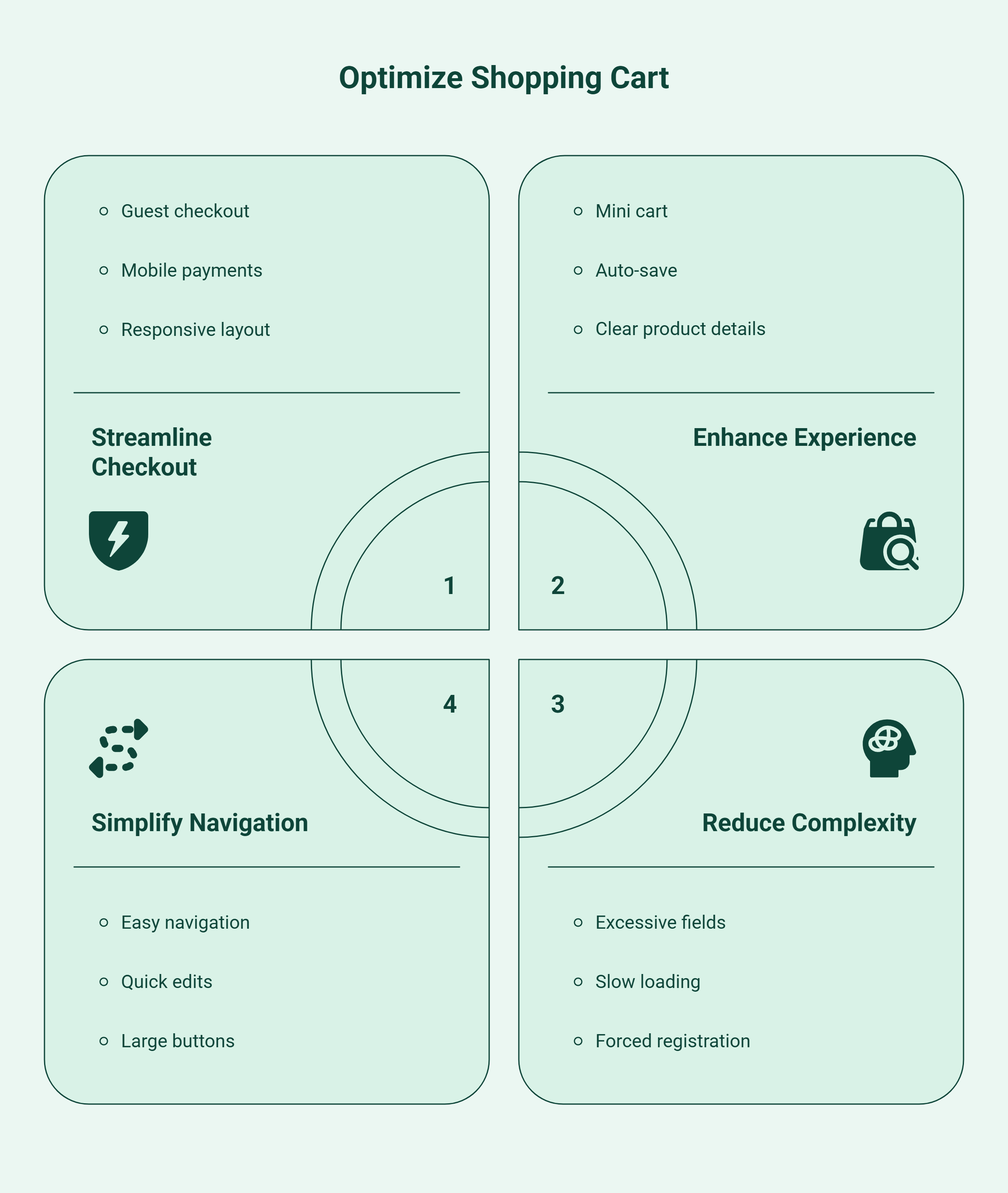
Mastering shopping cart optimization requires a multi-faceted approach focused on improving the user experience and reducing friction. It's about more than just aesthetics; it's a crucial part of conversion rate optimization that directly impacts your bottom line. By focusing on clarity, trust, and speed, you can significantly lower cart abandonment rates. Here are some essential strategies to refine your shopping cart design and boost sales.

1. Streamline the Cart Page for a Frictionless Experience

A cluttered or confusing cart page is one of the biggest friction points in the checkout process. To create a frictionless user experience, your cart page should be clean, simple, and focused on one goal: moving the customer to checkout. Remove any unnecessary links, pop-ups, or navigation menus that could distract the shopper and lead to cart abandonment. Improving the customer journey starts with a logical and intuitive layout. The design should guide the user's eye naturally from the order summary to the checkout button. Ensure that key actions are easy to perform.

  • Use a single, prominent call-to-action (CTA) button, such as "Proceed to Checkout."
  • Allow customers to easily update quantities or remove items without leaving the cart page.
  • Keep the design minimalist to avoid overwhelming the shopper with too much information.

2. Display Clear Order Summaries and Itemized Details

Transparency is key to building trust and ensuring a positive customer experience. Before committing to a purchase, shoppers want to review their order to make sure everything is correct. A clear, detailed order summary on the cart page gives them this confidence and prevents last-minute hesitation. Your shopping cart should function as a final review station, presenting all relevant information in an easy-to-digest format. This clarity helps prevent mistakes and reduces the likelihood of returns. Be sure to include:

  • High-quality thumbnail images and the full product name for each item.
  • Item specifications such as size, color, and selected variant.
  • An itemized breakdown of the total cost, including the subtotal, taxes, shipping fees, and any applied discounts.

3. Offer Multiple Secure Payment Options

One of the most common mistakes in shopping cart design is not offering enough payment options. Studies show that 42% of shoppers will abandon their cart if their preferred payment method isn't available. In today's market, customers expect flexibility and convenience at the payment stage. To cater to a wide range of preferences, you should support a variety of payment methods beyond traditional credit cards. Digital wallets have become increasingly popular because they offer a faster, more secure checkout experience.

  • Integrate popular digital wallets like Apple Pay, Google Pay, and PayPal.
  • Clearly display the logos of accepted credit cards (Visa, Mastercard, Amex).
  • Consider offering "buy now, pay later" options like Klarna or Afterpay for higher-priced items.

4. Integrate Trust Signals and Security Badges

Concerns about payment security are a major factor in cart abandonment, with 18% of users citing a lack of trust as their reason for leaving. Integrating visible trust signals on your checkout page is one of the most effective ways to build customer trust and reassure them that their information is safe. These visual cues act as powerful endorsements of your site's security and legitimacy. According to research by the Baymard Institute, certain trust badges have a stronger impact on customers' perceptions of security than others.

  • Display well-known security seals, such as Norton, McAfee, or SSL certificates, to signal a secure checkout.
  • Showcase social proof such as customer ratings, testimonials, or recent purchase notifications.
  • Include logos of accepted payment methods to reinforce credibility further.

5. Optimize a Shopping Cart for Mobile Users

With cart abandonment rates on mobile devices reaching as high as 85%, optimizing for mobile users is not optional; it's essential. A cart page that is difficult to navigate on a small screen is a guaranteed way to lose sales. Your ecommerce site must provide a seamless mobile shopping experience from start to finish. A proven tactic for boosting mobile conversions is to design for the thumb. This means ensuring that all interactive elements are large enough to tap easily and that the layout is simple enough to understand at a glance.

  • Use a single-column layout for the cart page to avoid horizontal scrolling.
  • Implement large, touch-friendly buttons for key actions like "Checkout" and "Update Cart."
  • Minimize the number of form fields and enable auto-fill features to reduce typing.

Also Read: How Calitron Boosted Revenue and AOV with Smart Bundling.

6. Use Progress Indicators to Guide Checkout

A multi-step checkout process can feel long and intimidating to shoppers if they don't know where they are in the process. Progress indicators are a simple yet effective tool for improving the user experience by visually showing customers how many steps remain to complete their purchase. This reduces uncertainty and manages expectations, which can help lower abandonment. By breaking the checkout flow into logical stages (e.g., Shipping, Payment, Review), you make the process feel more manageable. A progress bar shows customers they are making headway, which encourages them to complete the final steps.

  • Clearly label each step in the checkout process (e.g., "Step 1: Shipping," "Step 2: Payment").
  • Use a visual bar or breadcrumb trail to highlight the current step.
  • Ensure the indicator is visible throughout the entire checkout process to maintain clarity.

7. Provide Real-Time Support and Assistance

Even the most intuitive checkout can sometimes leave online shoppers with questions. Providing easy access to customer service at this critical moment can be the difference between a sale and a lost customer. Offering real-time support builds customer trust and shows that there are real people behind your website, ready to help. Integrating assistance directly on the cart and checkout pages is a great way to address concerns before they lead to a high abandonment rate. This proactive approach to customer service can significantly improve the customer journey.

  • Implement a live chat feature to answer questions instantly.
  • Clearly display a customer service phone number or email address.
  • Create a concise FAQ section addressing common questions about shipping, returns, and payment.

8. Implement Smart Product Recommendations and Upselling

The shopping cart is the perfect place to increase your average order value (AOV) through strategic upselling and cross-selling. By leveraging customer data, you can offer personalized product recommendations that complement the items already in their cart, creating a more relevant and personalized experience. This strategy not only boosts revenue but can also enhance the customer's shopping journey by helping them discover products they might have missed. For example, Every Man Jack saw that over half of their orders included an upsell after implementing this tactic.

  • Suggest complementary products, like a necklace to go with a bracelet.
  • Offer a "complete the look" bundle.
  • Use AI-powered tools to recommend items based on the user's browsing history and cart contents.

9. Minimize Unexpected Costs with Transparent Pricing

Unexpected costs are the number one reason for shopping cart abandonment. Shoppers despise being surprised by high shipping costs or hidden fees at the final step of checkout. Transparent pricing is non-negotiable for building trust and ensuring customer satisfaction. An optimized cart reduces abandonment rates by presenting all costs upfront. When customers see a full breakdown of charges on the cart page, they can make an informed decision without feeling deceived. This transparency is crucial for a positive experience.

  • Display shipping costs clearly on the cart page, or even better, offer free shipping.
  • Use a shipping calculator so customers can estimate costs before reaching the checkout page.
  • Itemize all taxes and fees so the final price matches the customer’s expectation.

10. Enable Easy Cart Editing and Save-for-Later Features

A flexible shopping cart improves the user experience by giving customers control over their orders. One of the best practices for optimizing conversions is to make cart editing as simple as possible. Shoppers should be able to update quantities, remove items, or change product variants directly on the cart page without navigating back to product pages. Sometimes, a customer isn't ready to buy immediately but uses the cart as a wishlist. A "save-for-later" feature is a great way to accommodate this behavior without losing the potential sale.

  • Include intuitive controls, such as plus/minus buttons for quantity and a clear "remove" link.
  • Add a "Save for Later" or "Move to Wishlist" option next to each item.
  • Ensure any changes to the cart update the total price in real time.

Also Read: How Squaties Scaled Order Volume via Performance Bundling.

What are the Best Platforms For Shopping Cart Optimization to Grow Your Sales?

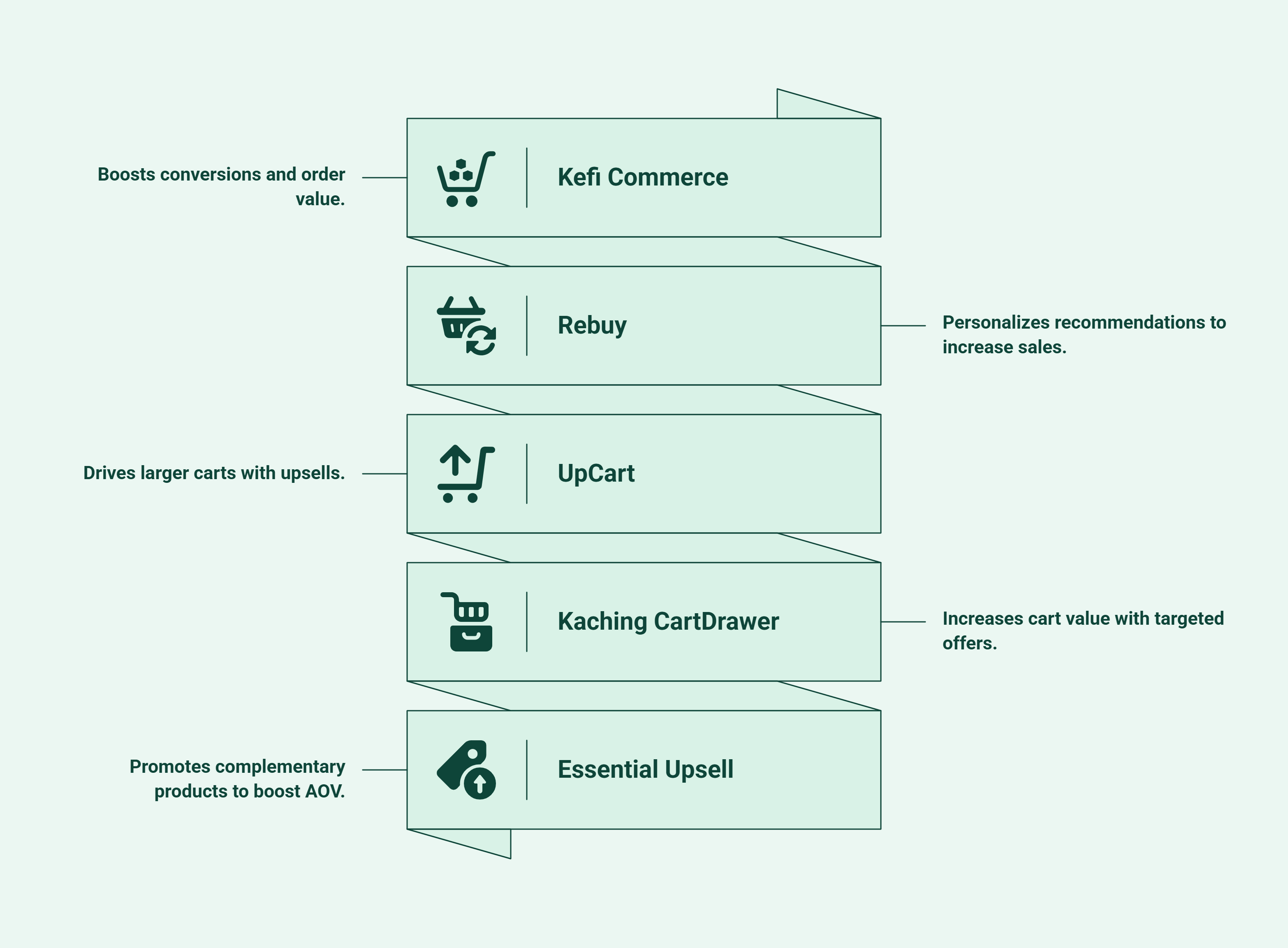
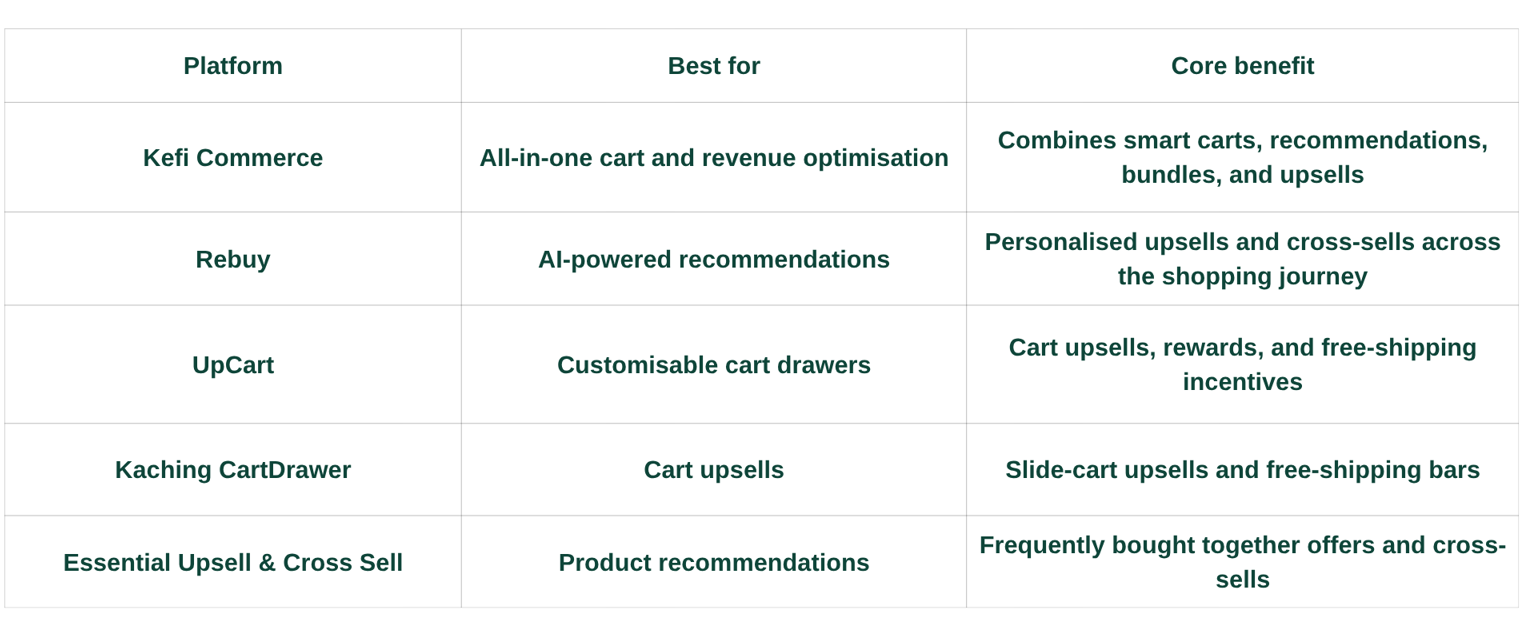
Choosing the right shopping cart software is fundamental to your ecommerce business's success. The right optimization platforms provide the tools you need to implement the strategies discussed, from reducing cart abandonment to increasing your conversion rate. Instead of building these complex features from scratch, you can leverage powerful third-party platforms designed to enhance your existing cart. Here are some of the best tools available to help you grow your sales.

1. Kefi Product Bundle Builder

Kefi Product Bundle Builder

Source: Kefi Product Bundle Builder

Kefi Product Bundle Builder is a powerful tool for ecommerce businesses aiming to increase their average order value (AOV) and improve the shopping experience. It allows merchants to create customized product bundles that appear on product pages and in the shopping cart, encouraging customers to purchase multiple items in a single transaction while gaining greater value.

The app supports both fixed bundles and flexible options, such as “build your own box” and “complete the look,” giving customers the freedom to choose the products they prefer. It also offers tiered discounts that reward shoppers for adding more items to their bundle, helping boost cart value.

Additionally, Kefi enables in-cart upsells by suggesting relevant bundles or add-ons directly within the cart. With seamless integration across major ecommerce platforms, it helps businesses guide customers toward higher-value purchases and maximize revenue from every visit.

2. OptiMonk

OptiMonk

Source: OptiMonk

OptiMonk is a conversion rate optimization powerhouse for ecommerce sites, specializing in reducing cart abandonment rates through targeted on-site messages. Its most powerful feature is exit-intent offers. When a visitor is about to leave your cart page, OptiMonk can trigger a pop-up with a special discount or offer, giving them a compelling reason to stay and complete their purchase.

This tool helps improve customer retention by re-engaging shoppers at the most critical moment. Instead of letting a potential customer slip away, you can offer a personalized incentive that addresses their hesitation, whether it's about price or shipping costs. This immediate intervention can turn a likely abandonment into a successful conversion.

With a wide range of customizable templates and advanced targeting options, OptiMonk allows you to create highly effective campaigns that feel native to your brand's experience, making it an essential tool for any business focused on maximizing conversions.

3. Klaviyo

Source: Klaviyo

Klaviyo is a leading email marketing and automation platform that is essential for any ecommerce business looking to combat cart abandonment. It excels at leveraging customer data to create highly personalized and automated email sequences. When a shopper leaves items in their cart, Klaviyo can trigger a series of emails to remind them of their pending purchase and encourage them to return.

One of the most important KPIs to monitor for shopping cart performance is the cart recovery rate, and Klaviyo is designed to maximize it. By segmenting users based on their behavior and cart contents, you can send targeted emails with relevant product images, compelling copy, and even unique discount codes to entice them back to your site.

Beyond cart recovery, Klaviyo's robust analytics help you understand customer behavior throughout the funnel, providing insights that can inform your broader conversion rate optimization strategy. It's a comprehensive tool for turning abandoned carts into recovered revenue.

4. Omnisend

Omnisend

Source: Omnisend

Omnisend takes cart recovery beyond just email by offering a true omnichannel marketing approach. This platform allows ecommerce websites to fight cart abandonment by reaching customers on their preferred channels, including email, SMS, and push notifications. This multi-channel strategy significantly increases the chances of re-engaging a customer and boosting your conversion rate.

Optimized carts reduce abandonment rates by creating a smooth shopping experience, but for those who still leave, Omnisend provides a powerful safety net. Its pre-built automation workflows make it easy to set up a cart recovery series that sends a perfectly timed sequence of messages across different platforms, reminding shoppers of the items they left behind.

By personalizing these messages with product details and dynamic discount codes, Omnisend helps you create a persistent yet helpful reminder system. This comprehensive approach ensures you're doing everything possible to bring potential buyers back to complete their purchase.

5. CartStack

CartStack

Source: CartStack

CartStack is a specialized tool, laser-focused on one thing: cart recovery. It's designed to help your ecommerce site reclaim lost revenue from cart abandonment by using a multi-channel approach. The platform captures customer information in real-time as shoppers type, allowing you to trigger recovery campaigns even if the shopper doesn't reach the final checkout step.

One of the most proven tactics for boosting conversions is timely, relevant follow-up, and CartStack excels at this. It can send a series of automated emails, text messages, and even push notifications to remind shoppers about their abandoned carts. These campaigns are highly effective at bringing customers back to your site to complete their purchase.

With features like A/B testing for your recovery emails and detailed analytics on your abandonment rate, CartStack provides the insights and tools you need to fine-tune your strategy and maximize your conversion rate.

6. OptinMonster

OptinMonster

Source: OptinMonster

OptinMonster is a popular lead generation and conversion optimization tool that is highly effective at preventing cart abandonment before it happens. It's best known for its powerful exit-intent technology, which detects when a user is about to leave your ecommerce site and displays a targeted pop-up campaign to keep them engaged.

For an ecommerce site, this means you can present shoppers who are abandoning their cart with a last-minute discount, a free shipping offer, or a prompt to save their cart. These timely exit-intent offers can dramatically reduce your abandonment rate and increase your overall conversion rate. Monitoring the performance of these pop-ups is a key part of tracking your cart performance KPIs.

With a user-friendly drag-and-drop builder and a vast library of templates, OptinMonster makes it easy to create beautiful and high-converting pop-ups that seamlessly integrate with your site's design, making it a valuable tool for any online store.

7. CartBounty

CartBounty

Source: CartBounty

CartBounty is a powerful cart abandonment recovery plugin designed specifically for WooCommerce stores. It helps you improve the customer journey by capturing abandoned carts and providing the tools to bring those shoppers back. The plugin starts saving checkout field data as soon as a visitor starts typing, ensuring you can follow up even if they don't complete the full ecommerce checkout process.

A key feature of CartBounty is its ability to send automated recovery emails through your existing mail service, reminding users of what they left behind. This helps to lower your overall cart abandonment rate and recover potentially lost sales. It also offers features to reduce checkout abandonment, such as exit-intent pop-ups that present an offer before a user leaves.

By offering both preventative measures and recovery tools, CartBounty provides a comprehensive solution for WooCommerce merchants looking to boost their conversion rate and turn more abandoned carts into completed orders.

Also Read: How Lifetime Technologies went from a Single Additive to System Kits.

What are the Key Metrics to Measure Shopping Cart Optimization Success?

Key Metrics to Measure Shopping Cart Optimization Success

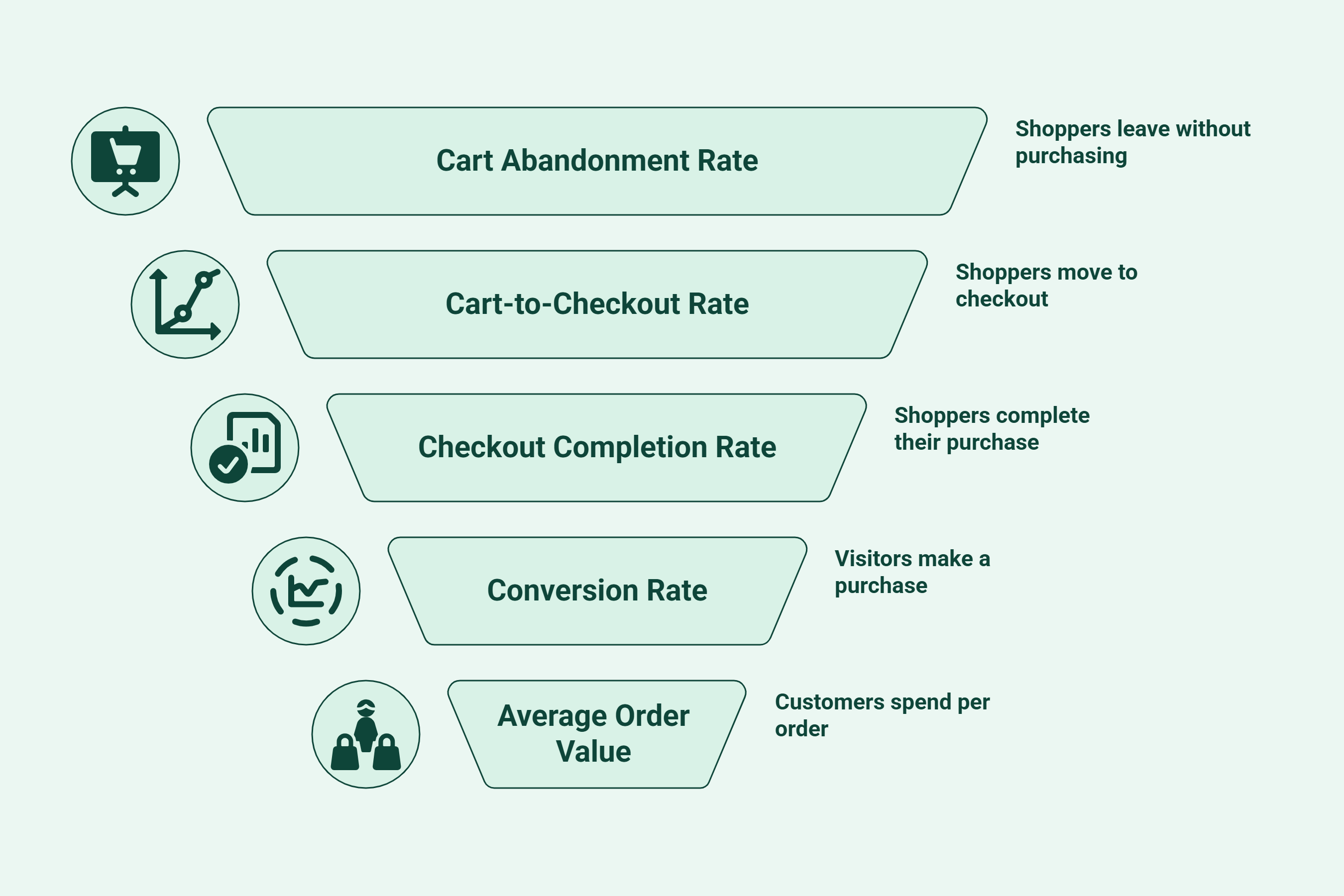
To understand whether your shopping cart optimization efforts are effective, it is important to track the right performance metrics. Making improvements to the checkout process alone is not enough; you must measure how those changes impact conversions and revenue. Key performance indicators such as cart abandonment rate, conversion rate, and average order value (AOV) help businesses evaluate how well their cart experience is performing.

1. Track Cart Abandonment, Conversion Rate, and AOV

The most important KPIs for evaluating shopping cart performance are cart abandonment rate, conversion rate, and average order value. Together, these metrics reveal how effectively your cart converts visitors into buyers and how much revenue each transaction generates. The cart abandonment rate is the percentage of shoppers who add items to their cart but leave without completing the purchase. A high rate indicates friction within the checkout process.

Your goal should be to minimize this number while improving conversions. At the same time, monitoring conversion rate and AOV helps measure whether your optimization strategies are encouraging customers to complete purchases and spend more per order.

2. Measure Checkout Completion Rate

Checkout completion rate focuses specifically on the final stage of the purchase journey. It measures the percentage of shoppers who start the checkout process and successfully finish it, offering a deeper view of checkout performance. A low completion rate may indicate issues such as unexpected costs, lengthy forms, or insufficient trust signals. Identifying these issues helps pinpoint problems that occur after customers initiate checkout.

Tracking this metric allows businesses to test changes such as simplified forms, additional payment options, or improved design to increase the number of completed purchases.

3. Analyze Customer Drop-Off Points in the Checkout Funnel

Understanding where customers abandon the checkout process is essential for effective optimization. Most analytics tools allow businesses to visualize the checkout funnel and identify the exact steps where users drop off. For example, a large number of users leaving the shipping page may suggest high delivery costs or complicated forms. These insights help businesses identify the main friction points in the checkout process.

By simplifying these steps and removing unnecessary barriers, ecommerce stores can create a smoother checkout journey and significantly reduce abandonment rates.

4. Evaluate Impact of Discounts and Exit Intent Offers

Discounts and exit intent offers can effectively reduce cart abandonment, but their impact should be carefully measured. While these tactics may increase short-term conversions, they should also support long-term profitability. Businesses should compare conversion rates between users who receive these offers and those who do not. This helps determine whether the incentive truly influences purchasing behavior.

Testing different incentives, such as free shipping or percentage discounts, can also reveal which offers drive the best results while maintaining healthy profit margins.

Also Read: How SportsStop Dominated the Diamond and Field with High-Velocity Bundling.

How to Choose The Right Tool For Your Business?

Choose The Right Tool For Your Business

Selecting the right shopping cart solution is an important step for ecommerce businesses. The ideal tool should provide a smooth checkout experience for customers while integrating easily with your existing systems. Your choice will influence how effectively you can optimize conversions and manage operations.

1. Integration Compatibility

Integration compatibility is a critical factor when selecting shopping cart software. Most ecommerce businesses rely on multiple tools, including ecommerce platforms, email marketing services, and analytics systems. A well-integrated solution allows customer data to flow seamlessly between systems. This enables features such as personalized recommendations, automated cart-abandonment emails, and targeted promotions based on previous purchases.

Without proper integration, businesses risk fragmented data and an inconsistent customer experience. Choosing software that connects smoothly with existing tools supports more effective optimization strategies.

2. Essential Features

To maximize conversions, an optimized shopping cart must include several essential features that address the core needs of modern online shoppers: speed, security, and convenience. When evaluating software, look for a solution that provides these functionalities out of the box or is easy to implement.

A flexible shopping cart design is crucial, allowing you to customize the look and feel to match your brand. Beyond aesthetics, the software should support key conversion-driving features that build trust and reduce friction throughout the checkout process.

  • Support for multiple payment methods, including digital wallets and "buy now, pay later" options.
  • A guest checkout option to allow customers to purchase without creating an account.
  • The ability to display customer reviews and other forms of social proof directly in the cart.

3. User-Friendliness

User friendliness is essential for both customers and store owners. For shoppers, the checkout experience must be simple, intuitive, and easy to navigate. Complicated layouts or lengthy processes often lead to cart abandonment. For merchants, the platform should offer an easy-to-use backend interface. Store owners should be able to manage settings, customize the cart design, and monitor performance without requiring technical expertise.

A solution that is easy to use on both the customer and administrative sides helps businesses implement improvements faster and maintain a smoother shopping experience.

4. Cost and Budget Alignment

Choosing shopping cart software that fits your budget is an important consideration for any ecommerce business. Tools range from affordable plugins to advanced enterprise solutions with higher monthly costs. Instead of focusing only on price, businesses should also evaluate the potential return on investment. Features that improve conversion rates or increase average order value may justify a higher cost. By comparing pricing with the expected impact on sales and efficiency, businesses can select a solution that delivers strong value while staying within their budget.

Also Read: How Metalbird drove consistent growth across 8 stores.

How to Have a Successful Shopping Cart Optimization Using Kefi Product Bundle Builder?

Leveraging the Kefi Product Bundle Builder is a highly effective way to execute a successful shopping cart optimization strategy. This bundle builder directly impacts your most important metrics by making it easy to increase your average order value (AOV) and conversion rate. Instead of simple, one-off product recommendations, you can create compelling bundle offers that provide greater value to customers and more revenue for your business. The software choice impacts optimization by providing a powerful built-in upselling tool.

To have a successful experience, start by identifying your most frequently purchased products and brainstorm logical pairings. Use Kefi to create "Shop the Look" or "Starter Kit" bundles that solve a complete problem for your customer. Promote these bundles on your product pages and as in-cart recommendations. By presenting customers with a convenient, value-packed option, you simplify their decision-making process and guide them toward a larger purchase, turning a good cart into a great one.

Book a Demo to see how Kefi Product Bundle Builder works.

Conclusion

In conclusion, mastering shopping cart optimization is crucial for any e-commerce business looking to enhance customer experience and drive sales. By implementing strategies such as streamlining the checkout process and offering clear payment options, you can significantly reduce cart abandonment and encourage repeat purchases. Remember, an optimized shopping cart not only boosts conversions but also builds trust and loyalty among your customers. As you move forward with these insights, don't hesitate to explore tools like the Kefi Product Bundle Builder to streamline your efforts. For a personalized consultation on optimizing your shopping cart, feel free to reach out and get started on elevating your e-commerce success.

Frequently Asked Questions

What is shopping cart optimization, and why is it important for ecommerce?

Shopping cart optimization focuses on improving the cart and checkout experience so customers can complete purchases quickly and easily. It helps reduce cart abandonment, increase conversions, and improve the overall shopping experience on an ecommerce store.

What are the most effective shopping cart best practices for ecommerce stores?

Some effective shopping cart best practices include offering clear order summaries, multiple payment options, transparent pricing, and an easy checkout process. These practices help build trust and make it easier for customers to complete their purchases.

What are the best tools for shopping cart optimization?

Several tools help improve the shopping cart experience through upselling, automation, and personalization. For example, Kefi Product Bundle Builder allows ecommerce stores to create smart product bundles and in-cart offers that encourage customers to add more items and increase average order value.

Why is a mobile optimized shopping cart important for ecommerce stores?

A mobile optimized shopping cart ensures that customers can easily add products, review orders, and complete payments on smartphones. Since a large portion of online shopping happens on mobile devices, optimization helps reduce friction and improve conversions.

How can businesses optimize shopping cart functionality for better conversions?

Businesses can optimize shopping cart functionality by simplifying the checkout process, reducing unnecessary steps, and offering helpful features like auto-filled forms and quick payment options. Adding upselling tools like Kefi Product Bundle Builder can also increase cart value by suggesting relevant product bundles.

What should businesses look for in an ecommerce shopping cart solution?

A good ecommerce shopping cart solution should offer secure payments, easy navigation, mobile responsiveness, and integration with marketing or upselling tools. These features help create a seamless checkout experience while supporting business growth and higher order values.