
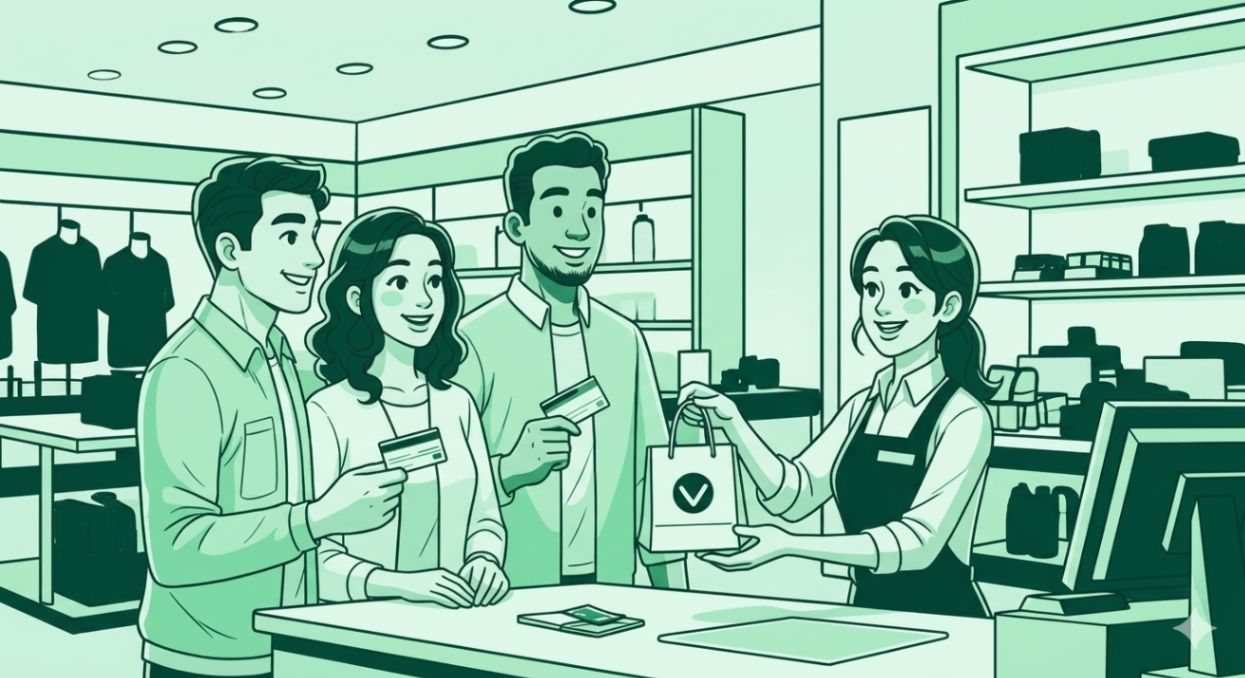
In today's competitive market, retaining customers is more critical than ever. While acquiring new customers is important, the real key to sustainable growth lies in nurturing your existing relationships. This is where loyalty programs come into play. A well-designed program is not just about discounts; it's a strategic tool for boosting customer engagement, encouraging repeat business, and building a community around your brand. Are you leveraging loyalty programs to their full potential to keep your customers coming back?
At its core, a loyalty program is a marketing strategy designed to reward customers for their repeat business, thereby encouraging them to continue purchasing from a brand. The fundamental goal is to build brand loyalty and improve customer retention. By offering special perks, discounts, or exclusive access, these programs make your customer base feel valued and appreciated. This sense of appreciation is a powerful motivator that can transform a one-time buyer into a long-term advocate for your business.
So, how do loyalty programs work to attract and retain customers? They operate on a simple principle of incentive. A rewards program gives customers a tangible reason to choose your brand over competitors. Whether through earning points for purchases, receiving special offers, or unlocking new benefits, customers are motivated by progress toward a goal. This structured system of rewards not only encourages repeat purchases but also creates an emotional connection, which is crucial for lasting customer loyalty and a strong ecommerce post-purchase experience.
The core purpose of any loyalty program is to foster a stronger bond between your brand and your customers. The loyalty program benefits extend far beyond simple discounts, directly impacting customer retention and overall satisfaction. When customers feel valued, they are more likely to choose your brand repeatedly. Let's explore the specific benefits that make these programs so effective.
Source: Coca Cola
Customer Lifetime Value (CLV) represents the total revenue a business can reasonably expect from a single customer throughout their entire relationship with the brand. A robust customer retention strategy is one of the most direct ways to increase this critical metric.
When you achieve high retention, customers are more likely to return. They purchase more frequently and continue shopping with you for a longer period. Studies have shown that customers with a strong emotional connection to a brand remain customers for significantly longer than average, directly boosting their lifetime value.
This sustained relationship contributes positively to your bottom line. Retained customers are often less price-sensitive and more open to trying new products, which can lead to larger average order values. By focusing on keeping your customers happy and engaged, you naturally extend the duration and value of their patronage, maximizing the return on your initial acquisition investment.

Source: Amazon
A direct outcome of successful customer retention is a higher rate of repeat purchases. Loyal, repeat customers form the foundation of a stable business because their buying habits are more predictable and consistent than those of new shoppers.
Once a customer has had a positive experience, the friction in their customer journey is significantly reduced. They already trust your brand and understand the value of your products. This familiarity makes them more inclined to return for another purchase, especially when their purchase history is used to provide personalized recommendations and relevant offers.
Businesses gain immense advantages from this loyalty. Repeat customers tend to spend more over time and are more likely to buy again compared to convincing a new prospect. This consistent stream of transactions from your loyal customer base provides a reliable revenue stream, enabling more accurate financial forecasting and strategic planning.
Source: Blue Ridge Partners
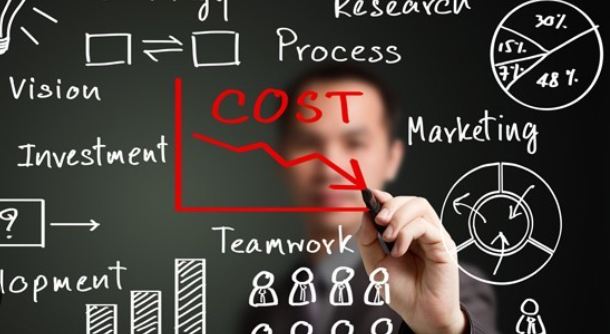
Focusing on customer retention is a highly effective way to lower your overall marketing costs. The process of acquiring new customers is expensive, requiring significant investment in paid ads, campaigns, and outreach. Retaining an existing customer is estimated to cost between 5 and 25 times less than acquiring a new one.
One way retention reduces costs is by leveraging less expensive communication channels. Once a customer has made a purchase, you have their contact information, allowing you to engage them through targeted email marketing, which is far more cost-effective than paid advertising. Since they have opted in to hear from you, your marketing efforts require fewer resources to keep them engaged.
Furthermore, a high retention rate means your loyal customers do some of the marketing for you through word-of-mouth referrals. This organic promotion reduces the need for a large advertising budget. Satisfied customers are also less likely to require deep discounts or incentives to make a purchase, preserving your profit margins and reducing sales costs.
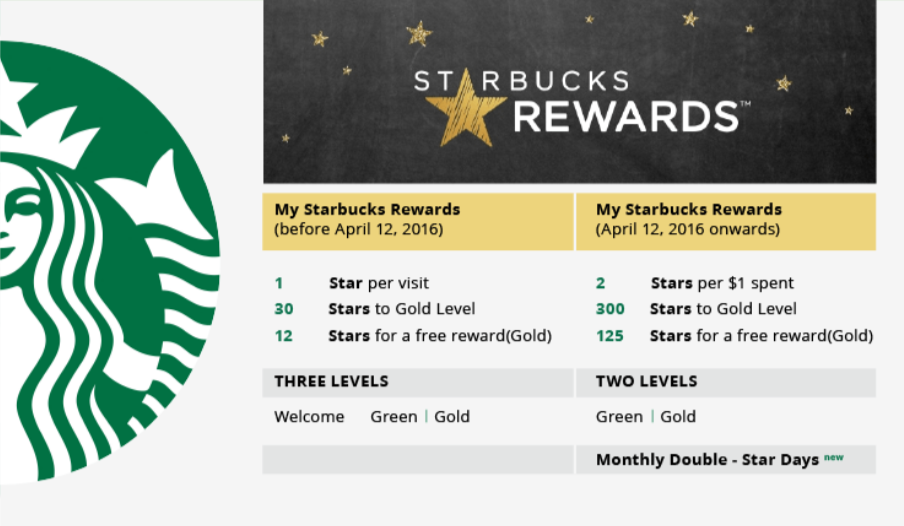
Source: Starbucks
Customer retention plays a pivotal role in building brand loyalty. Every repeat purchase is an opportunity to reinforce a customer's trust in your brand. Consistently delivering excellent products and experiences pays off, as research indicates that a majority of consumers consider themselves loyal to a brand after just three purchases.
This enhanced brand loyalty creates a stable and dedicated customer base. These loyal customers are less likely to be swayed by competitors' offers and more likely to forgive occasional missteps, such as a shipping delay. This resilience lowers your customer churn rate, as satisfied customers are more likely to give your brand another chance rather than switch immediately.
Ultimately, a focus on retention transforms transactional relationships into emotional connections. As you nurture your loyal customer base, they evolve into brand advocates. This deep-seated customer loyalty provides a powerful competitive advantage that is difficult for other companies to replicate, ensuring your brand remains a preferred choice.
Also Read: What are the Best Ecommerce Loyalty Programs for Success?
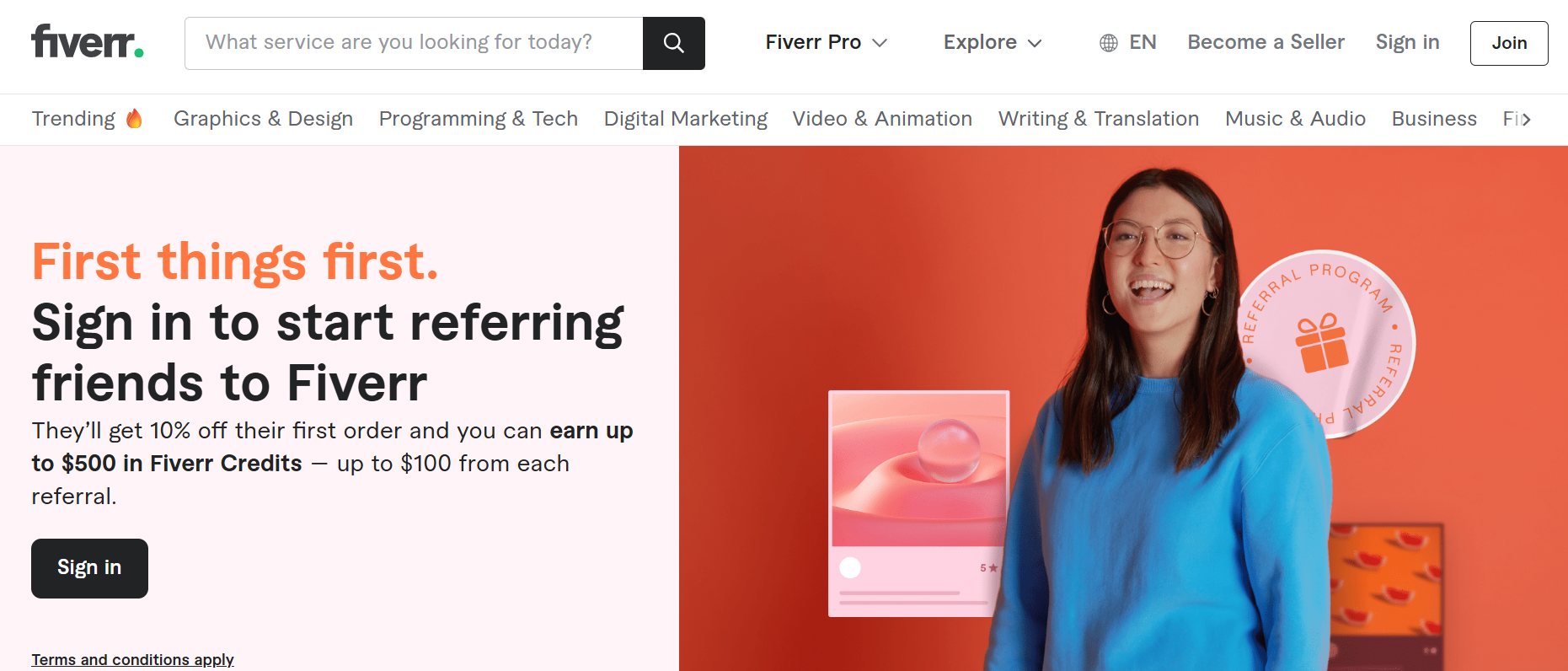
Source: Fiverr
One of the most powerful and often overlooked benefits of customer retention is generating positive word-of-mouth referrals. Happy, loyal customers naturally become brand advocates, sharing their positive experiences with friends, family, and social networks. This organic marketing is incredibly effective because recommendations from trusted sources are far more trusted than traditional advertising.
High customer satisfaction is the engine behind these referrals. When a customer has a great experience, they are highly likely to tell others about it. This turns your customer base into a volunteer marketing force, expanding your reach without additional ad spend. These new customers acquired through referrals often come with a higher level of initial trust, making them more likely to become loyal customers themselves.
This cycle creates compounding growth fueled by your existing customers. Key benefits include:
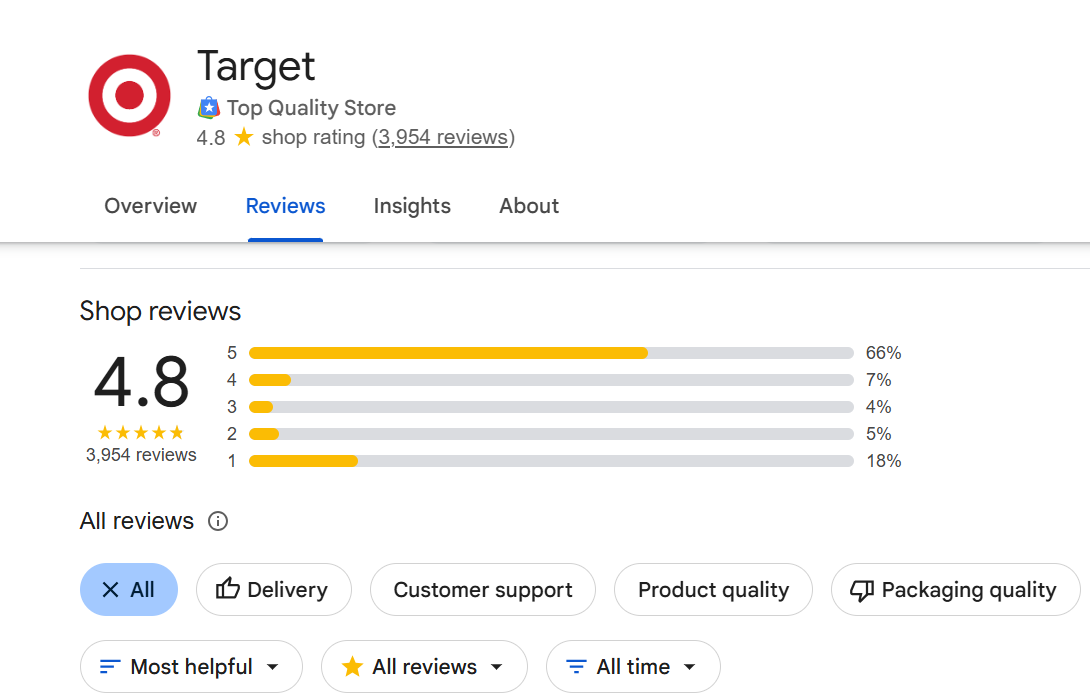
Source: Target
A focus on customer retention inherently drives improvements in customer satisfaction. To keep customers coming back, businesses must actively listen to their needs and consistently strive to exceed their customer expectations. This commitment to delivering a superior customer experience is a core component of any successful retention strategy.
When you prioritize retention, you create a feedback loop that allows you to identify and address issues before they cause customers to leave. By monitoring metrics like the Net Promoter Score (NPS) and analyzing customer feedback, you can make targeted improvements to your products, services, and support processes. This continuous refinement leads to a better overall experience for all customers.
This dedication to satisfaction fuels business growth. Satisfied customers are not only loyal but also more likely to increase their spending over time and act as brand promoters. By ensuring your existing customers are happy, you build a solid foundation for sustainable expansion, as their loyalty translates directly into stable revenue and positive brand perception.
Source: Google
Achieving a high customer retention rate provides a significant competitive advantage that rivals find difficult to overcome. A base of loyal customers acts as a protective barrier for your business, making it less vulnerable to competitors' pricing strategies and marketing campaigns. These customers have already chosen your brand and are less likely to switch.
This loyal following gives you a competitive edge by creating a more stable and predictable business environment. While your competitors are spending heavily to acquire new customers, your retention strategies allow you to focus resources on innovation and further enhancing the customer experience. This proactive approach helps you stay ahead of market trends.
Ultimately, customer retention directly impacts a company's profitability. Loyal customers are more profitable because they cost less to serve, spend more, and provide free word-of-mouth marketing. This combination of lower costs and higher revenue from a dedicated customer base strengthens your financial position and solidifies your standing in the market.
Also Read: How to Increase Loyalty Program Sign Up Rates Effectively?
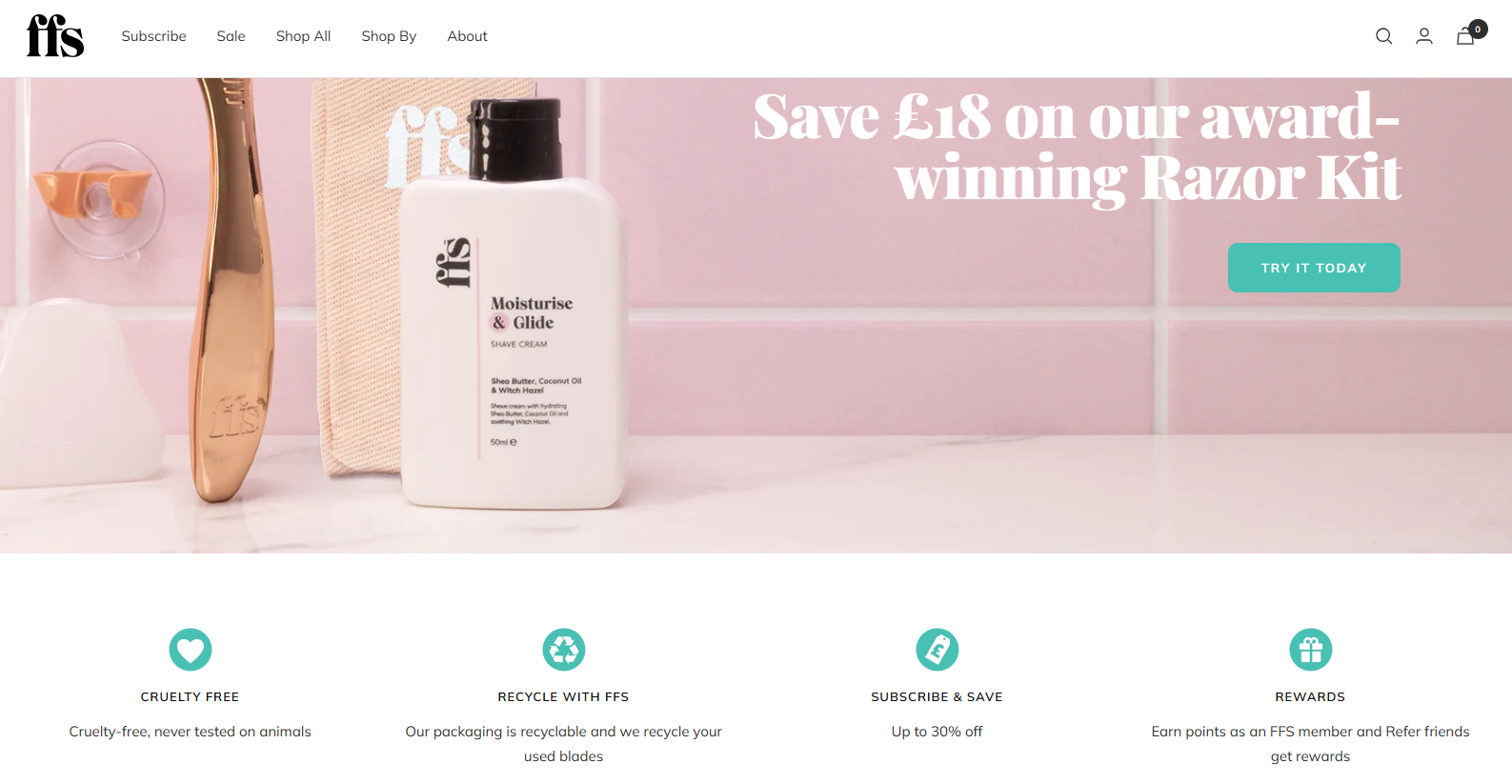
Source: ffs
A strong base of repeat customers leads to enhanced revenue predictability, a cornerstone of long-term business success. When a significant portion of your sales comes from loyal buyers or customers enrolled in a subscription model, you can forecast future income with greater accuracy. This stability reduces the volatility associated with relying solely on new customer acquisition.
This consistent revenue stream allows for more confident and strategic business planning. With recurring purchases and subscription-based payments, businesses can allocate budgets for product development, expansion, and other growth initiatives while relying on a stable income foundation. Customer data from repeat customers and subscribers also provides insights into purchasing cycles and behaviors, further refining your financial projections.

Source: Etihad
Loyal customers present prime opportunities for upselling and cross-selling. Because they already trust your brand and have had positive experiences, they are far more receptive to recommendations for additional services or premium options. This established relationship makes it easier to introduce upgrades that enhance their overall experience.
By analyzing customer data and purchase history, businesses can deliver highly personalized suggestions. For example, airlines often offer seat upgrades to frequent flyers, such as moving from economy to premium economy or from premium economy to business class. Since these travelers already trust the airline and travel regularly, they are more likely to accept such offers, especially when the upgrade improves comfort or convenience.
This advantage is a direct result of the trust built over time. Studies show that engaged customers are more willing to expand their relationship with a brand, leading to higher spending and greater revenue per customer. These upselling and cross-selling opportunities not only increase sales but also strengthen the customer relationship by offering services that match evolving needs and preferences.

Source: Apple
One of the most valuable benefits of customer retention is the access it provides to deeper customer insights. Long-term customers generate a wealth of customer data through their extended purchase history and interactions with your brand. Analyzing this information offers valuable insights into their preferences, behaviors, and motivations.
Your loyal customers are also more likely to provide honest and constructive feedback. Because they are invested in your brand's success, they are often willing to participate in surveys or offer suggestions for improvement. This feedback is product development gold, as it comes from people who genuinely know and use your products. These insights help you refine your offerings and perfect the customer journey.
This continuous stream of data helps you:
Also Read: How to Create a Loyalty Program on Shopify for Growth?

Source: Netflix
Loyalty programs are goldmines for valuable customer data. An Inmar Intelligence study found that 65% of shoppers are willing to share personal information to receive personalized offers. This willingness provides you with a wealth of first-party data to refine your marketing efforts and enhance the post-purchase customer experience.
By analyzing the data collected through your program, you gain deep insights into shopping behaviors. This information allows you to segment your audience and tailor your communications with a high degree of personalization. For example, the data can reveal:
Beauty retailer Sephora excels at this, using customer data from its rewards program to send personalized emails with product recommendations that align with a member's unique beauty profile. This level of personalization makes customers feel understood and valued, strengthening their bond with the brand.

Source: Nike
Beyond driving transactions, loyalty programs are powerful tools for boosting customer engagement. This indicates that customers are looking for more than just a good product; they want to feel like part of a community.
A well-designed rewards program can foster this sense of community and turn satisfied customers into passionate brand advocates. When members feel valued through exclusive promotions and special recognition, they are more likely to share their positive experiences on social media and with friends. This organic word-of-mouth marketing is incredibly valuable and trustworthy.
Sephora's Beauty Insider community is a prime example of this Strategy in action. The program encourages brand advocacy by awarding badges and creating leaderboards, making fans feel recognized for their loyalty. By creating these engaging experiences, your program can build an army of brand advocates who champion your business for free.
Also Read: How to Boost Retention with ECommerce Loyalty Program?
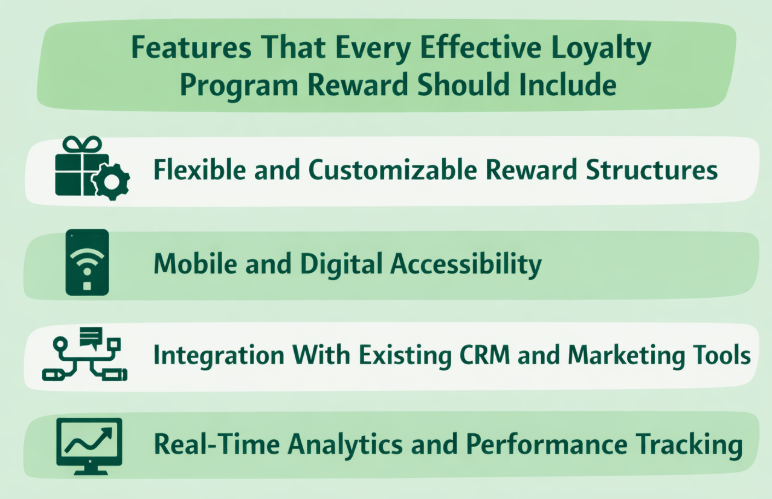
An effective loyalty rewards program is built on a foundation of features that make it both valuable for customers and easy for you to manage. It should be accessible, intuitive, and seamlessly integrated into your existing customer journey. A dedicated loyalty app can significantly enhance the user experience, allowing members to track and redeem rewards effortlessly. Let's explore the key features that every successful program should have.
An effective loyalty program should offer flexibility in how rewards are structured to match different customer preferences. Instead of a one-size-fits-all approach, businesses should provide multiple reward options such as points, discounts, free products, or exclusive perks. This allows customers to choose what matters most to them, making the program feel more personal and valuable. When customers have control over how they earn and redeem rewards, they are more likely to stay engaged and build a stronger connection with the brand.
In today’s digital-first environment, a loyalty program must be easily accessible across devices, especially on mobile. Whether through a dedicated app or a mobile-friendly website, customers should be able to check their points, track progress, and redeem rewards anytime. This level of convenience removes friction and encourages consistent participation. A smooth digital experience not only improves engagement but also keeps your brand present in the customer’s daily routine.
For a loyalty program to be truly effective, it needs to integrate seamlessly with your existing CRM and marketing systems. This integration allows you to collect and use customer data more efficiently, enabling better segmentation and personalized communication. It also automates processes like reward tracking and campaign management, saving time and reducing errors. With everything connected, you can create a more cohesive and impactful marketing strategy.
Real-time analytics are essential for understanding how well your loyalty program is performing. By tracking metrics like customer engagement, redemption rates, and purchase behavior, you can identify what is working and what needs improvement. These insights help you make data-driven decisions and continuously optimize your program. Regularly monitoring performance ensures your loyalty strategy stays effective and aligned with your business goals.
Also Read: How The Chosen Cultivated a Community through Curated Merchandise Kits.
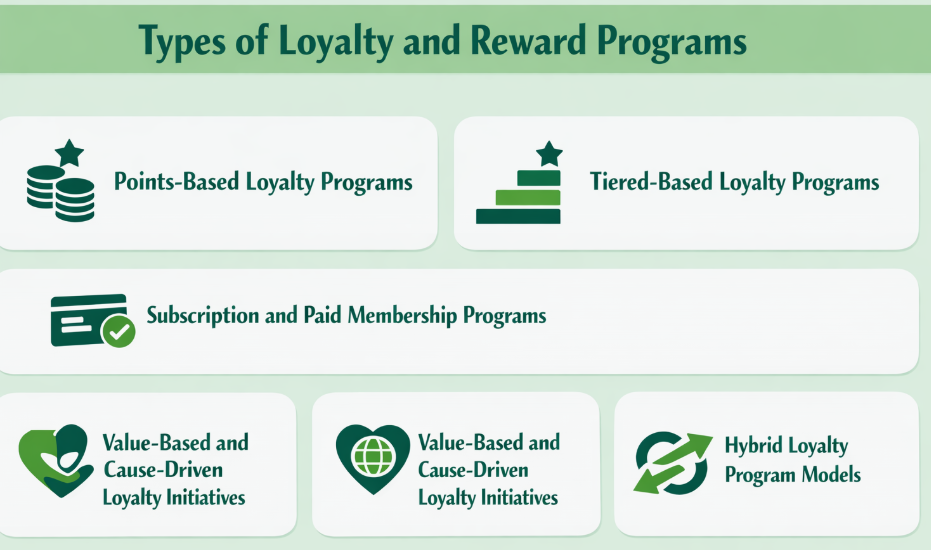
Choosing the right customer loyalty program is crucial to aligning your loyalty strategy with your business goals and customer expectations. There are several types of loyalty programs and proven reward models, each with unique strengths. Understanding these options will help you design a program that effectively incentivizes and retains your customers.
Points-based loyalty programs are among the simplest and most widely used models, in which customers earn points for actions such as making purchases, writing reviews, or referring others. These points can later be redeemed for discounts, free products, or other rewards, making the value easy to understand. The direct connection between spending and earning encourages repeat purchases and can increase average order value. Businesses can also run bonus point campaigns or special promotions to keep customers engaged and drive specific behaviors over time.
Tiered loyalty programs are designed to increase customer engagement by offering different levels of rewards based on spending or activity. As customers move up tiers, they unlock better benefits such as exclusive discounts, early access to products, or bonus rewards. This structure creates a sense of progress and achievement, motivating customers to stay active and spend more to reach higher levels. By aligning rewards with customer preferences, businesses can create a more personalized experience and build stronger, long-term relationships.
Subscription or paid membership programs require customers to pay a recurring fee in exchange for premium benefits and exclusive perks. These may include free shipping, early access to sales, special discounts, or access to exclusive content. Since customers pay upfront, they are more likely to engage more frequently and maximize the value of their membership. This model not only drives repeat purchases but also creates a predictable revenue stream and fosters a highly loyal customer base.
Value-based loyalty programs focus on building emotional connections by aligning with causes or values that matter to customers. Instead of just offering discounts or rewards, these programs may allow customers to donate points to charities or support social initiatives. This approach makes customers feel that their purchases contribute to a greater purpose, strengthening their connection with the brand. By focusing on shared values, businesses can build deeper loyalty that goes beyond transactional relationships.
Hybrid loyalty programs combine elements from multiple program types to create a more flexible and engaging experience. For example, a business might use a points-based system along with tiered rewards to offer both immediate incentives and long-term goals. This approach allows brands to cater to different customer types and provide multiple ways for them to engage. A well-designed hybrid model can stand out from competitors and drive stronger, more sustained customer loyalty.
Also Read: How a Premier Portuguese Winery Cultivated a +16.80% AOV Lift.
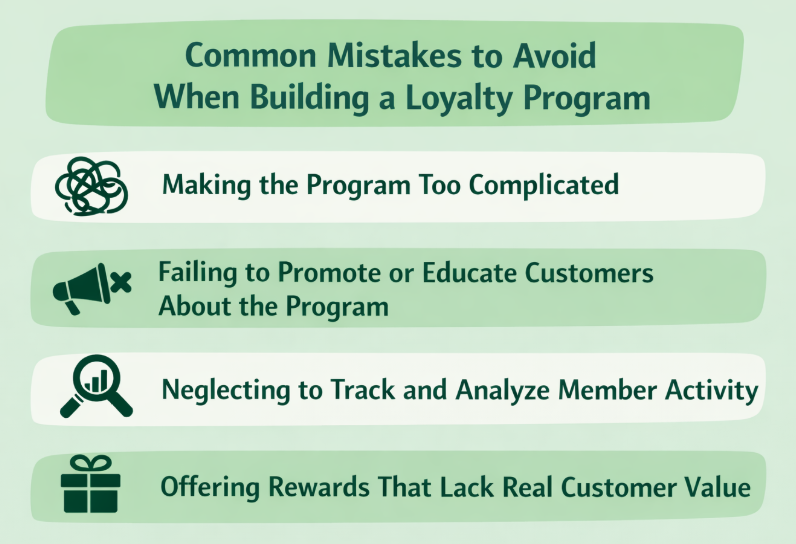
While a loyalty program can be a powerful tool, it can also fall flat if not executed correctly. Many brands make common mistakes that undermine their efforts, waste resources, and fail to deliver real customer value. Understanding these pitfalls is the first step toward avoiding them and building a program that truly resonates with your audience. Let's explore some of the most frequent mistakes to avoid.
One of the biggest mistakes businesses make is creating a loyalty program that is difficult to understand or use. If customers struggle to figure out how to earn points or redeem rewards, they are likely to lose interest quickly. A simple and transparent structure is key to keeping customers engaged and satisfied. When the process is easy to follow, customers are more likely to participate actively and see value in the program.
Even a well-designed loyalty program can fail if customers are not aware of it or do not understand its benefits. Without proper promotion across channels such as email, the website, and social media, sign-ups and engagement will remain low. It is also important to continuously educate customers about how the program works and what they can gain from it. Clear and consistent communication helps build awareness and encourages ongoing participation.
Ignoring data and performance tracking can limit the effectiveness of your loyalty program. Without monitoring customer behavior, it becomes difficult to understand what is working and what needs improvement. Tracking key metrics such as engagement, redemption rates, and purchase patterns allows you to make informed decisions. A data-driven approach helps you optimize the program and ensure it continues to deliver value.
If the rewards offered do not feel valuable or relevant, customers will have little motivation to engage with the program. Generic or hard-to-redeem rewards can reduce interest and participation over time. It is important to understand what your customers truly want and design rewards that match their preferences. Offering meaningful and achievable incentives makes customers feel appreciated and increases the program's overall success.
Also Read: How Metalbird drove consistent growth across 8 stores.
Creating a winning loyalty strategy requires more than just offering points; it demands a focus on exclusivity and perceived value. Using a VIP tier within a platform like the Kefi Loyalty Program VIP Tier can be a game-changer. Tiered loyalty programs are highly effective because they motivate customers to increase their spending to unlock greater benefits. A well-defined VIP tier makes your most valuable customers feel truly special, strengthening their brand loyalty.
To design an effective VIP tier, align the loyalty rewards with your business goals and your top customers' desires. Offer exclusive offers that are not available to anyone else, such as early access to sales, personal shopper services, or invitations to special events. The key is to make the benefits of reaching the VIP tier so compelling that it becomes an aspirational goal for all your members. This not only rewards your best customers but also encourages others to strive for that elite status.
Book a Demo to see how Kefi Loyalty Program, VIP Tier works.
In summary, loyalty programs offer a multitude of benefits that can significantly enhance customer retention and drive long-term business success. By encouraging repeat purchases, increasing customer lifetime value, and fostering brand advocacy, these programs create lasting relationships with consumers. Furthermore, they provide valuable insights into customer preferences, enabling more personalized experiences and targeted offers that resonate with your audience. As demonstrated by successful examples like Starbucks Rewards and Sephora Beauty Insider, effective loyalty programs not only differentiate your brand but also cultivate a sense of community among your customers. If you're ready to elevate your business with a loyalty program that works, get in touch for a free consultation to explore the possibilities.
The impact of loyalty program benefits can be tracked through key metrics derived from customer data. Look for increases in customer retention rates, customer lifetime value (CLV), and average order value. Other important indicators include redemption rates, purchase frequency, and improvements in your Net Promoter Score (NPS).
Loyalty programs provide a competitive advantage by fostering brand loyalty that price alone cannot buy. They create market differentiation through exclusive offers and personalized experiences for loyalty program members. This makes customers less likely to switch to competitors, even if offered a lower price, securing your market share.
Successful loyalty program benefits are evident in programs like Starbucks Rewards, which drive repeat purchases through points for free drinks. Sephora Beauty Insider fosters brand advocacy through VIP experiences, while Amazon Prime excels at increasing lifetime value through its subscription perks, such as free shipping and exclusive content.
Motivating customer rewards include a mix of transactional and experiential benefits. Offer bonus points that can be redeemed for discounts, provide free shipping to remove purchase friction, and grant early access to new products or sales. Simple perks like free items or birthday gifts are also highly effective.
Loyalty program benefits include increased repeat purchases, higher customer lifetime value, and stronger brand relationships. They also help businesses reduce acquisition costs by retaining existing customers and encouraging long-term engagement.
The benefits of customer loyalty programs include better customer retention, improved engagement, and stronger emotional connections with the brand. These programs reward consistent behavior, making customers more likely to return and stay loyal over time.
The benefits of ecommerce loyalty program strategies include higher conversion rates, increased average order value, and better customer data insights. They also help online stores stand out in a competitive market by offering personalized rewards and experiences.
The benefits of customer loyalty programs for long-term growth include predictable revenue, reduced churn, and stronger brand advocacy. Loyal customers tend to spend more and promote the brand, contributing to sustainable business expansion.
.svg)
