.png)
For small business owners, turning a first-time buyer into a lifelong fan is the key to sustainable growth. In a competitive marketplace, customer retention is more critical than ever, and a well-designed loyalty program is your most powerful tool. It goes beyond simple discounts; it is a strategic approach to building meaningful relationships with your loyal customers. This guide explores the essential loyalty programs that can help you foster a dedicated following, encourage repeat business, and drive your success.
A loyalty program is a marketing strategy designed by small business owners to reward their customer base for making repeat purchases. The primary goal is to foster stronger customer relationships and increase customer engagement. Instead of focusing solely on attracting new customers, these programs incentivize existing ones to return, transforming casual shoppers into loyal customers. This can be done through various means, such as a traditional physical loyalty card, a digital app, or a simple point system.
By implementing a loyalty program, you gain valuable insights into customer behavior. Tracking how and when customers redeem rewards helps you understand what motivates them. This information allows you to refine your offerings, create more targeted promotions, and build a program that genuinely adds value. Ultimately, an effective loyalty program does more than just drive sales; it builds a community around your brand, making customers feel appreciated and connected.

Selecting the right loyalty platform is a critical decision for business owners looking to launch a successful loyalty program. The platform you choose will determine how easily you can manage your program, engage customers, and measure results. Let's examine the essential features that can make a significant difference.
For small business owners, simplicity matters a lot. The loyalty software you choose should be easy to set up and manage without requiring technical expertise. A clean dashboard, guided setup, and responsive support can help you get started quickly and make changes whenever needed. When the platform is easy to use, you spend less time figuring things out and more time focusing on engaging your customers and improving your program. This also reduces dependency on developers or external help, saving both time and cost. Over time, a simple system makes it easier to keep your program updated and running smoothly without added stress.
A loyalty program works best when it fits seamlessly into your existing systems. The software should integrate smoothly with your POS and e-commerce platforms so customers can earn and redeem rewards without any friction. This also ensures that customer data, purchases, and points are updated automatically, reducing manual work and errors while giving you a complete view of customer activity across all channels. A well-integrated system improves the checkout experience and avoids delays or confusion for customers. It also helps you maintain accurate records, which is important for tracking performance and making better business decisions.
Your loyalty program should reflect your brand, not feel like a generic add-on. Good software will allow you to customize the design, including colors, logos, and overall look, so it matches your brand identity. At the same time, you should be able to create flexible reward structures based on your business goals and customer preferences, whether that includes discounts, free products, or exclusive perks. This level of customization helps create a more personalized experience for your customers. When the program feels aligned with your brand, it builds trust and makes customers more likely to engage with it regularly.
Having access to data is essential for improving your loyalty program over time. The right platform should provide real-time analytics to help you track key metrics such as enrollment rates, reward redemptions, and overall performance. These insights allow you to understand customer behavior, identify your most valuable customers, and make informed decisions to optimize your program and increase its effectiveness. With better data, you can quickly spot what is working and what needs improvement. This helps you make smarter changes and ensures your loyalty program continues to deliver value as your business grows.
In today’s mobile-first world, your loyalty program needs to be easily accessible on smartphones. Many customers prefer interacting with brands on their mobile devices, so having a mobile-friendly experience, whether through an app or a responsive website, is essential. This convenience makes it easier for customers to check their points, redeem rewards, and stay engaged with your brand at any time. When the experience is smooth on mobile, customers are more likely to interact with your program regularly.
Also Read: How Metalbird drove consistent growth across 8 stores.
Choosing the right type of loyalty program is fundamental to its success. Not all programs are created equal, and the best one for your business will depend on your industry, customer base, and goals. From the classic punch card to sophisticated tiered systems, each model offers a different way to boost customer engagement and encourage repeat purchases. It is about finding the structure that provides the most value to your loyalty members. Let's explore some of the most essential loyalty programs every small business should consider.
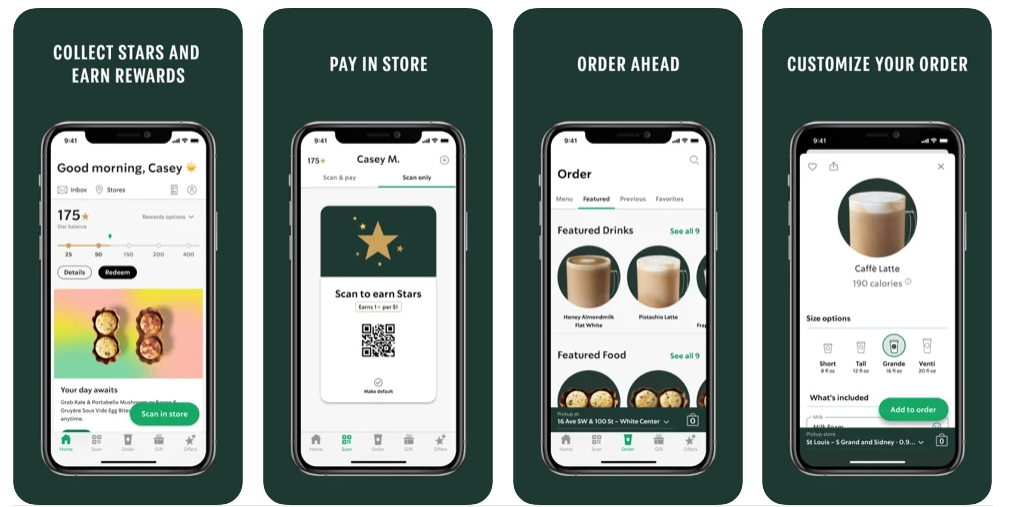
Source: Starbucks
Points-based programs are one of the most popular and straightforward loyalty models. Customers earn loyalty points on every purchase, which can be redeemed for rewards. This system is effective because it directly incentivizes repeat purchases and is easy for customers to understand. A clear structure, such as "earn 1 point for every $1 spent," provides a transparent path to rewards.
To make this model even more engaging, you can offer bonus points for specific actions. For instance, you could award extra points for signing up, on a customer's birthday, or for purchasing certain products. This flexibility allows you to drive specific behaviors, such as increasing the average order value or promoting new items.
Consider these points-based strategies:

Source: Sephora
Tiered loyalty programs are an excellent way to motivate your customer base to increase their engagement over time. These programs create a sense of progression and exclusivity by organizing loyalty members into different levels, or VIP tiers, based on their spending or activity. As customers move to the next level, they unlock more valuable rewards and perks.
This model appeals to a customer's desire for status and achievement. The clear path to advancement encourages shoppers to spend more to reach the next tier, thereby increasing their lifetime value. The rewards for higher tiers should be genuinely aspirational, such as exclusive access to new products, personalized services, or significant discounts.
Ideas for structuring your tiered program include:
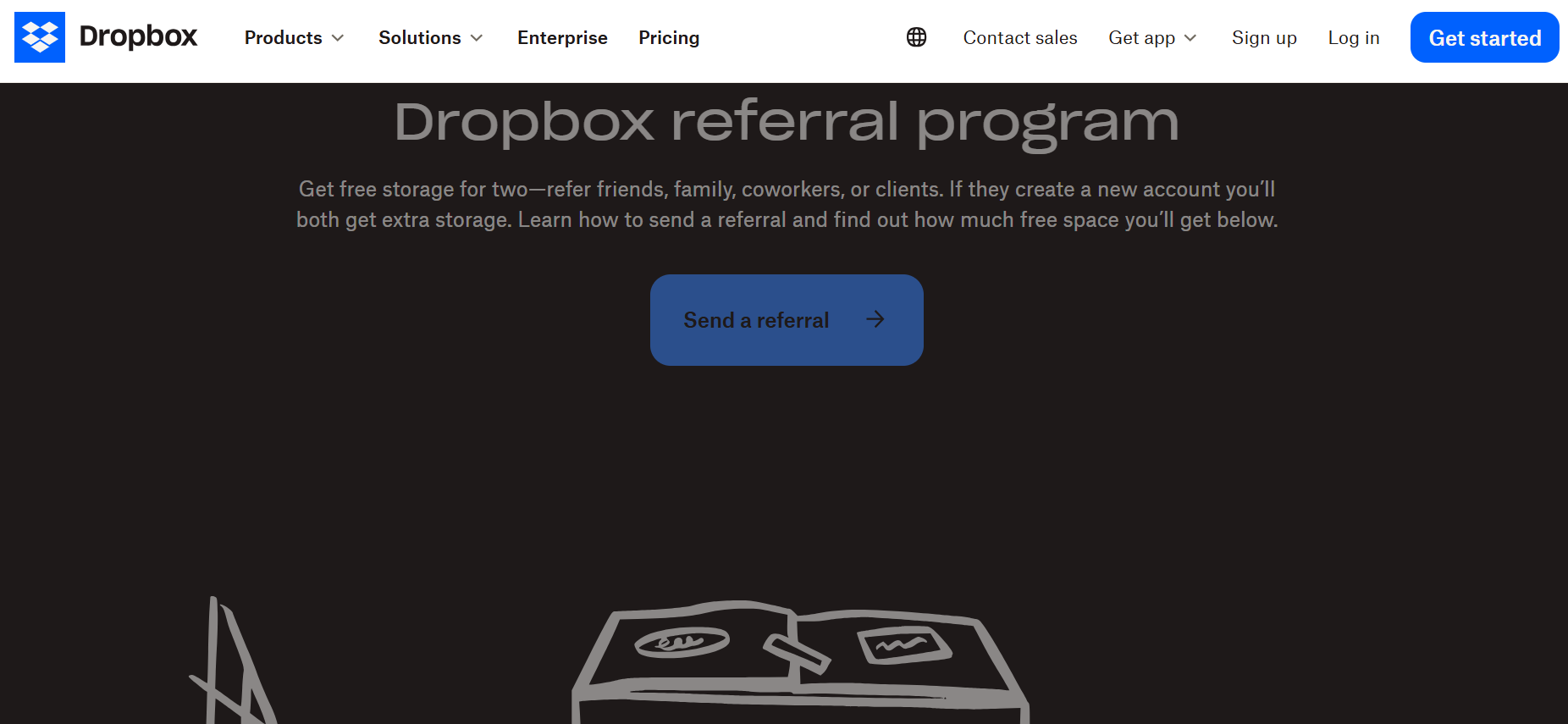
Source: Dropbox
A referral program is a powerful strategy that turns your best repeat customers into brand advocates. This model rewards existing customers for bringing in new customers, tapping into the power of word-of-mouth marketing. Since people trust recommendations from friends and family more than traditional advertising, referrals often lead to high-quality, long-term customers.
To create an effective referral program, it's best to offer a dual-sided incentive. This means both the referrer and the new customer receive a reward, creating a win-win situation that encourages participation. Promoting your program through channels like social media and email marketing ensures it reaches a wide audience and stays top of mind.
To launch a successful referral program:

Source: H&M
The classic punch card is one of the simplest and most recognizable forms of a loyalty program. Often seen in coffee shops or salons, this system rewards customers for frequent visits. The premise is straightforward: after a set number of purchases, the customer receives a free item or a discount. This model is particularly effective for businesses with high-frequency, low-cost transactions.
Despite its simplicity, the punch card is a powerful tool for customer retention. It provides a tangible and visual representation of progress, encouraging customers to complete the card to claim their reward. This creates a habit-forming loop that can turn casual visitors into loyal customers. While physical cards are common, digital punch cards are gaining popularity for their convenience and trackability.
Tips for an effective punch card system:

Source: Axis Bank
Cashback loyalty programs offer customers a direct, tangible reward: a percentage of their spending returned to them as credit toward future purchases. This model has a strong value proposition because the benefit is clear and immediate. Instead of accumulating points for an abstract reward, customers see a direct monetary value, which can significantly enhance the customer experience.
This type of program is highly effective at driving repeat business, as customers are incentivized to return to use their accumulated cashback. It simplifies the reward process and eliminates the complexity of point conversions. For businesses, a cashback program can be a powerful driver of sustainable growth by fostering a loyal customer base that appreciates the straightforward value.
To implement a cashback program successfully:

Source: Zappos VIP
A VIP membership club takes the concept of loyalty to the next level by offering exclusive perks to your most valuable customers. These programs can be structured as the top level of a tiered VIP program or as a standalone paid membership. The goal is to make your best loyalty members feel truly special and appreciated, fostering deep-seated brand loyalty.
The key to a successful VIP club is offering benefits unavailable to the general public. These exclusive offers create a sense of status and belonging. Perks can range from early access to new products and sales to invitations to members-only events or personalized styling services. The exclusivity is the main draw, making the membership feel like a worthwhile investment or achievement.
Ideas for VIP membership perks include:

Source: Nike
Digital loyalty cards are the modern evolution of the traditional punch card. They offer a paperless, convenient, and trackable way to manage customer engagement. Instead of carrying a physical card, loyalty program members can store their card in a mobile wallet or access it through a mobile app. At checkout, they simply scan a QR code to record their purchase or redeem a reward.
This digital approach is highly effective for small businesses because it eliminates the hassle of physical cards, which can be easily lost or forgotten. Furthermore, it provides valuable data on customer behavior, allowing you to see how frequently members visit and what they purchase. This insight helps you refine your program and send targeted offers, making the entire system more efficient and impactful.
Key benefits of digital loyalty cards:

Source: Amazon Prime
Subscription-based loyalty models offer a unique approach to customer retention by providing recurring value in exchange for a regular fee. This business model turns the customer relationship into an ongoing partnership. Subscribers might receive a curated box of products each month, unlimited access to a service, or exclusive perks like free shipping on all orders.
This model is powerful because it generates predictable revenue and deeply integrates your brand into customers' lifestyles. By delivering consistent value, you encourage long-term commitment and frequent repeat purchases. A subscription program can be an excellent way to stand out from the competition and build a highly engaged community around your brand throughout the entire customer lifecycle.
Examples of subscription-based loyalty include:
Source: TOMS
Cause-based rewards programs connect customer loyalty to a greater purpose. Instead of offering discounts, this model allows customers to convert their points or purchases into donations to a charity or local cause. This approach is particularly effective for businesses that want to build deeper customer relationships and demonstrate a commitment to their community.
By aligning your brand with a cause that resonates with your customers, you can foster a powerful emotional connection. This shared value system strengthens brand loyalty far beyond transactional benefits. Customers feel good about their purchases, knowing that they are contributing to a positive local impact. This can be a significant differentiator, especially for businesses targeting socially conscious consumers.
To implement a cause-based program:
Also Read: What are the Best Loyalty Apps for Shopify Growth?
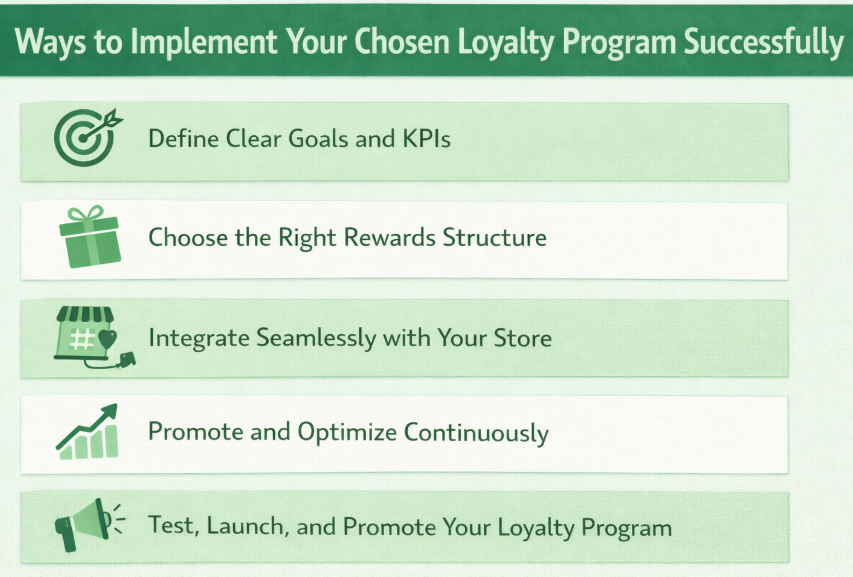
Launching a loyalty program is just the beginning. To ensure it drives customer retention and attracts new customers, you need a solid implementation plan. A successful launch requires a clear loyalty strategy that outlines your goals, rewards, and promotional efforts. Simply having a program is not enough; its success hinges on how well it is executed and integrated into your business operations. Let's walk through the key steps to implement your chosen program effectively.
Before launching your loyalty program, it is important to clearly define what success looks like. Setting specific goals and measurable KPIs helps you track performance and ensures the program aligns with your overall business objectives. Whether your aim is to increase customer retention, boost average order value, or improve purchase frequency, each goal should be clearly outlined and time-bound so you can evaluate results effectively.
The rewards you offer play a major role in determining how successful your program will be. They should be appealing enough to motivate customers while still being financially sustainable for your business. It is important to understand what your customers value most and design rewards accordingly, whether that is discounts, free products, or exclusive perks. A balanced mix of easily achievable rewards and higher-value incentives can keep customers engaged over time.
A smooth and hassle-free experience is essential for both customers and your team. Your loyalty program should integrate well with your existing systems so that earning and redeeming rewards feel effortless. If the process is complicated or slow, it can discourage participation. Proper staff training and testing the system before launch can help ensure everything runs efficiently, even during busy periods.
Simply launching a loyalty program is not enough; you need to actively promote it to drive awareness and participation. Use multiple channels, such as email, social media, and in-store communication, to inform customers about the program. Once it is live, regularly monitor its performance and gather feedback to make improvements. Continuous optimization helps keep the program relevant and ensures it delivers long-term value for both your business and your customers.
Also Read: How a Premier Portuguese Winery Cultivated a +16.80% AOV Lift.
For business owners ready to elevate their customer loyalty strategy, implementing a VIP-tiered program is a powerful next step. Using a versatile loyalty app like Kefi Loyalty Program, VIP Tier, you can design and launch a sophisticated tiered program that rewards your most valuable customers with exclusive offers and perks. Kefi's loyalty software is built to be user-friendly, allowing you to set up your program without needing technical expertise. Even with a free plan, you can begin to build a robust system. The process involves defining your tiers, setting the criteria for customers to advance, and designing the unique rewards for each level. By analyzing your program performance through Kefi's dashboard, you can continuously refine your VIP tiers to maximize engagement and profitability.
Book a Demo to see how Kefi Product Bundle Builder works.
Implementing the right loyalty program is crucial for small businesses looking to enhance customer retention and drive repeat purchases. By understanding the key features and exploring various program types, you can tailor your approach to your unique customer base. Remember, a successful loyalty strategy not only benefits your customers but also strengthens your business's brand identity. As you embark on this journey, focus on clear goals, seamless integration, and continuous optimization to truly reap the rewards. If you're ready to elevate your small business with a structured loyalty program, reach out to us for a consultation and discover how we can help you succeed.
Absolutely. While the primary goal is customer retention, referral programs are designed to attract new customers by rewarding repeat customers for referring others. The increased customer engagement and positive buzz generated by a great program can also attract shoppers seeking brands that value their business.
A digital loyalty card works through a loyalty app or mobile wallet. Customers scan a QR code at checkout to earn points or redeem rewards. They are highly effective because they are convenient, reduce fraud, and provide valuable data on customer engagement, thereby improving program performance.
Yes, business owners can start with low-tech options. A simple physical punch card is a classic and effective way to run a loyalty program without any loyalty software. While less trackable than a digital loyalty card, it is a cost-effective method for businesses on a tight budget.
A loyalty program for a small business is a system that rewards customers for repeat purchases or engagement. Customers earn points, discounts, or perks, which encourages them to come back and shop more often.
A loyalty rewards program motivates customers to spend more by offering incentives like discounts or free items. It builds long-term relationships and increases repeat purchases, which directly boosts overall sales.
A good loyalty program app should be easy to use, integrate with your store, and offer customization options. Features like automation, mobile access, and analytics can make managing your program much more efficient.
Customer loyalty programs help retain existing customers, which is often more cost-effective than acquiring new ones. They also increase customer lifetime value and create stronger brand connections.
A free loyalty program can be a great starting point, especially for small businesses with limited budgets. However, you should ensure it offers essential features and can scale as your business grows.
The best loyalty programs are simple, rewarding, and aligned with customer preferences. They offer valuable incentives, a smooth user experience, and insights to continuously improve performance.
Start by defining your goals, then choose a rewards structure that fits your customers. Next, select the right software, integrate it with your store, and promote it consistently to drive engagement.
.svg)
