

In today's competitive e-commerce landscape, securing a one-time purchase is only the beginning. The real challenge lies in fostering genuine brand loyalty that transforms casual shoppers into devoted brand advocates. An effective loyalty program is a cornerstone of this effort, serving as a powerful tool for customer retention. By rewarding repeat business and creating exclusive experiences, you can build a strong emotional connection with your customers, ensuring they choose your brand time and time again.
A loyalty program, often called a rewards program, is a strategic marketing initiative designed to encourage repeat business. It works by rewarding customers for their continued patronage and engagement with your brand. Businesses use these programs to build stronger connections with their audience, moving beyond simple transactions to create a sense of community and appreciation. By offering tangible benefits, you give customers a compelling reason to choose you over competitors.
Looking ahead to 2026, loyalty program best practices are being shaped by several key trends. These include increased personalization through data analytics, a focus on experiential rewards rather than just discounts, integration with mobile and digital platforms, and a growing emphasis on sustainable and socially responsible rewards. As customer expectations continue to evolve, staying ahead of these trends can help businesses maximize the effectiveness of their loyalty programs.
The mechanics are typically straightforward. Customers who join the rewards program earn loyalty points for specific actions, such as making purchases, writing reviews, or referring friends. They can often track their progress using a physical loyalty card or a digital account. These accumulated points can then be redeemed for discounts, free products, exclusive access, or other valuable perks. This system not only incentivizes future purchases but also provides a framework for recognizing and rewarding your most valuable customers.

Loyalty programs enhance customer retention among members by rewarding repeat purchases, fostering emotional connections, and increasing customer lifetime value. They can also provide valuable insights into customer behavior, allowing for personalized marketing strategies that further engage shoppers and encourage brand loyalty.
A primary advantage of a loyalty program and referral programs is their strong impact on customer retention. Many consumers are more likely to continue purchasing from brands that offer rewards or loyalty benefits because these programs make them feel valued beyond individual transactions. By providing incentives for repeat purchases, businesses encourage customers to return rather than explore competitors, gradually turning occasional buyers into long-term loyal customers.
Loyalty programs are a great way to increase customer lifetime value because members tend to purchase more frequently and spend more over time. Customers are often motivated to reach reward milestones or unlock exclusive benefits, which encourages continued spending. This approach helps businesses build stronger long-term relationships while generating higher overall revenue from each customer.
Ecommerce loyalty programs improve customer engagement by creating more opportunities for interaction beyond the initial purchase. Online retailers allow customers to earn rewards for actions such as writing reviews, referring friends, or sharing content on social media, which keeps them actively involved with the brand. These interactions strengthen the connection between the customer and the business while keeping the brand top of mind.
A well-designed loyalty program encourages customers to spend more by offering rewards tied to spending thresholds or exclusive benefits. For example, bonus points, free shipping, or special perks after reaching a certain cart value can motivate shoppers to add more items to their orders. Customers are often willing to increase their purchase size when they see that spending slightly more can unlock better rewards. Over time, these incentives help increase average order value while encouraging consistent repeat purchases from loyal customers.
Also Read: How Lifetime Technologies went from a Single Additive to System Kits.
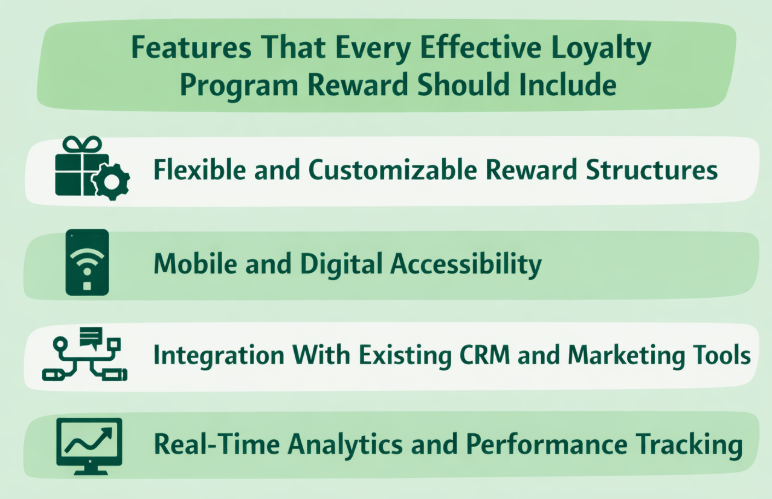
An effective loyalty rewards program is built on a foundation of features that make it both valuable for customers and easy for you to manage. It should be accessible, intuitive, and seamlessly integrated into your existing customer journey. A dedicated loyalty app can significantly enhance the user experience, allowing members to track and redeem rewards effortlessly. Let's explore the key features that every successful program should have.
An effective loyalty program should offer flexibility in how rewards are structured to match different customer preferences. Instead of a one-size-fits-all approach, businesses should provide multiple reward options such as points, discounts, free products, or exclusive perks. This allows customers to choose what matters most to them, making the program feel more personal and valuable. When customers have control over how they earn and redeem rewards, they are more likely to stay engaged and build a stronger connection with the brand.
In today’s digital-first environment, a loyalty program must be easily accessible across devices, especially on mobile. Whether through a dedicated app or a mobile-friendly website, customers should be able to check their points, track progress, and redeem rewards anytime. This level of convenience removes friction and encourages consistent participation. A smooth digital experience not only improves engagement but also keeps your brand present in the customer’s daily routine.
For a loyalty program to be truly effective, it needs to integrate seamlessly with your existing CRM and marketing systems. This integration allows you to collect and use customer data more efficiently, enabling better segmentation and personalized communication. It also automates processes like reward tracking and campaign management, saving time and reducing errors. With everything connected, you can create a more cohesive and impactful marketing strategy.
Real-time analytics are essential for understanding how well your loyalty program is performing. By tracking metrics like customer engagement, redemption rates, and purchase behavior, you can identify what is working and what needs improvement. These insights help you make data-driven decisions and continuously optimize your program. Regularly monitoring performance ensures your loyalty strategy stays effective and aligned with your business goals.
Also Read: How Metalbird drove consistent growth across 8 stores.
Launching a loyalty program is a significant step, but ensuring it drives increased sales requires strategic execution. A successful loyalty program is not just about giving away discounts; it's about creating a system that encourages specific customer behaviors that align with your growth objectives. It’s about building a framework that adds value for both your customers and your business. The following tips will guide you in designing and managing a program that boosts customer loyalty and your bottom line.

Source: Starbucks
Case: Starbucks sets clear goals, such as increasing visit frequency through its rewards app.
Before you design any part of your loyalty program, you must define what you want to achieve. Starting with clear goals and measurable objectives provides a roadmap for your entire strategy. Are you aiming to increase repeat purchase frequency, boost average order value, or improve customer retention rates? Your goals will shape every aspect of the program.
These objectives should be specific and quantifiable. For example, instead of a vague goal like "improve loyalty," aim for "increase the repeat purchase rate by 15% within six months." This clarity allows you to design rewards and promotions that directly support your targets and measure your progress effectively.
Ultimately, your loyalty program should be an integral part of your wider marketing strategy. By aligning your program's goals with your overall business objectives, you ensure that it contributes meaningfully to your company's growth while enhancing the customer experience.

Source: Nike
Case: Nike integrates loyalty with its fitness ecosystem and brand experience.
A loyalty program should not exist in isolation. To be truly effective, it must be woven into your overall business strategy. This alignment ensures that your loyalty initiatives support and reinforce your broader company goals, whether they relate to brand positioning, market expansion, or financial targets.
Consider how your loyalty program can help you achieve your high-level objectives. If your business strategy is focused on becoming a market leader in sustainability, your program could reward customers for eco-friendly actions. This creates a cohesive brand message and shows customers that your values are consistent across all touchpoints.
Integrating your loyalty program with your marketing strategy is also crucial. The data and insights generated by the program can inform your campaigns. At the same time, your marketing channels can promote the program and communicate its value, creating a powerful, self-reinforcing cycle of growth.
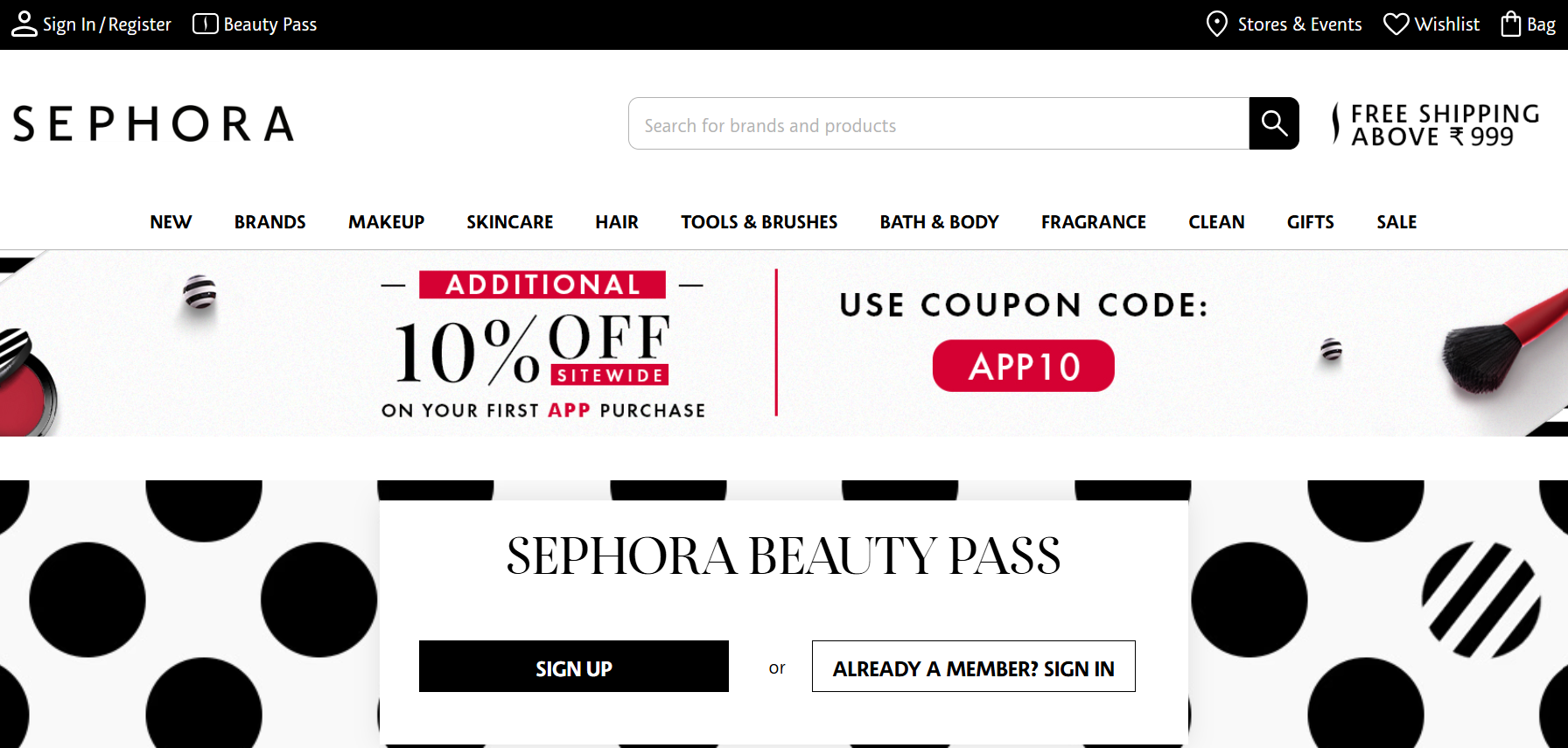
Source: Sephora
Case: Sephora sends tailored rewards based on beauty profiles and preferences.
Personalization is the key to making customers feel seen and valued. By leveraging customer data, you can move beyond generic offers and create rewards that are tailored to individual preferences and purchase histories. This targeted approach makes your loyalty program more relevant and significantly more effective at fostering brand loyalty.
Analyze data on customer demographics, past purchases, and browsing behavior to identify what motivates different segments of your audience. You can then craft personalized promotions and rewards that resonate with each group. For example, offer a special discount on a customer's favorite product category or send a surprise reward on their birthday.
This level of personalization strengthens the emotional connection between your customers and your brand. When rewards feel chosen specifically for them, customers are more likely to stay engaged and feel genuine appreciation for your business.

Source: Delta Airlines
Case: Delta Air Lines motivates customers with Silver, Gold, and Platinum tiers.
A tiered loyalty program is a powerful way to motivate customers to increase their spending and engagement over time. By creating different levels with progressively better rewards, you create a sense of achievement and aspiration. Customers are encouraged to make repeat purchases to unlock the exclusive benefits of higher tiers.
This structure is effective because it gives your most valuable customers the recognition they deserve while providing a clear path for others to follow. The exclusivity of top-tier rewards, such as early access to new products or VIP customer service, can be a strong motivator.
To implement a tiered system, you should:
A well-designed tiered loyalty program not only encourages repeat business but also builds a community of loyal advocates who feel invested in your brand.

Source: McDonald's
Case: McDonald's offers an easy-to-understand points system via its mobile app.
Complexity is the enemy of engagement. If your loyalty program is difficult to understand, customers will quickly lose interest. The process of earning and redeeming loyalty points must be simple, transparent, and frictionless. A straightforward point system ensures that customers know exactly how to participate and what they need to do to earn rewards.
Clearly communicate the value of your points. For instance, "Earn 1 point for every $1 spent, and 100 points equals a $10 discount." This kind of clarity removes confusion and makes the rewards feel attainable. Avoid complicated rules or hidden conditions that can lead to frustration and diminish customer satisfaction.
The redemption process should be just as easy. Offer multiple, easily accessible options for using points, whether it's at online checkout, through a mobile app, or in-store. A user-friendly interface with minimal steps to redeem rewards will keep your customers happy and actively participating in your program.

Source: Disney
Case: Disney connects experiences across parks, apps, and online platforms.
Today’s customers interact with brands across multiple channels, from websites and mobile apps to physical stores and social media. A successful loyalty program must provide a seamless omnichannel experience, allowing customers to earn and redeem rewards regardless of how they choose to shop. This consistency is fundamental to a positive customer experience.
An omnichannel approach ensures that your loyalty program is always accessible and relevant. A customer might browse on their laptop, make a purchase on your app, and later redeem points in your physical store. The experience should be fluid and interconnected, with their loyalty status and points updated in real time across all platforms.
Integrating your marketing efforts across these channels reinforces the value of your program. You can promote loyalty benefits on social media, send personalized offers via email, and remind customers of their points balance at the in-store checkout. This unified strategy enhances engagement and strengthens the customer's relationship with your brand.
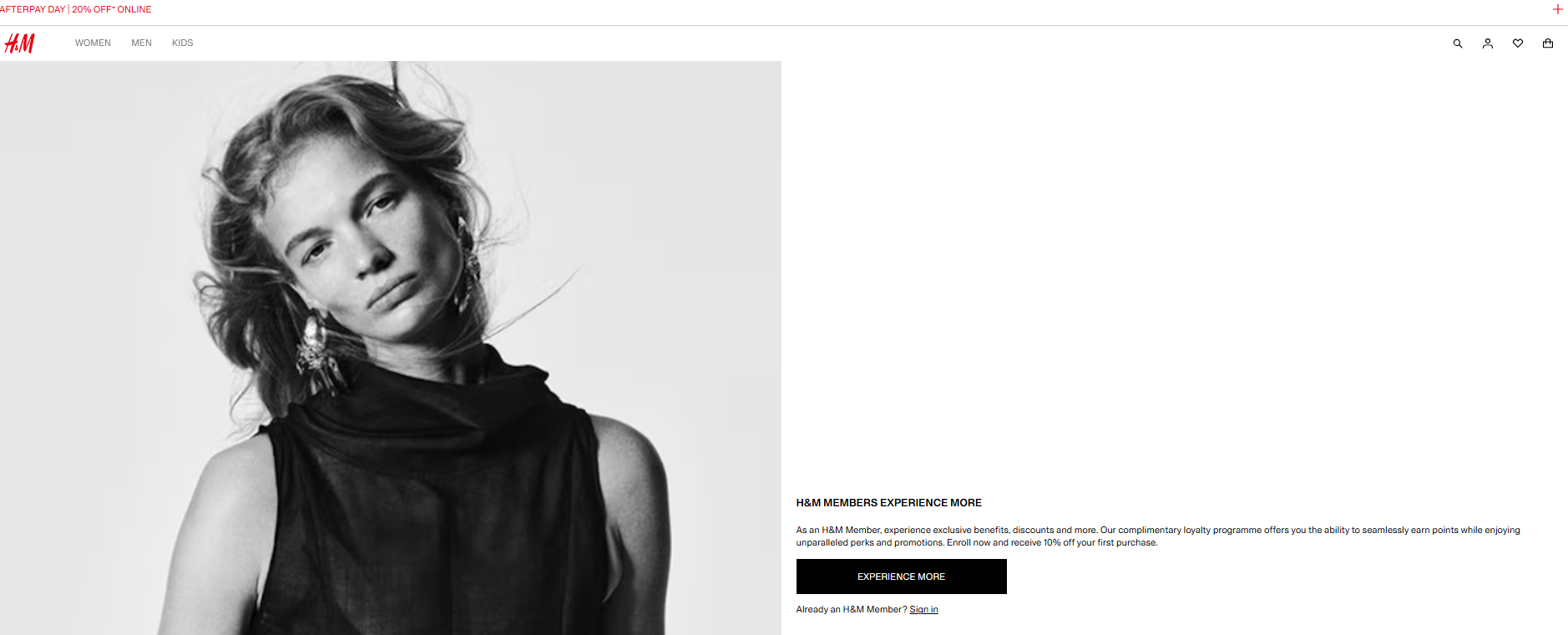
Source: H&M
Keeping your loyalty members informed and engaged is crucial for the long-term success of your program. Regular communication reinforces the value of their membership and keeps your brand top of mind. Develop a communication plan that highlights program benefits, updates members on their progress, and announces new rewards.
Use a mix of channels, such as email marketing, SMS, and push notifications, to reach your members. Personalize your messages based on their loyalty tier, purchase history, and point balance. For example, send an email reminding a customer they are close to reaching the next reward tier to build anticipation.
Effective communication builds stronger customer relationships. It shows loyalty members that you appreciate their business and are committed to providing them with ongoing value. Regular updates and exclusive offers make them feel like valued insiders, strengthening their connection to your brand.
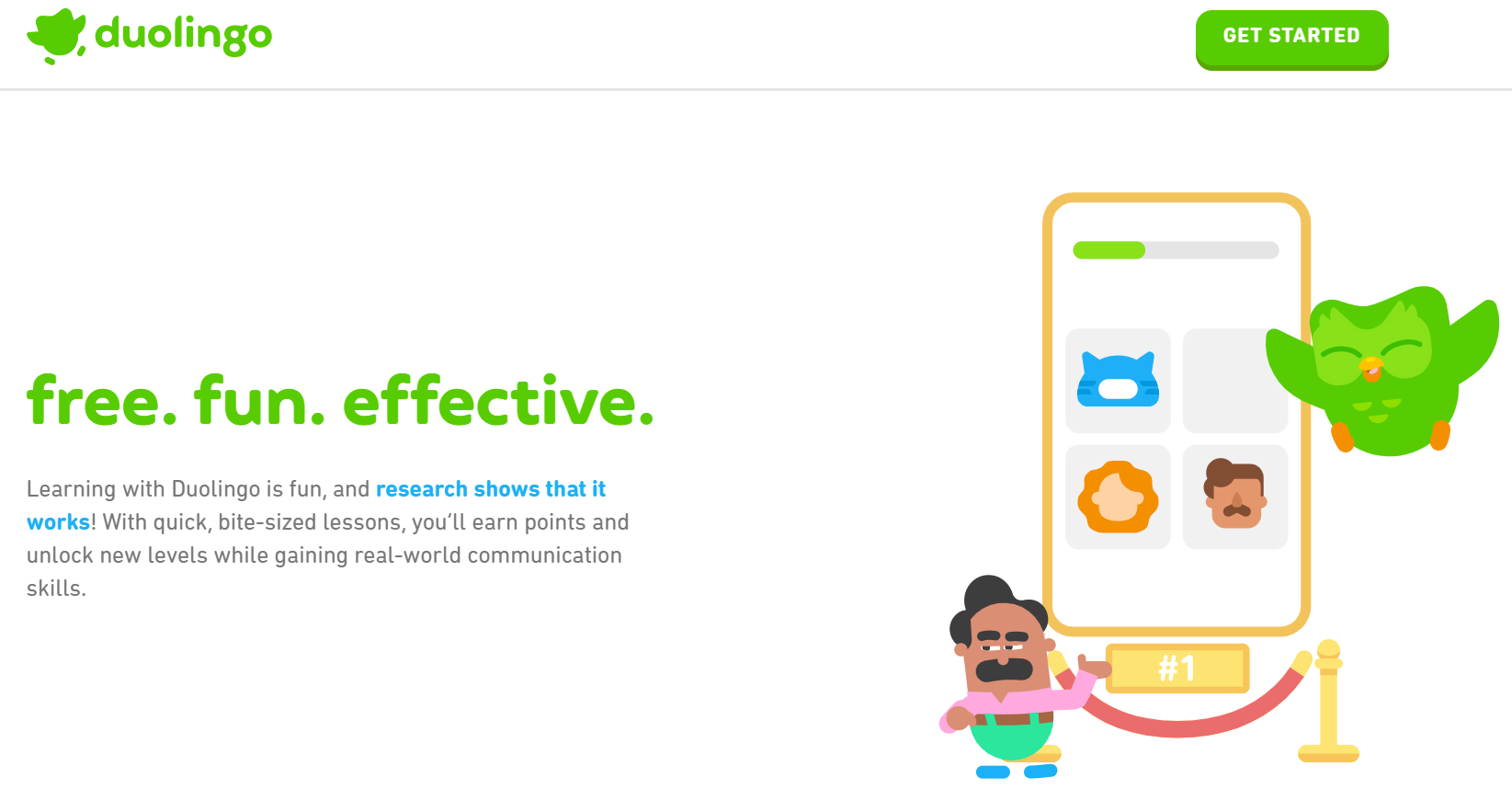
Source: Duolingo
Case: Duolingo uses gamification, such as streaks and badges, to retain users.
Gamification can transform your loyalty program from a simple rewards system into an interactive and exciting experience. By incorporating game-like elements such as challenges, badges, and leaderboards, you can significantly boost customer engagement and make participation more fun. These elements tap into people's natural desire for competition and achievement.
Introduce challenges that reward customers for specific actions, like writing a review or sharing a post on social media. Awarding badges for milestones, such as their first purchase or loyalty anniversary, provides a sense of accomplishment and encourages continued participation.
Gamification also creates opportunities for members to earn exclusive experiences that go beyond standard discounts. This could include invitations to members-only events or special contests. By making your program more playful and interactive, you can foster a more dynamic and emotionally connected community of loyal customers.

Source: Zara
Case: Zara offers early access to sales for selected customers.
Exclusivity is a powerful driver of brand loyalty. Offering perks available only to loyalty members makes them feel special and valued. Exclusive offers and early access to new products or sales create a sense of privilege and give customers a compelling reason to stay engaged with your program.
These perks demonstrate that you appreciate your most loyal customers. Early access to a highly anticipated product launch or a members-only discount can be a far more powerful incentive than a simple point-based reward. It shows that membership has tangible benefits beyond just saving money.
By providing unique customer value through exclusivity, you strengthen the bond with your audience. Customers who feel like they are part of an exclusive club are more likely to become passionate brand advocates, promoting your business to their friends and family and reinforcing their own commitment.
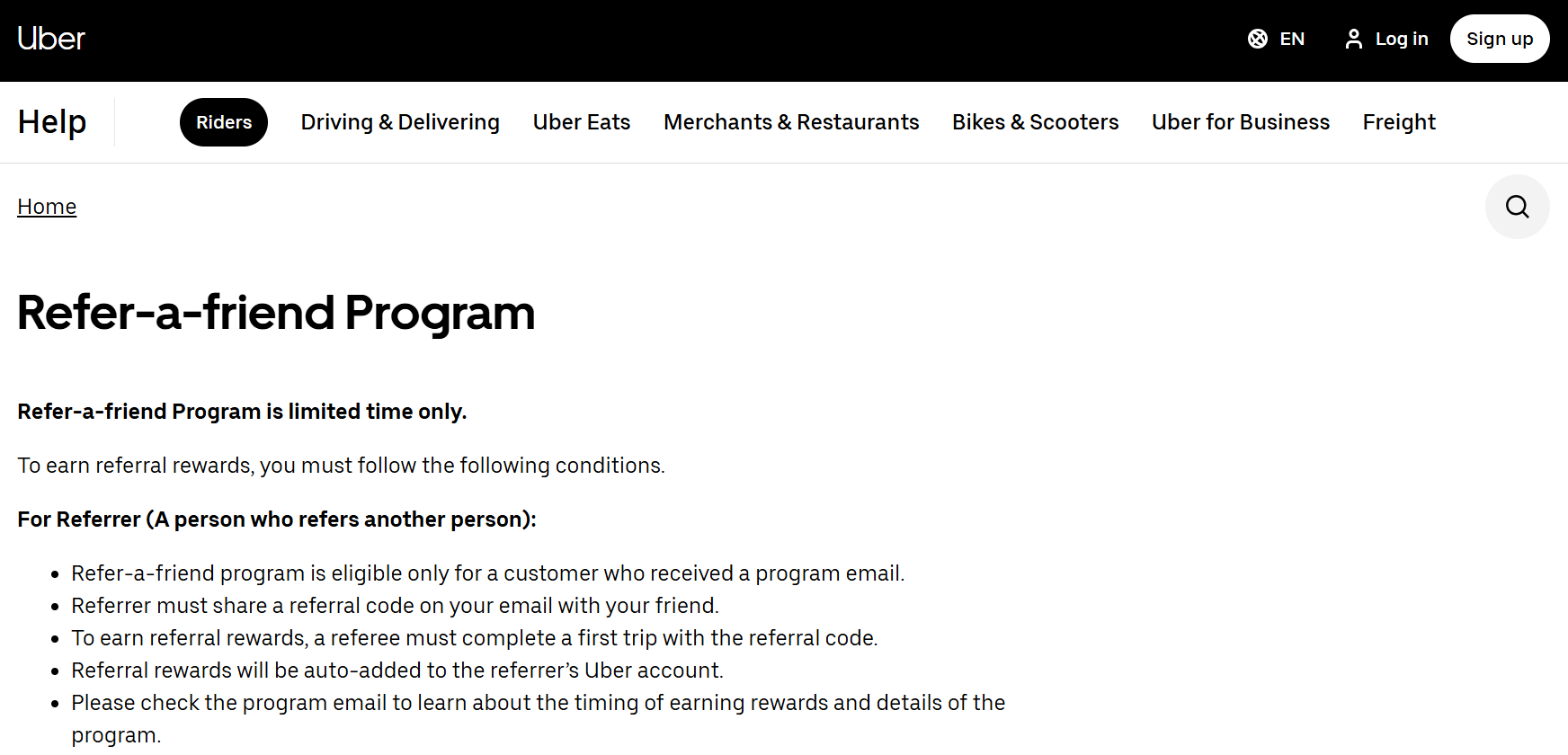
Source: Uber
Case: Uber incentivizes users with referral credits.
Your most loyal customers can be your most effective marketers. Encouraging referrals and social sharing within your loyalty program is a cost-effective way to acquire new customers while rewarding your existing ones. This strategy turns your satisfied customers into powerful brand advocates.
Create a simple referral system that rewards both the referrer and the new customer upon a purchase. This "give-get" model incentivizes your current customer base to spread the word and provides a warm welcome to newcomers. Offering loyalty points or discounts for sharing on social media can also exponentially expand your reach.
By tapping into the power of word-of-mouth marketing, you can grow your customer base with highly qualified leads. A recommendation from a trusted friend is often more persuasive than any traditional advertisement, making referral programs a cornerstone of sustainable growth.
Also Read: Pros and Cons Loyalty of Programs: Is It Worth It?
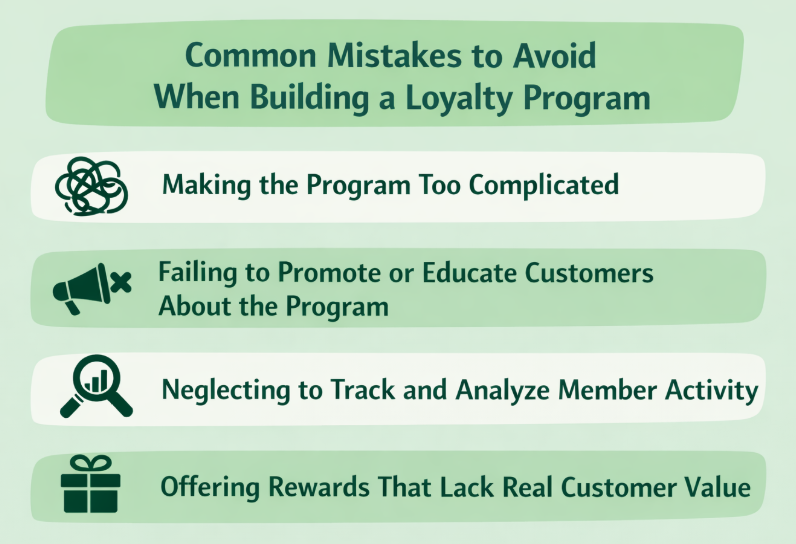
While a loyalty program can be a powerful tool, it can also fall flat if not executed correctly. Many brands make common mistakes that undermine their efforts, waste resources, and fail to deliver real customer value. Understanding these pitfalls is the first step toward avoiding them and building a program that truly resonates with your audience. Let's explore some of the most frequent mistakes to avoid.
One of the biggest mistakes businesses make is creating a loyalty program that is difficult to understand or use. If customers struggle to figure out how to earn points or redeem rewards, they are likely to lose interest quickly. A simple and transparent structure is key to keeping customers engaged and satisfied. When the process is easy to follow, customers are more likely to participate actively and see value in the program.
Even a well-designed loyalty program can fail if customers are not aware of it or do not understand its benefits. Without proper promotion across channels such as email, the website, and social media, sign-ups and engagement will remain low. It is also important to continuously educate customers about how the program works and what they can gain from it. Clear and consistent communication helps build awareness and encourages ongoing participation.
Ignoring data and performance tracking can limit the effectiveness of your loyalty program. Without monitoring customer behavior, it becomes difficult to understand what is working and what needs improvement. Tracking key metrics such as engagement, redemption rates, and purchase patterns allows you to make informed decisions. A data-driven approach helps you optimize the program and ensure it continues to deliver value.
If the rewards offered do not feel valuable or relevant, customers will have little motivation to engage with the program. Generic or hard-to-redeem rewards can reduce interest and participation over time. It is important to understand what your customers truly want and design rewards that match their preferences. Offering meaningful and achievable incentives makes customers feel appreciated and increases the program's overall success.
Also Read: How a Premier Portuguese Winery Cultivated a +16.80% AOV Lift.
Attracting new customers and fostering long-term brand loyalty requires sophisticated loyalty strategies that make your audience feel truly valued. With the Kefi Loyalty Program VIP Tier, you can design a powerful loyalty program that transforms your best customers into passionate brand advocates. Our platform allows you to create customized, tiered experiences that reward increasing levels of engagement and spending. By offering exclusive benefits, personalized rewards, and a sense of belonging, you can build a strong emotional connection with your customer base.
Implementing a VIP tier with Kefi is a strategic way to not only retain your most valuable customers but also to attract new ones. The aspirational nature of a VIP program encourages shoppers to increase their engagement to unlock elite status and its associated perks. This creates a powerful cycle of loyalty and growth. You can easily configure tiers, automate rewards, and seamlessly integrate the program into your Shopify store to build a thriving community of loyal fans who drive your business forward.
Book a Demo to see how Kefi Product Bundle Builder works.
In conclusion, implementing proven loyalty program best practices is essential to increasing sales and fostering customer loyalty. By creating a clear framework that prioritizes customer engagement and satisfaction, businesses can effectively turn occasional buyers into devoted advocates. From integrating tiered rewards to leveraging data for personalization, each element contributes to a cohesive strategy that aligns with your overall business goals. Continuous monitoring and optimization will ensure your loyalty program remains relevant and effective. Embrace these insights to craft a program that not only meets customer expectations but also drives growth. If you're ready to take a deeper dive into crafting your loyalty strategies, consider reaching out for a free consultation to explore how we can support your unique needs.
Measure the ROI of your loyalty program by tracking key metrics such as customer retention rate, repeat-purchase frequency, and average order value for members versus non-members. This performance tracking data will clearly demonstrate the program's impact on revenue and overall business growth.
Align your business strategy with your loyalty program’s goals by first defining measurable program objectives that support your company's high-level targets. Ensure the program is an integral part of your overall marketing strategy, designed to engage your target customer base effectively.
Measure the success of your loyalty program through diligent performance tracking. Analyze data on KPIs like participation rate, redemption frequency, and changes in customer behavior. Comparing these metrics against your initial goals is the best way to determine your program's success.
Effective loyalty program best practices focus on simplicity, clear rewards, and consistent engagement. Businesses should ensure the program is easy to understand while offering meaningful incentives. Regular optimization and communication help maintain long-term customer interest.
Customer loyalty program best practices include personalizing rewards, using customer data effectively, and creating a seamless user experience. Businesses should also align rewards with customer preferences to increase participation. Continuous promotion is key to keeping the program active.
Best practices for customer retention in loyalty programs involve offering valuable rewards, maintaining consistent communication, and rewarding repeat behavior. Personalization and timely incentives help keep customers engaged. A well-structured program encourages long-term relationships.
To maximize engagement, loyalty, and rewards, programs should include gamification, tiered incentives, and easy redemption options. Clear value and instant gratification also play an important role. Keeping the experience interactive encourages customers to stay involved.
For online stores, best practices include mobile-friendly access, seamless checkout integration, and automated reward tracking. Personalized offers and email reminders help boost engagement. A smooth digital experience ensures higher participation and repeat purchases.
.svg)
