
In the competitive landscape of ecommerce, an effective pricing strategy is crucial for driving growth and enhancing customer relationships. Tiered discounts have emerged as a powerful sales strategy that incentivizes customers to spend more by offering escalating savings. This approach not only boosts average order value but also fosters loyalty. By structuring discounts in tiers, you create a win-win scenario: customers feel they are getting a better deal, and your business sees a significant lift in revenue. Are you ready to explore how this pricing model can transform your sales?
A tiered discount is a pricing structure in which the discount a customer receives increases as they meet predefined thresholds, such as the number of items purchased or the total cart value. This tiered pricing model works by creating multiple discount tiers; for example, a 10% discount for spending $50, a 15% discount for spending $100, and a 20% discount for spending $150. As customers reach a higher tier, they unlock a greater reward, encouraging them to add more items to their cart.
This effective strategy goes beyond a single flat-rate discount and offers a dynamic incentive for upselling. The pricing structure is designed to guide customer behavior toward larger purchases. When a shopper sees they are close to the next discount level, they are often motivated to add another item to qualify for the better deal. This simple psychological nudge makes tiered discounts a powerful tool for increasing order value and sales volume without offering a blanket discount to every customer.

For merchants, a tiered pricing strategy is an engine for growth, increasing revenue by directly encouraging higher order values. This model also supports better inventory management and provides valuable insights into customer purchasing habits. Let's explore the benefits in greater detail.
One of the biggest benefits of a tiered discount system is its ability to increase the average order value (AOV). By setting clear spending thresholds, you encourage customers to add more items to their cart to unlock a better discount. When shoppers see they are only a few dollars away from reaching the next tier, they are more likely to continue shopping.
For example, a message like “You’re only $10 away from 15% off” can motivate customers to add another product. This simple incentive helps turn smaller purchases into larger ones. As more customers aim to reach higher tiers, your store naturally generates higher order values and improved revenue.
Tiered discounts are also effective for strengthening customer loyalty. When shoppers know they can receive better savings by spending more, they are more likely to return to your store. This approach works similarly to a loyalty program by rewarding customers for continued purchases. Clear tiered discount offers can also encourage first-time visitors to place an order. The opportunity to unlock better deals motivates them to explore more products and engage with your brand. Over time, this strategy increases purchase frequency and helps build a loyal customer base.
Tiered discounts offer practical benefits for merchants beyond boosting sales. This pricing strategy can help improve inventory flow by encouraging customers to purchase multiple items, especially products that may be selling slowly. It allows merchants to move stock more efficiently while maintaining healthy sales levels. The tiered structure also supports natural upselling by guiding customers toward higher-value purchases. By carefully setting discount levels, merchants can increase order size while still protecting profit margins. Additionally, analyzing tier performance can provide insights into customer buying behavior and pricing preferences.
For customers, tiered discounts provide a clear sense of value. As shoppers add items to their cart and move closer to higher discount levels, they see their savings increase. This visible progress creates strong motivation to complete the purchase and maximize the deal. The straightforward structure also reduces hesitation during checkout. Customers easily understand how much they can save by spending slightly more, which improves conversion rates. This positive shopping experience makes customers feel they are getting better value from every order.
Also Read: How a Premier Portuguese Winery Cultivated a +16.80% AOV Lift.
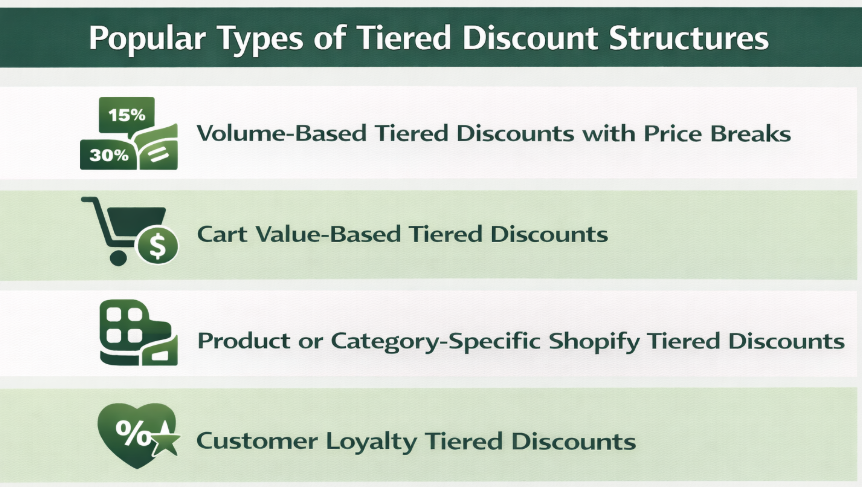
In the world of ecommerce, there are several popular types of tiered discounts, each designed to achieve different business goals. These structures allow you to create tailored promotions that resonate with various customer segments. Let's examine some of the most effective pricing tiers used by online stores today.
Volume-based discounts reward customers for purchasing multiple units of the same product. This pricing model creates quantity breaks, such as full price for 1–4 items, 10% off for 5–9 items, and 20% off for 10 or more items. These clearly defined tiers encourage customers to buy in larger quantities to unlock better savings. This strategy works well for frequently used products such as cosmetics, supplements, and household essentials. Showing quantity discounts directly on the product page makes the value clear and motivates shoppers to increase their purchase size.
Cart value-based discounts apply savings based on the total value of a customer’s cart. Stores typically set spending thresholds such as “Spend $75, get 10% off; Spend $125, get 15% off; Spend $200, get 20% off.” These targets encourage shoppers to add more items to reach the next discount level. This strategy is effective because it influences customers during the checkout process. Messages like “You’re only $15 away from 15% off” can motivate shoppers to increase their cart value and complete a larger purchase.
Product or category-specific tiered discounts focus on promoting certain products or collections. For example, a store might offer “Buy 2, get 10% off; Buy 3, get 15% off” in a specific category, such as skincare or accessories. This approach helps businesses highlight selected items and drive targeted sales. Merchants can easily set up these discounts on Shopify using built-in features or apps. Once the defined conditions are met, the discount is automatically applied, creating a smooth and convenient shopping experience.
Customer loyalty tiered discounts reward repeat shoppers based on their engagement or purchase history. Customers are placed into tiers such as Bronze, Silver, or Gold, with each level offering better discounts or exclusive benefits. For example, Gold members might receive a permanent 15% discount on purchases. This system strengthens long-term customer relationships and encourages repeat purchases. By recognizing loyal customers with better rewards, businesses can increase customer retention and overall lifetime value.
Also Read: How Squaties Scaled Order Volume via Performance Bundling.
To truly understand the power of tiered discounts, it's helpful to look at real-life examples from successful brands. Companies across various industries, from fashion and beauty to software and fitness, use this discount strategy to drive sales and foster loyalty. Let’s explore some of the best examples in action.

Source: H&M
The global fashion retailer H&M often uses a tiered discount strategy during major promotional campaigns and seasonal sales. Their approach is typically based on the total cart value, encouraging customers to spend more in order to unlock higher discounts. By setting clear spending thresholds, the brand motivates shoppers who may initially plan to purchase one item to add additional products to reach the next savings level.
For example, a promotion might offer 10% off orders over $75, 20% off orders over $100, and 30% off orders over $150. This structure makes the offer simple and easy to understand while guiding customers toward larger purchases. By using tiered discounts in this way, H&M successfully increases average order value and drives higher sales during peak shopping periods.
Source: Zoom
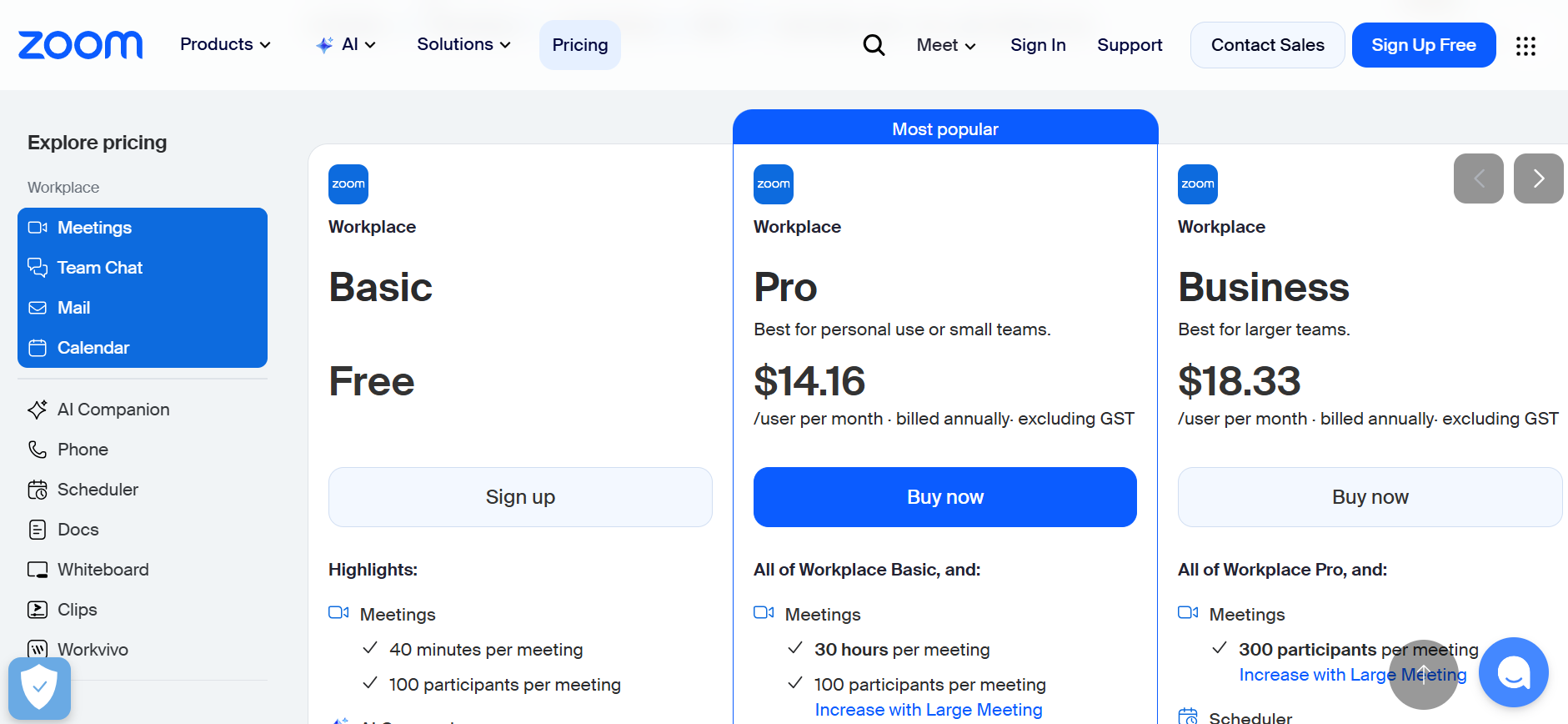
Zoom, the video conferencing giant, provides a classic example of a feature-based tiered model common in the SaaS industry. Their pricing model is structured to cater to a wide range of users, from individuals to large enterprises. They offer different service levels, each with a distinct set of features and limitations.
Their structure typically includes a free plan with basic functionalities, which serves as an extended free trial and entry point. As users' needs become more sophisticated, they can upgrade to paid tiers that offer features such as longer meeting durations, cloud recording, and advanced administrative controls. This tiered model allows customers to pay only for the functionality they require.
This is a great illustration of tiered pricing, where the price applies to units within a certain range. This differs from volume pricing, where a single price is applied to all units once a threshold is met. Zoom's strategy effectively guides users up the value ladder as their needs grow.
Source: Sephora
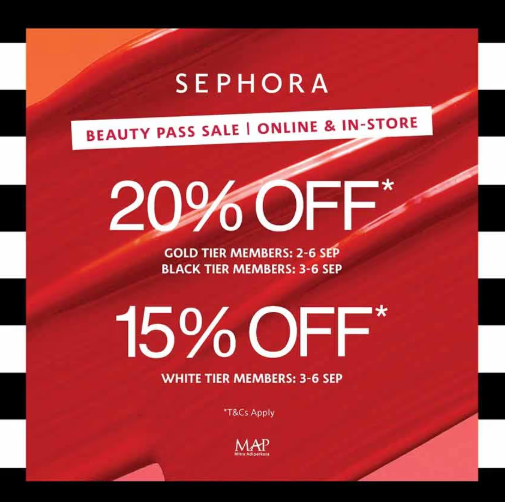
Sephora's Beauty Insider program is a prime example of using tiered discounts to foster customer loyalty. This loyalty program is structured in three tiers: Insider, VIP, and Rouge. Customers advance through these tiers based on their annual spending, and each level unlocks progressively better perks and discounts.
This tiered pricing strategy is not about a one-time discount but about offering ongoing value to its most dedicated customer base. For instance, while all members get birthday gifts, Rouge members (the highest tier) receive exclusive access to events, early access to products, and larger discounts during sales events.
By linking rewards directly to spending, Sephora encourages a higher order value and repeat purchases. This approach has been incredibly successful in building a strong community of loyal shoppers who feel recognized and rewarded for their continued business, demonstrating the power of integrating tiered rewards into loyalty programs.
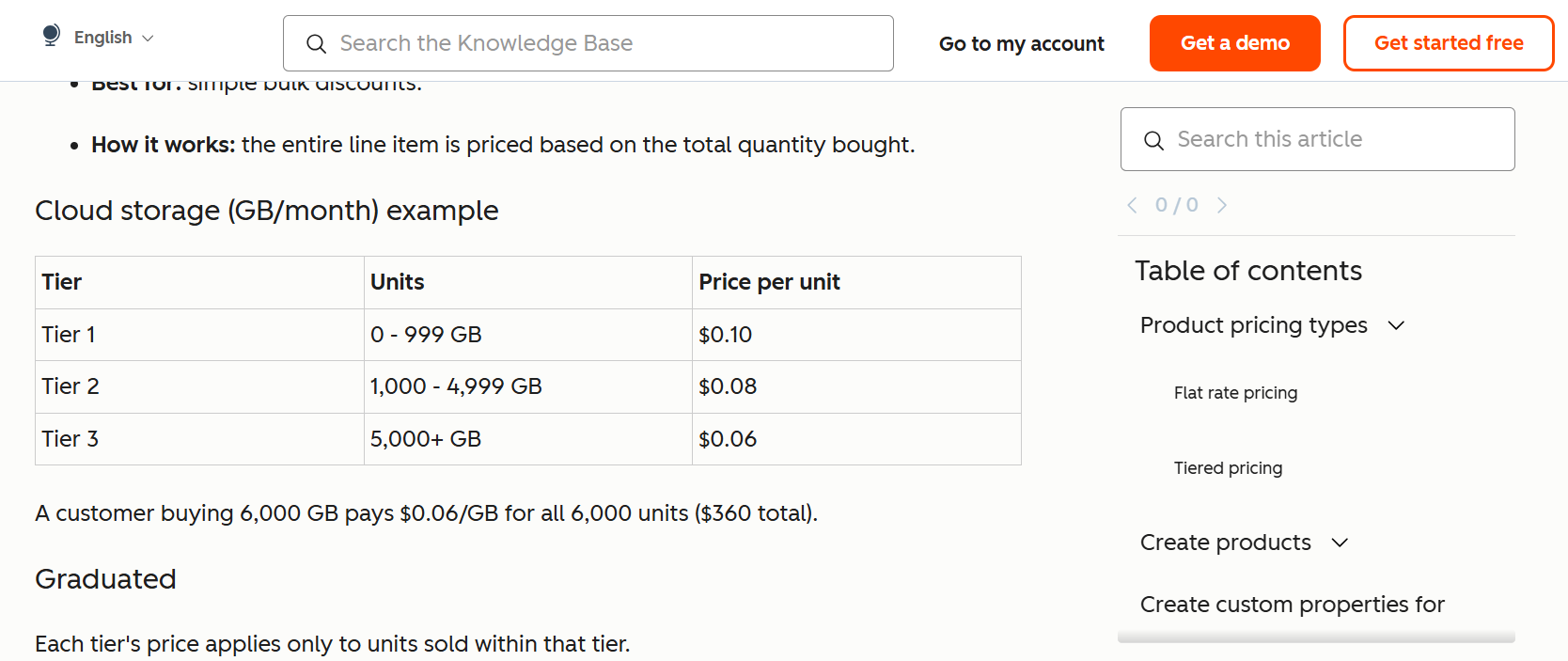
Source: HubSpot
HubSpot, a leader in marketing and sales software, it expertly uses a tiered pricing model to serve diverse customer segments. As one of the most well-known SaaS businesses, they offer pricing tiers designed to scale with a company's growth, from startups and small businesses to large enterprises.
Their model is built around different feature sets. The free tools provide essential features, attracting a wide user base. Paid tiers like Starter, Professional, and Enterprise unlock increasingly powerful tools and premium features. For example, the Professional tier might include automation and A/B testing, while the Enterprise tier adds advanced reporting and partitioning.
This strategy allows HubSpot to capture customers at every stage of their journey. A small business can start with a lower-cost plan and upgrade as its needs become more complex. This approach ensures that the product remains accessible while creating a clear path for upselling to higher-margin plans.

Source: Sketchers
Sketchers often employs a volume-discount strategy, particularly a "buy more, save more" approach. This is one of the most straightforward discount types, encouraging customers to make larger purchases by offering a simple, appealing deal on multiple items. For instance, they might offer a "Buy One, Get One 50% Off" promotion.
While not a multi-tiered system in the traditional sense, this model operates on the same principle: increasing order size by rewarding purchases of multiple items. The pricing tiers are simple: one item at full price, or two items with a discount applied.
This strategy is highly effective for a brand like Sketchers, where customers might be considering buying shoes for different family members or for different purposes (e.g., athletic and casual). It simplifies the decision to add a second pair to the cart, directly boosting the average order size.
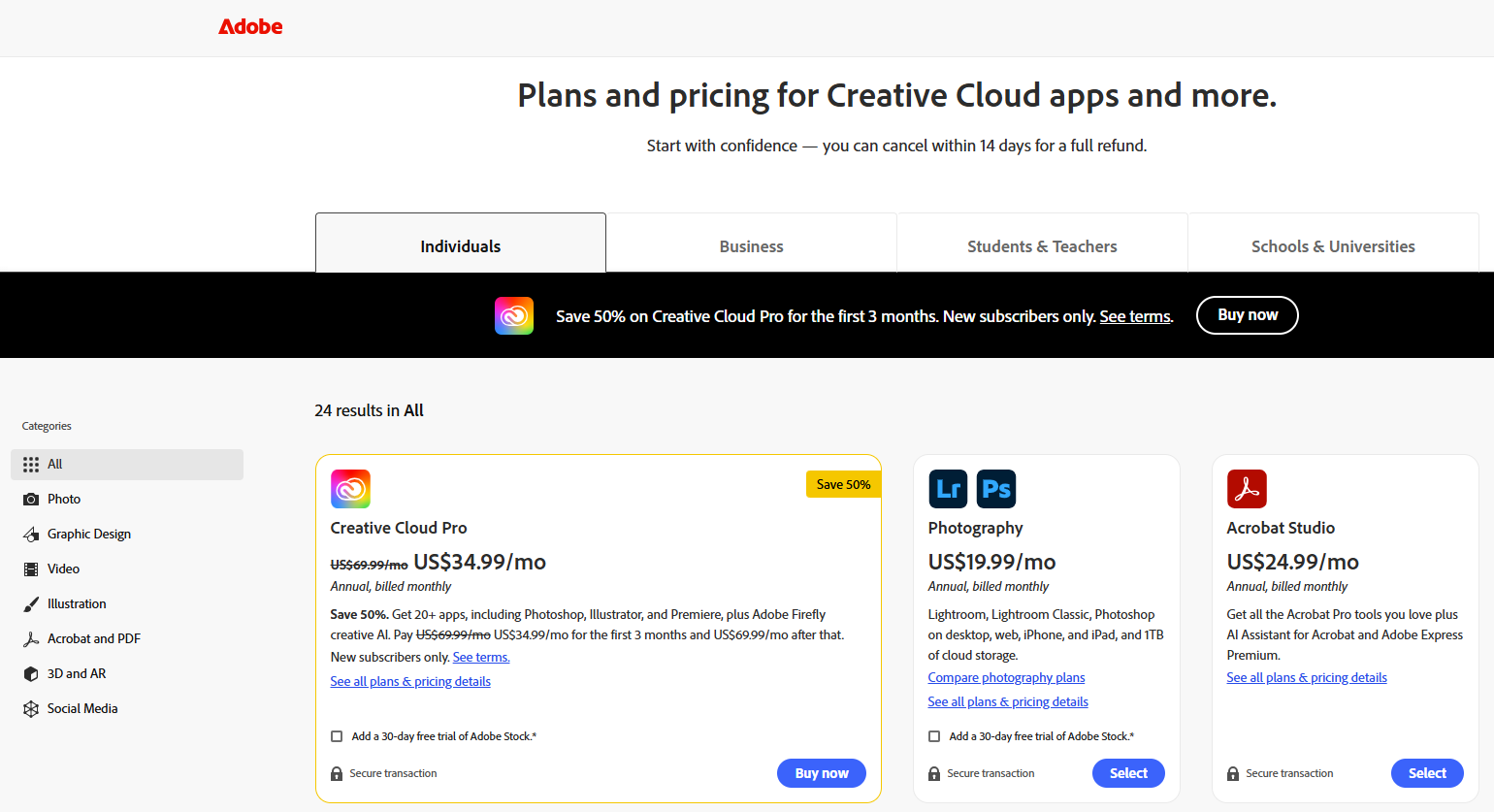
Source: Adobe Creative Cloud
Adobe Creative Cloud is a textbook example of a software company that successfully transitioned to a tiered subscription model. Instead of selling perpetual software licenses, Adobe offers access to its suite of creative tools through different pricing tiers, catering to individuals, students, teams, and enterprises.
Their tiered model is based on the applications included and the level of service. A photographer might subscribe to the Photography plan, which includes Photoshop and Lightroom. A designer might need the full Creative Cloud suite. Higher tiers for businesses include advanced features like team libraries and administrative controls.
This strategic shift to a subscription-based tiered model has provided Adobe with a predictable, recurring revenue stream. It also allows them to continuously update their software and provide ongoing value to customers, encouraging long-term commitment and upgrades to higher tiers as creative needs evolve.
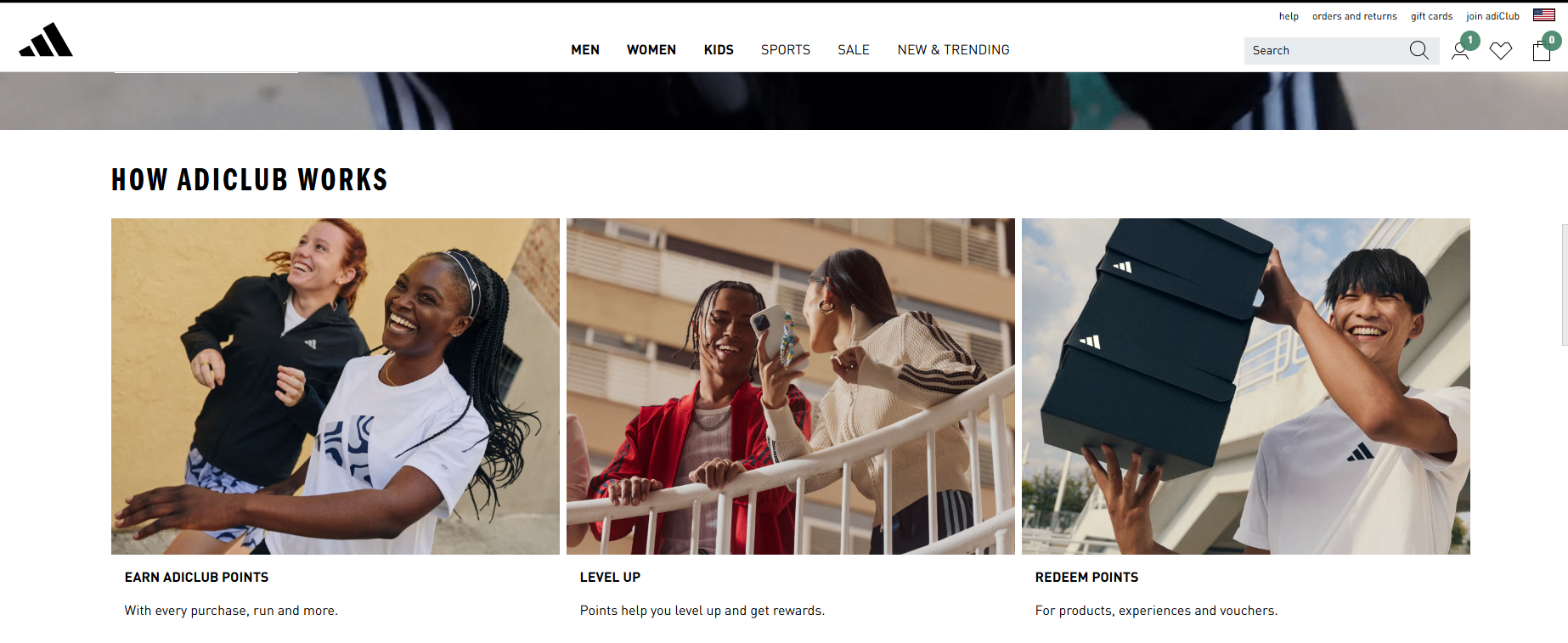
Source: Adidas
Adidas effectively uses tiered discounts within its loyalty program, the "adiClub." This program is designed to reward its customer base for both purchases and engagement. Members earn points and progress through four levels, with each level unlocking better rewards, exclusive access, and special offers.
This model encourages a higher-order value and purchase frequency. For example, a member at a higher level might get early access to limited-edition sneaker drops or receive a larger discount during promotional periods. The incentive is clear: the more you interact with and buy from Adidas, the more you get back.
By structuring their loyalty program with tiered benefits, Adidas creates a powerful motivation for customers to increase their spending. This strategy helps them build a dedicated community around the brand and ensures that their most loyal customers feel appreciated, driving both sales and long-term engagement.
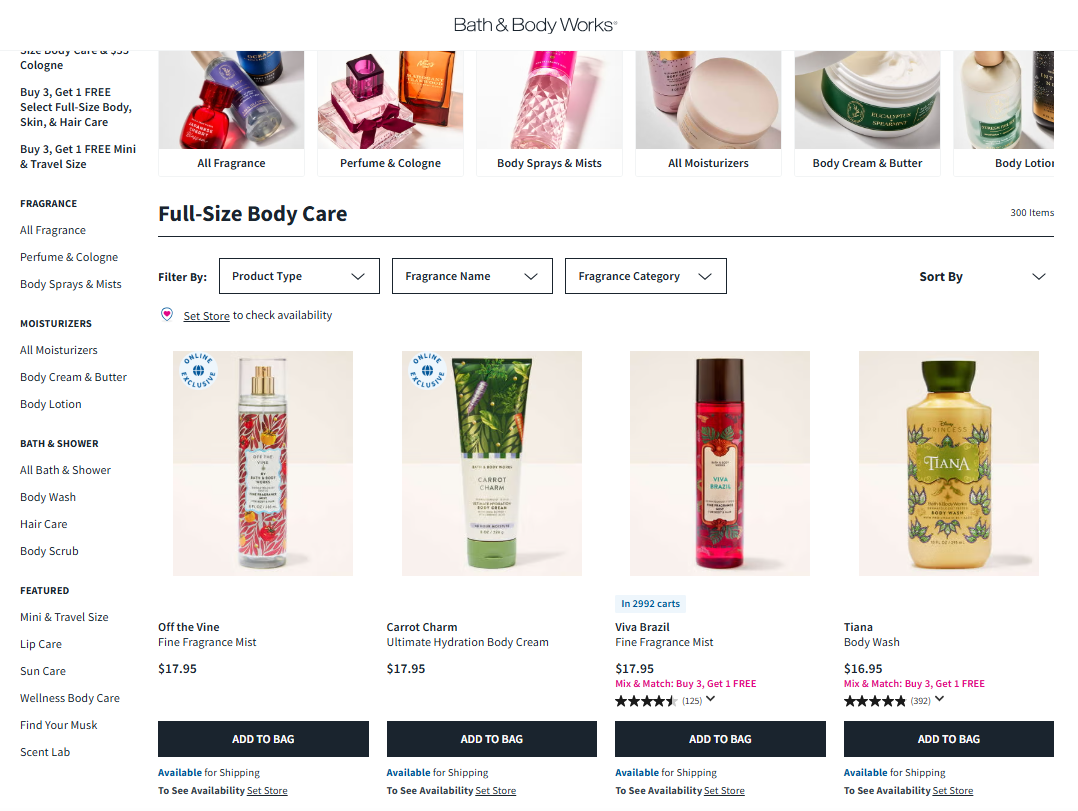
Source: Bath & Body Works
Bath & Body Works is famous for its promotional pricing strategy, which frequently includes tiered offers based on cart value or product quantity. Their deals, such as "Buy 3, Get 1 Free" on select items or tiered discount codes for online orders, are designed to influence customer behavior and drive higher order value.
Their strategy often involves deals that encourage customers to stock up on favorite products. For example, a promotion on hand soaps or candles might offer a flat price for buying three or more items, making the per-unit cost significantly lower than buying just one. This effectively increases the number of items per transaction.
These promotions are often communicated through email and on their website, using discount codes that apply at checkout once the cart value or quantity threshold is met. This approach has proven incredibly successful at encouraging impulse buys and larger purchases, making it a cornerstone of their sales strategy.
Source: Netflix
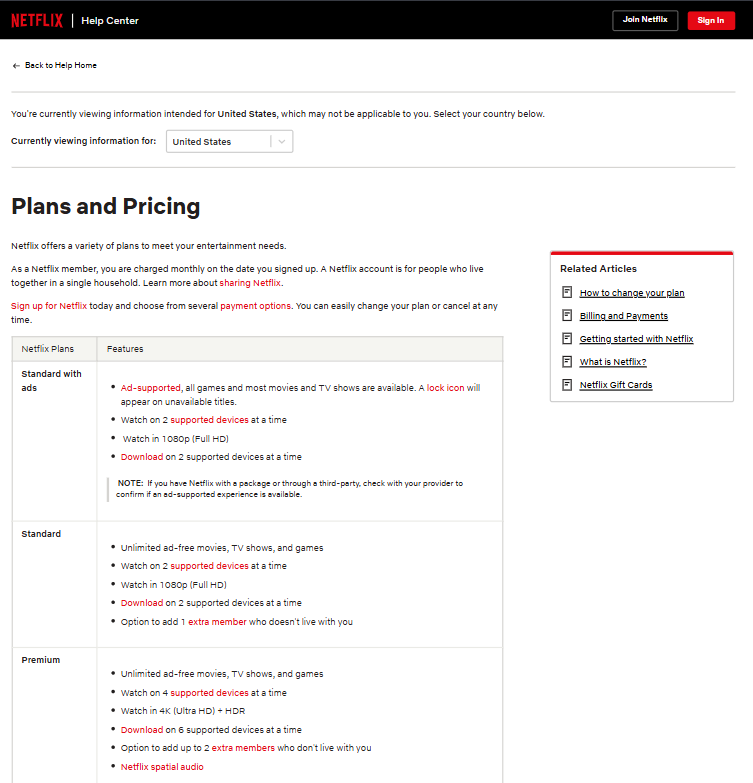
Netflix's subscription model is a classic example of feature-based tiered pricing. They offer several pricing options, with different tiers designed to meet the needs of various customer segments. The price range is determined by service levels, primarily based on video quality and the number of screens that can be watched simultaneously.
Their tiers typically include a Basic plan (standard definition, one screen), a Standard plan (high definition, two screens), and a Premium plan (ultra-high definition, four screens). This structure allows a single user to choose an affordable option, while a family can opt for a plan that accommodates everyone.
This tiered approach allows Netflix to capture a vast market, from budget-conscious individuals to large households. It simplifies consumers' choices while creating clear upsell opportunities. As customers acquire more devices or desire better quality, they are naturally guided to upgrade to a higher-priced tier.
Source: Anytime Fitness
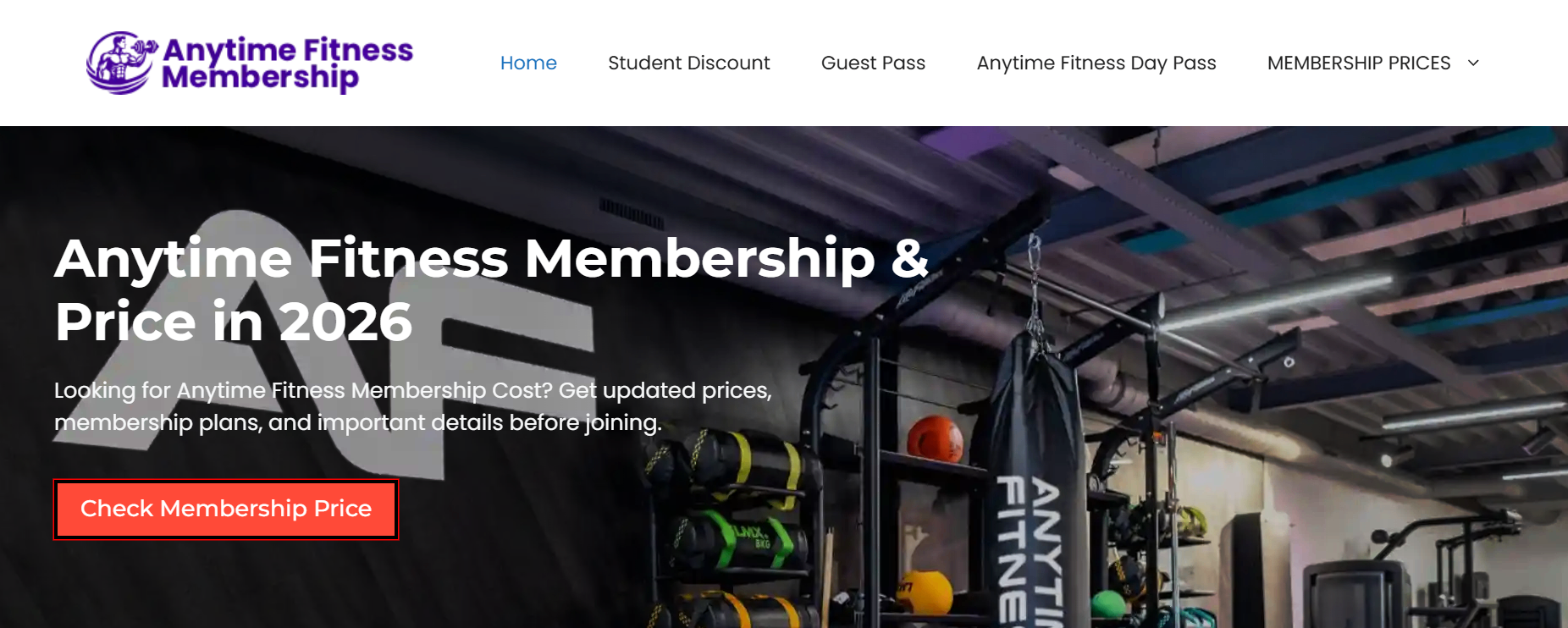
Anytime Fitness, a global gym franchise, often uses tiered pricing in its membership options. While specific offers vary by location, the model typically offers memberships at different price points. For example, a 12-month or 18-month contract will have a lower monthly fee than a month-to-month plan.
This structure creates discount tiers that reward long-term commitment. The incentive is to lock in a lower rate by signing up for a longer period. This benefits the business by securing a predictable revenue stream and reducing member turnover. Some locations may also offer a premium plan with additional perks, such as personal training sessions.
This tiered approach extends to their loyalty programs, where long-term members might receive special benefits. By rewarding commitment, Anytime Fitness builds a more stable customer base and encourages members to see the value in a longer-term relationship with the brand.
Implementing tiered discounts in your ecommerce store can be straightforward, especially with the tools available on platforms like Shopify. Whether you choose to use built-in features, dedicated apps, or a manual approach, the key is to create a pricing model that is clear to customers and easy for you to manage. From setting up simple discount codes to building sophisticated, automated rules, there are several pathways to launching an effective tiered discount strategy. Let's walk through the essential steps.
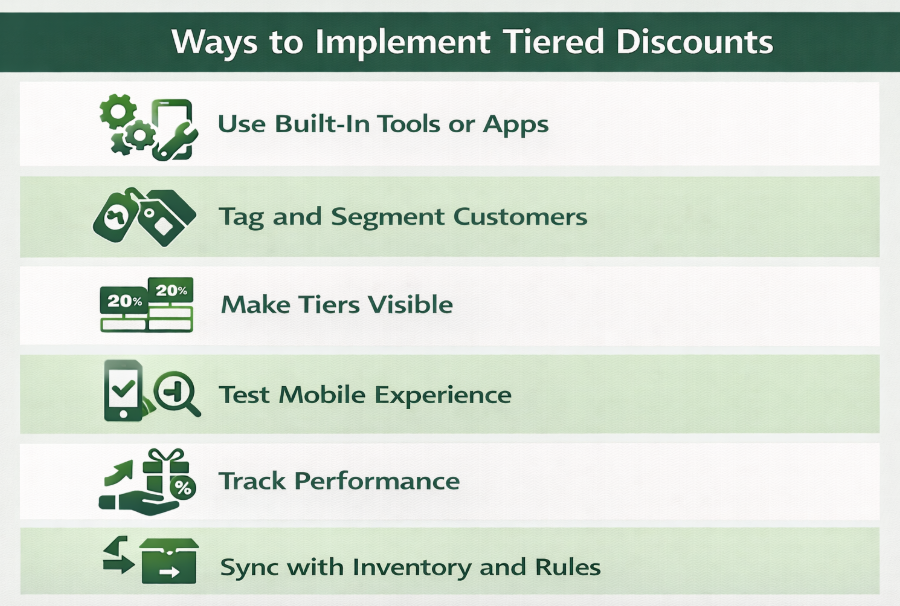
Most ecommerce platforms provide tools to create tiered discounts through built-in features or third-party apps. On Shopify, many merchants use specialized apps that automatically apply discounts when customers meet specific cart conditions. These tools simplify the process and ensure discounts are applied without requiring manual coupon codes. Apps also make it easier to create flexible offers such as volume-based discounts, mix-and-match deals, or “buy more, save more” promotions. Using a dedicated app helps automate the strategy while keeping the shopping experience smooth and error-free.
Customer segmentation allows you to offer personalized tiered discounts based on purchase behavior or loyalty status. By tagging customers according to criteria such as spending history or membership level, you can create targeted promotions for specific groups. For example, VIP customers or wholesale buyers can receive exclusive tiered discounts that regular shoppers cannot access. This targeted approach helps strengthen customer relationships and encourages repeat purchases.
For tiered discounts to be effective, customers must clearly understand the available savings. Display the discount structure on product pages, banners, or within the shopping cart so shoppers can easily see the benefits of spending more. Using progress bars or dynamic messages such as “You’re only $12 away from 20% off” can encourage customers to increase their order value. Clear communication improves both conversion rates and customer confidence during the buying process.
Since a large share of ecommerce traffic comes from mobile devices, your tiered discount display must be mobile-friendly. The offers, banners, and messages should appear clearly on smaller screens and remain easy to interact with. Testing across different devices ensures customers can easily view discount tiers and adjust quantities without confusion. A smooth mobile experience helps maintain higher conversion rates and reduces cart abandonment.
After launching tiered discounts, monitoring performance is essential. Track key metrics such as average order value, conversion rates, and total revenue to understand how the promotion is impacting your store. Analyzing which discount tiers customers reach most often helps identify opportunities for improvement. This data allows you to refine thresholds, messaging, and offers for better results.
Your tiered discount strategy should align with inventory levels and product rules to avoid operational issues. Excluding low-stock items, high-cost products, or special items like gift cards can help protect your profit margins. Setting clear conditions ensures the discounts apply only to suitable products. Proper synchronization prevents stock shortages and helps maintain a profitable promotional strategy.
Also Read: Discount vs Promotion: Which Boosts Customer Loyalty?

Before launching a tiered discount strategy, it's important to consider several key factors to ensure its success and profitability. A common mistake is setting discount levels that are too aggressive, which can erode your profit margins. You must carefully analyze your pricing structure, production costs, and desired profitability for each tier. Let's delve into these factors more deeply.
The most important factor before implementing tiered discounts is understanding your profit margins. While the goal is to increase order value and sales volume, each transaction must remain profitable even at the highest discount tier. Carefully evaluate your cost of goods sold (COGS) and other operational expenses for the products included in the promotion.
Your pricing structure should allow enough room to offer discounts without harming long-term profitability. The discount tiers should be attractive to customers while still supporting sustainable revenue growth. Well-planned pricing ensures your tiered discount strategy benefits both customers and your business.
Analyzing customer purchase behavior helps you design effective and realistic discount tiers. Start by reviewing metrics such as average order value and purchase frequency to determine suitable spending thresholds. These insights help create tiers that encourage customers to spend slightly more than usual. For example, if your average order value is $60, setting the first tier around $70–$80 can motivate customers to add extra items. Aligning discount levels with actual customer behavior ensures the offer feels achievable and increases the likelihood of higher conversion rates.
Choosing the right products for tiered discounts is essential for maintaining profitability. Products with healthy margins or items that customers often purchase in multiples are usually the best candidates for these promotions. Strategic product selection ensures the discount does not negatively impact overall revenue. Inventory planning is equally important. A successful tiered discount campaign can significantly increase order volume, so businesses must ensure sufficient stock is available. Proper inventory management helps avoid stockouts and ensures smooth order fulfillment.
Clear communication is crucial for the success of any tiered discount strategy. Customers need to quickly understand how the discount works and what they must do to unlock higher savings. Simple messaging and easy-to-read tier structures help remove confusion during the shopping process. Displaying the offer through banners, product page messages, and cart notifications can keep the promotion visible throughout the shopping journey. When customers clearly understand the benefits, they are more likely to increase their order value and complete the purchase.
Also Read: How Calitron Boosted Revenue and AOV with Smart Bundling.
One of the most powerful ways to increase your average order value (AOV) is by combining tiered discounts with product bundling. This strategic approach encourages customers to purchase multiple items at once, directly boosting the cart total. An app like the Kefi Product Bundle Builder is designed to facilitate this by allowing you to create compelling mix-and-match bundles with built-in tiered discount logic, making the experience seamless for your customers.
With Kefi, you can set up rules that increase the discount as customers add more items to their bundle. For example: "Build a bundle of 3 items and get 10% off; add 5 items and get 15% off." This not only showcases a wider range of your products but also provides a clear incentive for customers to build a larger bundle. By integrating different discount types with bundling, you can create irresistible offers that lead to higher revenue and greater customer engagement.
Book a Demo to see how Kefi Product Bundle Builder works.
Tiered discounts present a powerful strategy for boosting sales while simultaneously enhancing customer loyalty. By understanding the various types of tiered discounts and their benefits, merchants can design effective promotional strategies that cater to both their business goals and customers' needs. Implementing these discount structures can increase average order values and improve inventory flow, creating a win-win for both parties. Additionally, as you explore ways to execute this approach effectively, consider using tools like Kefi Product Bundle Builder to streamline the process and maximize results. Start optimizing your sales strategy today by integrating tiered discounts into your ecommerce platform, and watch your sales soar! If you would like personalized assistance, don't hesitate to get a free consultation with our experts.
A tiered-discount example typically shows customers how they can unlock greater savings by spending more. For instance, a store may offer 10% off above $50 and 20% off above $100, encouraging shoppers to add extra items to reach the next discount level.
A well-designed tiered discount structure motivates customers to increase their purchase size to access higher savings. By clearly displaying discount levels, businesses can guide shoppers toward larger orders while improving overall revenue.
Tiered discounts work best when businesses want to increase order size without reducing product value. Instead of offering flat discounts, tiered pricing rewards customers progressively, making the promotion more strategic and profitable.
A good tiered discount app that Shopify merchants choose should support automatic discount tiers, product-level rules, and cart-value thresholds. These apps also help display progress bars or dynamic messages that encourage customers to unlock the next discount level.
A tiered volume discount is most effective when customers commonly purchase multiple units of the same product. Industries like beauty, supplements, and office supplies benefit from this strategy because customers often buy in bulk.
Merchants typically start by defining discount tiers based on quantity or cart value. They then configure these rules using Shopify’s discount tools or specialized apps that automatically apply the correct savings during checkout.
The easiest way to implement tiered discounts on Shopify is by using dedicated apps that automate the process. These apps allow merchants to set clear thresholds, apply automatic discounts, and display promotional messages directly on product or cart pages.
A bulk-discount pricing tiered structure encourages larger purchases by offering lower prices at higher quantities. This approach attracts both individual buyers and wholesale customers who are motivated to buy more to receive better pricing.
One of the best apps to implement tiered discounts on Shopify is Kefi Product Bundle Builder. It allows merchants to create powerful tiered pricing, volume discounts, quantity breaks, and bundle offers that encourage customers to buy more and increase average order value.
.svg)
