

The moment a customer clicks "buy" is not the end of their journey; it's the beginning of a critical phase that determines future customer loyalty. For e-commerce brands, the post-purchase period is a golden opportunity to exceed expectations, increase customer satisfaction, and build lasting relationships, highlighting the importance of transforming a simple transaction into a memorable experience that keeps customers coming back for more, securing your brand's growth and reputation in a competitive market, just as the moments that brought them to you in the first place were crucial.
The post-purchase experience includes every interaction customers have with your brand after completing a purchase and can sometimes trigger buyer's remorse. This stage covers order confirmations, shipping updates, product unboxing, and any follow-up communication or support, shaping overall brand perception and influencing future purchases.
To manage these touchpoints effectively, many businesses use a post-purchase experience platform. This software centralizes post-sale processes by integrating with your e-commerce store, tracking orders, sending personalized updates, managing returns, and collecting feedback. Tools like Kefi Product Bundle Builder can further enhance post-purchase engagement by offering tailored product suggestions, streamlining the experience, and encouraging repeat purchases.
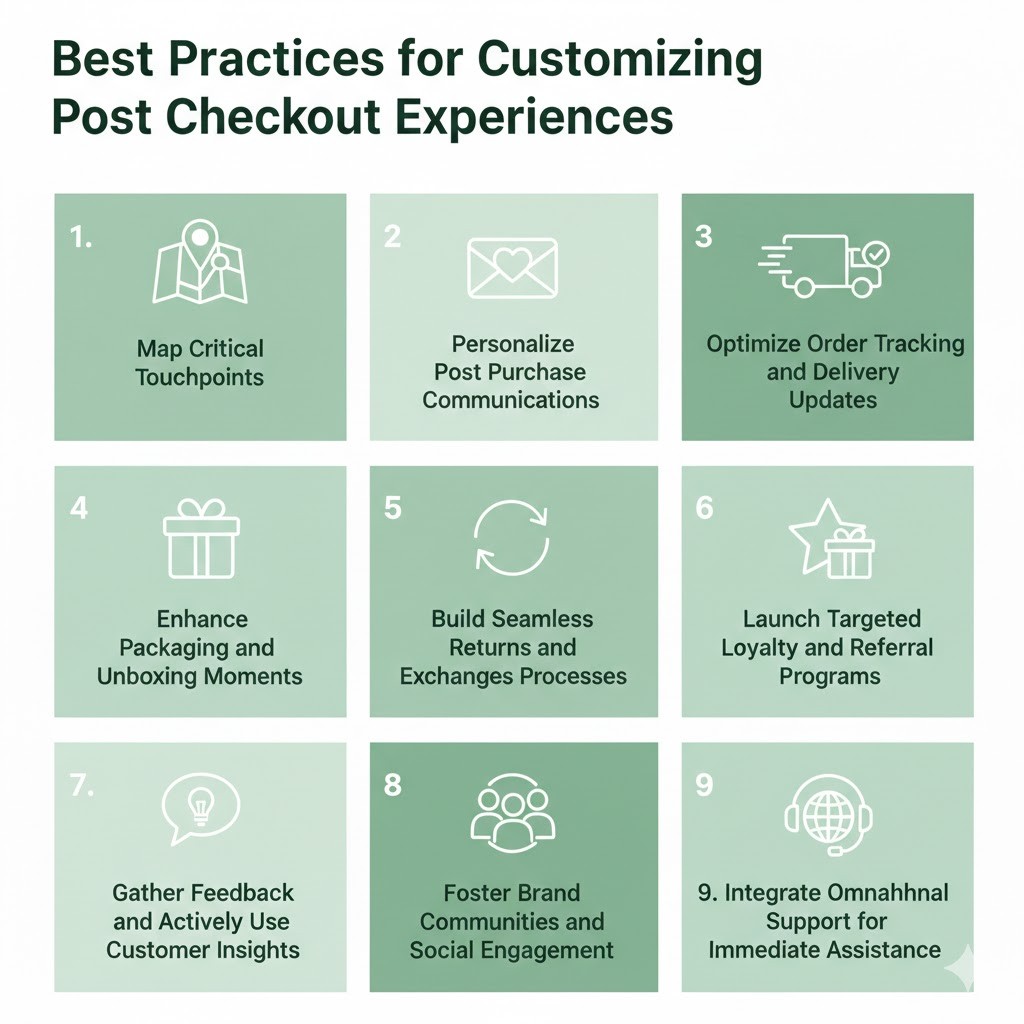
Turning a one-time buyer into a loyal advocate requires a strategic approach to the post purchase phase. Beyond delivering a product, focus on creating meaningful moments that build trust and strengthen brand connection. A consistent post purchase strategy across all touchpoints, from order confirmation to long term engagement, boosts satisfaction and encourages repeat business.
To improve the post-purchase experience, start by viewing it from the buyer's perspective. Mapping the journey after the sale helps identify friction points in emails, links, or support interactions. Platforms provide insights into engagement at each stage, making it easier to pinpoint difficulties and optimize the overall marketing strategy experience. This approach ensures that every touchpoint adds value and leaves a positive impression. By understanding the full journey, businesses can proactively address issues and enhance long-term customer satisfaction.
For small businesses, affordable post-purchase experience platforms offer essential tools to map and improve the customer journey without a significant investment. Many of these solutions provide scalable features tailored to smaller operations, making it accessible to enhance customer satisfaction on a budget.
Key touchpoints to analyze include:
Generic messages feel impersonal and miss opportunities to build connections. Personalizing post-purchase communication improves engagement and reinforces your brand voice. Tailor content based on purchase history, location, and preferences to make interactions more relevant. From order confirmations to follow-up emails, every message is a chance to strengthen relationships. A dedicated platform can automate personalization at scale, delivering relevant product recommendations, care tips, or exclusive offers that match each customer's previous purchases.
Consider personalizing these communications:
In today'sast-paced e-commerce world, buyers expect clear, real-time order visibility. Offering tracking on a branded page rather than redirecting to carrier sites creates a consistent and reliable experience. Post-purchase platforms automate order and shipping data, enabling real-time updates while providing opportunities for product recommendations and additional sales, including a free trial for first-time users. This keeps customers engaged after the sale and reinforces brand trust. It also allows businesses to turn routine updates into meaningful touchpoints that encourage repeat purchases.
To optimize this experience:
Also Read: How Squaties Scaled Order Volume via Performance Bundling
The unboxing experience is your brand'sirst physical handshake with the customer and can leave a lasting impression. Thoughtful packaging turns a delivery into a memorable event, reinforcing brand identity and making customers feel valued. Unique touches are highly shareable on social media, generating organic marketing and user-generated content. Insights from post-purchase platforms can guide what inserts or offers to include, ensuring your unboxing experience aligns with customer preferences.
Simple ways to enhance the unboxing moment include:
A complicated returns process can turn a positive experience into a negative one and reduce repeat purchases. The good news is that a simple, hassle-free system builds trust and encourages repeat buying. Return policies should be clear, easy to find, and straightforward to understand. Automating returns through a self-service portal lets customers start a return or exchange, generate shipping labels, and track progress without contacting support. This improves efficiency, saves your team time, and provides insights into the reasons behind returns, helping you refine your processes.
To create a seamless returns process:
Rewarding continued support builds long-term customer loyalty and increases lifetime value by making buyers feel recognized. A great way to strengthen your brand'sonnection with returning customers is through well-designed loyalty programs that encourage repeat purchases. Using purchase data, you can offer relevant rewards such as early access to new products, redeemable points, or exclusive perks for frequent buyers. A post-purchase platform can help identify high-value shoppers, manage rewards, and efficiently track program participation.
Ideas for effective loyalty and referral programs include:
Customers are a valuable source of insights for improving products and services. Actively collecting feedback after a purchase shows you value their opinion and are committed to improvement, just like successful e-commerce companies do. Make it easy for customers to share thoughts through automated emails, reviews, or short surveys after delivery. Gathering feedback on the purchase process, product quality, and delivery helps identify trends and address issues quickly, enhancing future experiences and customer satisfaction.
Effective ways to gather feedback include:
Creating a brand community allows customers to connect with each other and your brand, fostering lasting relationships. Engaged communities turn buyers into advocates who share experiences and influence others to purchase. Encourage customers to share photos of their products using a hashtag, and feature this content on product pages or social channels for social proof. Post-purchase platforms can support engagement by adding social sharing prompts on order tracking or confirmation pages.
Ways to foster a brand community include:
Customers expect quick and helpful responses after a purchase. Offering support across email, phone, social media, or live chat lets them reach you through their preferred channel. Easy access to assistance enhances the post-purchase experience and reduces the number of support tickets. Integrating support channels ensures your team can see all interactions in one place, reducing duplication and resolving issues faster. Post-purchase platforms can integrate with helpdesk tools, linking requests to order details for more accurate, efficient support.
To provide excellent omnichannel support:
Also Read: How to Master Post Purchase Behavior to Retain Customers?

Investing in the post-purchase phase goes beyond a single sale. A great experience boosts customer satisfaction, loyalty, and brand advocacy. When customers feel valued after a purchase, they're likely to return, leave positive reviews, and recommend your brand, creating a cycle that lowers acquisition costs and drives long-term growth.
A seamless post-purchase experience, from timely delivery to easy returns, builds customer confidence and emotional connection. Personalized emails, relevant recommendations, and smooth support encourage buyers to return and become repeat customers. Focusing on retention is more cost-effective than acquiring new customers, as it turns one-time buyers into lifelong fans. Consistently positive experiences reinforce brand reliability, making customers more likely to explore additional products or higher-value items. Over time, these repeat interactions strengthen long-term Revenue.
Consistent, reliable post-purchase interactions strengthen trust, especially when paired with effective content marketing strategies. When issues are handled efficiently, and communication is proactive, customers feel valued. Satisfied customers become advocates, sharing their experiences with friends, family, and social networks, boosting your brand credibility. A trustworthy post-purchase journey also encourages reviews and testimonials, which further enhance your reputation. Over time, this trust translates into higher lifetime customer value and a loyal community of brand supporters.
Ongoing engagement through order updates, personalized content, and loyalty programs keeps your brand top of mind. Regular touchpoints, such as follow-up emails or exclusive offers, deepen the customer relationship and foster a sense of connection. Engaged customers are more likely to interact with your content, participate in campaigns, and make repeat purchases. Continuous engagement also provides valuable insights into preferences and behavior, helping you refine marketing and product strategies.
Clear communication, accurate product information, and simple return processes minimize misunderstandings and errors. A well-handled post-purchase journey reduces customer frustration and support costs. Providing easy-to-access FAQs, automated return labels, and proactive notifications can prevent common issues before they arise. Fewer complaints mean your team can focus on value-adding initiatives while customers enjoy a smoother shopping experience.
A connected post-purchase platform can suggest complementary products or upgrades at the right time, driving incremental Revenue. Tailored recommendations based on purchase history increase conversion and average order value. By presenting relevant options in follow-up emails and incorporating effective email marketing strategies on order-tracking pages or loyalty programs, brands can create additional touchpoints that feel helpful rather than pushy. This strategy turns routine transactions into opportunities to strengthen customer relationships while boosting sales.
Also Read: How Minimal Home used Upselling Strategy to increase its Revenue.

Customers receive timely updates through email or SMS as their order moves from processing to delivery. This keeps them informed without needing to contact support. Clear updates reduce uncertainty and build trust after purchase.
Customers track their orders on a branded page instead of a courier website. The page shows delivery timelines and order status in a familiar brand environment. This creates a consistent experience and keeps customers engaged with your store.
After the order is delivered, customers receive a personalized thank-you message. This simple gesture makes customers feel valued and appreciated. It helps build stronger relationships and encourages repeat purchases.
Customers can easily view order details, including product information, delivery status, and purchase history. Having everything in one place improves convenience. It also reduces the need to contact customer support.
Customers receive helpful information such as product tips, setup guidance, or support links after delivery. This helps online shoppers use the product with confidence. A smooth post purchase experience increases satisfaction and loyalty.
Also Read: How a Premier Portuguese Winery Cultivated a +16.80% AOV Lift.

For any post-purchase tool to be effective, it must integrate seamlessly with your existing tech stack. A clunky or incomplete integration can create data silos and operational headaches, defeating the platform's purpose. For e-commerce brands, ensuring smooth data flow between your e-commerce platform and post-purchase solution is paramount.
The goal of integration is to create a connected ecosystem where data can be shared and leveraged to deliver a more personalized, efficient customer journey. The following practices will help you ensure your new platform works in harmony with the other tools you rely on.
Connect your post-purchase platform directly with your e-commerce site and essential tools. This ensures automatic syncing of orders, customer info, and product data without manual uploads. Integration via APIs or pre-built connectors enables features such as automated notifications, branded tracking pages, and visibility into the support team.
This connectivity ensures a consistent flow of information across your systems, enabling better service and more effective marketing.
A connected platform centralizes customer data to create unified profiles. This enables advanced personalization, such as targeted product recommendations on order-tracking pages or follow-up emails. Relevant communications strengthen loyalty and increase repeat purchases. By leveraging behavioral data and purchase history, you can craft offers that feel tailored to each customer. Over time, these personalized experiences help build stronger emotional connections and brand trust.
Integrate with messaging tools to trigger timely notifications such as shipping updates, delivery confirmations, and updates about the customer's order through post-purchase surveys. Automation ensures consistency and reduces manual workload. Automated messaging also allows you to maintain engagement throughout the delivery lifecycle, keeping customers informed at every step. This proactive communication improves transparency, reduces support requests, and enhances overall satisfaction.
Integration should enable the platform to feed data into analytics tools, helping you track engagement, returns, and repeat-purchase behavior. Insights enable data-driven decisions to optimize the post-purchase experience. By monitoring patterns and trends, you can identify friction points and areas for improvement. These insights also help you tailor loyalty programs and retention campaigns more effectively.
Connect your post-purchase platform with logistics and inventory management systems to automate returns and exchanges. A seamless returns process boosts customer satisfaction and trust while also helping you manage shipping costs effectively. Clear communication, automated labeling, and real-time updates simplify the customer experience. This convenience encourages repeat purchases and strengthens long-term loyalty.
Also Read: What are the Best Checkout Page Examples to Boost Sales?
Using a post-purchase strategy through Kefi Product Bundle Builder helps drive additional revenue after the initial checkout. By offering relevant product bundles immediately after a customer completes a purchase, businesses can encourage impulse add-ons and increase average order value (AOV) without disrupting the buying journey.
Kefi enables seamless creation of personalized post-purchase bundle offers, making it easy to present complementary products at the right moment. This approach improves conversions, enhances the customer experience, and maximizes revenue per transaction.
Book a Demo to see how Kefi Product Bundle Builder works.
Enhancing the post-purchase experience is key to fostering customer loyalty and repeat business. Personalizing communications, optimizing delivery updates, and simplifying returns create a memorable journey that goes beyond the sale. Gathering feedback and encouraging community engagement further strengthens customer relationships. Tools like Kefi's Product Bundle Builder can help streamline these strategies, boosting retention and brand advocacy. Consider exploring solutions that fit your business needs to elevate your post-purchase experience.
Prioritize features that directly impact the customer experience. Look for robust order tracking, customizable branded tracking pages, and flexible automated notifications. Also, ensure the platform includes tools for gathering customer feedback and integrates with your customer service software to streamline support and improve overall satisfaction.
A strong post-purchase experience provides a seamless experience that exceeds customer expectations, which builds trust and boosts customer satisfaction. This positive feeling encourages repeat purchases and fosters loyal customers. Consistent and thoughtful customer engagement after the sale makes shoppers feel valued, giving them a compelling reason to choose your brand again for future purchases.
One effective solution is Kefi Product Bundle Builder, which helps brands increase repeat purchases through personalized product bundles and smart upsell flows. Encouraging customers to explore complementary products after checkout, it significantly improves the post purchase customer experience. It also strengthens long-term retention through streamlined post purchase experience management.
A powerful way to improve the post-purchase customer experience is by offering curated bundles and tailored recommendations through Kefi Product Bundle Builder. It enables brands to create value-driven offers that feel personalized rather than promotional. This approach supports proactive post purchase experience management while increasing customer lifetime value.
Brands looking to enhance post purchase experience management often turn to Kefi Product Bundle Builder for its customizable bundling and upsell capabilities. By making post-checkout interactions more relevant and engaging, Kefi elevates the overall post purchase customer experience. It helps businesses turn one-time buyers into loyal customers.
Pricing for the Kefi Product Bundle Builder typically depends on business size, features, and customization needs. The platform offers scalable plans designed to support growing brands focused on optimizing their post purchase customer experience. Flexible options make it accessible to businesses prioritizing strategic post-purchase experience management.
Key elements include a clear order confirmation, proactive delivery updates, and an easy-to-understand return policy. Accessible customer support and a memorable unboxing are also crucial. Each element should be designed to build trust, provide peace of mind, and leave a lasting impression that encourages future business.
.svg)
