

Product bundling, the practice of selling multiple items together as a single package, has become a vital strategy in modern retail. It offers customers convenience and value, which in turn improves their overall customer experience and motivates larger purchases. This article will explore effective product bundling through real-world case studies, showcasing how industry leaders use this technique to increase sales volume and build lasting loyalty. We will also cover best practices to help you implement a successful bundling strategy for your own business.
In today's competitive retail landscape, customers expect more than just products; they seek value, convenience, and a seamless shopping experience. A product bundling strategy directly addresses these expectations by packaging complementary items together, often at a better price. This approach simplifies your customers' decision-making, saving them time and effort while encouraging them to increase their order value. Tools like Kefi Product Bundle Builder make it easy to create, manage, and promote these bundles, helping retailers stand out while meeting modern consumer demands.
Furthermore, product bundling is not a standalone tactic but a versatile part of a broader marketing strategy. It can be used to introduce new products, clear out slow-moving inventory, and create compelling seasonal promotions.
A well-crafted product bundle extends its benefits far beyond the initial transaction, playing a key role in post-purchase engagement. When customers receive a bundle of products that work perfectly together, their satisfaction increases. This positive experience reinforces their purchasing decision and builds trust in your brand, which is fundamental to fostering customer loyalty. You are not just selling items; you are providing a complete solution, which makes customers feel understood and valued.
This enhanced satisfaction naturally leads to stronger post-purchase engagement and a higher customer lifetime value. For instance, a customer who enjoys a skincare bundle is more likely to explore other products from your brand, sign up for your newsletter, and make repeat purchases. Case studies show that when bundles deliver on their promise of convenience and value, customer satisfaction rises, turning one-time buyers into long-term advocates for your business.
Also Read: How SportsStop Dominated the Diamond and Field with High-Velocity Bundling.
Industry leaders worldwide consistently use product bundles as a cornerstone of their sales strategy. By combining popular products with complementary items, these companies simplify customers' choices and create an irresistible perception of value. This approach is highly effective for increasing sales volume and AOV.
The strategic use of bundle pricing also allows these giants to protect their profit margins while offering attractive deals. In the sections that follow, we will explore specific bundling examples of how major brands have mastered bundling to drive significant growth.
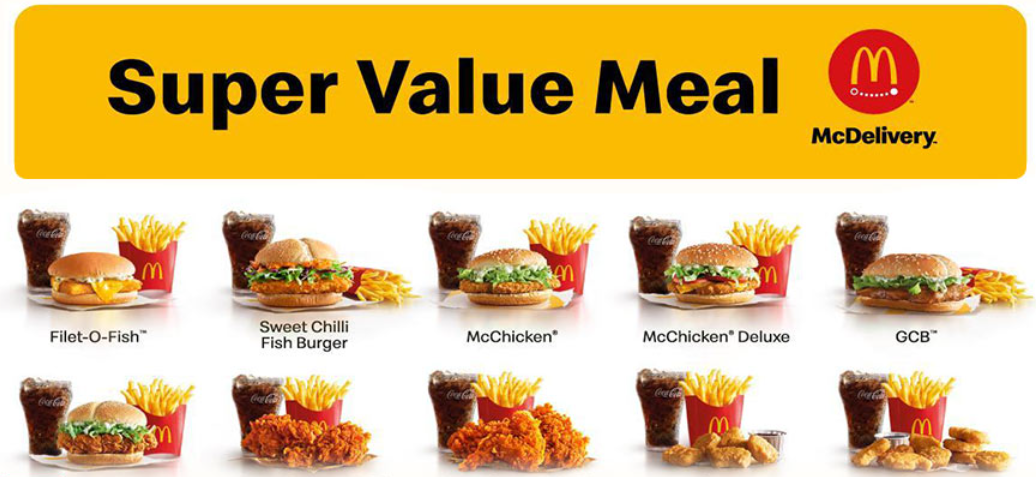
Source: McDonald’s
McDonald’s iconic Value Meals are a prime example of a successful mixed bundle pricing strategy. By combining a burger, fries, and a drink at a lower price than if purchased separately, the fast-food giant simplifies the ordering process and offers undeniable convenience. This strategy taps into the customer's desire for a complete, easy meal.
This approach significantly impacts sales volume, as it encourages customers to upgrade from a single item to a full meal, thereby increasing the average transaction value. It creates a win-win: the customer gets a good deal, and McDonald’s boosts its revenue and streamlines kitchen operations.
The success of this strategy is clear:

Source: Subway
Subway’s meal deals provide another compelling real-world case study of how product bundling can significantly increase sales. The brand offers customers the option to bundle a sandwich with chips or a cookie and a drink for a reduced price. This strategy caters directly to customers' needs for a complete, customizable lunch.
Unlike a pure bundling approach, Subway’s mixed bundling allows customers to purchase individual items or opt for the bundle discount. This freedom of choice is crucial, as it empowers customers while subtly nudging them toward a larger purchase. The result is an increased average order value and a more satisfying customer experience.
Key features of Subway's successful bundle include:

Source: Amazon
Amazon’s “Frequently Bought Together” feature is a brilliant example of dynamic, data-driven bundling in eCommerce. Instead of pre-defining bundles, Amazon uses sophisticated algorithms to analyze customer data and suggest related products that are often purchased together. For example, a customer buying a camera might see a recommendation to add a memory card and a case.
This automated approach to creating bundle products is highly effective because it’s personalized and contextually relevant. By anticipating the customer’s needs, Amazon simplifies the shopping process and significantly increases the chances of an upsell. This leads directly to a larger cart size and a higher average order value (AOV).
The operational advantages are noteworthy:
Also Read: How Calitron Boosted Revenue and AOV with Smart Bundling
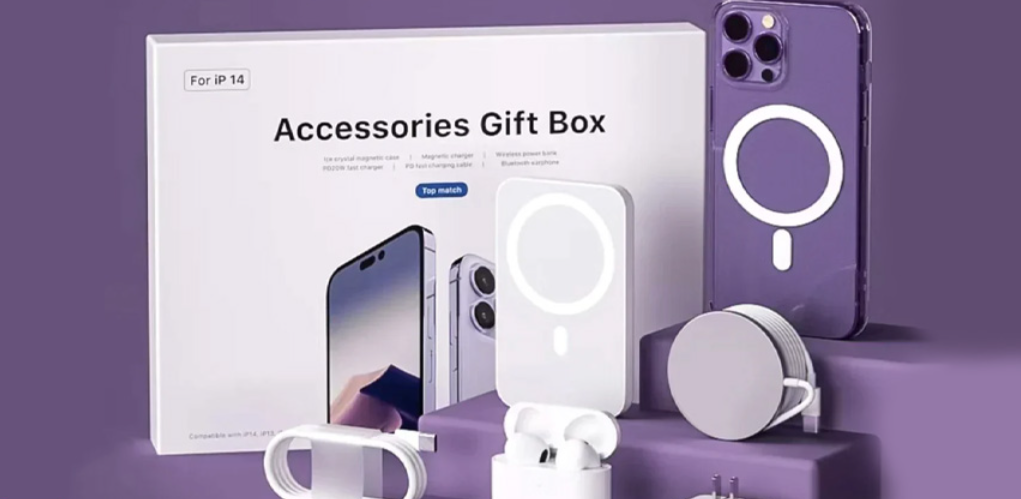
Source: Apple
Apple demonstrates how tech companies can use product bundling to improve revenue by pairing its high-value devices with complementary products. When you buy an iPhone, you are often prompted to add accessories like AirPods or a charger, sometimes with bundle discounts. This strategy encourages larger purchases and seamlessly integrates customers into the Apple ecosystem.
This approach enhances the customer experience by providing a complete solution right from the start. Customers get everything they need for their new device in one transaction, reinforcing the brand's reputation for quality and convenience. This not only boosts immediate revenue but also strengthens long-term customer loyalty.
Apple's bundling success comes from:
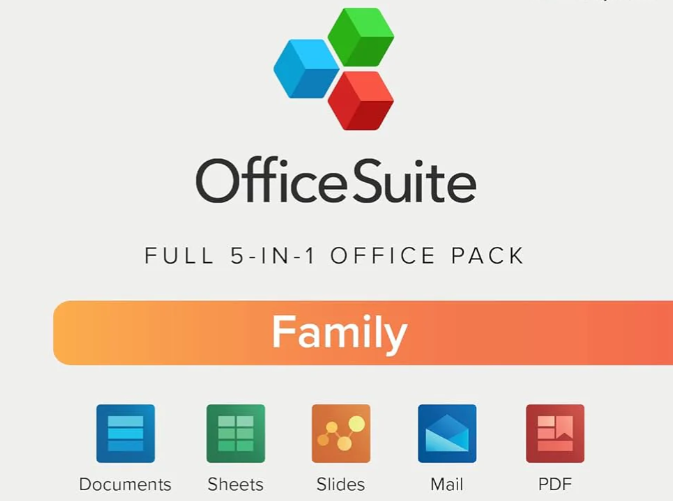
Source: Microsoft Office
Microsoft Office Suite is a classic example of mixed bundling that has generated overwhelmingly positive results. By bundling essential software like Word, Excel, and PowerPoint, Microsoft offers significant added value at a discounted price compared to purchasing each application individually. This makes the suite an indispensable tool for both professionals and students.
The move toward subscription bundles with Microsoft 365 has further solidified its market dominance. This model ensures recurring revenue and provides customers with continuous updates and additional features, such as cloud storage. The bundle pricing is so compelling that most users opt for the full suite rather than individual programs.

Source: Sephora
Sephora masterfully uses product bundling to drive sales and foster customer loyalty in the competitive beauty industry. The brand curates bundles featuring a mix of popular products, often around a theme or a specific skincare routine. These sets allow customers to discover new items at a value, increasing basket size and encouraging experimentation.
A key part of Sephora’s strategy involves seasonal promotions and limited-edition bundles. These create a sense of urgency and excitement, making them highly effective during holidays. One challenge businesses face with this model is managing inventory for limited-time offers, but when done right, it can significantly boost revenue and brand engagement.
Popular bundle types from Sephora include:
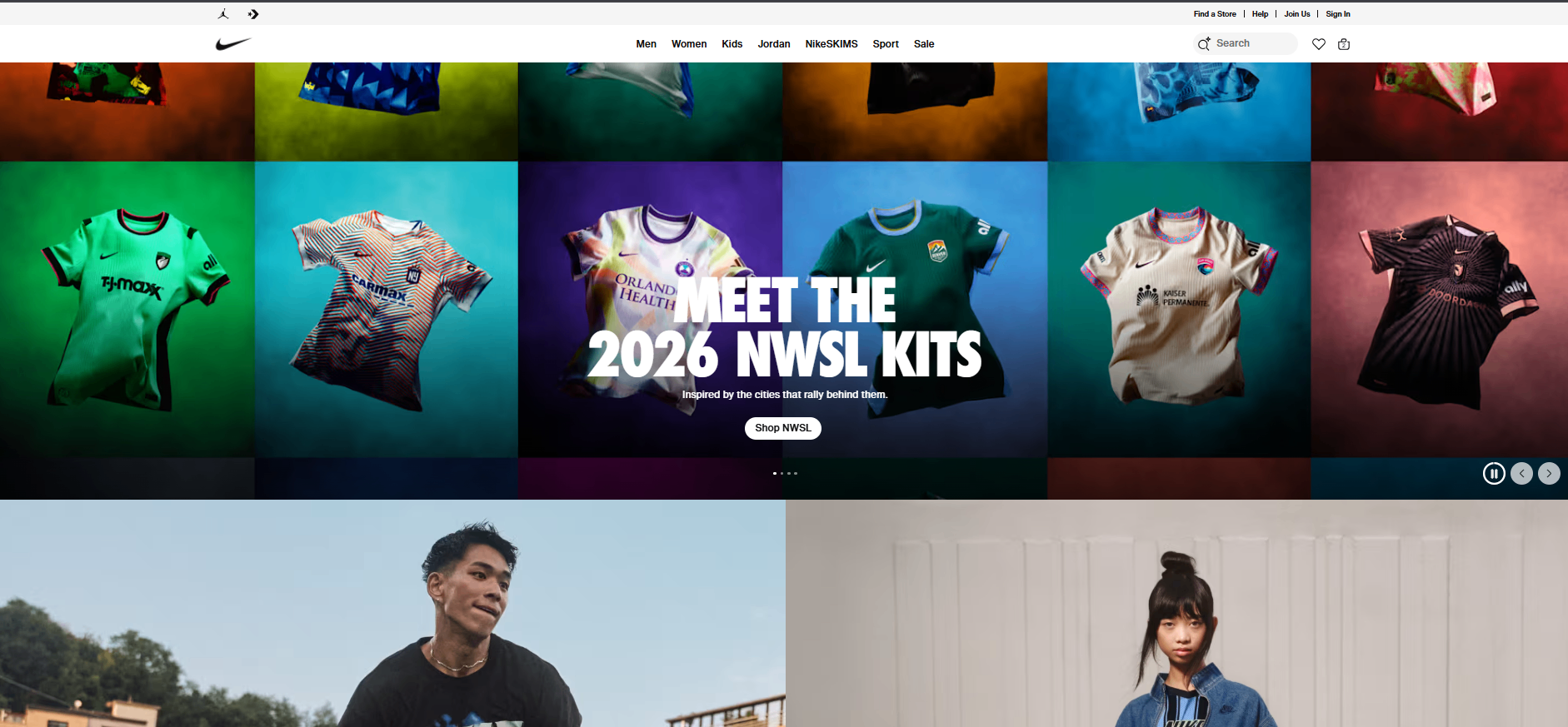
Source: Nike
Nike leverages product bundling to sell entire outfits, transforming a single product search into a full-look purchase. By showcasing complementary items such as shoes, shirts, and shorts, Nike inspires its target audience and simplifies the shopping experience. This is a highly successful retail strategy for upselling related items.
This approach not only boosts the average order value but also strengthens Nike's position as a lifestyle brand. Instead of just selling athletic gear, Nike sells a complete aesthetic. Customers looking for a new pair of running shoes might easily be persuaded to add the matching top and leggings to their shopping cart.
The advantages of Nike's outfit bundles are:
Also Read: How Puur Scaled Average Order Value via Intelligent Accessory Pairing.
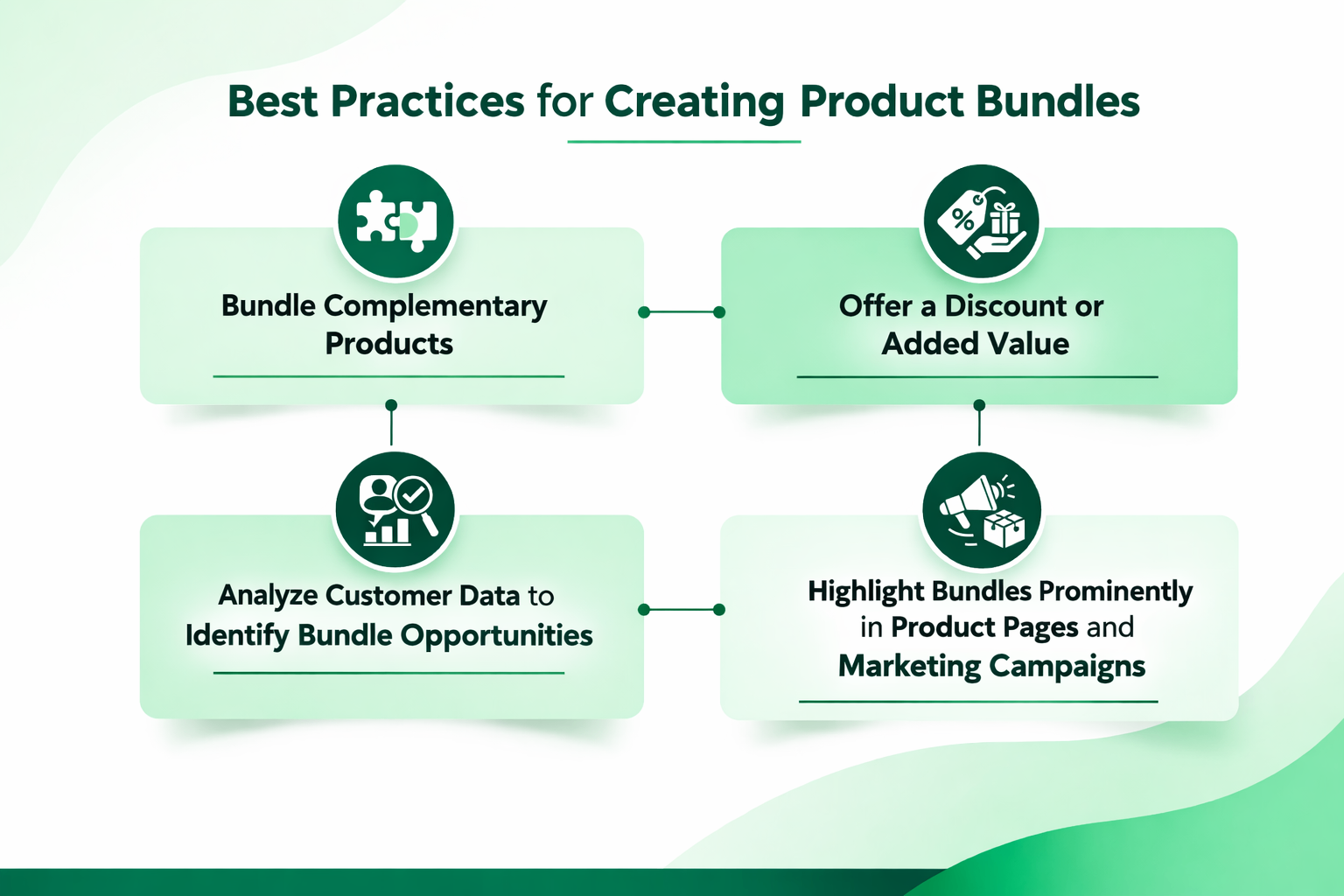
Creating a product bundle that resonates with your customers requires more than just grouping random items. The most successful bundles are born from a deep understanding of customer needs and behaviors. By analyzing customer data and focusing on providing genuine value, you can design offers that not only sell but also enhance customer satisfaction.
Your bundle pricing and marketing strategy are equally important. A well-priced, effectively promoted bundle can capture attention and drive conversions. The following best practices will guide you in building compelling bundle recommendations that boost your bottom line.
One of the most effective retail strategies is to bundle complementary products that naturally go together. When you pair items that enhance each other's utility, you are not just selling products; you are offering a complete solution. Think of a camera with a lens, shampoo with conditioner, or a gaming console with a popular game.
This approach works because it directly addresses customer needs and simplifies their shopping journey. A customer buying a new laptop will likely need a mouse and a case. By bundling these related items, you save them the effort of searching for each one individually, creating a convenient and logical package.
To execute this best practice:
Pricing is a critical component of any successful bundling strategy. To incentivize a purchase, your bundle must offer a clear advantage over buying the items separately. This usually comes in the form of a discount, highlighting the cost savings for the customer. Even a small discount can be enough to persuade a shopper.
Alternatively, you can offer added value instead of a lower price. This could be free shipping, an exclusive gift, or access to a premium service. For example, a makeup bundle might come with a free cosmetic bag. This makes the customer feel they are getting something extra, which can be just as powerful as a discount.
Examples of effective discount strategies include:
Your customer data is a goldmine for identifying powerful bundle opportunities. By analyzing purchasing patterns, you can discover which products your customers frequently buy together. Tech companies like Amazon excel at this, using data to power their "Frequently Bought Together" product recommendations and drive a massive sales volume.
Go beyond just sales data. Look at what items are often viewed together, what’s left in abandoned carts, and what customers are saying in their feedback and reviews. This information provides deep insights into your customers' thought processes and unarticulated needs, helping you create bundles that truly resonate.
To leverage your data effectively:
Even the most thoughtfully created bundle will fail if customers don't know it exists. Visibility is key. Your bundle products should be featured prominently on your product pages, homepage, and at checkout. Make it impossible for shoppers to miss the value you are offering.
Incorporate bundles into your broader marketing strategy. Promote them through email campaigns to subscribers on your email address list, showcase them in social media posts, and create dedicated landing pages that explain the benefits. Unique eCommerce ideas include creating "build your own bundle" pages or offering exclusive bundles to loyal customers.
Effective promotional tactics include:
Also Read: How The Chosen Cultivated a Community through Curated Merchandise Kits
Implementing a sophisticated product bundling strategy has never been easier with tools like the Kefi Product Bundle Builder. Our platform empowers you to create and manage dynamic bundles that directly contribute to a higher average order value (AOV) and an enhanced shopping experience. You can easily set up various types of bundles, from mix-and-match options to fixed packages, all designed to encourage customers to add more to their carts. By presenting relevant, valuable offers at the right moment, you can effectively boost sales.
To leverage a bundle builder in your online store, start by identifying your top-selling products and their complementary items. Use this insight to create compelling bundles within the Kefi platform. Promote these bundles on your homepage and product pages, and use our analytics to track their performance. By testing different combinations and discount levels, you can continuously optimize your strategy to maximize your order value and deliver an exceptional customer journey.
Book a Demo to see how Kefi Product Bundle Builder works.
Implementing an effective product bundling strategy can boost sales and improve customer retention. By understanding customer preferences and offering complementary products with value-added discounts, brands can create a seamless shopping experience that encourages repeat purchases. Tools like Kefi Product Bundle Builder make it easy to design, promote, and optimize bundles, helping businesses drive higher revenue and loyalty. Explore Kefi today to transform your bundling strategy.
Small businesses can implement product bundling by analyzing customer data to identify complementary items that meet customer needs. Start by creating simple bundle products, such as a "starter kit," and promote them as part of your marketing strategy. Focus on offering genuine value rather than competing solely on price.
Challenges with bundle pricing include protecting your profit margins while still offering an attractive discount. You also risk the "presenter's paradox," where including a low-value item can decrease the perceived value of the entire bundle. Your pricing strategy must carefully balance customer needs with business profitability.
According to case studies, businesses that implemented product bundling saw increased sales, higher average order values, and improved customer satisfaction. The convenience, cost savings, and enhanced customer experience from buying a bundle at a reduced price often lead to greater brand loyalty and repeat purchases.
Successful product bundling strategies in the retail industry include offering bundles of complementary products, like shoes and socks, and creating "build your own" bundles. Offering bundle discounts prominently improves the shopping experience and encourages customers to purchase more items in a single transaction.
Yes, case studies on brands like Sephora show that product bundling significantly boosts customer satisfaction. By curating bundles with popular products, brands introduce customers to new items they love. Positive customer feedback on these bundles often correlates with repeat purchases, demonstrating their impact beyond just profit margins.
A product bundling case study from companies like Amazon or McDonald’s shows how carefully planned bundles increase AOV, improve customer satisfaction, and encourage repeat buying. Studying these cases helps merchants design effective bundles tailored to their audience.
A product bundle pricing example could be selling a coffee machine with a set of premium beans at a reduced price. Such strategies are proven to drive higher sales while offering value to customers, making them more likely to return for repeat purchases.
Product bundling examples include pairing a smartphone with accessories or offering a skincare set at a discounted rate. Bundle pricing examples show how combined products can be sold for less than the sum of their individual prices, encouraging customers to purchase more and increasing overall revenue.
A product bundle app that Shopify merchants rely on helps create curated product packages that boost sales and increase average order value. These apps allow businesses to set up discounts, manage inventory, and showcase complementary products effectively. Using the right app can simplify bundling and enhance the shopping experience for customers.
.svg)
