

Subscription models have become a powerful way for Shopify merchants to generate recurring revenue, but many stores struggle to keep customers engaged beyond the initial signup. A standard, one-size-fits-all subscription offering often lacks the flexibility and perceived value needed to reduce churn and maintain long-term customer interest.
The goal for growing ecommerce brands is to create subscription experiences that feel personalized, valuable, and easy to manage. This is where strategic product bundling makes a difference, allowing merchants to combine multiple products or services into a single, more attractive offer. By doing so, businesses can increase perceived value, simplify purchasing decisions, and encourage customers to remain subscribed longer.
In this guide, we’ll explore how subscription bundling can transform your Shopify store’s recurring revenue strategy. You’ll learn how to create compelling bundle offers, improve customer retention, and deliver a more engaging subscription experience that benefits both your business and your subscribers.
A subscription is a business model in which a customer pays a recurring fee, typically monthly or annually, to access a product or service. This model has exploded in popularity, especially within the digital realm. Think of popular streaming services where you pay a monthly fee for access to a vast library of content. Instead of a one-time purchase, the value is delivered continuously, fostering a long-term relationship between the business and the consumer. This recurring revenue stream is highly attractive for businesses, providing predictable income and deep customer insights.
For consumers, subscriptions offer convenience and access. However, the proliferation of services has led to "subscription fatigue," where managing numerous individual subscriptions becomes overwhelming and costly. Juggling the monthly price of each service from different providers can be a hassle. When choosing an app bundle for entertainment, you should consider which services you'll actually use, the total cost compared to individual subscriptions, and any exclusive content or features offered. This fatigue has paved the way for bundling, a strategy that groups multiple services into a single, simplified payment.
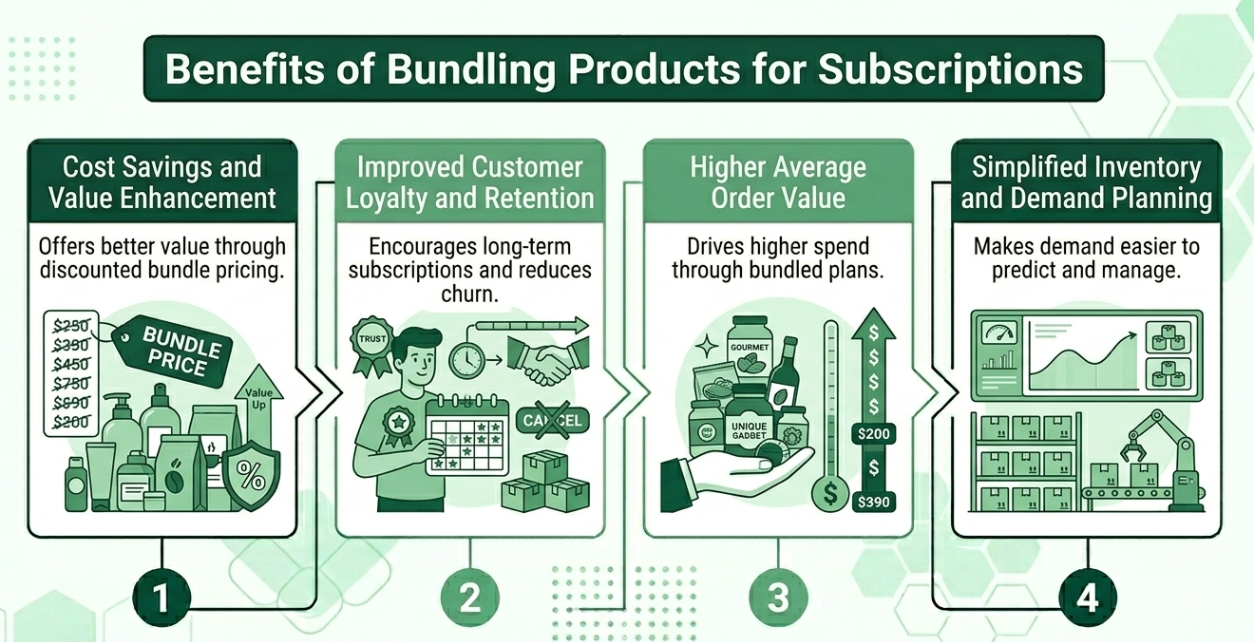
Bundling products into a subscription package is more than just a sales tactic; it’s a powerful strategy for creating a stickier customer relationship. By offering bundles at a discounted price, you provide subscribers with better value than they would get by purchasing individual subscriptions separately. This enhanced value proposition not only attracts new customers but also significantly reduces the likelihood of churn. Subscribers are less inclined to cancel a single service within a bundle, locking in revenue and fostering long-term loyalty.
Let's explore the specific advantages this strategy offers.
One of the most compelling benefits of bundling products into a subscription is the immediate sense of value it delivers to customers. By combining multiple products or services at a discounted rate, businesses create an offer that feels more rewarding than purchasing items individually. This not only makes subscribing easier but also strengthens the customer's perceived return on investment. Beyond pricing, bundles simplify the overall experience by consolidating purchases into a single plan, reducing friction and enhancing convenience. For merchants, using solutions like Kefi Product Bundle Builder can help structure these value-driven offers in a way that feels seamless and attractive without overcomplicating pricing strategies.
Subscription bundles naturally encourage stronger customer relationships by creating a more integrated experience. When customers subscribe to a bundle rather than a single product, they are more likely to stay engaged because the overall package delivers broader value. This reduces the chances of cancellation, as leaving the subscription would mean losing access to multiple benefits at once. Over time, this “stickiness” helps build trust and long-term loyalty, turning one-time buyers into consistent subscribers. Platforms such as Kefi Product Bundle Builder make it easier to design bundles that feel personalized and relevant, thereby strengthening retention by aligning offers with customer expectations.
Bundling is also an effective way to increase average order value by encouraging customers to spend more in a single transaction. Instead of purchasing a single product, customers are guided toward a more comprehensive package that offers better value at a slightly higher price. This creates a natural upselling opportunity without feeling overly promotional, as the added benefits justify the increased cost. By offering different bundle tiers, businesses can cater to varying customer needs while maximizing revenue potential. With flexible apps like Kefi Product Bundle Builder, merchants can experiment with bundle combinations and pricing to find the most effective approach for boosting overall sales.
Bundling products into structured subscription packages can also make operations more predictable and efficient. By guiding customers toward a defined set of bundles, businesses gain clearer insights into demand patterns, making it easier to plan inventory, allocate resources, and manage supply. This applies to both physical products and digital services, where forecasting usage and capacity becomes more straightforward. A streamlined approach reduces operational complexity, allowing businesses to focus on optimizing a few high-performing bundles rather than managing scattered demand. Tools like Kefi Product Bundle Builder support this process by enabling merchants to create organized, scalable bundle structures that simplify both management and growth.
Subscription bundling drives higher value, stronger customer retention, and more predictable growth by combining convenience, savings, and strategic upselling.
Also Read: How Lifetime Technologies went from a Single Additive to System Kits.
To bundle products for subscriptions effectively, focus on creating complementary items that enhance value. Consider customer preferences, pricing strategies, and testing various combinations to maximize appeal. Regularly analyze performance metrics to refine offerings and ensure sustained customer interest and satisfaction.
In the following section, we’ll cover the key best practices to help you create effective and high-converting subscription bundles.

Source: Nike Training Club
The first step in creating an effective app bundle subscription is to identify complementary products. These are items or services that are naturally used together or enhance one another's value. Think about a coffee subscription paired with a French press or a fitness app bundled with a yoga mat. The connection should be intuitive to the customer.
In the digital world, this could mean bundling streaming services to cater to different household members. For example, a bundle could include a service with blockbuster movies, another with hit TV series, and a third with children's programming and family favorites. This creates a comprehensive entertainment solution for the entire family.
To do this effectively, businesses should:
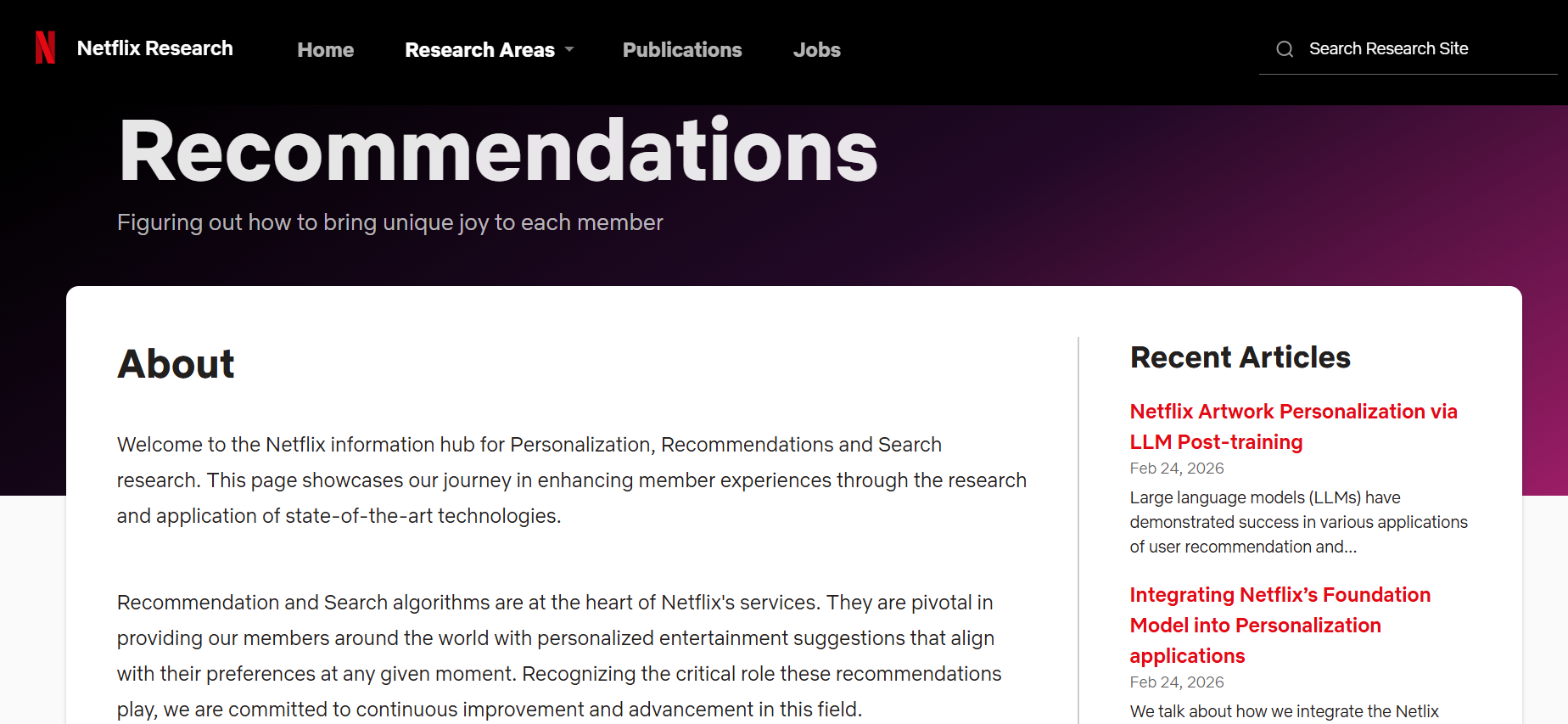
Source: Netflix
A winning bundle feels tailor-made for the subscriber. To achieve this, you must have a deep understanding of customer preferences and analyze their usage patterns. Don't just guess what customers want; use data to uncover what they actually do. Observe their consumption habits and analyze the shopping behaviors of different customer cohorts.
This data-driven approach allows you to design bundles that directly address the demands and needs of your target audience. For instance, if you notice that a segment of new subscribers is heavy users of your video content but rarely engages with audio features, a video-centric bundle would be more appealing to them. When choosing an app bundle for entertainment, you should select one that aligns with your viewing habits.
By segmenting your audience based on behavior, you can create multiple bundle variations that cater to different user types. This personalization makes the offer far more relevant and increases the likelihood of conversion. Always let customer data guide your bundling decisions to ensure your packages resonate and add real value.
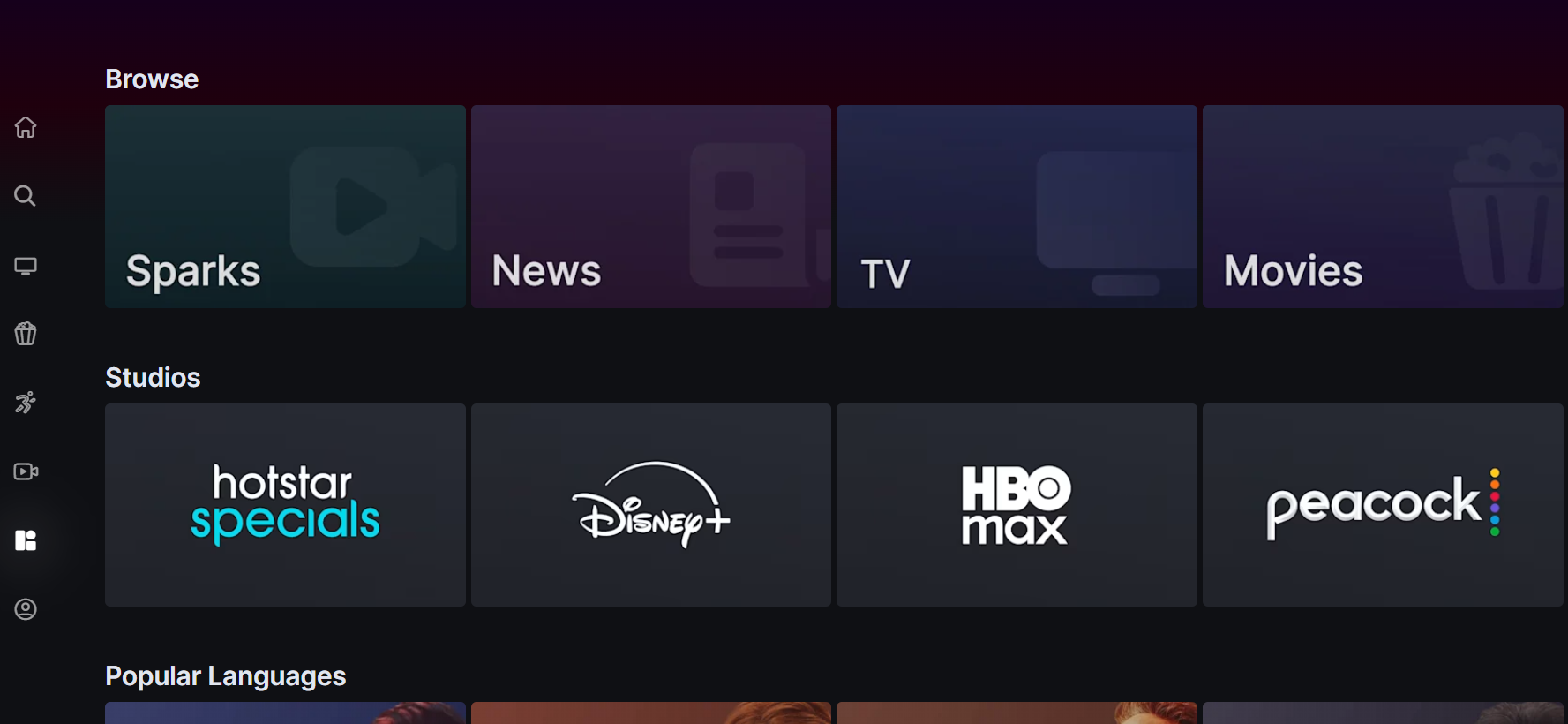
Source: Disney+, Hulu, HBO Max Bundle Plan
A one-size-fits-all approach rarely works in the diverse subscription market. Offering flexible subscription bundling options allows customers to feel in control and choose a package that best fits their needs and budget. This can range from pre-set tiered bundles to more customizable "build-your-own" options.
For example, the best app bundle subscription deals right now often come with multiple tiers. Disney offers various bundle options, from a basic package with Disney+ and Hulu to premium versions that include ESPN+ or HBO Max, with or without ads. This tiered structure caters to different price points and content preferences, from casual viewers to avid sports fans.
To implement this effectively, consider these approaches:
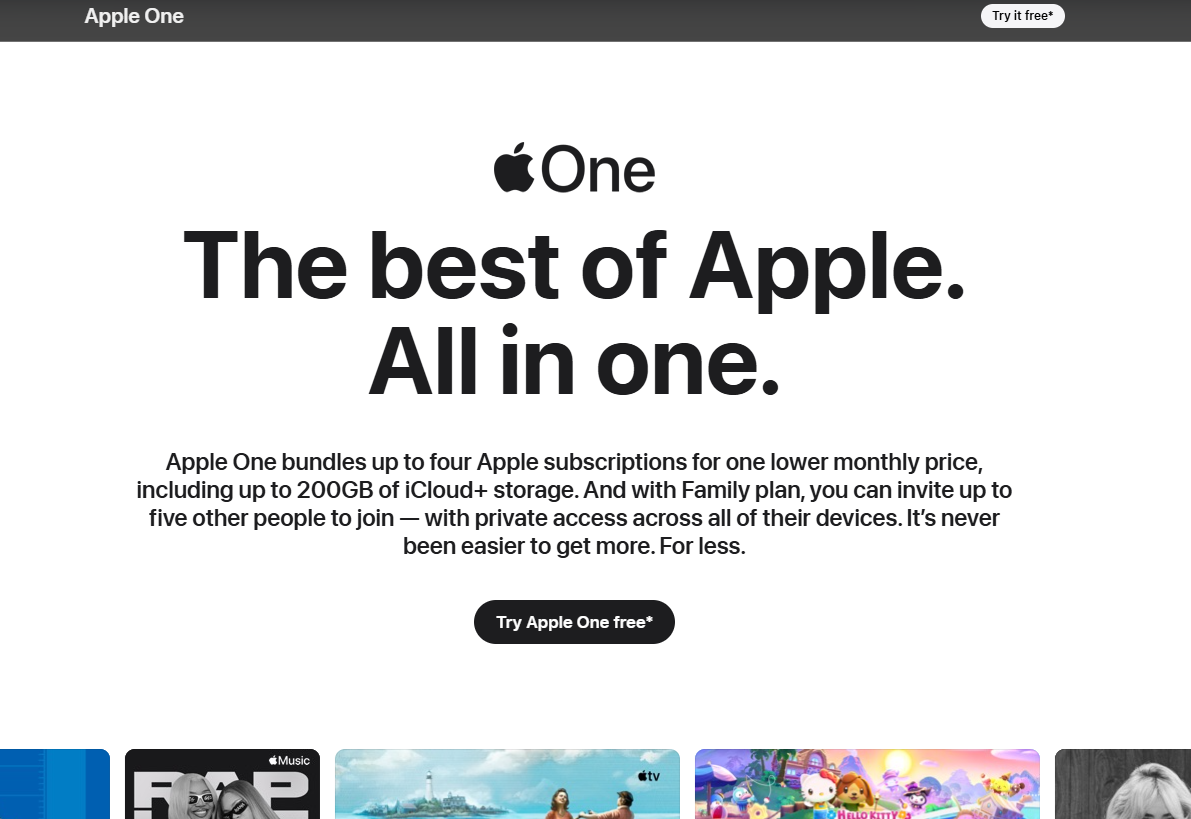
Source: Apple One
Pricing a bundle is a delicate balance. The goal is to set a price that highlights a significant saving compared to the regular monthly price of each service while still maximizing your revenue. The bundle value must be immediately obvious to the customer. Simply stating the reduced price is good, but showing the percentage saved is even better.
Your pricing shouldn't be static. Employ dynamic pricing strategies that allow your bundles to evolve with customer needs and market conditions. This could mean offering introductory prices for new subscribers or adjusting prices based on the popularity of certain services within the bundle. A dynamic model ensures your offerings remain competitive and appealing over time.
The "anchoring" tactic is also highly effective. Position a high-value item as the bundle's anchor to solidify perceived value and justify the overall package price. For example, a bundle that includes a premium, sought-after service can command a higher price point because the anchor item sets a high-value expectation for the entire package.
Also Read: How Squaties Scaled Order Volume via Performance Bundling.
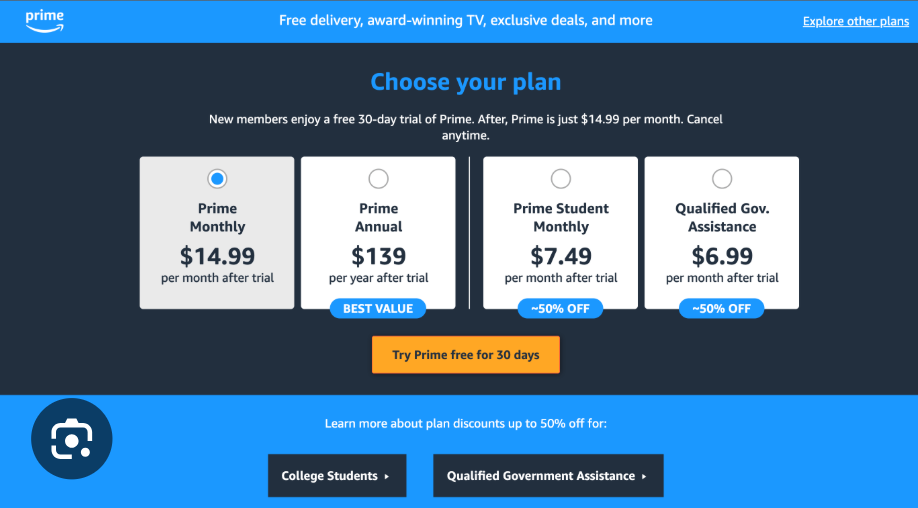
Source: Amazon Prime
Tiered bundles are a powerful way to cater to different customer segments with varying needs and willingness to pay. By creating distinct tiers—such as basic, standard, and premium you can guide customers to the bundle plan that best suits them. Each tier should offer a clear step-up in value to encourage upsells.
This strategy moves beyond simple standard plans by painting a picture of ascending benefits. A basic tier might offer essential services with ads. In contrast, a premium tier could provide ad-free viewing, access to exclusive content, and enhanced device compatibility for streaming on multiple screens. This structure not only serves diverse financial situations but also creates a clear path for customers to upgrade as their needs grow.
For example, a streaming service might offer a basic bundle with two platforms, a mid-tier bundle with three platforms and live TV, and a premium tier that includes all of the above plus exclusive sports content. This segmentation ensures you capture revenue from casual users, families, and dedicated fans alike, maximizing the reach and profitability of your subscription offerings.
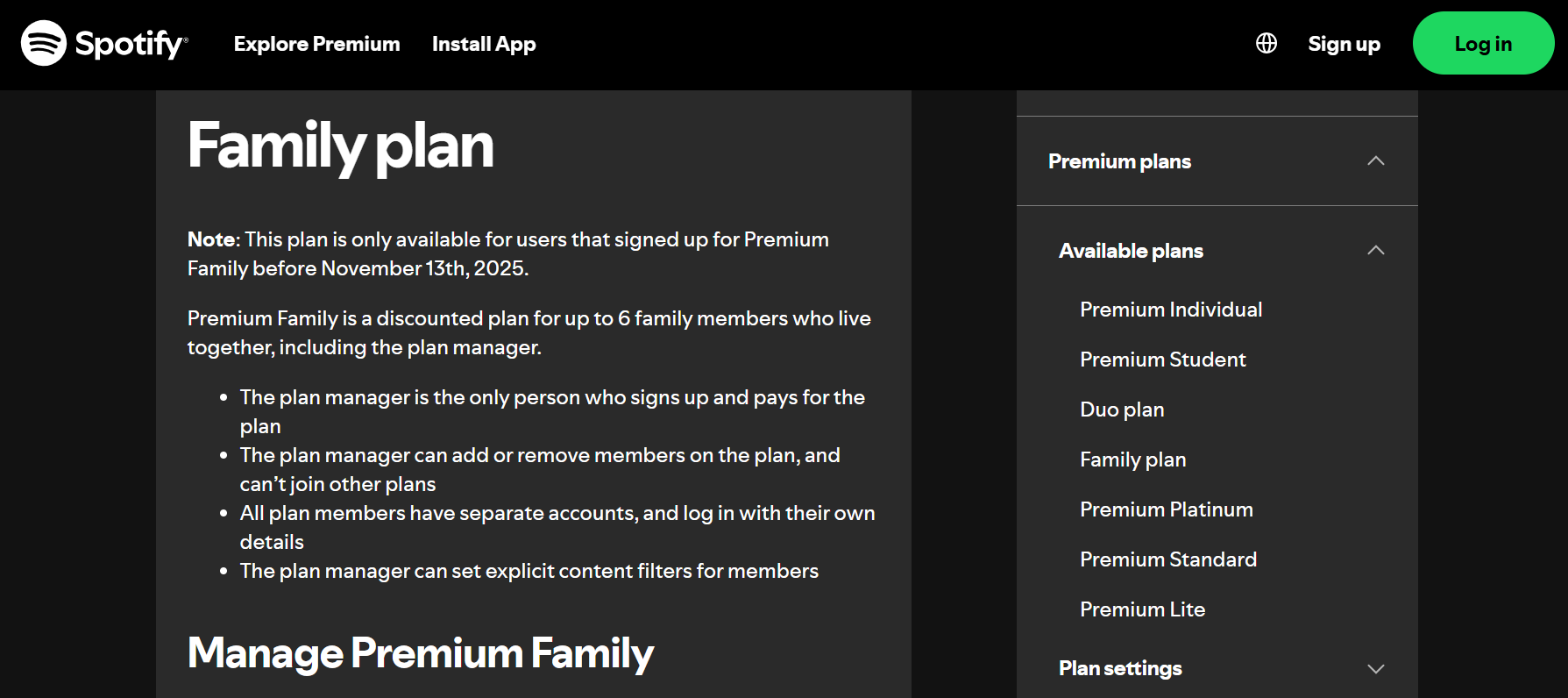
Source: Spotify
To make your bundle offers irresistible, you must clearly communicate the value proposition. Don't make customers do the math; explicitly highlight the savings they get with the discounted price compared to subscribing individually. Phrases like "Save 42% with this bundle" are far more impactful than just showing the final price.
Beyond cost savings, emphasize the bundle's exclusive benefits. These could include additional features, early access to new releases, or content not available to individual subscribers. These perks create a sense of exclusivity and make the bundle feel like a special offer, not just a discount. Bundle subscriptions help optimize app pricing by packaging them as a premium deal.
To effectively showcase the value, you should:
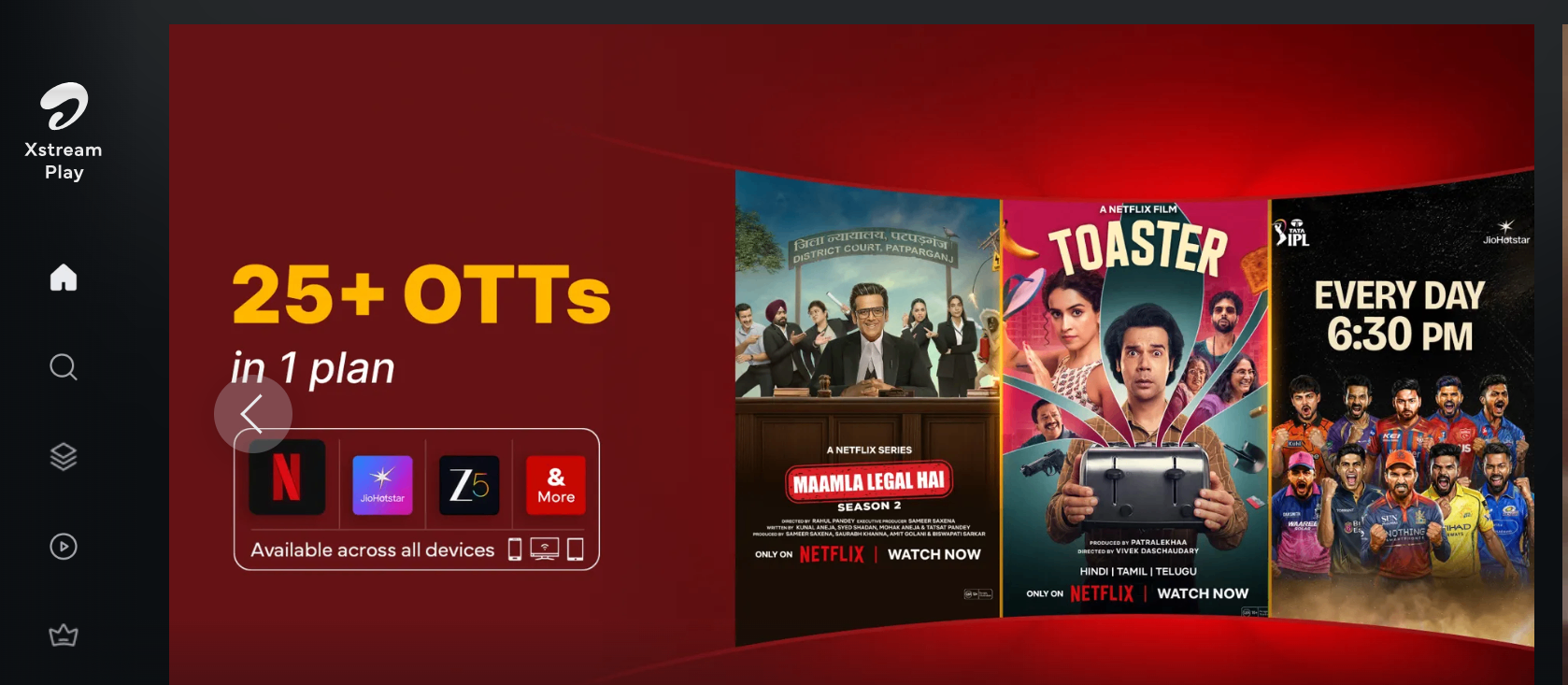
Source: Airtel Xstream Play
The most successful app bundle subscriptions often integrate various digital products from different providers into a single, seamless offering. The modern consumer uses a wide array of services, and bundles that recognize this diversity are poised for success. For example, a telco provider might bundle a mobile plan with streaming services like Airtel Xstream Play
There are many popular examples of app bundle subscriptions for mobile users. An Airtel Xstream Play subscription, for instance, includes free access to Netflix, Zee5, Jio Hotstar, and more. Amazon Prime is another classic example, bundling fast shipping with Prime Video, which itself offers add-on channels. The best-known is the Disney bundle, which combines its own service with Hulu.
This strategy is not limited to mega-corporations. Any business with a digital platform, from banking apps to online retailers, can integrate complementary digital products. Offering an eSIM for travelers or a subscription to an educational app can differentiate your brand and create a holistic user experience that boosts customer loyalty. The key is to find partners and products that align with your customers' lifestyles.
Also Read: How Puur Scaled Average Order Value via Intelligent Accessory Pairing.
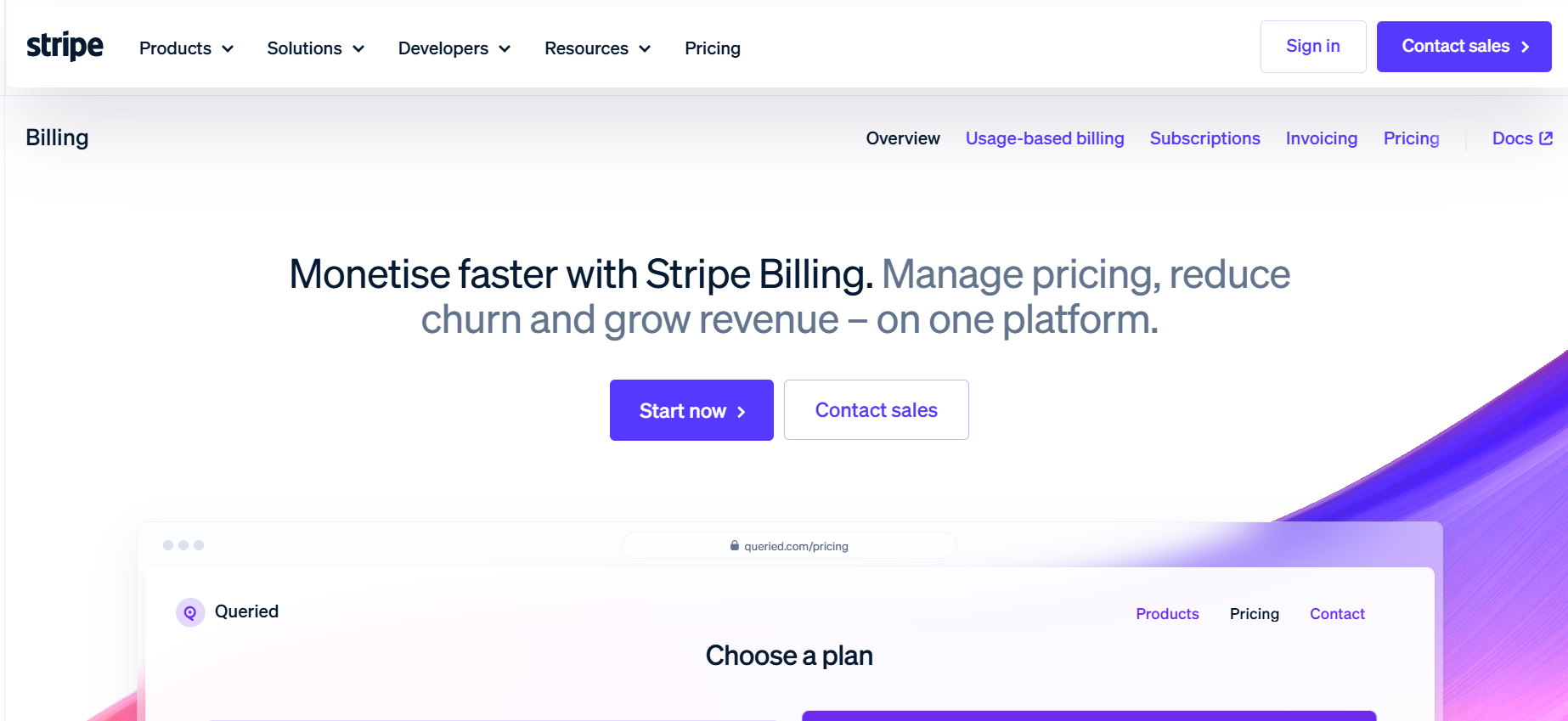
Source: Stripe
The convenience of a bundle is lost if the sign-up process is complicated. Aim for a frictionless experience where a customer can subscribe with just an email address and a few clicks. The process should be intuitive, transparent, and quick. Any friction during sign-up can lead to abandonment, no matter how good the offer is.
Once subscribed, customers need an easy way to manage subscriptions. A centralized dashboard that lets them view their subscription details, update payment information, and change their plan is essential. For bundles involving third-party services, ensure that account activation is seamless.
On platforms like Shopify, app bundle subscriptions are typically managed through dedicated apps. These apps allow merchants to create various bundle types (e.g., fixed bundles, mix-and-match) and handle the recurring billing automatically. Customers can then manage their subscription details through a customer portal, providing a streamlined experience from purchase to ongoing management.

Creating a subscription bundle is not a "set it and forget it" task. To create effective and sustainable app bundle subscriptions, you must continuously monitor performance and be prepared to make adjustments. Regularly track key metrics like customer acquisition cost (CAC), customer lifetime value (CLV), and churn rates for your bundled subscribers.
This data will reveal what's working and what isn't. Perhaps one service in your bundle plan is underperforming and needs to be replaced, or maybe there's an opportunity to introduce a new, higher-priced tier. Customer feedback is also invaluable here. Pay attention to what subscribers are saying to understand their perception of the bundle's value.
Based on these insights, you can tweak your offerings. This might involve adjusting the product mix, experimenting with dynamic pricing, or refining your marketing message. A proactive approach to monitoring and adjusting ensures your bundles remain relevant, valuable, and profitable, ultimately contributing positively to the customer's monthly bill and your bottom line.

Source: Croma
Promotions and limited-time offers are excellent tools for driving urgency and boosting conversions for your bundle deals. These tactics can attract new subscribers who may have been on the fence, giving them a compelling reason to sign up now rather than later. For example, offering a bundle at a reduced price for the first six months can be highly effective.
Test different types of promotions to see what resonates most with your audience. This could include introductory discounts, free trials for a bundled service, or bonus add-ons for a limited period. The world of streaming deals is rife with examples, like offering three months of a premium service for free when you sign up for a specific bundle.
The key is to create a sense of scarcity without devaluing your product in the long run. Limited-time offers should feel special and exclusive. By testing various promotional strategies, you can gather valuable data on what motivates your customers and use these insights to refine your ongoing marketing efforts and maximize subscriber acquisition.
Also Read: How The Chosen Cultivated a Community through Curated Merchandise Kits.
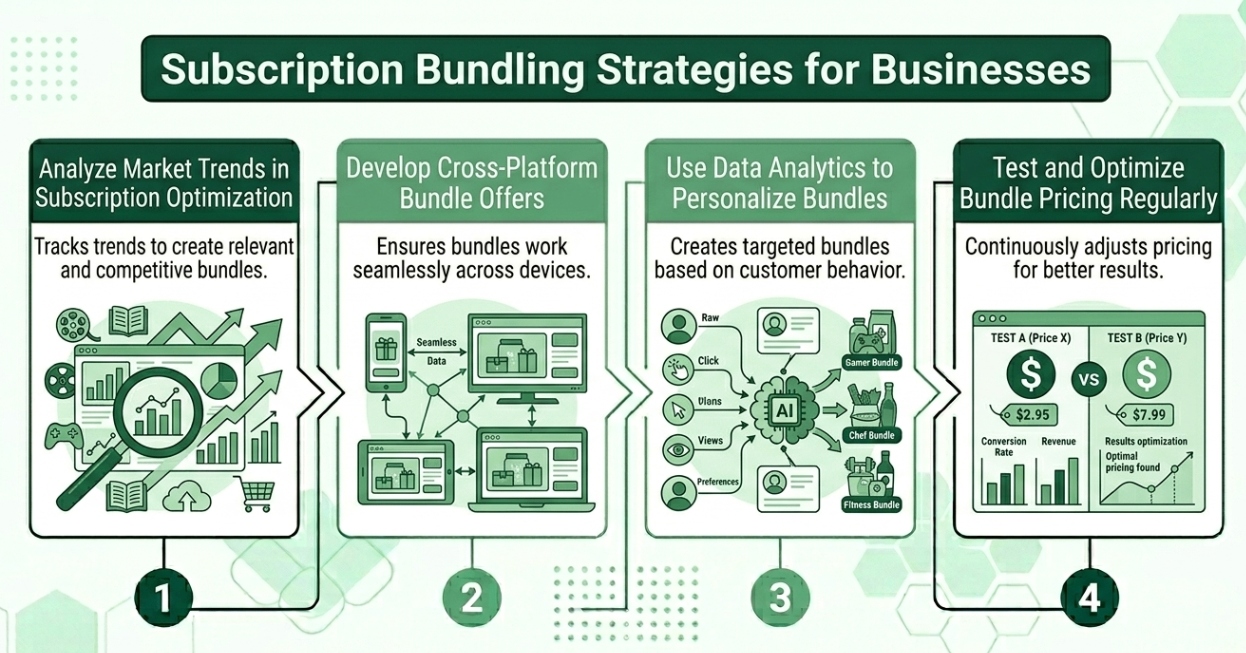
For businesses, subscription bundling is a powerful strategy to increase revenue, customer loyalty, and market share. An effective approach requires more than just packaging products; it involves a deep analysis of market trends, a commitment to personalization, and a flexible approach to pricing and platform delivery. By adopting a forward-thinking business strategy that incorporates cross-platform bundle offers and data-driven insights, you can create packages that customers truly value.
The following strategies will help you harness the power of bundling, from market analysis to regular optimization of your dynamic pricing.
To build successful subscription bundles, businesses need to stay closely aligned with evolving market trends and consumer behavior. Today’s customers increasingly prefer convenience, often choosing bundled subscriptions that combine multiple services into one manageable plan rather than purchasing them separately. This shift highlights the growing importance of the “bundle economy,” where value is driven not just by pricing but by ease of access and consolidation. By tracking industry movements, emerging subscription categories, and changing customer expectations, businesses can design bundles that remain relevant and competitive. Using flexible apps like Kefi Product Bundle Builder can make it easier to quickly adapt your bundle structure as trends evolve, without overcomplicating your setup.
Modern consumers expect seamless access to their subscriptions across multiple devices, from smartphones to smart TVs and desktops. Creating a cross-platform bundle ensures that your services remain accessible and convenient, directly enhancing customer satisfaction and perceived value. A well-designed bundle should integrate smoothly across platforms, reducing friction and making it easy for users to engage with all included services wherever they are. This level of accessibility can become a strong differentiator in a crowded market. With solutions such as Kefi Product Bundle Builder, businesses can structure bundles that align with these expectations while maintaining flexibility in how products or services are grouped and delivered.
Personalization has become a key driver of successful subscription strategies, and data analytics plays a central role in achieving it. By analyzing customer behavior, purchase patterns, and engagement data, businesses can create bundles that feel tailored rather than generic. This approach not only increases conversions but also strengthens long-term customer relationships by delivering more relevant value. Segmenting audiences and offering dynamic bundle recommendations can significantly improve performance compared to one-size-fits-all packages. Tools like Kefi Product Bundle Builder support this strategy by enabling merchants to create customizable, targeted bundles that better reflect individual customer preferences.
Effective subscription bundling requires ongoing pricing optimization rather than a one-time setup. Customer expectations, competitor pricing, and market conditions change over time, making continuous testing essential. Businesses should experiment with different pricing tiers, promotional offers, and bundle configurations to identify what resonates best with their audience. This iterative approach helps maintain a strong balance between perceived value and profitability. Additionally, transparent pricing builds trust and reduces churn over time. Leveraging adaptable platforms such as Kefi Product Bundle Builder allows businesses to easily adjust bundle pricing and structure, making it simpler to refine strategies and sustain long-term growth.
Effective subscription bundling strategies focus on aligning with market trends, delivering seamless cross-platform experiences, leveraging data for personalization, and continuously optimizing pricing to drive sustainable growth and customer loyalty.
Also Read: How Calitron Boosted Revenue and AOV with Smart Bundling.
Creating and managing effective subscription bundles can be complex, but the right tools can simplify the process and drive significant results. The Kefi Product Bundle Builder is designed to empower businesses to easily create and optimize subscription bundles, helping to improve conversions and enhance the ecommerce post-purchase experience. Our platform provides the flexibility to design a range of bundles, from fixed packages to customizable mix-and-match options, all seamlessly integrated with your existing subscription management system.
By using Kefi, you can implement the best practices for bundling with ease. Our intuitive interface allows you to set up tiered bundles quickly, highlight savings, and test different offers to see what resonates with your audience. The tool provides the data and insights you need to make informed decisions, helping you increase average order value and improve customer retention. With Kefi's product bundle builder, you can transform your subscription strategy and build lasting customer loyalty.
Book a Demo to see how Kefi Product Bundle Builder works.
Mastering the art of product bundling for subscriptions can significantly enhance customer satisfaction and business performance. By identifying complementary products and understanding customer preferences, you can create offerings that not only deliver greater value but also foster loyalty and retention. The iterative process of testing and optimizing your bundling strategies ensures that you stay aligned with evolving market trends and customer needs. Embracing these best practices positions your subscription service for success in a competitive landscape. To further enhance your bundling strategies and drive conversions, consider exploring Kefi’s Product Bundle Builder to create tailored solutions that fit your business model.
Before choosing, review the included streaming services to ensure they match your interests. Compare the discounted price to the cost of individual subscriptions to confirm the value. Also, check for any additional features, such as ad-free tiers or exclusive content, and verify device compatibility to ensure you can watch on your preferred screens.
On Shopify, app bundle subscriptions are managed through specialized apps. Merchants regularly use these apps to create and sell bundled products. Customers can then manage subscriptions through a dedicated portal, where they can view their subscription details, update payment info, and adjust their plans, all of which is reflected in their monthly bill.
Yes, many effective strategies exist. Popular streaming deals, like the Disney+, Hulu, and HBO Max bundle, combine top-tier digital products at a significant discount compared to their full price. Other app bundle subscriptions, such as Amazon Prime, package services like video streaming with tangible benefits like free shipping, creating powerful bundle offers.
To save money, look for providers that offer pre-packaged bundles. Companies like Disney, Verizon, and Walmart+ combine multiple apps into a single monthly plan at a discounted price. Subscribing to these bundles is almost always cheaper than paying for each service individually, offering significant savings.
Yes, for mobile users, a popular bundle is the Disney+, Hulu, and ESPN+ Unlimited package, which offers a mix of streaming services and live TV. Another is the Walmart+ subscription, which bundles retail perks with access to Peacock or Paramount+, making it a versatile option for users on the go.
An effective business strategy involves analyzing customer data to create a relevant bundle plan, offering tiered options to attract new subscribers at different price points, and using dynamic pricing to stay competitive. Continuously testing and optimizing the bundle based on performance is also crucial for long-term success.
Bundle subscriptions help optimize pricing by allowing you to offer a lower price per app while increasing the overall transaction value. This creates a perception of greater value than standard plans, encouraging customers to spend more than they would on a single app and boosting your average revenue per user.
A product bundle subscription keeps customers engaged by offering multiple relevant products in a single recurring purchase, thereby increasing perceived value and reducing the likelihood of cancellation compared to single-product subscriptions.
Shopify subscription bundles encourage a higher average order value and simplify the buying process by grouping complementary products, making it easier for customers to commit to a more valuable, convenient subscription.
A subscription bundling platform (US) provides advanced features such as flexible bundle creation, automated billing, and performance analytics, helping businesses optimize offers, improve the customer experience, and grow recurring revenue more efficiently.
.svg)
