

You've launched your online store and established a digital marketing strategy, but are customers flocking to your site as expected? Attracting the right audience and driving sales can be a challenge. With the global online shopping market projected to reach trillions, securing your share requires more than just a presence; it demands strategic ecommerce optimization. This guide will walk you through essential tips and strategies to refine your website, draw in more customers, and ultimately boost sales for long-term success.
Ecommerce optimization is the ongoing process of systematically improving your online store to enhance the user experience, increase customer engagement, and drive higher sales. It's a comprehensive approach that involves refining everything from your website's design and navigation to its back-end performance and marketing strategies. For ecommerce businesses, this isn't a one-time fix but a continuous cycle of analysis, testing, and improvement aimed at maximizing your site's potential.
This process encompasses various elements, including search engine optimization (SEO), content marketing, A/B testing, and personalization. The goal is to create a seamless and enjoyable shopping experience that not only converts visitors into customers but also encourages them to return. By focusing on optimization, you can identify friction points in the customer journey, make data-driven decisions, and ensure your online store is set up for sustained growth and profitability in a competitive digital marketplace.

Optimizing your ecommerce site offers a multitude of benefits that directly impact your bottom line. The primary advantage is the potential for higher conversion rates, turning more of your website visitors into paying customers. This process also leads to a better customer experience, which is crucial for building loyalty and encouraging repeat business. These benefits work together to create a more profitable and sustainable online business. Now, let's look at these benefits in more detail.
A primary goal of ecommerce optimization is to improve conversion rates, which means turning a higher percentage of your website visitors into customers. Even small improvements can significantly boost sales. By analyzing user behavior and identifying friction points, you can make targeted changes that guide shoppers more effectively toward making a purchase.
A simplified and intuitive website journey is key. When customers can easily find what they are looking for, understand your products, and navigate the purchasing process without confusion, they are far more likely to complete their transaction. This involves optimizing various elements across your site to create a smooth path from discovery to checkout.
Here are some practical tips to get started:
A positive user experience (UX) is the backbone of a successful online store. When shoppers enjoy their time on your site, they are more likely to stay longer, explore more products, and make a purchase. A poor experience, on the other hand, can lead to a high bounce rate, where visitors leave your site after viewing only one page.
Factors like site speed, mobile responsiveness, and intuitive design are critical components of a great shopping experience. A slow-loading page can frustrate users and cause them to abandon your site before it even fully appears. Similarly, a confusing layout makes it difficult for shoppers to find what they need, leading to lost sales.
To enhance the user experience, focus on these key areas:
Beyond converting more visitors, ecommerce optimization can also encourage each customer to spend more per transaction, thereby increasing your average order value (AOV). This is a powerful lever for boosting revenue by acquiring more traffic. Strategic product recommendations and bundling are highly effective tactics for achieving this.
By suggesting related products or complementary items, you can introduce shoppers to items they might not have discovered otherwise. For example, showing a customer browsing a camera or other relevant items, such as a lens, a camera bag, or a memory card, can easily increase their total order value. This provides genuine value to the customer while also benefiting your business.
Consider implementing these strategies to lift your AOV:
Cart abandonment is one of the biggest challenges for ecommerce businesses, with a significant percentage of shoppers leaving a site after adding items to their cart. A complicated or lengthy checkout process is a primary culprit. Optimizing this final stage of the customer journey is crucial for capturing sales that would otherwise be lost.
Identifying and addressing the pain points in your checkout flow can make a dramatic difference. Unexpected shipping costs, mandatory account creation, and a lack of trusted payment options are common reasons for abandonment. By making the checkout process as simple, transparent, and flexible as possible, you remove barriers and build the confidence customers need to complete their purchase.
To combat cart abandonment, try these tactics:
Acquiring a new customer is often more expensive than retaining an existing one. Ecommerce optimization plays a vital role in fostering loyalty and encouraging repeat business. A superior customer experience, from initial browsing to post-purchase support, leaves a lasting positive impression that brings shoppers back.
Building trust and a sense of community are key to boosting customer retention. Integrating social proof, such as customer reviews and testimonials, reassures new buyers about your product. Moreover, implementing loyalty programs rewards repeat customers, making them feel valued and giving them a compelling reason to choose your brand over competitors for future purchases.
Here are two effective ways to boost customer retention:
Also Read: How to Master Customer Revenue Optimization Strategies?
Now that we understand the benefits, let's look at actionable ecommerce optimization strategies. Implementing these best practices is essential for any ecommerce marketing plan aimed at increasing sales and improving the customer journey. The following sections will explore ten essential strategies you can implement to optimize your ecommerce site for maximum performance and growth.

Source: Google Store
Website speed is a critical factor in ecommerce success. Slow load times can be detrimental to the user experience, leading to higher bounce rates and lower conversion rates. In today's digital world, shoppers expect pages to load in three seconds or less. Any delay beyond that risks losing a potential customer to a competitor.
Maintaining fast page load speed is a fundamental part of website maintenance that directly impacts your bottom line and even your search engine rankings. A swift, seamless experience keeps website traffic engaged and moving through the sales funnel. This requires attention to several technical aspects of your site.
To improve your site speed, consider these actions:

Source: Estee Lauder
With a growing number of mobile users turning into mobile shoppers, a fully optimized mobile shopping experience is no longer optional—it's essential. Your website must be designed to be intuitive and user-friendly on smaller screens. If customers struggle to navigate your site, view products, or complete a purchase on their mobile devices, you are losing a significant portion of potential sales.
Mobile optimization goes beyond simply having a responsive design. It involves thinking about the specific needs and behaviors of mobile users. This includes larger buttons, simplified menus, and a streamlined checkout process tailored for touchscreens. Every element should be designed to provide a smooth and frictionless journey from start to finish.
Follow these tips for better mobile optimization:

Source: Dji
Your product pages are where the final purchase decision is often made. Since online shoppers can't actually touch or see a product, your page must do all the work to build trust and convey value. High-quality product images and compelling, informative product descriptions are paramount for converting browsers into buyers.
Content optimization on these pages directly impacts sales by answering customer questions, highlighting benefits, and improving visibility on search engines. A well-written description that focuses on how the product solves a customer's need is far more effective than a simple list of features. Visuals, including images from multiple angles and product videos, help bridge the gap between the digital and physical worlds.
To create high-converting product pages, focus on:
Source: Zara
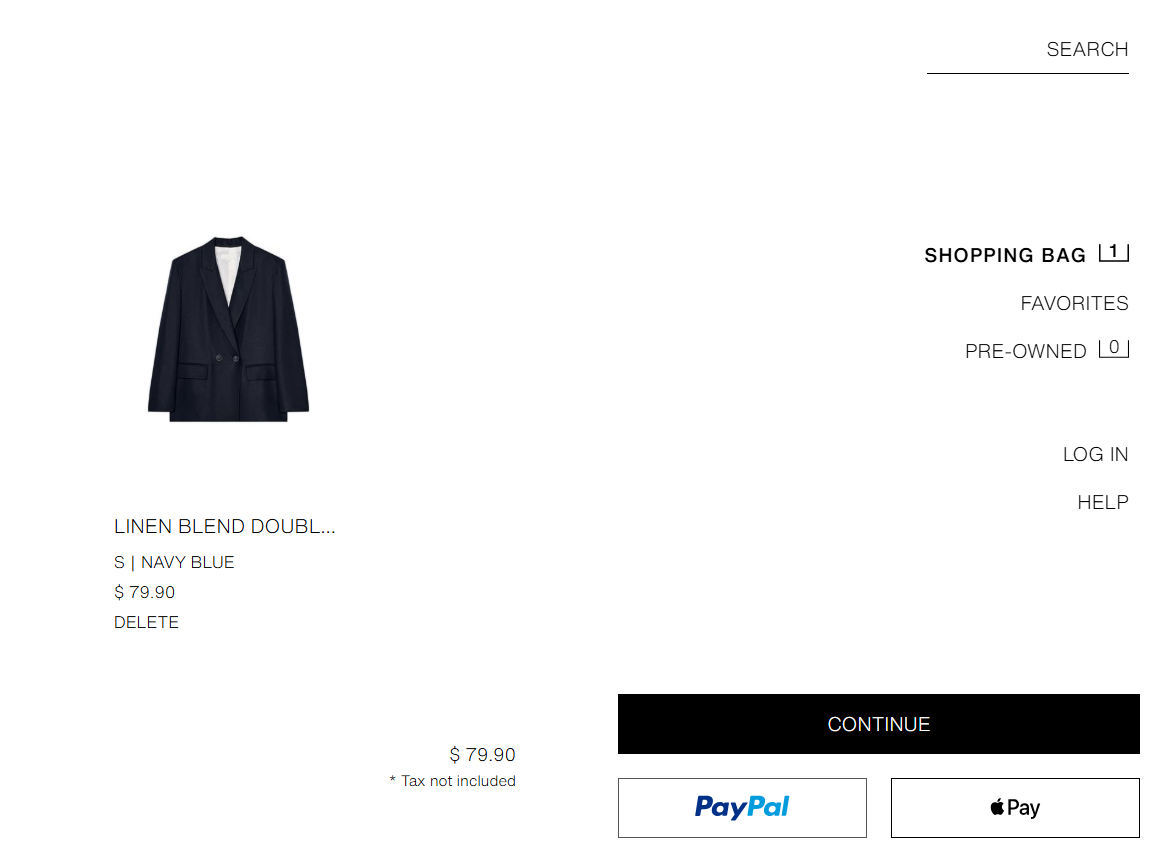
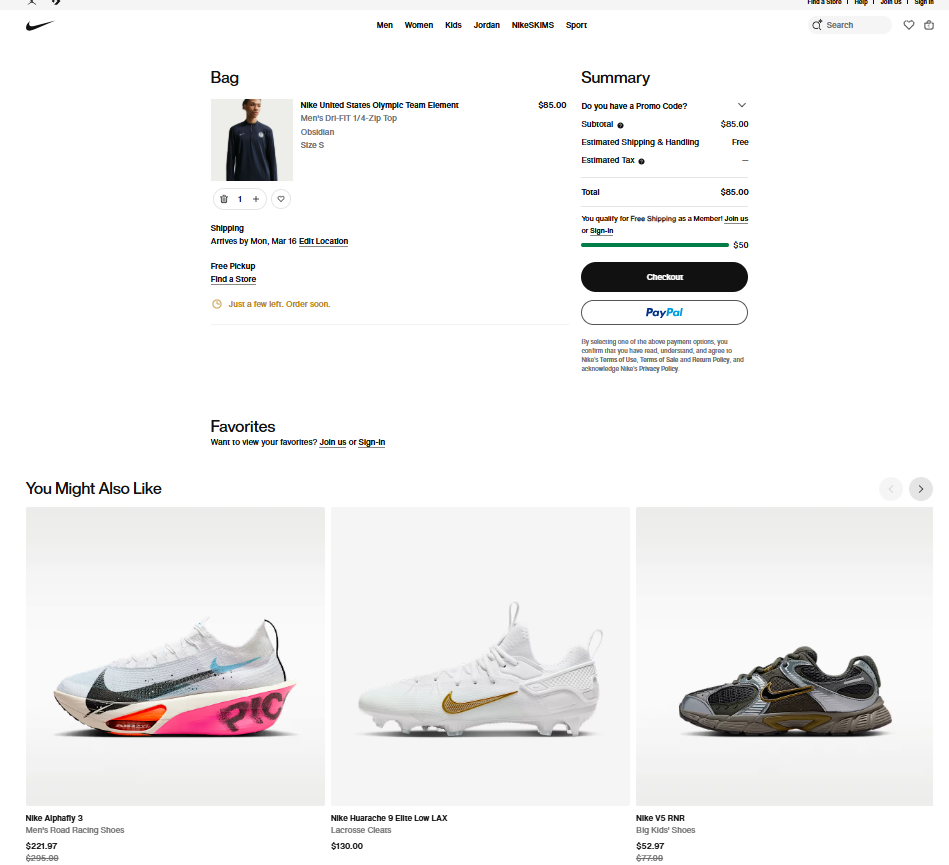
A clunky and confusing checkout process is a major cause of cart abandonment. This final step in the customer experience should be as seamless and frictionless as possible. Every extra step or unnecessary field you require can increase the bounce rate and cost you a sale. Streamlining checkout is one of the most impactful optimizations you can make.
The goal is to get the customer from their cart to the "Thank You" page with minimal effort. Offering a guest checkout option is crucial, as forcing users to create an account is a significant deterrent. Transparency about all costs, including shipping and taxes, early in the process also helps build trust and prevents last-minute surprises that lead to abandoned carts.
Here's how to streamline your checkout process:
Source: Nike
Today's consumers expect personalized shopping experiences. Generic, one-size-fits-all approaches are no longer effective. Personalization makes the customer journey more relevant and engaging, making it easier for potential buyers to discover products they'll want and move toward a purchase decision.
By leveraging customer data, you can tailor content, promotions, and product recommendations to individual users. For instance, you can segment customers based on their past purchases, browsing history, or even how they arrived at your store. This allows you to display the most relevant products and messaging, creating a feeling that your store truly understands their needs.
Here are ways to implement personalization:
Also Read: How a Premier Portuguese Winery Cultivated a +16.80% AOV Lift.
Source: Walmart Data Ventures
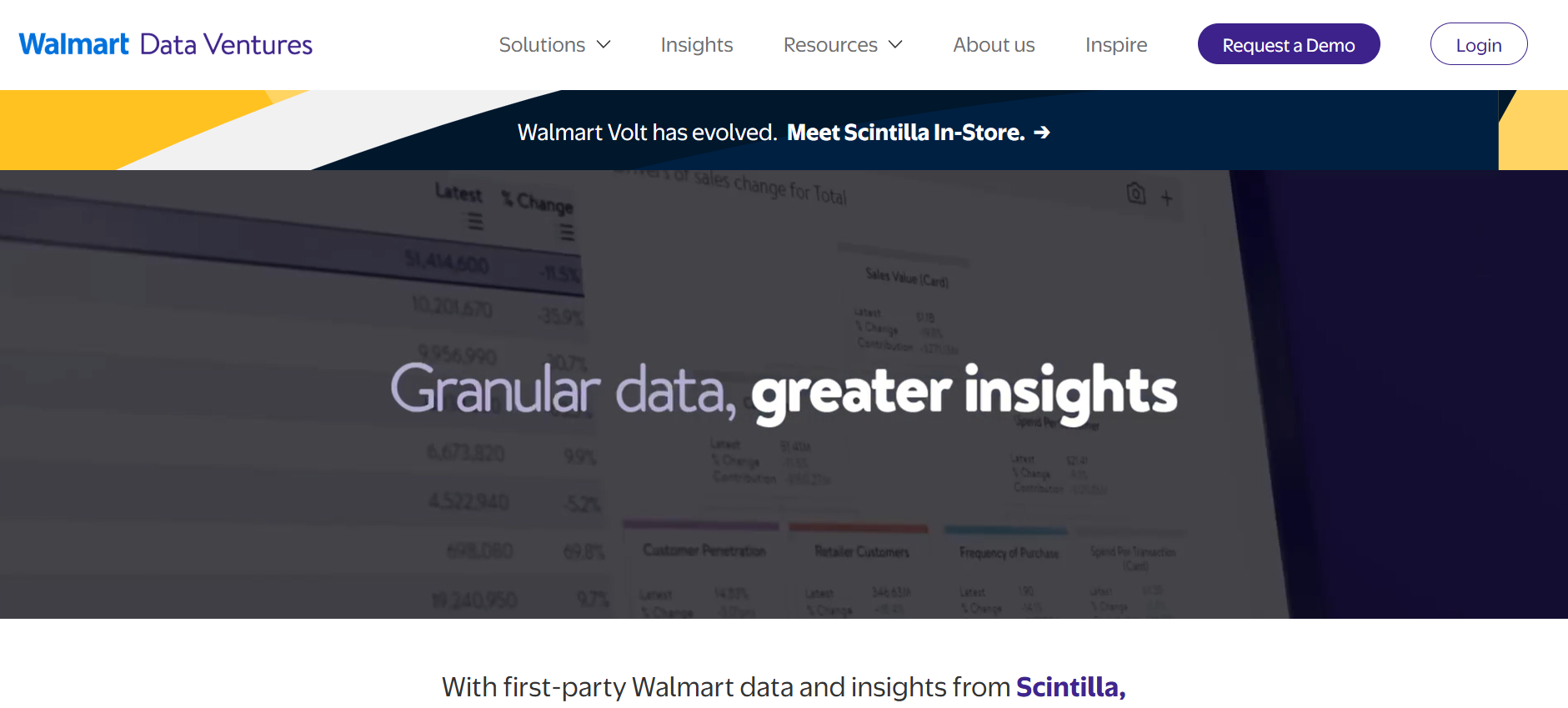
Effective ecommerce optimization relies on data rather than assumptions, making analytics tools like Google Analytics essential for understanding user behavior. These tools help you track how visitors interact with your site, where they come from, and when they drop off, allowing you to identify gaps and opportunities for improvement.
By closely monitoring key metrics, businesses can make informed, strategic decisions to enhance performance. For instance, conversion rate indicates how effectively your site turns visitors into customers, while average order value helps measure the success of upselling and cross-selling efforts.
Similarly, cart abandonment rate highlights friction in the checkout process, and bounce rate signals potential issues with page speed, design, or content relevance. Continuously analyzing these insights enables businesses to refine their strategies, optimize the customer journey, and drive sustainable growth.

Source: Ikea
Visitors who use your site's bar often have a high purchase intent. If they can't figure out what they're for quickly, you risk losing a near-certain sale. An optimized search and navigation system is crucial for a positive user experience. Approximately 50% of potential sales are lost simply because visitors can't find the products they want.
Your site's navigation should be intuitive, with clear menu options and logically organized product categories. The search bar should be prominently displayed and capable of delivering fast, relevant search results, even with typos or synonyms. Monitoring search queries on your site can also provide valuable insights into customer demand and potential gaps in your product offerings or in your use of relevant keywords.
To improve search and navigation, implement these changes:

Source: Booking.com
A/B testing, also known as split testing, is a powerful method for data-driven optimization. It involves creating two versions of a webpage or element (Version A and Version B) and showing them to different segments of your audience to see which one performs better. This process eliminates guesswork and allows you to make incremental changes that are proven to improve conversion rates.
You can run A/B tests on almost any element of your site, from the color of a call-to-action button to the layout of a product page. By systematically testing different hypotheses, you can continuously refine the user experience and maximize your site's performance. It's a cornerstone of any serious conversion rate optimization strategy.
Here’sHere'so get started with A/B testing:
Source: Necessaire
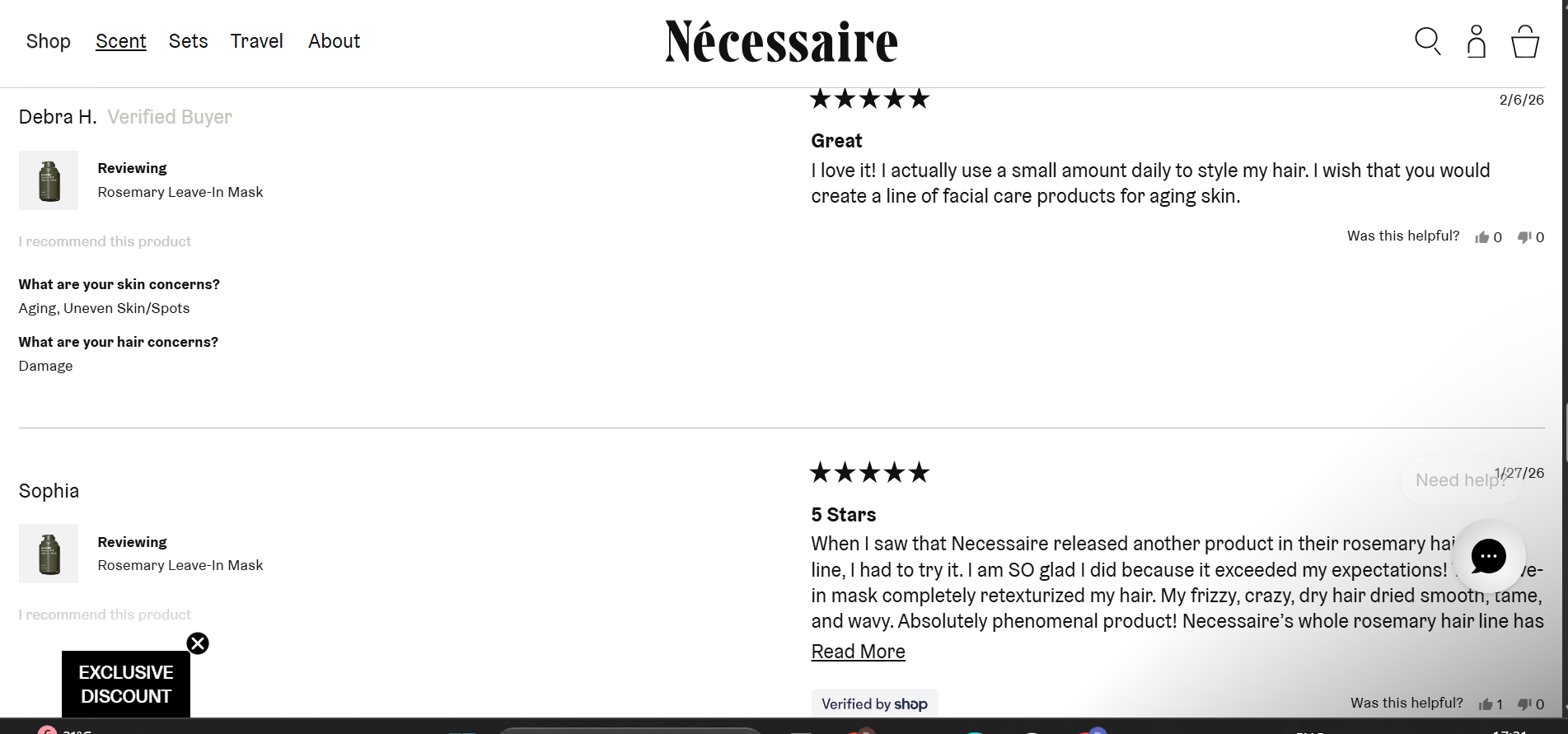
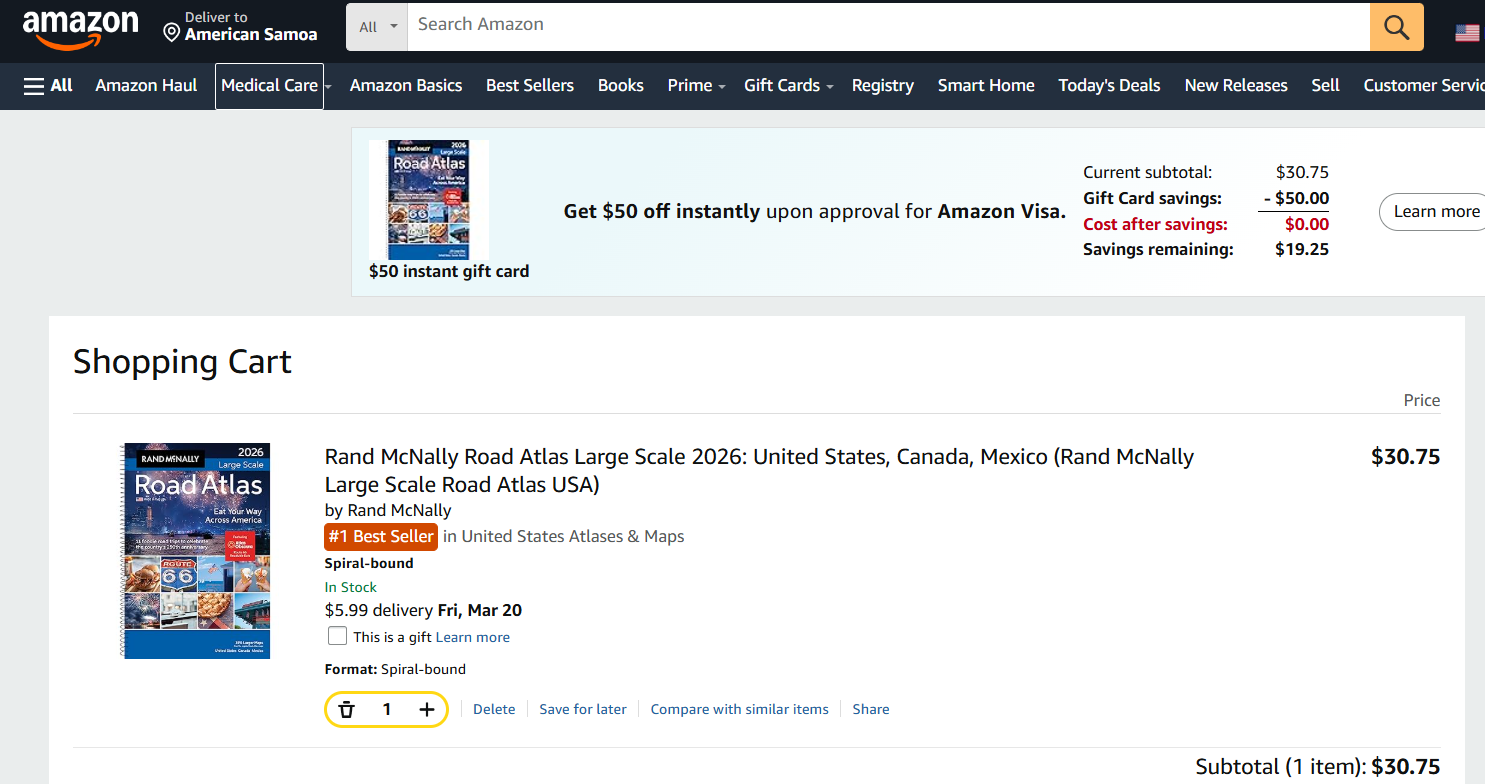
In the world of ecommerce, trust is currency. Since potential customers can't actually inspect a product, they rely on others' opinions to make their purchase decisions. Integrating customer reviews and other forms of social proof is one of the most effective ways to build credibility and alleviate purchase anxiety.
Displaying authentic customer feedback directly on your product pages provides unbiased validation that can tip the scales in your favor. Positive reviews tell shoppers that your product is a worthy investment, while even negative reviews, when handled professionally, can demonstrate transparency and excellent customer service. This direct line of customer feedback is also invaluable for improving your products and services.
To leverage social proof effectively:
Source: Amazon
Your pricing and discount strategies are powerful levers in your overall marketing strategy. When used thoughtfully, they can attract new customers, increase order value, and drive conversions. However, it's essential to approach discounting strategically to avoid devaluing your brand or eroding your profit margins.
Tactics like offering free shipping thresholds can encourage customers to add more items to their cart to qualify, directly boosting AOV. Limited-time offers and flash sales create a sense of urgency, prompting immediate action from shoppers who might otherwise hesitate. The key is to align your promotions with your business goals, whether that's selling out old inventory or acquiring new customers.
Consider these effective pricing and discount strategies:
Also Read: How The Chosen Cultivated a Community through Curated Merchandise Kits.

The rise of artificial intelligence (AI) and automation is transforming the ecommerce landscape. These technologies allow you to streamline operations, enhance personalization, and deliver a superior customer experience at scale. Integrating AI and automation tools into your ecommerce platform is no longer a futuristic concept but a vital part of a modern marketing strategy. The following sections explore specific ways to leverage AI and automation for your business.
Choosing the right AI tools can significantly improve your online store’s performance by automating key processes and enhancing customer experiences. These tools leverage large volumes of data to deliver actionable insights, helping businesses optimize everything from SEO and content creation to customer engagement and conversion rates.
For instance, personalization engines use AI to analyze user behavior and deliver tailored product recommendations, offers, and content, while SEO and content tools assist with keyword research, content optimization, and technical audits to boost search visibility. AI-powered chatbots and customer service tools enable 24/7 support, guiding customers through their shopping journey and resolving queries instantly.
Additionally, analytics and CRO tools help track user behavior, identify conversion opportunities, and run experiments, such as A/B testing, to improve performance. By integrating these AI solutions, businesses can streamline operations, make smarter decisions, and stay competitive in the evolving ecommerce landscape.
Manually managing inventory and orders becomes increasingly difficult and error-prone as your business grows. Automation in this area is critical for maintaining efficiency, preventing stockouts or overstocking, and ensuring a smooth fulfillment process. An automated system can synchronize inventory levels across all your sales channels in real-time.
By automating order management, you can reduce processing times, minimize human error, and keep customers informed with automated shipping updates. This not only improves operational efficiency but also enhances the customer experience by providing timely and accurate information about their orders. AI can take this a step further by forecasting demand to optimize stock levels.
Here's how automation can help your inventory and order management:
Providing instant and helpful customer support is a key differentiator in ecommerce. AI-powered chatbots can enhance customer engagement by offering 24/7 assistance, answering frequently asked questions, and guiding users through their customer journey. This frees up your human customer service agents to handle more complex issues.
Chatbots can do more than just answer questions about order status or return policies. They can also act as personal shopping assistants, helping customers find products, offering recommendations based on their queries, and even collecting valuable customer feedback. This immediate and interactive support can significantly improve the shopping experience and drive conversions.
Consider implementing chatbots to:
Generic product recommendations are a missed opportunity. AI-driven personalization takes this strategy to the next level by analyzing individual user behavior in real-time to surface the most relevant products at the perfect moment. This goes beyond simple rules like "customers who bought this also bought..." to create a truly one-to-one shopping experience.
AI algorithms can analyze a user's search terms, past purchases, and even items they've viewed to understand their intent and preferences. This allows you to display highly targeted product recommendations on product pages, in the shopping cart, and even in post-purchase communications. This level of personalization not only increases conversion rates and AOV but also enhances product discovery.
Leverage AI for smarter product recommendations by:
Also Read: How Metalbird drove consistent growth across 8 stores.
One of the most effective strategies for ecommerce optimization is increasing your average order value, and product bundles are a proven way to achieve this. The Kefi Product Bundle Builder empowers you to easily create and display attractive product bundles directly on your product pages. This tactic encourages customers to purchase related products together, often at a slight discount, thereby boosting perceived value and making the buying decision easier. By integrating bundles into your product page design, you seamlessly guide customers toward a larger purchase.
Using a tool like the Kefi Product Bundle Builder simplifies the entire process. You can strategically group complementary items, create "build your own" box experiences, or offer curated kits that solve a specific customer need. This not only helps to boost conversions and increase AOV but also improves the shopping experience by making it easier for customers to discover and purchase related products. It’s a useful ecommerce optimization technique that directly impacts your bottom line while providing more value to your shoppers.
Book a Demo to see how Kefi Product Bundle Builder works.
In conclusion, eCommerce optimization is not just a buzzword; it is essential for driving sales and enhancing customer engagement in today’s online marketplace. By focusing on key strategies such as improving website performance, optimizing the mobile shopping experience, and personalizing customer interactions, businesses can significantly boost their conversion rates and overall customer satisfaction. Implementing effective pricing strategies and leveraging data analytics will further empower you to make informed decisions that can elevate your brand. Remember, continuous improvement is key, so don’t hesitate to test new approaches and learn from customer feedback. Embrace these essential eCommerce optimization tips, and watch as your online store thrives. For more personalized insights, feel free to reach out and start your journey toward increased sales today!
The biggest mistakes include neglecting mobile users, having a slow website, and creating a complicated checkout process. Ignoring these user experience pain points leads to a high bounce rate and increased cart abandonment. Another major error is failing to use data to identify and address friction points in the customer journey.
Ecommerce optimization refers to improving various elements of an online store, such as speed, design, UX, and marketing, to increase conversions. It focuses on enhancing the overall shopping experience to drive more sales and customer retention.
Ecommerce website optimization enhances site speed, navigation, mobile usability, and content quality. These improvements reduce bounce rates, improve engagement, and help convert more visitors into paying customers.
Ecommerce optimization services include professional support for improving conversion rates, UX design, SEO, and performance. They are ideal for businesses looking to scale revenue without increasing traffic costs.
These services focus on improving the percentage of visitors who make a purchase. They include A/B testing, funnel analysis, UX improvements, and checkout optimization to eliminate friction in the buying journey.
A CRO agency analyzes user behavior, identifies drop-off points, and implements data-driven improvements. Their goal is to maximize revenue from existing traffic through continuous testing and optimization.
Ecommerce content optimization ensures that product descriptions, visuals, and messaging are clear, persuasive, and SEO-friendly. Well-optimized content builds trust and helps customers make informed purchase decisions.
AI optimization in ecommerce uses machine learning to personalize experiences, recommend products, and automate decisions. It helps businesses deliver relevant content and improve efficiency at scale.
Conversion rate optimization in ecommerce focuses on improving key touchpoints like product pages, CTAs, and checkout flow. The aim is to increase the likelihood that visitors will complete a purchase.
.svg)
