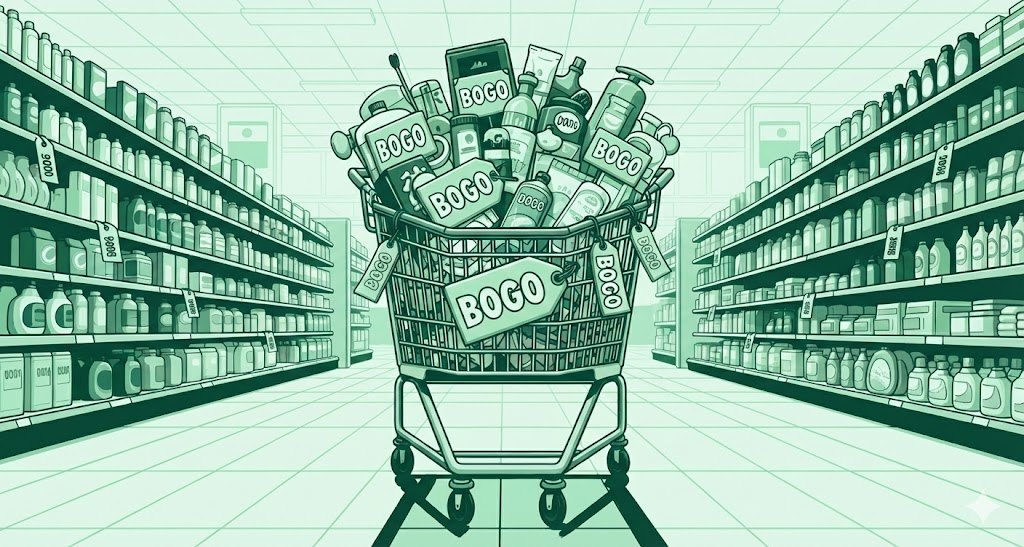
In the competitive world of e-commerce, finding a marketing strategy that reliably boosts sales while fostering customer loyalty is crucial. "Buy One, Get One" (BOGO) promotions are a time-tested way to achieve both. This simple yet effective approach grabs customer attention, encourages larger purchases, and can significantly improve your bottom line. When executed thoughtfully, BOGO deals become more than just a discount; they become a powerful tool for inventory management and long-term customer engagement.
A BOGO sale is a sales promotion in which a customer receives an additional item for free or at a reduced price after buying one item at full price. For instance, a classic BOGO deal is "Buy one t-shirt, get a second t-shirt free." The core appeal lies in the perceived value; shoppers feel like they are getting a great deal, which can be a strong motivator to complete a purchase. This strategy is highly effective because the word "free" is a powerful psychological trigger for consumers.
This type of promotion is incredibly flexible. Beyond the standard "buy one, get one free," a BOGO offer could be "Buy one face wash, get a second one for 50% off." Businesses often use BOGO coupons, promoted through email and social media, to drive traffic and sales. The goal is to increase the quantity of items per order and move inventory efficiently, all while making customers feel like they've secured a fantastic bargain.
Tools like Kefi Product Bundle Builder make it easy for brands to set up BOGO bundles seamlessly, letting customers choose their free or discounted items while boosting sales and engagement.
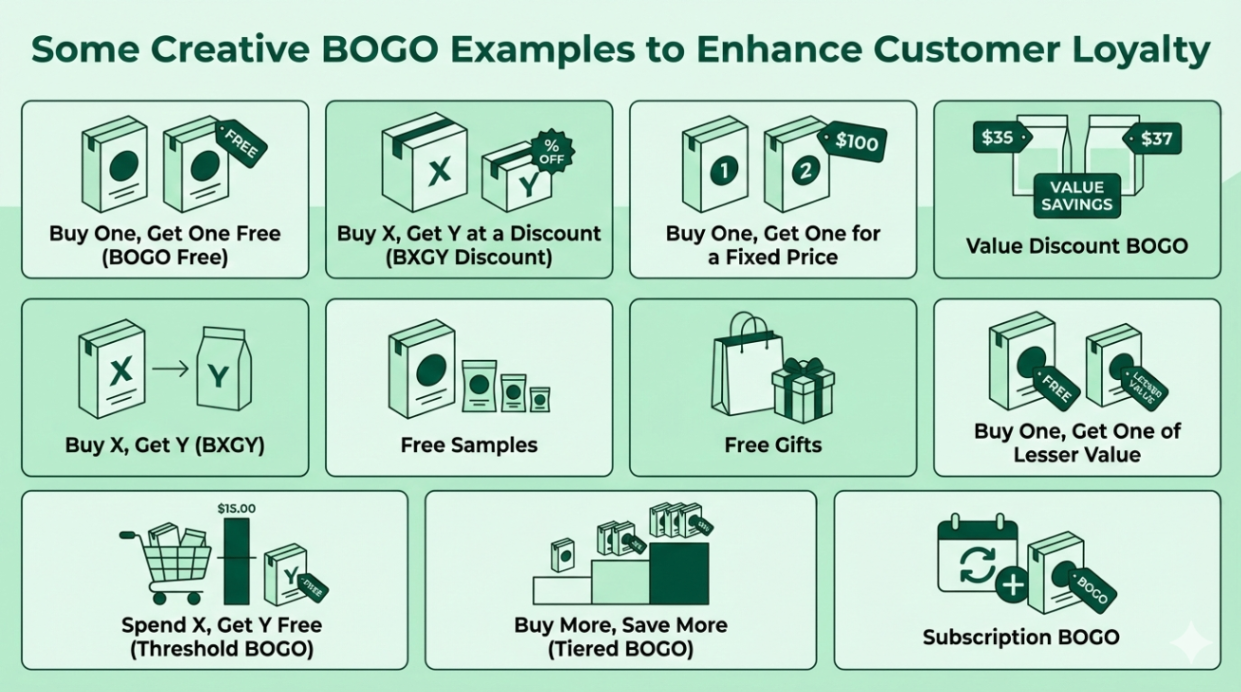
To truly enhance customer loyalty, your BOGO offers need to feel fresh and valuable. Moving beyond the standard formula with creative BOGO examples can capture attention and make shoppers feel uniquely rewarded. These promotions are excellent for driving short-term sales and can be strategically used to build lasting relationships with your customer base.
By tailoring your deals, you can guide purchasing behavior, introduce new products, and create excitement. Whether promoted on social media or via an email blast, a well-designed BOGO is a direct path to boosting sales and strengthening brand affinity. Let's explore several types of BOGO promotions that accomplish these goals.
The most recognizable BOGO promotion is the classic "Buy One, Get One Free" deal. In this model, a customer purchases one item at its full price and receives a second, identical item completely free. It's one of the most straightforward and appealing classic deals you can offer.
This approach works exceptionally well for specific types of inventory. It is highly effective for:
When supported by clear visuals, limited-time messaging, and strong calls to action, email campaigns can significantly boost conversions. The appeal of receiving a completely free item creates urgency and encourages shoppers to stock up, driving immediate sales impact.
A versatile alternative to the classic BOGO is the "Buy X, Get Y at a Discount" (BXGY) promotion. With this marketing strategy, a customer who buys a certain number of items (X) gets another item (Y) at a discounted price. This provides a good deal for the shopper while protecting your profit margins more effectively than a completely free offer.
This sales promotion is ideal for encouraging customers to increase their order size. For example:
This type of offer is particularly effective for products that customers might purchase in multiples, such as apparel, consumables, or beauty products. It feels like a substantial discount and encourages shoppers to explore more of your product line to unlock the deal.
Another creative BOGO variation is to offer the second item at a fixed price instead of free or with a percentage discount. This approach gives you greater control over your margins while still presenting a compelling deal to customers. The simplicity of a fixed price can be very attractive.
Consider these examples of a fixed-price BOGO:
This structure is highly effective for increasing sales volume, especially for items with predictable costs. It encourages multi-unit purchases by making the cost of the second item seem negligible. The customer feels they are getting a great bargain, while you can precisely calculate the promotion's financial impact.
The value discount BOGO offers customers a specific dollar amount off a second item. Instead of a percentage, the discount is a fixed monetary value, which can often feel more tangible and appealing to shoppers. This makes it a good deal for customers looking for clear, upfront savings.
This type of offer is particularly useful for higher-priced items where a percentage might seem abstract. Examples include:
The position of this offer is strategic; it encourages the purchase of multiple high-ticket items and can help clear the inventory of related products. It provides a clear incentive for customers to increase their spending while knowing exactly how much they are saving.
The "Buy X, Get Y" (BXGY) promotion is a highly flexible structure where purchasing a specific product or quantity (X) unlocks a different item (Y) for free or at a discount. This is a fantastic way to encourage product discovery and introduce customers to complementary items.
This strategy enhances customer engagement by creating curated deals. For instance:
The second item acts as a bonus that adds value to the primary purchase. This model is perfect for bundling related products, moving slower-selling stock by pairing it with a bestseller, or simply rewarding customers with a surprise gift.
Offering free samples with a purchase is a subtle yet highly effective BOGO strategy that excels at product discovery. While not a traditional "buy one, get one" deal, this free promotion rewards customers and introduces them to new products they might not have tried otherwise.
This is an excellent idea for small businesses looking to grow their customer base. Examples include:
This strategy allows customers to experience new products without any risk, which can lead to full-sized purchases in the future. It's a low-cost, high-impact way to build excitement and show customers you value their business by giving them a little something extra.
Offering gifts with a qualifying purchase is a powerful incentive that can strengthen your connection with your customer base. This type of promotion makes customers feel valued and can be a key component of a successful loyalty program, encouraging repeat purchases.
This strategy works well for rewarding larger orders or specific product purchases. Consider these ideas:
Unlike a discount, a physical gift feels like a tangible reward. For small businesses, this is a creative way to compete with larger retailers. The gift is often a lower-cost item that enhances the main purchase, creating a memorable experience that drives customers to return.
The "Buy One, Get One of Lesser Value" BOGO is a smart way to offer a good deal while protecting your total revenue. With this structure, the customer's free or discounted item must be of equal or lesser value than the item purchased at full price. This prevents customers from getting your most expensive item for free.
This is a common and effective approach in retail, especially for stores with a wide range of price points.
This BOGO variation allows you to run a store-wide promotion without risking significant losses on high-margin products. It encourages shoppers to browse your entire collection to find the perfect combination, often leading to increased cart sizes and a healthier bottom line.
A Threshold BOGO, or "Spend X, Get Y Free," ties the reward to the total cart value rather than a specific product. This is an extremely effective strategy for increasing the average order value (AOV) as it motivates shoppers to add more items to their cart to unlock the free item.
This promotion is easy for customers to understand and act on. Examples include:
By setting the spending threshold strategically above your current AOV, you can nudge customers to spend a little more than they originally planned. This method boosts sales and AOV without devaluing your core products, as it focuses on the total purchase amount rather than a discount on a single item.
The "Buy More, Save More" model, also known as a Tiered BOGO, rewards customers with increasing discounts as they purchase larger quantities. This is a powerful incentive for customers to stock up on products they love, directly boosting sales volume and average order value.
This tiered structure gamifies shopping and provides clear value at each level. For example:
This strategy works exceptionally well for consumables, everyday essentials, or apparel, where buying in multiples is common. It encourages customers to buy more than they might have otherwise, making it a win-win: they get a better price per item, and you increase your overall revenue per transaction.
A Subscription BOGO is a strategic promotion designed to acquire long-term customers by offering an incentive for signing up for a recurring delivery service. This is an excellent way to secure repeat business and build a predictable revenue stream.
This type of offer provides immediate value to new subscribers, increasing customer satisfaction from the start. Examples of subscription BOGO deals include:
By front-loading the value, you reduce the friction customers face when committing to a subscription. This not only boosts initial sign-ups but also builds a loyal customer base you can engage through future promotions, ensuring long-term growth for your brand.
Also Read: Bogos vs EasyGift: Which Offers Better Deals for You?
Many major brands have successfully used buy-one, get-one promotions to drive sales and excitement. Companies like Starbucks, Domino’s, and Famous Footwear have made this strategy a key part of their promotional calendar, often using coupons to track redemptions and boost engagement.
They understand the psychological appeal of a BOGO offer and use it to create urgency, move inventory, and reward loyal customers through seasonal campaigns and loyalty-driven perks.

Source: Starbucks
Starbucks is a master of the limited-time BOGO event, especially during seasonal shifts like the launch of its holiday or fall menus. These events create a powerful sense of urgency, encouraging customers to visit within a specific, often short, timeframe to get their free item.
These promotions are heavily advertised on social media and through the Starbucks app, generating significant buzz. Key elements of their strategy include:
By making the offer exclusive and time-sensitive, Starbucks turns a simple BOGO into a can't-miss event. This not only boosts sales on the day of the promotion but also deepens customer engagement with their seasonal product line.
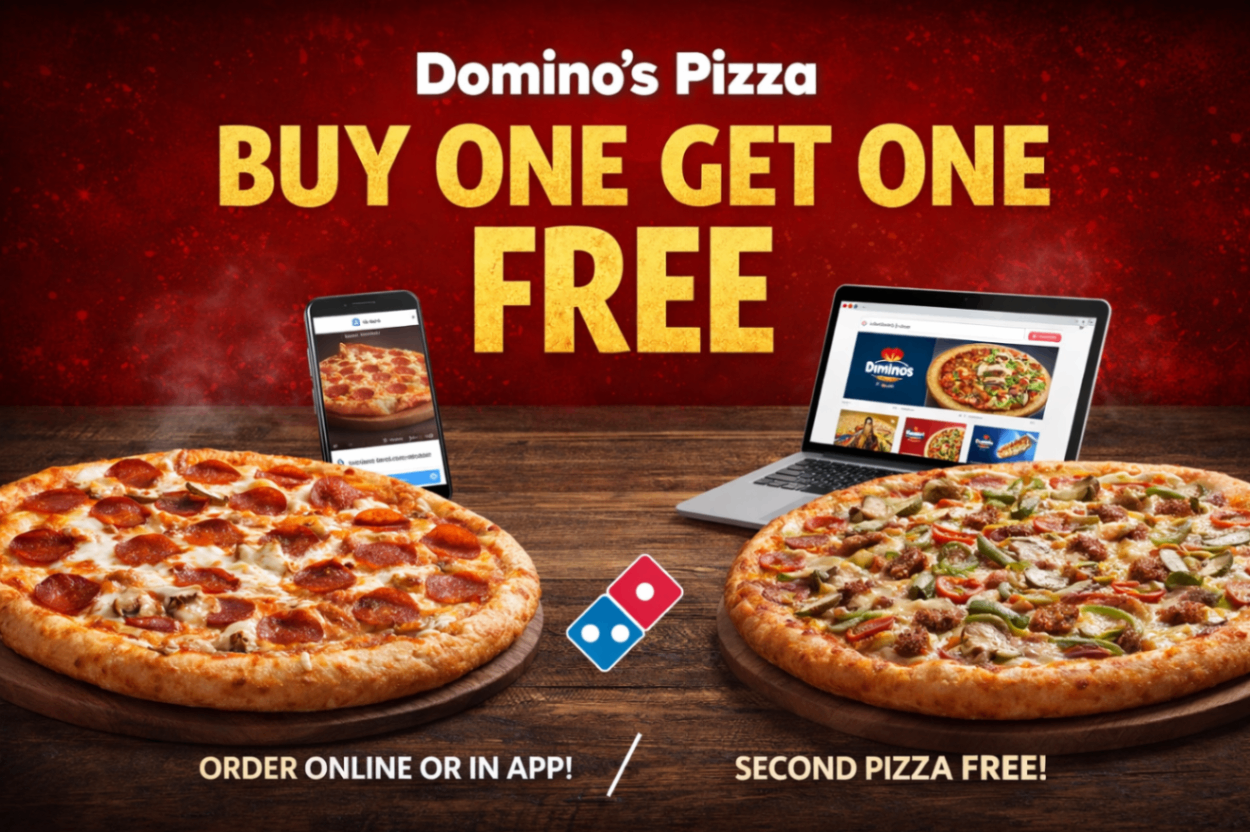
Source: Domino's
Domino's Pizza frequently uses BOGO campaigns to boost sales and attract new customers. A popular and recurring offer is their "Buy one pizza, get one free" deal, which is a great deal for families, groups, or anyone looking for an easy meal solution.
The promotion is typically straightforward: buy any medium or large pizza at full price and get a second one of equal or lesser value for free. This strategy is effective for several reasons:
Domino's markets these deals heavily through TV commercials, online ads, and its app, reinforcing the message that it offers exceptional value. This consistent approach has made their BOGO offers a well-known and highly effective sales driver.
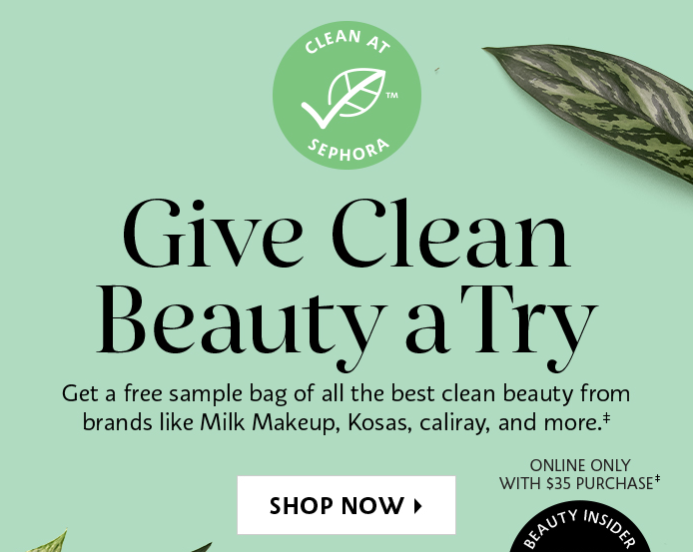
Source: Sephora
Sephora integrates BOGO-style offers into its Beauty Insider loyalty program to reward its most dedicated shoppers. Instead of a classic BOGO, Sephora often provides deluxe free samples or full-size products when customers reach a certain spending threshold.
These promotions are a key perk of their loyalty program and are highly effective at encouraging customers to consolidate their beauty spending at Sephora. Their offers often include:
This strategy allows customers to try new skincare products or makeup, which can lead to future purchases. By tying these offers to their loyalty program, Sephora not only drives sales but also strengthens customer relationships and encourages repeat business.
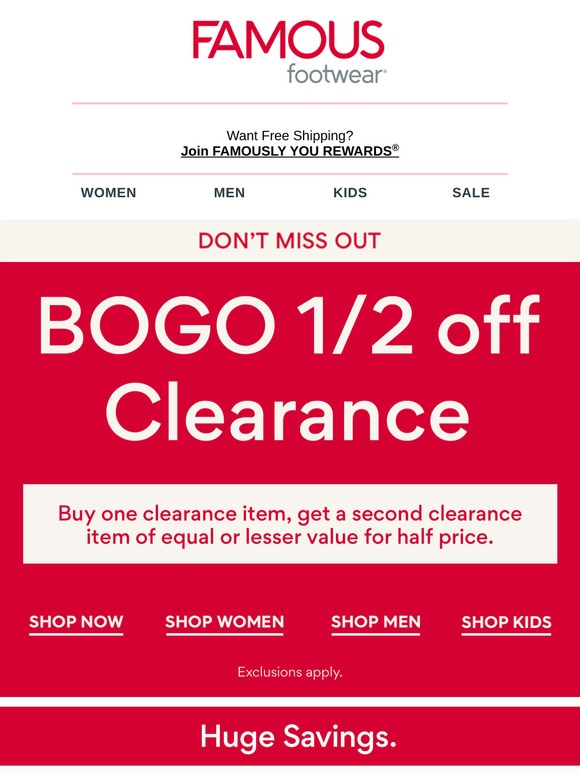
Source: Famous Footwear
Famous Footwear is well-known for its BOGO clearance events, most famously "Buy one pair, get one 50% off." This promotion is a cornerstone of their marketing and is incredibly effective at helping them clear inventory and drive sales volume.
The offer is simple and applies to a wide selection of shoes, making it appealing to a broad audience. The structure of the deal is designed to:
This BOGO strategy works because customers perceive it as a great opportunity to save money on a necessary purchase. By running these events regularly, Famous Footwear has trained its customers to look for these deals, ensuring consistent foot traffic and sales.
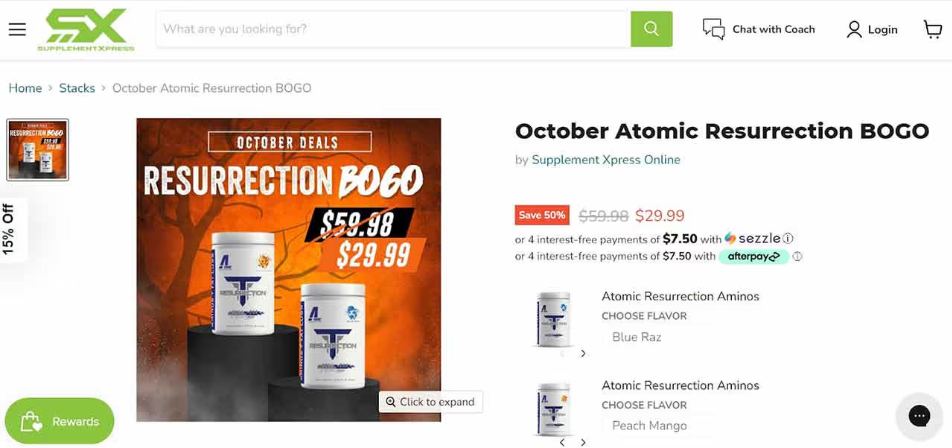
Source: Supplement X
Supplement Xpress, a nutritional supplement retailer, leverages impactful BOGO tactics to drive high conversion rates. A common promotion they run is "Buy One, Get One at 50% Off," which provides exceptional value to customers who regularly purchase supplements.
This type of offer is particularly effective in the health and wellness industry. It works because:
By frequently running these special offers, Supplement Xpress encourages repeat purchases and builds loyalty among its customer base. The lure of a second supplement at a steep discount is a powerful motivator, ensuring shoppers feel they are getting the best possible price on products they already need.
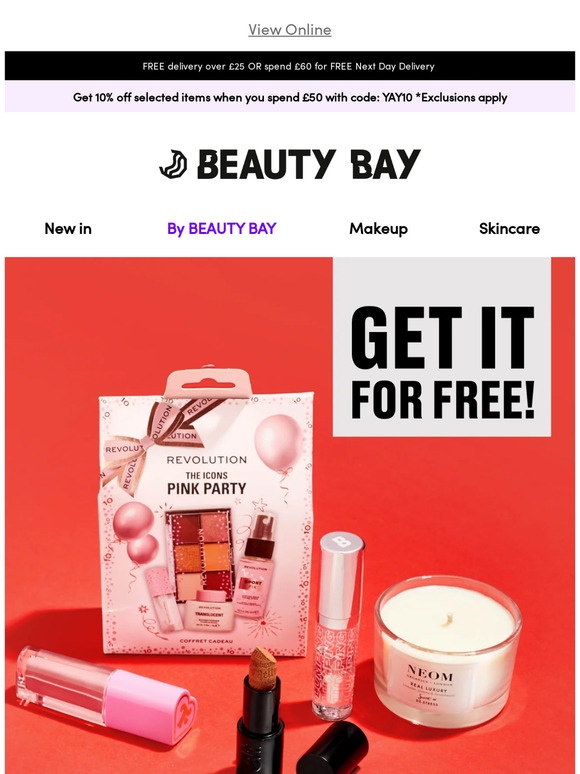
Source: Beauty Bay
Beauty Bay often runs BOGO promotions that include a complimentary product with the purchase of an item from a specific category. This strategy is highly effective for increasing sales volume and introducing customers to new products or brands.
These promotions are heavily promoted on social media to reach their target audience of beauty enthusiasts. A typical offer might be:
This approach not only boosts the visibility and sales of those specific products but also adds significant value to customers' purchases. It's a smart way for Beauty Bay to partner with brands, move inventory, and create exciting, limited-time offers that resonate with their shoppers.
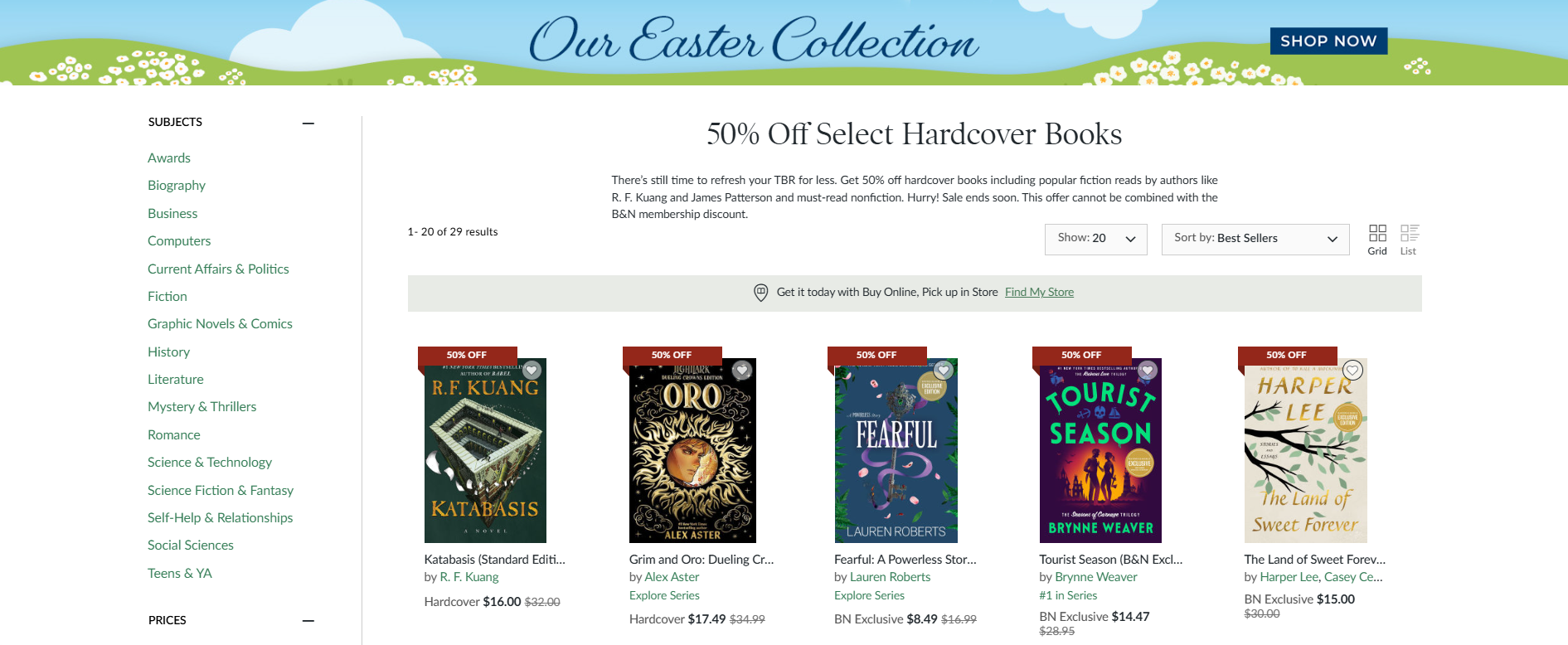
Source: Barnes & Noble
Barnes & Noble frequently uses BOGO deals to entice readers of all ages, especially during peak shopping seasons like Black Friday. A common promotion is "Buy one book, get another at 50% off," which is a powerful incentive for book lovers to expand their libraries.
These promotions are often time-limited, creating a sense of urgency. The deals can be structured in several ways:
By offering a discount on a second book instead of a free item, Barnes & Noble protects its margins while still providing a compelling reason to purchase multiple titles. This strategy is particularly effective during the holidays when customers are looking for gifts.

Source: HealthKart
HealthKart, a health and wellness retailer, uses multi-layered BOGO promotions during special events to drive significant foot traffic and online sales. Their offers often combine multiple discounts to create irresistible deals for customers.
An example of their BOGO strategy includes:
This complex yet highly attractive offer creates significant buzz and encourages customers to act quickly. By stacking discounts, HealthKart makes shoppers feel like they are getting an unparalleled deal without any perceived extra cost, which is a powerful motivator during promotional periods.
Also Read: How Calitron Boosted Revenue and AOV with Smart Bundling
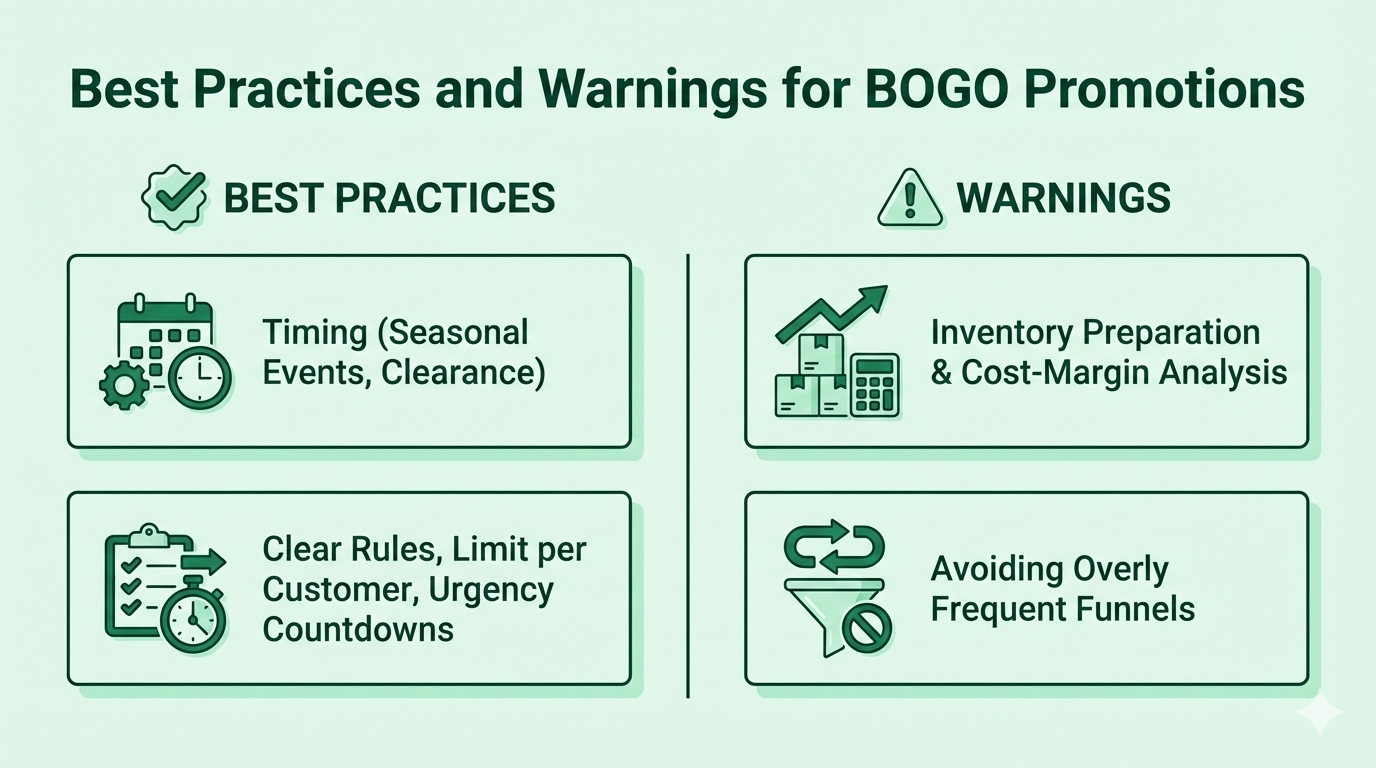
While BOGO promotions can be incredibly effective, they require careful planning to be successful. Following best practices is essential to ensure your campaign aligns with your business goals and doesn't negatively impact your profitability. This includes setting clear rules, preparing your inventory, and analyzing the costs.
Without a solid strategy, BOGO deals can lead to inventory shortages, customer confusion, or even financial losses. The following sections will explore key considerations for timing, rule-setting, and financial analysis to help you run a profitable and smooth promotion.
The timing of your BOGO promotion is a critical component of its success. Aligning your special offers with key moments in the retail calendar can dramatically increase their impact and relevance to your customers.
A strategic marketing approach involves launching BOGO campaigns during these key periods:
Seasonal Events: Holidays like Black Friday, Valentine’s Day, or back-to-school are ideal, as customers are already in a buying mindset.
Clearance: Use this strategy to clear out end of season or slow-moving stock and make room for new inventory.
By planning a BOGO at the right time, you tap into existing consumer demand and behavior. When executed strategically, it feels like a special event rather than just another random discount, making the promotion far more compelling.
To ensure your BOGO promotion runs smoothly and is perceived as a good deal, you must establish clear and simple rules. Confusion can lead to abandoned carts and frustrated customers, so make the terms of the offer impossible to misunderstand.
Incorporate these elements to maximize effectiveness and create a sense of urgency:
Clear communication builds trust and ensures a positive customer experience. When shoppers know exactly what to do to get the deal and feel a gentle push to act now, your conversion rates are likely to soar.
Proper inventory management and a thorough cost-margin analysis are non-negotiable for a successful BOGO campaign. Before launching, ensure you have enough stock to meet anticipated demand, as running out of products mid-promotion can damage your brand's reputation.
Equally important is understanding the financial impact on your profit margins. A cost-margin analysis will help you determine if the promotion aligns with your business goals. Calculate the cost of the free or discounted items against the potential increase in sales volume. This ensures that the BOGO deal is profitable and sustainable.
While BOGO offers are powerful, running them too frequently can weaken brand value and train customers to wait for discounts. Overuse of this strategy may reduce perceived full price value and hurt long-term engagement.
To avoid this, businesses should use BOGO selectively within their sales funnel. Best practices include:
When positioned as a limited-time event rather than a routine discount, a BOGO campaign maintains brand integrity and remains an effective driver of repeat purchases. This balanced approach protects margins while keeping customers interested and engaged.
Also Read: How a Premier Portuguese Winery Cultivated a +16.80% AOV Lift.
Kefi's Product Bundle Builder helps you increase AOV specifically by structuring smart BOGO promotions that encourage customers to buy more in a single transaction. Instead of running flat discounts, you can create strategic buy-one, get-one offers that motivate shoppers to add an extra item to unlock the deal. Discounts are applied automatically at checkout, ensuring a smooth and seamless experience.
You can also manage inventory effectively during high-demand BOGO campaigns to prevent overselling. Built-in tracking lets you measure the additional revenue each promotion generates. With easy integration and no complex setup, Kefi makes it simple to launch BOGO strategies that grow order value while protecting your margins.
Book a Demo to see how Kefi Product Bundle Builder works.
Implementing a well-planned BOGO promotion can significantly boost customer loyalty and drive higher sales. By understanding different buy-one-get-one formats and learning from successful brand examples, businesses can craft offers that truly resonate with their audience. Clear communication, strategic timing, and the right technology are essential to maximize results. Solutions like Kefi Product Bundle Builder simplify setting up flexible buy-one-get-one campaigns without added complexity. When executed thoughtfully, this strategy not only attracts new customers but also strengthens long-term relationships and supports sustainable growth.
A BOGO deal is a promotion in which purchasing one item at full price entitles you to receive a second item free or at a discount. Common formats include “Buy One, Get One Free” and “Buy One, Get 50% Off.” Often redeemed through coupons, it’s a popular way to create a strong value perception for customers.
Customers often misunderstand the conditions of BOGO deals. For example, they may not realize that the free item must be of equal or lesser value, or that the offer applies only when they buy a specific quantity (buy X). This confusion can undermine the sense of urgency and lead to abandoned carts if the rules aren't clear.
"Buy one, get one free" is a sales promotion in which you purchase one item at its full price and receive a second identical item for free. Unlike a regular discount that reduces the price of one item, this deal doubles the quantity you receive for the price of one.
Beyond classic BOGO deals, brands use several variations to increase impact and flexibility. These include tiered offers like “Buy More, Save More,” threshold promotions such as “Spend $50, Get a Free Gift,” and conditional deals that unlock a different item when a specific product is purchased. Such variations add value without a high extra cost and make the overall sales promotion more targeted and effective.
Major brands often use BOGO promotions to drive sales and traffic. Famous Footwear’s “Buy One, Get One 50% Off,” Starbucks’ seasonal offers, and Domino’s pizza deals all use this strategy to create strong value and boost revenue.
Small businesses can use creative BOGO ideas like free samples with purchase, subscriber-only social media offers, or mystery bundles. These tactics increase engagement and help customers discover more products.
To protect profit margins, use BOGO offers on lower-value items, or require aminimum spendd to increase average order value. Tying the deal to overstocked items improves inventory management. This boosts sales volume while controlling the financial impact of the discount.
.svg)
