Are you looking for ways to grow your revenue without constantly searching for new customers? Effective upselling strategies can significantly boost your sales by maximizing the value of each transaction. It’s not about a forceful sales pitch; it’s about understanding customer needs and offering valuable product recommendations at the right time. By suggesting a premium version or a relevant upgrade, you can enhance the customer’s purchase and drive more revenue. This guide will explore what upselling is and how you can use it to achieve retail success.
Upselling is a sales technique where a seller persuades a customer to purchase a more expensive item, an upgrade, or an add-on to generate a more profitable sale. The core idea is to "up the sale" by highlighting a higher-end version of the product the customer is already considering. This strategy hinges on recognizing upsell opportunities that genuinely align with customer needs, ensuring the recommendation adds real value to their purchase rather than just increasing the price.
Distinct from cross-selling, which involves recommending complementary products, upselling focuses on a better version of the same product. For instance, if a customer is buying a basic laptop, an upsell would be to suggest a model with more storage and a faster processor. These sales strategies work best when the recommended upgrade directly addresses a potential need, making the customer feel understood and well-served. Tools like Kefi Product Bundle Builder make implementing upsells seamless by creating attractive bundle offers that effortlessly increase average order value.

Implementing a smart upselling strategy provides numerous advantages beyond just an immediate revenue bump. By offering upgrades that genuinely improve their experience, you build trust and can significantly increase customer lifetime value. Let's examine these benefits in more detail.
Upselling directly increases your average order value (AOV) by encouraging customers to purchase slightly higher-priced, higher-value items. This approach raises transaction totals without needing new buyers, making it more cost-effective than acquisition. For example, during checkout, a customer buying a standard digital camera might see an offer for a model with a better lens at a small additional cost. By highlighting the enhanced benefits rather than using a pushy pitch, customers are more likely to accept the upgrade, boosting both AOV and revenue.
Thoughtful upselling can improve the customer experience by guiding buyers to products that better meet their needs. The key is relevance; recommendations should feel personalized rather than pushy. For instance, suggesting a premium running shoe with better support when a customer buys basic shoes shows you understand their needs. This approach builds trust, makes customers feel valued, and transforms shopping from a simple transaction into a more consultative, satisfying experience.
Upselling improves profit margins because higher-priced items often carry better margins. Persuading existing customers to spend slightly more is far more efficient than acquiring new ones. A small increase across many transactions can significantly boost overall revenue. Consistently offering valuable upgrades creates a steady stream of higher-margin sales, supporting sustainable financial growth and improving overall business profitability.
A successful upsell builds long-term customer loyalty by helping buyers find products that better suit their needs. Satisfied customers are more likely to return, increasing customer lifetime value (CLV). Consistently providing value transforms one-time buyers into loyal advocates. Customers who feel confident in their purchase are less likely to switch to competitors, making upselling an essential tool for retention and long-term revenue growth.
Also Read: Cross Sell vs Upsell: Which Strategy Works Better?
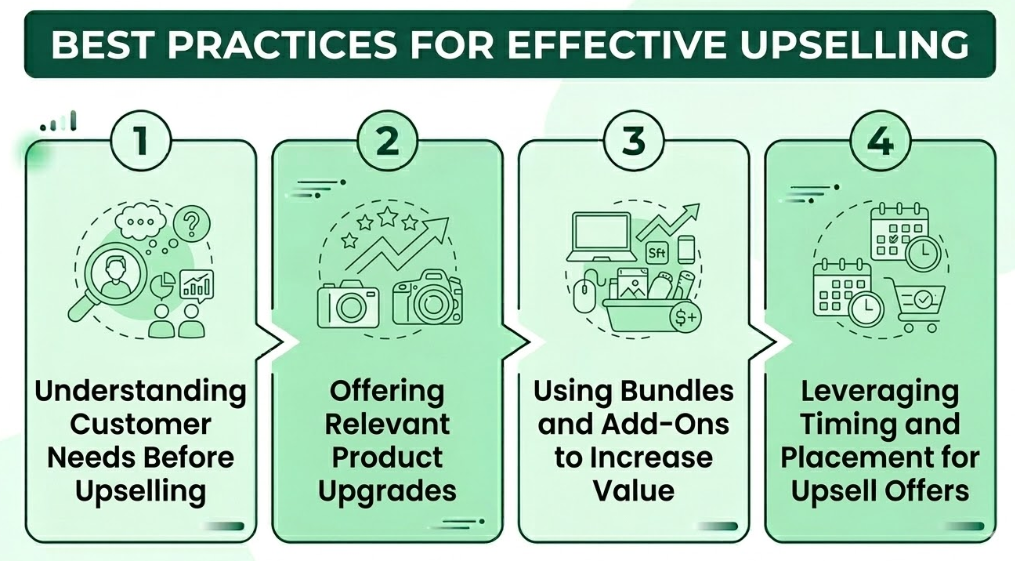
To achieve the best results with your upselling strategies, you need a thoughtful approach. It’s not about making a generic sales pitch but about providing genuine value. By aligning your upsell suggestions with their needs, you can increase conversion rates without being perceived as aggressive. Below are some best practices to help you create an effective upselling framework.
The foundation of any successful upsell is a deep understanding of the customer’s needs. Before recommending a better product, you must know what the customer is trying to achieve. Analyzing their behavior, such as the products they view or add to their cart, provides valuable insights.
Leveraging data like purchase history helps identify patterns and preferences. For example, a customer who previously purchased eco-friendly items may respond positively to a premium sustainable option. By tailoring offers based on these insights, you can recommend upgrades that feel relevant and helpful. This increases the likelihood of a higher-order value while strengthening customer trust in your brand.
For an upsell to succeed, it must be relevant to the customer’s original purchase intent. Recommending an upgraded version that improves the same product experience is far more effective than suggesting something unrelated. For example, if someone is buying a basic coffee maker, offering a version with a built-in grinder or timer is a logical upgrade. These additional features enhance the original product without changing its purpose.
Unlike cross-selling, which suggests complementary items, upselling focuses on presenting a better version of the same product. Keeping recommendations relevant makes the offer feel helpful rather than intrusive.
Product bundles and add-ons are effective upselling methods because they highlight additional value. Instead of simply recommending a higher-priced item, bundles combine products or features into one convenient offer. For example, a software company might present a bundle that includes advanced features and priority support for a slightly higher price than the basic plan.
This approach shifts the focus from spending more to gaining more benefits. Well-designed bundles simplify decision-making while encouraging customers to increase their order value.
The success of an upsell often depends on when and where it appears in the customer journey. Introducing an upgrade too early may overwhelm shoppers, while presenting it too late can reduce its impact.
One effective moment is on the product or checkout page, after the customer has already decided to purchase. At this stage, they are more open to suggestions that enhance their order. Post-purchase upsells can also work well, especially through follow-up emails offering a limited-time upgrade. Testing different placements and timings helps determine what drives the best results.
Also Read: What are the Top Post Purchase Upsell Strategies?
Innovative upselling is all about creatively presenting upgrades in a way that feels natural and beneficial. From tech giants to fast-food chains, successful brands have mastered the art of identifying upsell opportunities and integrating them seamlessly into the customer experience, in both B2B and B2C contexts. Here are some standout examples from various industries.
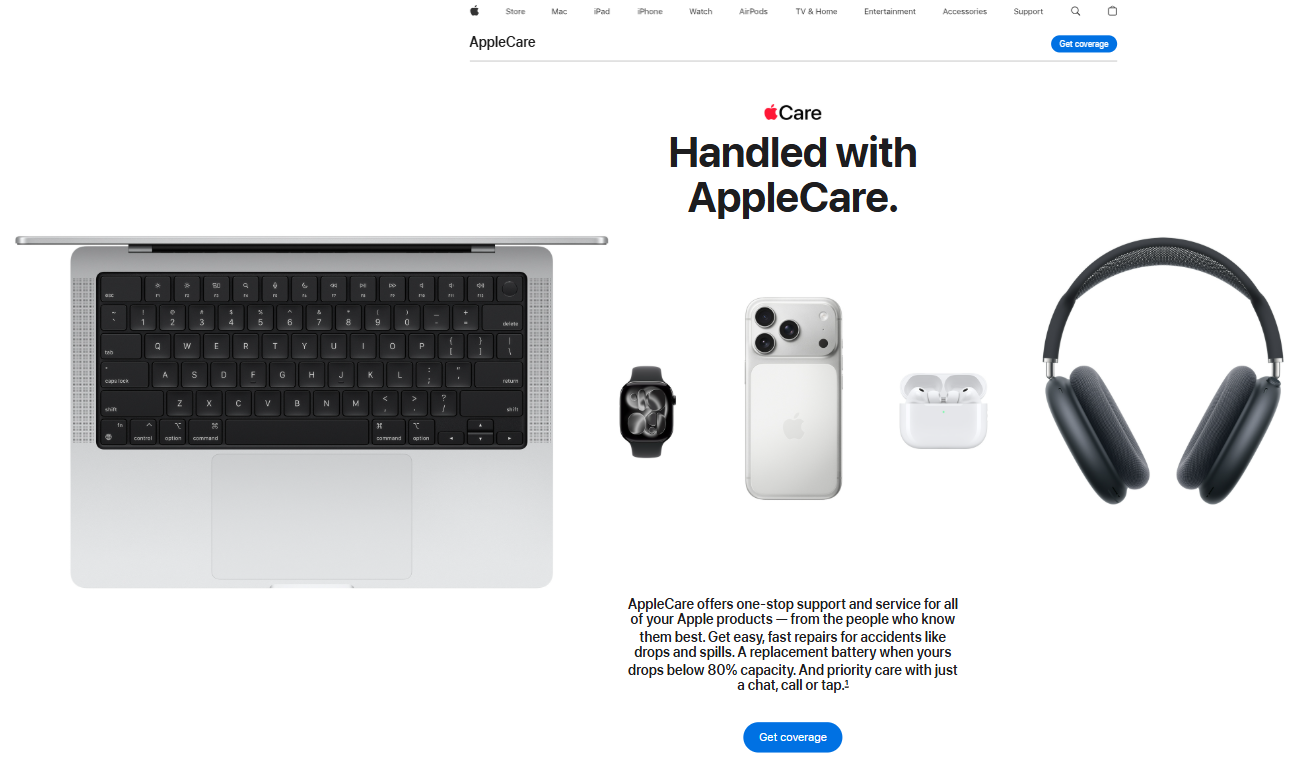
Source: Apple’s AppleCare
Apple’s approach to AppleCare+ is a classic, highly effective upsell example that small business owners can learn from. When a customer decides to buy an expensive product like an iPhone or MacBook, they are already making a significant investment. Apple capitalizes on this moment by offering an extended warranty and technical support plan.
This is not presented as just another product, but as a way to protect their newly purchased, valuable item. The product recommendation for AppleCare+ provides peace of mind, an intangible but powerful benefit. It’s an upsell of additional services rather than an upgrade to the hardware itself.
Small businesses can replicate this by offering extended warranties, premium support packages, or installation services for their products. The key is to frame the upsell as a service that enhances and protects the customer's original purchase, making it an easy and logical addition.

Source: Amazon
While Amazon’s “Frequently Bought Together” feature is a prime example of cross-selling, the principle behind it can inform upselling strategies. This feature uses data to suggest related products that customers often purchase with the item they are viewing. For example, it might suggest a camera case and memory card to someone buying a new camera.
This tactic works because it feels like a helpful suggestion based on other shoppers' behavior. It simplifies the discovery of complementary products and often increases the average order value. The social proof implied that others buy these items together, making the recommendation more trustworthy.
To adapt this for upselling, you could use a similar module titled "Customers Also Upgraded To" to show a more premium version of the product. By suggesting a better alternative that other buyers have chosen, you can guide customers toward a higher-value purchase.
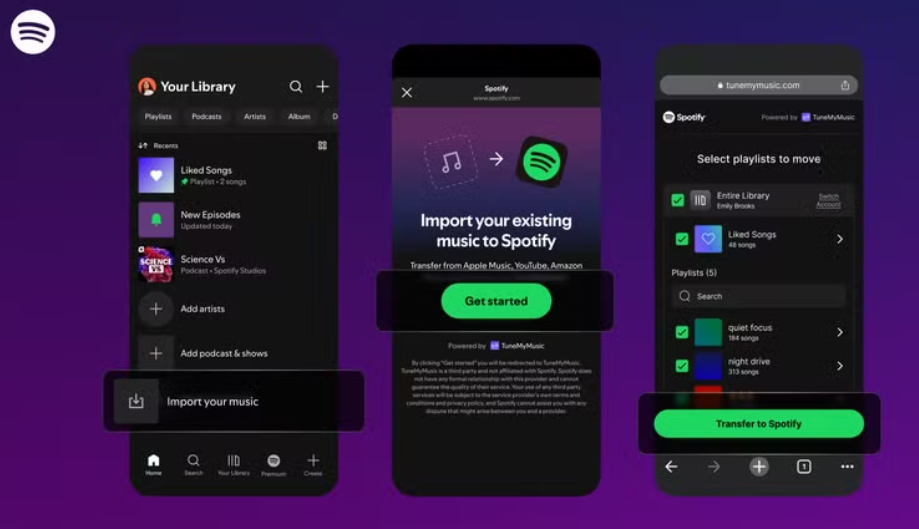
Source: Spotify
Streaming services like Spotify are masters of upselling. They typically attract users with a free or basic plan and then continuously highlight the benefits of upgrading to a premium version. This often starts with a free trial of the paid tier, allowing users to experience the advanced features firsthand.
These features often include an ad-free experience, offline downloads, higher-quality streaming, and access to more content. The strategy relies on the principle of loss aversion: once users become accustomed to the premium experience, they are reluctant to return to the limitations of the free plan.
The more expensive option is positioned as the definitive way to enjoy the service. By clearly communicating the value of the advanced features and letting users try them out, streaming platforms create a powerful incentive to upgrade, turning free users into paying subscribers.

Source: Microsoft Office
Microsoft effectively uses upselling in its software offerings, particularly with Microsoft 365. While a customer might initially look for a single application like Word or Excel, Microsoft makes a compelling case for purchasing the entire suite. They position the suite as a more cost-effective solution than buying individual programs.
Furthermore, they offer different tiers, such as Personal, Family, and Business plans. Product recommendations are tailored to the user's likely needs. For example, the Family plan is an upgraded version of the Personal plan, offering access for multiple users and more cloud storage, highlighting shared benefits and savings.
The upsell focuses on providing a comprehensive solution with advanced features that a single application cannot offer. By demonstrating the superior value and utility of the complete suite or a higher-tier option, Microsoft encourages customers to choose a more expensive, feature-rich option.

Source: McDonald’s
The classic phrase, “Would you like to make that a large?” is one of the most recognizable upselling examples in the world. McDonald's has built this simple yet effective strategy into its sales process. When a customer orders a meal, the cashier immediately suggests upgrading the fries and drink for a small extra cost.
This works because the perceived value is high for a minimal price increase. The customer gets more of what they already want, making the decision to accept the meal upgrades quick and easy. It’s not about pushing additional items they didn’t intend to buy, but enhancing the ones they have already chosen.
This tactic is brilliant in its simplicity. The minimal extra cost makes the offer highly appealing, and the qphrasingmakes it a natural part of the conversation. It's a low-friction upsell that significantly boosts the value of millions of transactions daily.
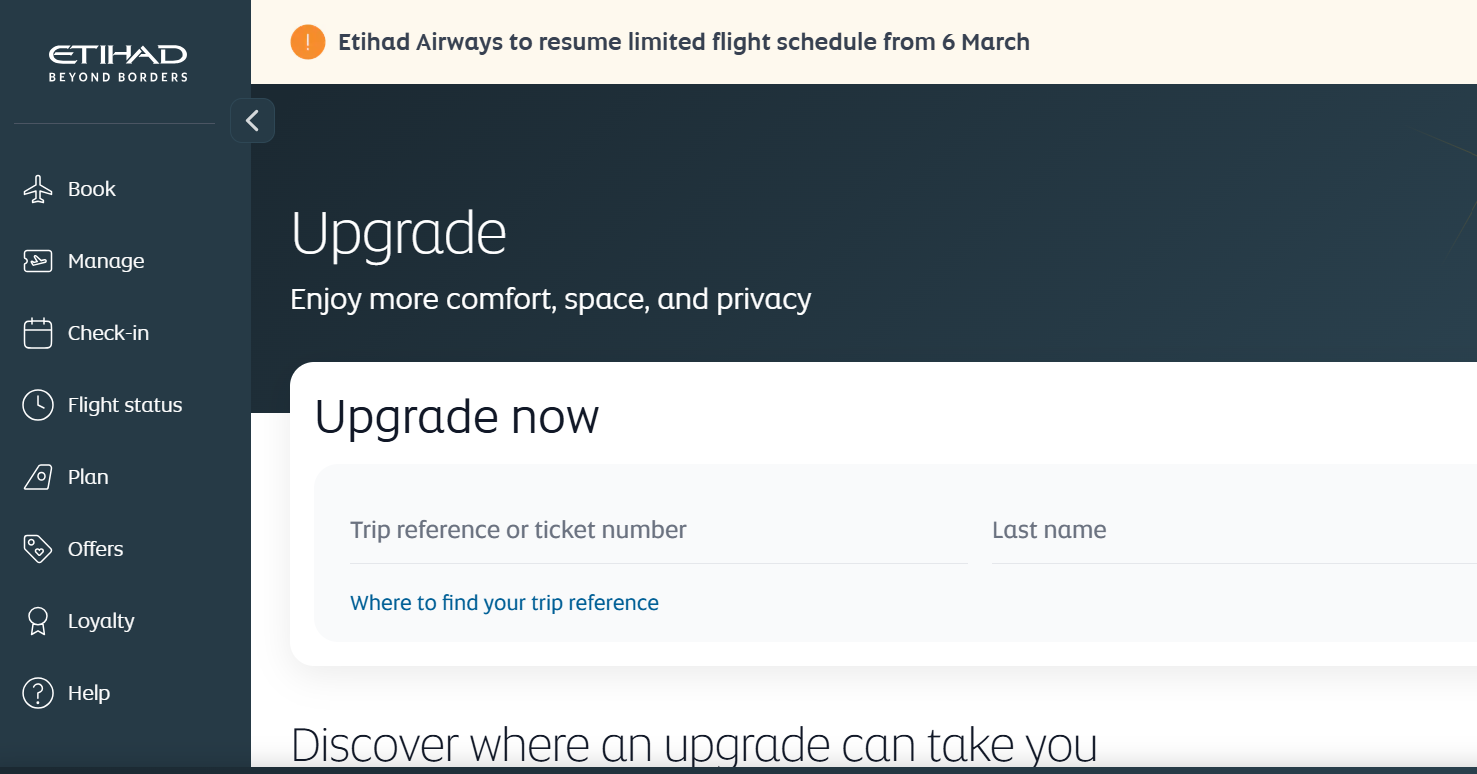
Source: Etihad
Airlines have become experts at upselling to generate ancillary revenue. One of their most common tactics is offering seat upgrades. During the booking process or at check-in, customers can choose to move from a standard economy seat to one with more legroom, or upgrade to business or first class.
These offers are presented to enhance comfort and improve the travel experience. For a long flight, the appeal of more space or better service can be very persuasive. The airline frames the more expensive product, the upgraded seat, as a solution to the discomfort of standard air travel.
This strategy not only increases revenue but can also improve customer satisfaction. Passengers who choose to upgrade often feel they got a better value and a more pleasant journey. These seat upgrades are a key part of how airlines maximize revenue from each passenger.
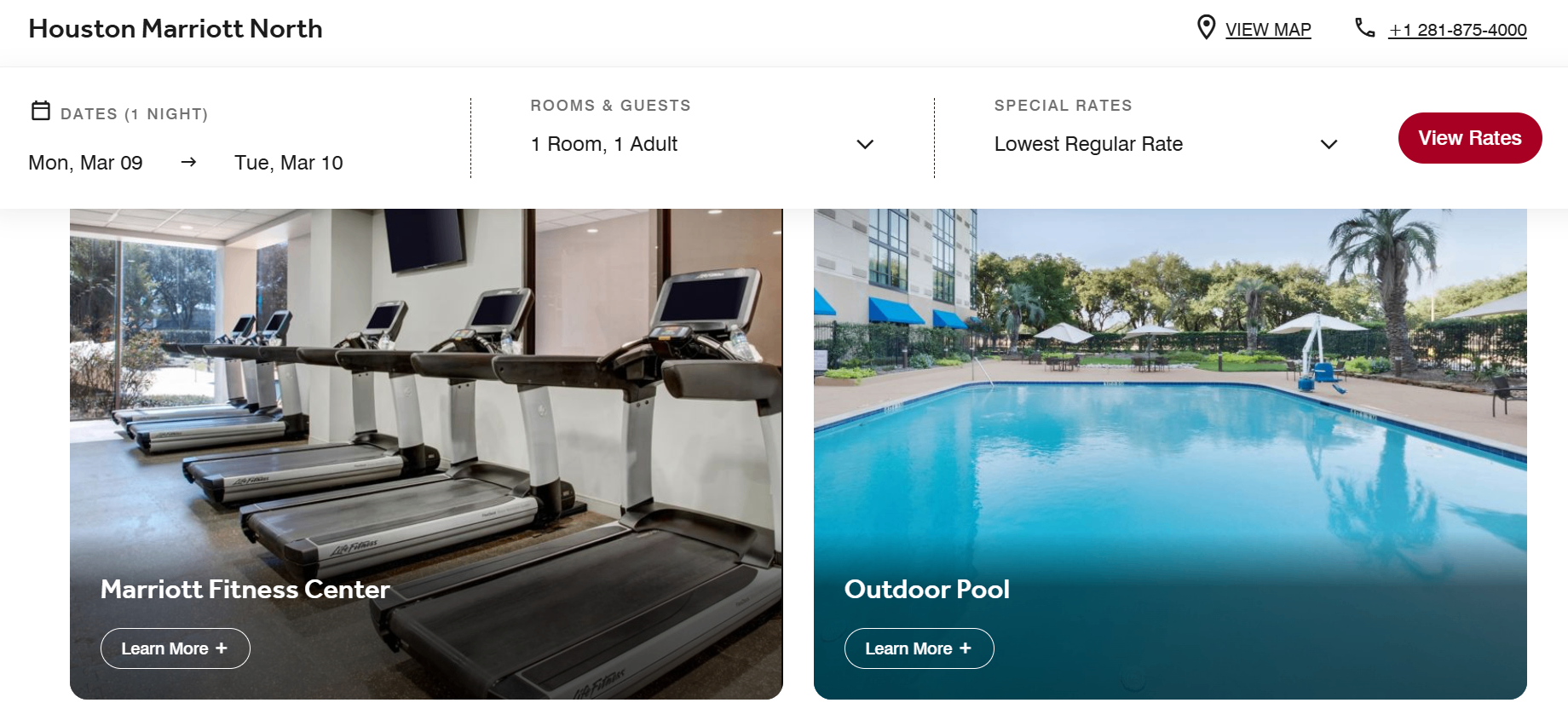
Source: Marriott
Hotels frequently use upselling to increase revenue and enhance guest satisfaction. A common example is offering room upgrades at the front desk during check-in. A guest who booked a standard hotel room might be offered a suite with a better view, a larger bed, or a jacuzzi for a nominal fee.
The added value is clear and immediate. For a relatively small price increase, the guest can significantly improve their stay. Hotels also upsell through packages that include complimentary breakfast, spa access, or late checkout. These enhancements are designed to make the stay more comfortable and luxurious.
This type of hotel upselling benefits both the business and the customer. The hotel increases its revenue per booking, while the guest enjoys a more memorable experience. By focusing on offers that genuinely improve the stay, hotels can boost guest satisfaction and encourage positive reviews and repeat business.
Source: Explore America
When booking travel plans, customers are often presented with numerous upsell opportunities. Tour operators and travel agencies are skilled at suggesting additional services that enhance the overall trip. This can include anything from travel insurance to "exclusive" experiences like private tours or VIP passes.
For example, a customer booking a standard city tour might be offered an upgraded version that includes a meal at a famous restaurant or skip-the-line access to popular attractions. These add-ons are framed as ways to make the trip more convenient, enjoyable, and memorable.
Each of these additional services adds to the booking's total order value. By bundling premium experiences or essential services, such as insurance, into initial travel plans, companies can significantly increase revenue while providing customers with a more comprehensive, stress-free vacation package.

Source: Hola Car Rentals
The rental car industry heavily relies on upselling. When a customer reserves a standard economy rental car, they are almost always offered an upgraded version upon arrival at the counter. This could be a larger sedan, a luxury model, or an SUV for a small additional cost per day.
The upsell is often positioned as a way to get more comfort, space, or a better driving experience. Companies also upsell add-ons like GPS navigation systems, satellite radio, and various insurance packages. Each of these items increases the total cost of the rental.
While some customers stick with their original choice, many are persuaded to opt for the upgraded version, especially if the price difference seems reasonable. This strategy is a core part of the rental car business model, designed to maximize the revenue from every single customer.
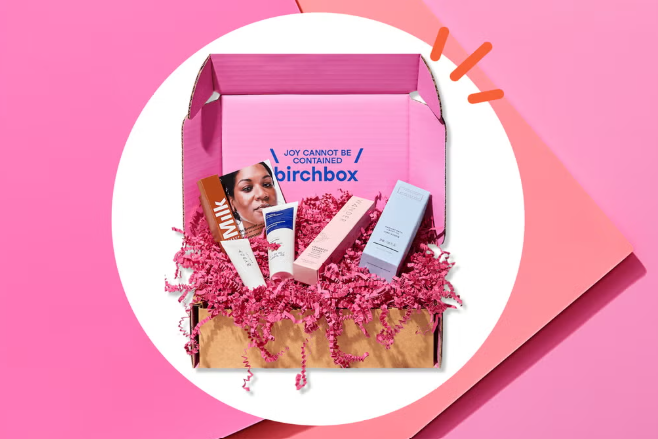
Source: Birchbox
Beauty subscription boxes like Birchbox have an innovative, built-in upselling model. Customers typically subscribe to a standard box that contains a curated selection of sample-sized products. The company then uses this as an opportunity to introduce customers to a new product they might love.
The upsell occurs when customers are offered the chance to purchase full-sized versions of the samples they enjoyed, often at a discount. Additionally, many subscription services offer a "premium" box upgrade, which includes more products or exclusive full-sized items for a higher subscription fee.
This model is effective because it allows customers to try before they buy, reducing the risk of purchasing a new product. By offering related products customers have already tested and liked, these companies create a natural, highly effective path to a larger sale.
Also Read: What is the Best Shopify Upsell App to Boost Revenue?
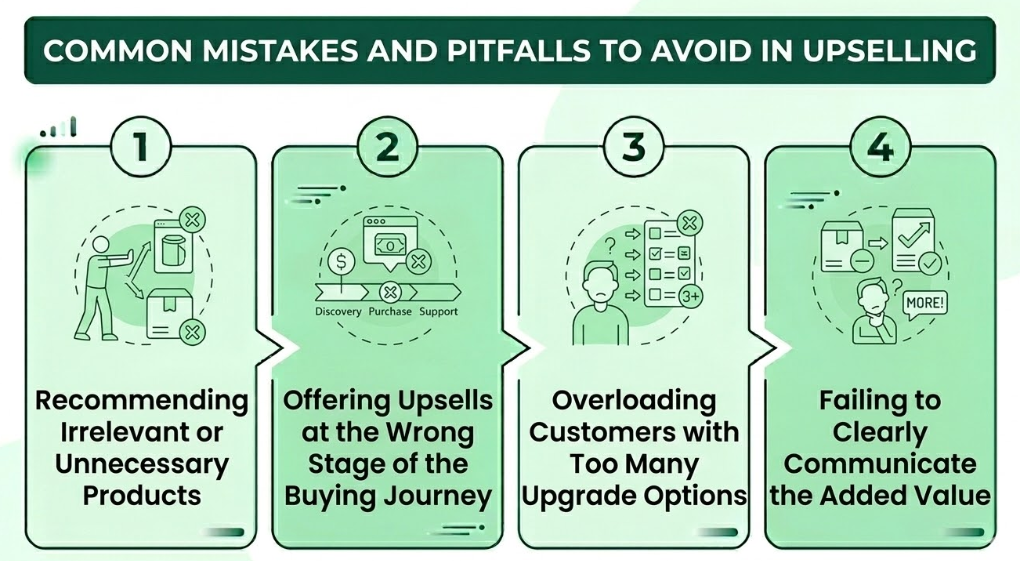
Even the most well-intentioned upselling strategies can backfire if not executed carefully. A common mistake is to focus more on the sale than on the customer's needs, which can lead to a pushy, off-putting sales pitch. To avoid these pitfalls, it's essential to maintain a customer-centric approach. Here are some of the most common mistakes to watch out for when implementing your upselling strategy.
Recommending irrelevant products can quickly alienate customers. Suggesting a high-end gaming laptop to someone looking for a basic, budget-friendly model shows you aren’t listening. An upsell should always be a logical extension of the current product, offering features the customer might genuinely need. Pushing unnecessary upgrades can make your brand seem greedy and untrustworthy, risking both the upsell and the original sale.
Timing is critical in upselling. Presenting an upgrade too early, like immediately on the homepage, can annoy visitors and create friction. Customers are most receptive after deciding to buy but before completing payment. Introducing upsells too early causes confusion, while offering them too late reduces impact. Identify natural points in the journey where an upsell feels helpful rather than intrusive.
Offering too many upsell options can overwhelm customers and lead to decision fatigue. Less is often more. One or two well-chosen upgrades work far better than a dozen possibilities. A cluttered experience can frustrate shoppers and even cause cart abandonment. Focus on the upgrades that provide the most value and relevance, presenting them clearly to make it easy for customers to choose confidently.
An upsell only works if the customer understands the additional benefits. Simply labeling a product as “premium” or “upgraded” isn’t enough; the value must be clear and specific. Use side-by-side comparisons or highlight quantifiable benefits like extra storage, longer battery life, or durability. The customer should immediately see how the upgrade solves a problem or enhances their experience, making the extra investment worthwhile.
Also Read: How Minimal Home Redefined Interior Elegance through Strategic Upselling.
You can boost sales through upselling with Kefi Product Bundle Builder by creating attractive bundles that encourage customers to buy more items together. Instead of only recommending a higher-priced product, Kefi lets you combine a core item with complementary products at a discounted price, increasing perceived value and naturally raising order value. Examples include a skincare starter kit, a fashion “complete the look” set, or a buy-two-get-one offer, making it easy for shoppers to purchase multiple related items. Kefi also offers mix-and-match bundles, tiered discounts, product page integration, and post-purchase upsells, allowing merchants to present relevant bundle deals at the right moments. This strategic approach helps Shopify stores increase average order value while enhancing the overall shopping experience.
Book a Demo to see how Kefi Product Bundle Builder works.
Innovative upselling is a powerful strategy that can enhance retail success by increasing average order values and improving customer loyalty. By understanding customer needs and offering relevant upgrades or bundles, businesses can create a compelling shopping experience that boosts profits while adding value for customers. Avoid common pitfalls to ensure upselling efforts are effective and well-received. By prioritizing customer satisfaction and seamlessly integrating upsell opportunities, you’ll be on your way to greater retail success. If you’re looking to elevate your upselling game, don’t hesitate to reach out for a consultation.
Upselling examples include offering customers a higher-value version of the product they are already considering, suggesting add-ons, or recommending complementary premium services that enhance their purchase.
Hotels often use upselling by offering room upgrades, early check-in or late check-out, premium amenities, or spa packages, which enhance guest experience while increasing revenue.
In a restaurant, upselling can include recommending appetizers, premium drinks, desserts, or larger portion sizes to enhance the meal and increase the total bill.
Ecommerce upsell examples include suggesting premium product versions, offering bundle deals, recommending accessories, or adding extended warranties during checkout to increase order value.
Upsell page examples include post-purchase offers, product upgrade suggestions, “complete the look” bundles, or sections highlighting premium alternatives during checkout.
Hospitality upselling examples include room upgrades, spa services, concierge packages, fine dining experiences, and airport transfers, all designed to enhance guest satisfaction and revenue.
Retail upselling examples include offering premium product versions, suggesting complementary accessories, bundling products, or recommending extended warranties to increase purchase value.
.svg)
