

In the competitive landscape of ecommerce, every click represents an opportunity. While brick-and-mortar stores use visual merchandising to guide customers, online stores must adopt digital strategies to captivate shoppers. This is where searchandising comes in, a powerful fusion of site search and merchandising. For any ecommerce business, mastering search and merchandising is no longer optional; it's essential for arranging search results to meet business objectives, improve the customer journey, and ultimately drive significant sales growth.
Searchandising, a blend of "search" and "merchandising," is the strategic practice of controlling how products appear in your ecommerce site's search results. Unlike traditional merchandising in physical stores, which relies on visual displays, searchandising uses business-specific rules to organize the search results page. This allows you to influence what customers see when they use the search bar, aligning the search experience with your specific business goals, such as promoting certain items or clearing inventory.
The core difference lies in the environment and tools used. While a physical store merchandiser arranges shelves and creates window displays, an online merchandiser uses algorithms and rules to customize the digital shelf. The goal is to move beyond simply showing relevant items and instead curate the search results to guide shoppers, enhance product discovery, and create a more profitable search experience. It combines data-driven automation with human-led merchandising strategies to optimize the online journey.
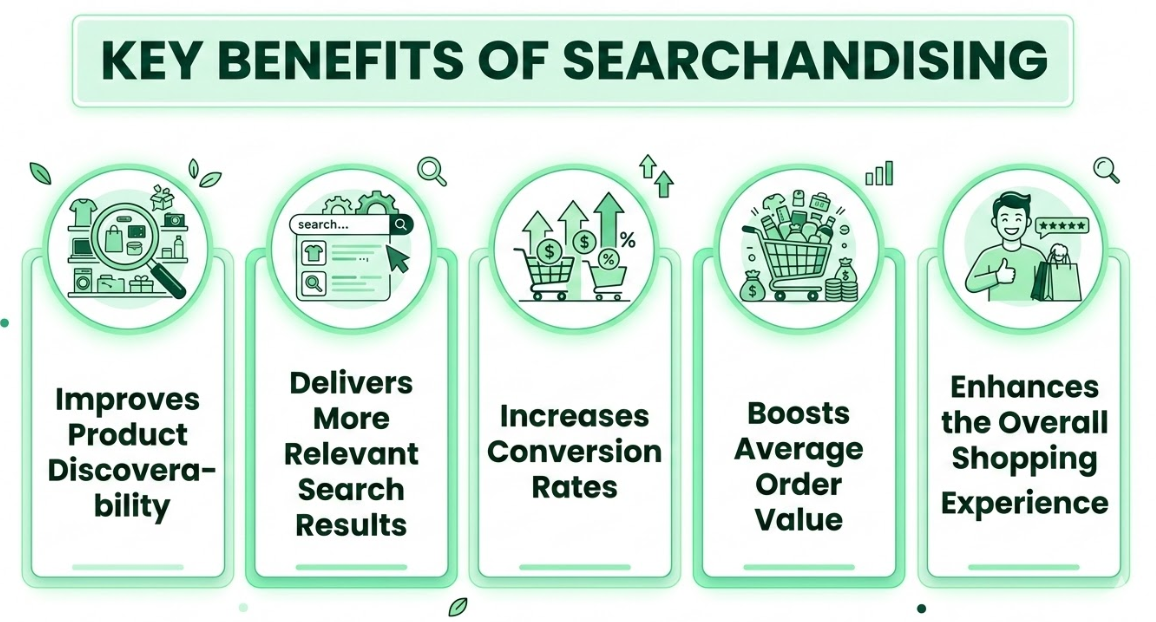
Implementing a robust search engine optimization strategy offers a multitude of advantages that directly impact your bottom line. By optimizing your ecommerce search, you create a more intuitive and satisfying shopping experience, encouraging customers to explore and purchase. Let's explore how each of these benefits contributes to a more effective and profitable online store.
A key advantage of searchandising is its ability to enhance product discovery significantly. When customers cannot quickly find what they are looking for, they are more likely to leave your site. Searchandising ensures that relevant and strategic products appear prominently in search results, even for broad queries. This strategy helps guide shoppers to items they might not have found on their own by highlighting new arrivals, high-margin items, and complementary products. By making your catalog easier to explore, you reduce friction in the shopping journey and increase the chances of conversion.
Shoppers expect search results that truly match their intent. A basic search engine may return too many unrelated products, making it harder for customers to find what they need. Searchandising improves this by adding intelligence that refines and prioritizes results. Using techniques like synonym recognition and intent analysis, ecommerce sites can deliver more accurate results. This prevents frustrating “no results found” pages and helps customers quickly discover products they are more likely to purchase.
One of the most significant benefits of searchandising is its ability to increase conversion rates. Customers who use site search often have strong purchase intent and are more likely to complete a transaction. Searchandising supports this by presenting relevant and strategically prioritized products. By reducing the steps needed to find and buy products, the path to purchase becomes shorter and smoother. A frictionless search experience increases customer satisfaction and encourages more shoppers to complete their orders.
Searchandising is also effective for increasing the average order value. The search results page can be used strategically to showcase complementary products or premium alternatives to the item a customer is searching for. For example, a search for a camera can also return results for lenses, memory cards, and camera bags. These relevant suggestions help customers discover useful add-ons while increasing the total value of their purchase.
In today’s competitive ecommerce landscape, the shopping experience plays a major role in customer retention. Searchandising transforms site search from a simple utility into an important part of the overall user experience. Features such as personalized recommendations and intuitive filters help customers navigate the store more easily. A smooth and reliable search experience builds trust and encourages customers to return in the future.
Also Read: How to Master Searchandising to Boost Sales?
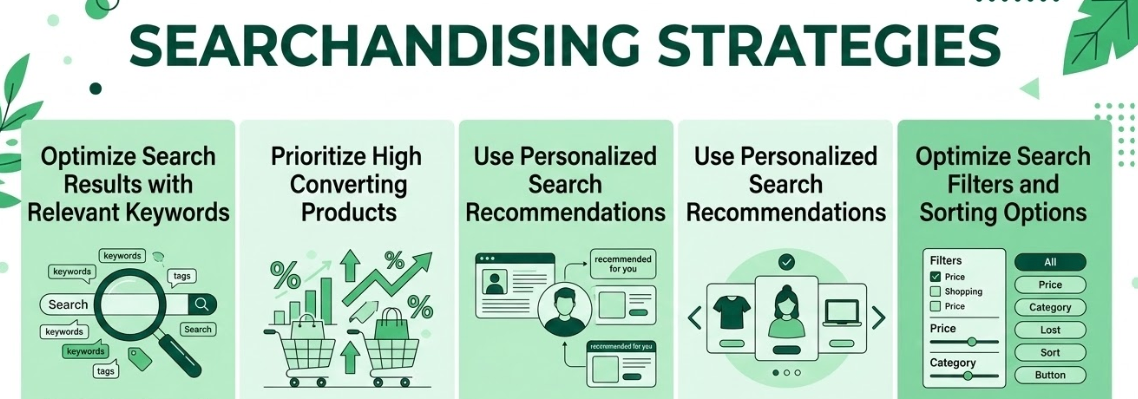
Now that you understand the benefits, it's time to explore actionable strategies. A successful searchandising strategy involves more than just turning on a feature; it requires a thoughtful approach that aligns with your business goals and customer behavior. The following strategies provide a roadmap for leveraging search and merchandising effectively on your ecommerce site.
A strong search experience begins with optimizing product data using keywords that reflect how customers actually search. Instead of relying only on technical product terms, stores should include common phrases, synonyms, and variations used by shoppers. This ensures products appear for a wider range of relevant searches and reduces the chances of “no results found.” By aligning product keywords with customer language, ecommerce stores improve search accuracy and help shoppers quickly find what they need.
Prioritizing products that already perform well is a powerful search and merchandising strategy. By using sales data, ecommerce stores can identify items that consistently convert and boost their search rankings
. Showing these high-performing products first increases the likelihood of quick purchases. When relevance and conversion data are balanced effectively, search results become more persuasive and drive stronger sales outcomes.
Personalization allows ecommerce stores to tailor search results and product suggestions to each shopper. By analyzing browsing behavior, past purchases, and click patterns, stores can display more relevant recommendations. This makes the search experience feel more customized and engaging. When customers see products that match their preferences, they are more likely to interact with results and complete a purchase.
Featuring best sellers and trending products is a proven way to influence buying decisions. These items already have strong demand, making them effective tools for attracting attention in search results. Searchandising can highlight these products with badges, banners, or boosted rankings. This visibility encourages shoppers to explore popular items and increases the chances of conversion.
Effective search filters help shoppers quickly narrow down large product catalogs. Filters based on attributes like price, brand, size, or ratings allow customers to refine results according to their preferences. Providing sorting options such as popularity, newest products, or price range further improves usability. These tools create a smoother shopping journey and help customers find the right products faster.
Also Read: Want Creative Gift With Purchase Ideas for Customers?
Theory is one thing, but seeing search and display in action provides a clearer picture of its impact. Successful online stores use these strategies to align their search function with specific business goals, whether it's moving seasonal inventory, boosting high-margin items, or personalizing the journey for every shopper. These real-world examples demonstrate how different search and display advertising tactics can be applied to solve common ecommerce challenges and drive growth. Let's look at some practical ways businesses are achieving success through intelligent search.
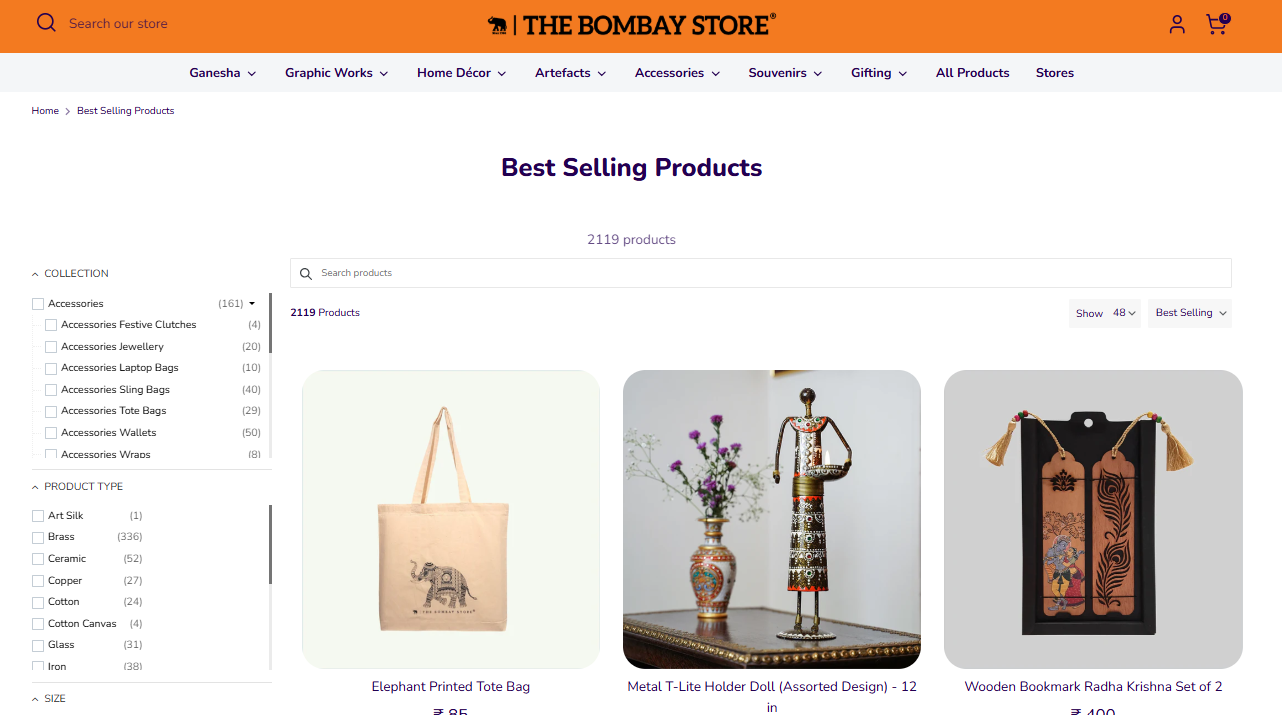
Source: The Bombay Store
A simple yet effective searchandising strategy is to highlight best-selling products. Retailers can boost high-margin or top-performing items in search results while keeping popular products visible. This approach increases sales of profitable items without hiding popular choices. For example, an electronics retailer saw a 260% increase in sales of a higher-margin smartphone by strategically adjusting search rankings.

Source: Cadbury
Searchandising can adapt results to seasonal demand. Retailers can set rules to prioritize relevant products, like winter gloves in December or swimwear in May. Advanced search tools can also factor in a shopper’s location, showing regionally appropriate products. This ensures timely relevance and helps drive seasonal sales.

Source: H&M
Customers often use different terms for the same product, like “handbag,” “purse,” or “tote.” Searchandising accounts for synonyms to prevent “no results” pages. Retailers can manually add catalog-specific synonyms to improve search accuracy. This provides a smoother experience and increases product discovery.
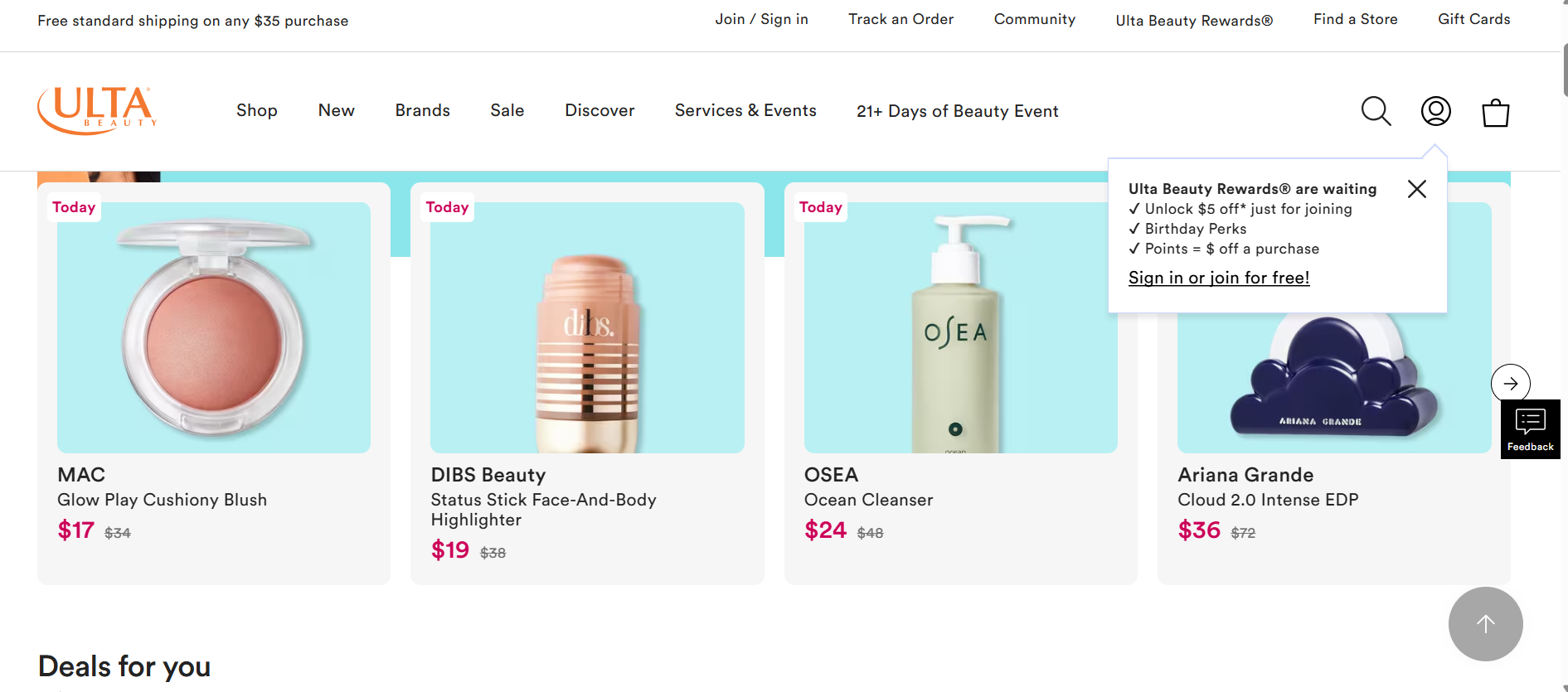
Source: Ulta
Searchandising can subtly boost high-margin products alongside popular ones. For example, a cosmetics brand might slightly elevate its 70% margin lipsticks above lower-margin alternatives. This ensures customers still find what they want while exposing them to more profitable options, improving revenue without hurting user experience.
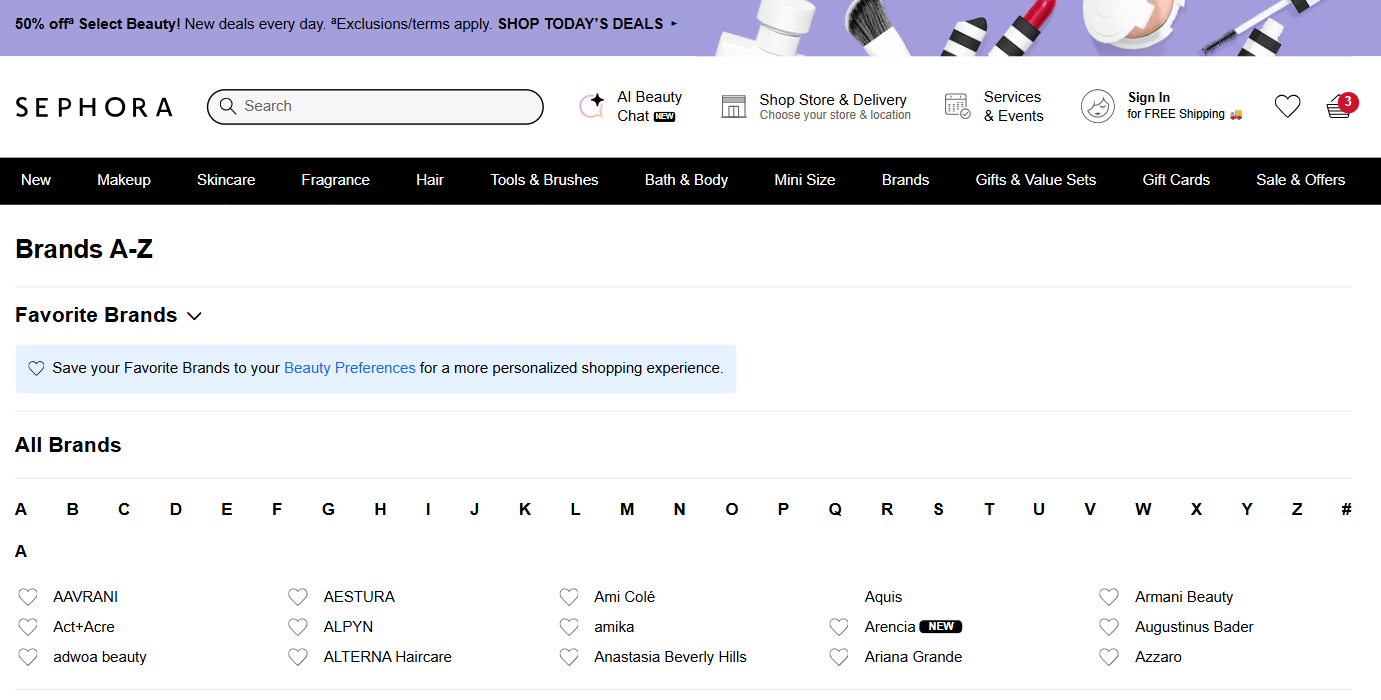
Source: Sephora
Personalized search tailors results for individual shoppers based on browsing history, past purchases, and behavior. For instance, a supplement retailer prioritized protein powders that a customer previously viewed. This customization increases engagement and conversion rates. Personalized search experiences can drive measurable growth and foster customer loyalty.
Also Read: What are the Key Benefits of Customer Retention?
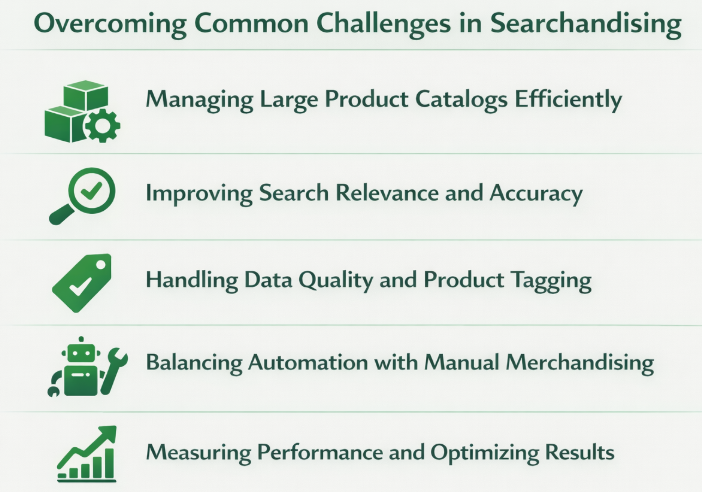
While the benefits of search and display advertising are clear, implementation can present challenges. Many merchants struggle to manage large catalogs, ensure search accuracy, and maintain data quality. Following best practices for data management, relevance tuning, and performance measurement will help you navigate the complexities and unlock the full potential of your search and merchandising efforts.
Managing large product catalogs can be challenging, especially with thousands of SKUs. Manual tagging is impractical, so automation is essential for batch updates and maintaining consistent, rich product data. Implementing robust search filters and facets helps users navigate large catalogs efficiently. Clean, structured data makes filtering effective and ensures a smoother shopping experience, turning a large inventory into an asset rather than a liability.
High search relevance is critical; displaying the right products builds shopper trust. Automated learning helps identify which products perform best, but merchandisers need the ability to fine-tune results manually. Balancing automated rankings with manual rules, such as de-prioritizing low-stock items, ensures that search results remain accurate and relevant over time. Continuous monitoring and adjustments are key to sustained performance.
Inconsistent or incomplete product data leads to irrelevant search results and weak filtering. Accurate tagging is essential so customers can find all relevant products for their queries. Investing in tools like a PIM system or batch update capabilities ensures data consistency. High-quality product attributes form the foundation for an effective searchandising strategy and a better customer experience.
Automation can process large datasets but may miss time-sensitive business goals, such as new launches or flash sales. A purely manual approach is not scalable. A hybrid strategy works best: let AI handle trend analysis while merchandisers use "boost and bury" rules to adjust search results. This ensures search aligns with both customer needs and business objectives.
Without measurement, searchandising improvements are guesswork. Tracking metrics like search conversion rate, click-through rate, average order value, and “no results” queries is essential. A/B testing of search rules, such as boosting high-margin vs. best-selling products, helps optimize strategies. Continuous data-driven monitoring ensures ongoing search performance and long-term success.
Also Read: How Lifetime Technologies went from a Single Additive to System Kits.
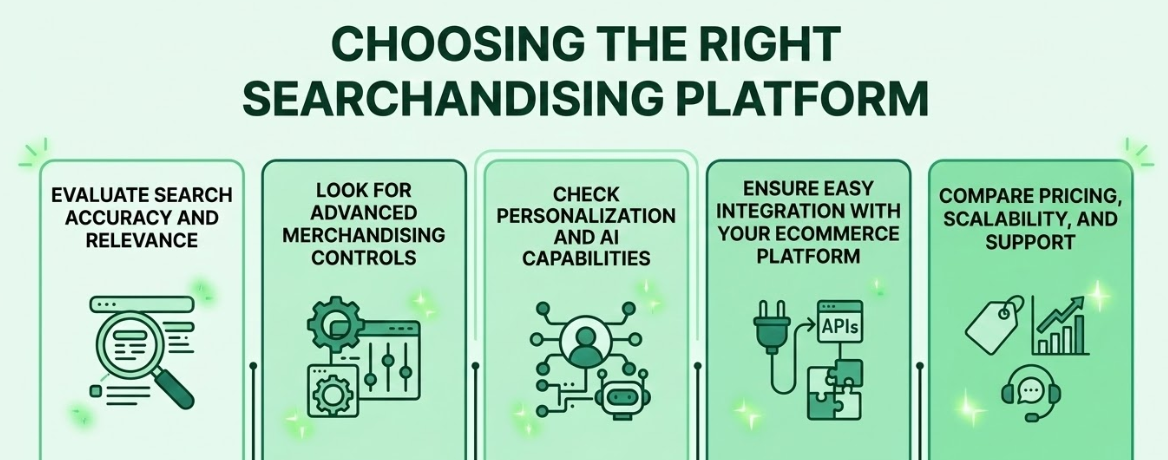
Selecting the right search and display platform is a critical decision that will impact your ability to execute your strategy effectively. The market is filled with options, but not all are created equal. The best choice for your business will depend on your specific needs, catalog size, and long-term business goals.
Your chosen solution should integrate seamlessly with your existing ecommerce platform and provide the flexibility to grow with your business. To make an informed decision, you should evaluate potential platforms based on a few key criteria, including accuracy, merchandising controls, and AI capabilities.
The most fundamental feature of any site search solution is its ability to deliver accurate and relevant results. Before committing to a platform, thoroughly test its core search function. A powerful engine should handle long-tail keywords, understand natural language, and correct common misspellings. Look for NLP capabilities that parse queries and understand user intent, ensuring high relevance even with differently phrased searches. Ultimately, if basic search accuracy is poor, no amount of merchandising can fix it; search quality is the foundation for all other features.
A great searchandising platform gives your team advanced merchandising controls to manage the search experience without coding. An intuitive interface lets you create rules to boost, bury, or block specific products, align results with business goals, and respond quickly to market changes. Key controls include product boosting to raise rankings of new or on-sale items, product burying for low-stock or low-margin products, slotting/pinning to lock products in specific positions, promotional banners triggered by keywords, and redirects to send users to targeted landing or collection pages. These features enable a dynamic and effective search and merchandising strategy.
To stay competitive, choose a search platform with AI and machine learning to automate optimization and deliver true personalization. It should use behavioral data, such as clicks, add-to-cart actions, and purchases, to tailor search results for each shopper in real time. Strong AI also provides intelligent insights, suggesting which products to boost or identifying synonym gaps, saving time and creating a more relevant, efficient search experience for your customers.
Consider pricing, scalability, and support when selecting a site search solution. Choose a pricing model that aligns with your budget and expected growth, whether flat-fee or usage-based. Ensure the platform can scale with traffic, product count, and search volume without performance issues. Strong customer support, including onboarding, training, and ongoing assistance, is essential for a smooth and successful long-term partnership.
Finally, consider pricing, scalability, and support when choosing a site search solution. Pricing models vary from flat monthly fees to usage-based plans, so pick one that fits your budget and growth expectations. Scalability is essential; your platform should handle increases in traffic, product count, and search volume without performance issues. Also, prioritize responsive customer support, including onboarding, training, and technical assistance, to ensure a smooth, long-term partnership with your vendor.
Also Read: How a Premier Portuguese Winery Cultivated a +16.80% AOV Lift.
While a dedicated search platform is powerful, you can also apply searchandising principles using other tools. With Kefi Product Bundle Builder, you can create a unique searchandising strategy focused on increasing average order value. By creating custom product bundles, you can effectively cross-sell and guide customers toward purchasing complementary items. For example, when a customer searches for a popular item, you can feature a bundle that includes that item along with related accessories on the product page.
This approach transforms a single-item search into a multi-item purchase opportunity. By strategically designing bundles around your best-sellers or high-margin products, you merchandise your offerings to boost profitability. Integrating these bundles into your ecommerce site's key pages creates a compelling offer that can significantly lift your conversion rate and AOV, making Kefi a valuable component of your broader search and merchandising strategy.
Book a Demo to see how Kefi Product Bundle Builder works.
Search and display advertising serve as powerful tools to enhance the online shopping experience, drive engagement, and ultimately boost sales growth. By optimizing product discoverability, delivering relevant search results, and implementing strategic merchandising techniques, businesses can significantly improve conversion rates and average order values. Additionally, the right search-and-serve platform can address common challenges while facilitating personalized, efficient shopping experiences. As e-commerce continues to evolve, embracing searchandising strategies will be essential for retailers looking to stay ahead of the competition. If you're ready to take your e-commerce strategy to the next level, reach out today for insights on how to implement effective search and merchandising practices.
A searchandising example shows how prioritizing high-demand or profitable products in search results can drive conversions. For instance, featuring trending items at the top of search results encourages faster purchases and higher revenue.
Searchandising merchandising combines product merchandising with site search, guiding shoppers to relevant products. It highlights best-sellers, seasonal items, or high-margin products, improving both discovery and overall sales performance.
A good searchandising tool allows you to boost or bury products, display personalized recommendations, and optimize search results based on business goals. It streamlines merchandising decisions while improving the customer search experience.
Searchandising is the practice of improving ecommerce search results using merchandising strategies. It ensures shoppers see relevant, profitable, and high-priority products, turning search into a revenue-driving feature.
Searchandise commerce applies searchandising techniques across an online store, helping shoppers find products faster and increasing sales. Aligning search results with business goals, it boosts conversions and enhances the shopping experience.
Searchandise ecommerce optimizes search results with merchandising rules, personalization, and product prioritization. Unlike basic search, it promotes relevant, high-value items to improve conversions and average order value.
Searchandise Shopify lets you apply searchandising strategies on a Shopify store. By boosting relevant products, showing personalized results, and optimizing product rankings, it increases conversions and helps maximize revenue.
A Shopify searchandise app enhances your store’s search by automatically boosting best-sellers, offering personalized recommendations, and optimizing results for higher engagement. It simplifies merchandising without coding.
A searchandising solution combines intelligent search with merchandising controls like boosting, burying, and pinning products. It allows real-time optimization of search results to improve relevance, conversions, and customer satisfaction.
.svg)
