.jpg)
Now, let's deep dive into this.
Have you ever noticed how much more appealing a product feels when there is an extra reward attached to it? Most shoppers would rather get something additional for the same spend than receive a standard percentage discount. That is exactly why BOGO promotions continue to be one of the most widely used sales strategies in e-commerce.
At first glance, a Buy One, Get One offer seems simple. Offer an extra product, attract more buyers, and increase sales. But in reality, there is much more to it than that. The way a BOGO promotion is structured can influence how customers perceive value, how much they spend, and whether the campaign actually supports your business goals.
When used strategically, BOGO deals can help introduce new products, clear excess inventory, encourage larger purchases, and create a more engaging shopping experience. In this guide, you'll learn what a BOGO promotion is, why it works, the different types of BOGO offers you can run, and how to create profitable campaigns that support long-term growth.
A BOGO promotion, short for "Buy One, Get One," is a sales promotion where customers purchase a qualifying product and receive another item for free or at a discounted price. Also known as a BOGO deal, it helps brands increase perceived value and encourage larger purchases without relying only on traditional discounts.
Because customers focus on the extra value they receive rather than the discount itself, BOGO promotions are often effective for increasing order sizes, introducing new products, and moving inventory more strategically.
BOGO promotions work because they make customers feel they are gaining more value rather than simply receiving a discount. By combining the appeal of a free item with a clear incentive to purchase, BOGO deals can influence buying decisions more effectively than many traditional promotions.
Customers often respond more positively to receiving an extra product than to seeing a percentage discount. The idea of getting something "free" makes the offer feel more rewarding and can increase purchase intent.
Many BOGO promotions are time-sensitive, encouraging shoppers to act before the offer expires. This urgency helps reduce purchase delays and can improve conversion rates during promotional periods.
To unlock the reward, customers need to buy a qualifying product. This naturally increases basket size and can help brands grow average order value without heavily discounting their core products.
Unlike standard discounts that focus attention on lower prices, BOGO deals focus on added value. This allows brands to run compelling promotions while maintaining stronger pricing and healthier margins.
Beyond driving immediate sales, BOGO promotions help brands achieve several important business goals. When structured correctly, they can support customer acquisition, inventory management, revenue growth, and long-term retention.
Key advantages include:
Because they can support multiple objectives at once, BOGO promotions remain one of the most flexible and effective promotional strategies for e-commerce brands.
Choosing the right BOGO format is just as important as the offer itself. While all BOGO promotions aim to increase sales, different structures support different goals, from boosting conversions and average order value to introducing new products and moving inventory.
The classic buy one, get one free offer is the most recognizable BOGO promotion. Customers purchase one product and receive a second item at no additional cost, creating a strong perception of value. It is simple to understand, easy to promote, and often delivers strong conversion rates.
Best use cases:
A buy one, get one at 50% off promotion provides meaningful savings while helping brands maintain healthier margins. Because customers still pay for the second item, merchants can increase average order value without absorbing the full cost of a free product.
Best use cases:
With a buy X, get Y free promotion, customers receive a different product after purchasing a qualifying item. This format gives merchants more flexibility and is often used to promote complementary, new, or slower-moving products.
Best use cases:
A buy-one, get-a-free-gift offer rewards customers with a bonus item instead of a duplicate product. This approach adds perceived value while helping brands introduce shoppers to new products without directly discounting their core items.
Best use cases:
Tiered BOGO promotions increase rewards as customers purchase more products. Offers such as "Buy Two, Get One Free" encourage larger orders while giving merchants more control over discount levels and profitability.
Best use cases:
Not every BOGO format is designed to achieve the same outcome. Some are better for maximizing conversions, while others help increase basket size, improve product discovery, or manage inventory. Choosing the right structure ensures the promotion supports both customer value and business goals.
Not every product is a good fit for a BOGO promotion. The most successful campaigns typically involve products that customers buy regularly or are comfortable purchasing in larger quantities. When the extra item feels useful, shoppers are more likely to redeem the offer and increase their order value.
Fast-moving consumer goods (FMCG) are ideal for BOGO deals because customers know they will use the extra product. Everyday essentials such as toiletries, cleaning supplies, and personal care items naturally encourage stock-up purchases, making the offer feel practical and valuable.
Examples:
Beauty and skincare brands often use BOGO promotions to encourage product trial and increase basket size. Since many shoppers regularly repurchase these items, receiving an additional product feels valuable while also introducing customers to complementary products.
Examples:
BOGO offers work well in fashion categories where customers frequently buy multiple items. Promotions such as "Buy One, Get One 50% Off" can encourage shoppers to add another item to their cart, especially during seasonal sales and inventory clearances.
Examples:
Food and beverage products are often consumed regularly, making them a strong fit for BOGO promotions. These offers can encourage customers to stock up or try different flavors while increasing overall purchase volume.
Examples:
Products that require regular replenishment naturally align with BOGO campaigns because customers know they will need them again. These promotions can increase upfront order value while helping shoppers save on future purchases.
Examples:
Some products are not well-suited for BOGO promotions. High-ticket items, luxury goods, and highly customized products often benefit more from exclusive offers or value-added incentives than quantity-based discounts.
Examples:
The strongest BOGO campaigns focus on products customers already use, replace, or repurchase regularly. When the additional item feels genuinely valuable, the promotion is more likely to increase order size, improve customer satisfaction, and drive repeat purchases.
Not all promotions influence customer behavior in the same way. While some focus on lowering prices, others are designed to increase perceived value, encourage larger purchases, or introduce customers to new products. Understanding these differences can help merchants choose the promotion that best supports their goals.
Percentage discounts provide immediate savings and are easy for customers to understand. However, they often encourage shoppers to focus on price alone. A BOGO promotion emphasizes added value instead, motivating customers to purchase more items while helping brands maintain stronger pricing and higher average order values.
Both strategies encourage larger purchases, but volume discounts reward quantity through tiered savings. BOGO promotions provide a more visible reward by offering an additional product. This often makes the offer easier to understand and more appealing, especially for first-time customers.
Free gift promotions add a bonus item to enhance the purchase experience. While they can support product discovery, the perceived value depends on the gift itself. BOGO promotions typically deliver a clearer value proposition because customers receive an extra product they already want or need.
Buy More Save More promotions increase discounts as customers add more products to their carts. While effective for larger orders, they often require shoppers to calculate the savings. BOGO promotions are simpler to communicate and make the reward immediately visible, which can improve engagement and conversion rates.
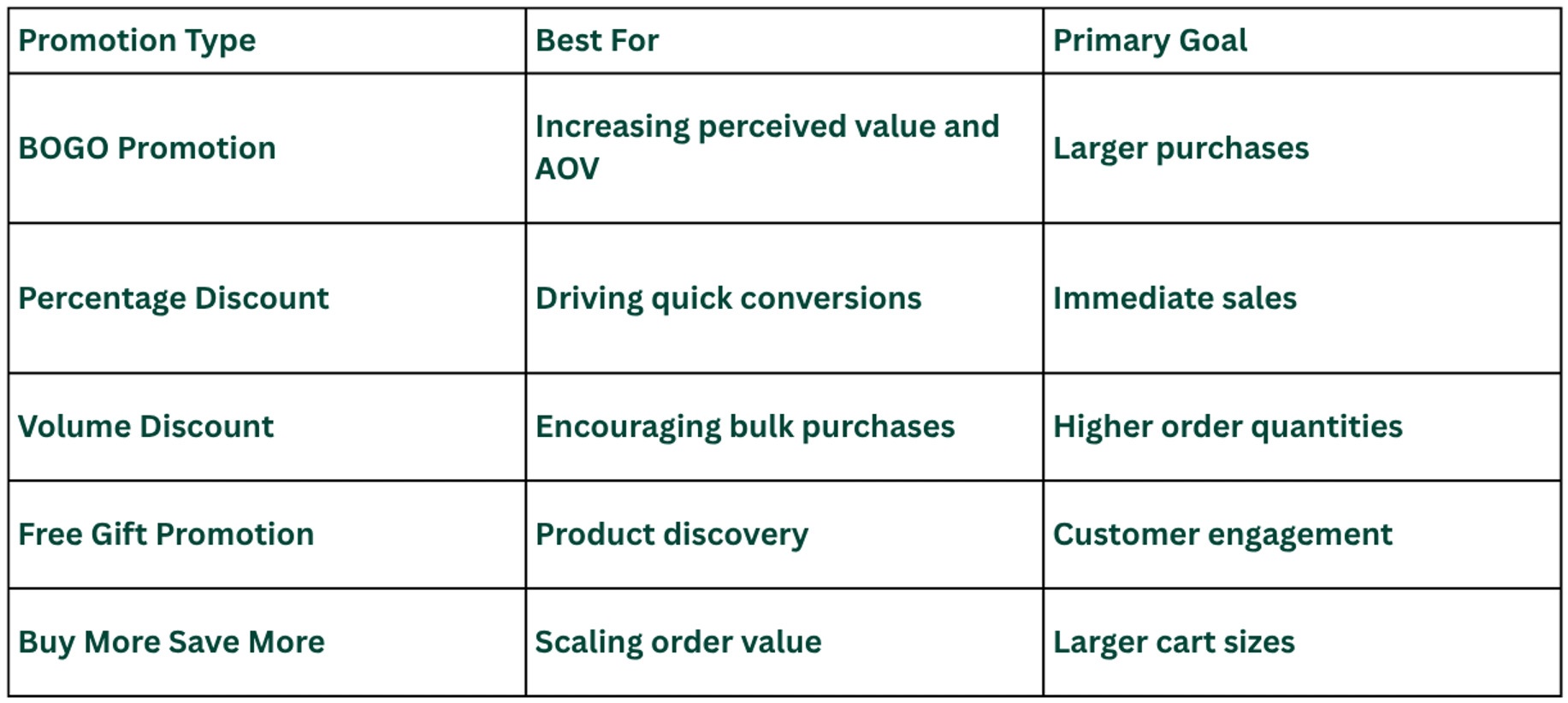
The best discount strategy depends on what you want customers to do. If your goal is to increase basket size through perceived value, a BOGO promotion is often the strongest option. If you're focused on bulk purchases, product discovery, or immediate conversions, another promotion type may deliver better results.
A profitable BOGO promotion requires more than an attractive offer. While BOGO deals can increase sales and average order value, poor planning can quickly reduce margins. The most successful campaigns are designed to balance customer value, operational costs, and long-term business goals.
Before running a BOGO promotion, calculate how the free or discounted item will affect your profit margins. Factor in product costs, shipping, and fulfillment expenses to ensure the expected increase in sales volume can support a positive ROI.
Minimum spend thresholds can help improve the profitability of a BOGO deal. By requiring customers to reach a specific cart value before qualifying, merchants can increase average order value while reducing the impact of the discount on overall revenue.
Clear promotion rules help prevent unnecessary losses. Restricting discount combinations, setting redemption limits, and defining eligible products can protect margins while ensuring customers receive the intended offer without exploiting the promotion.
Different customer groups respond to different incentives. New customers may need a stronger introductory offer, while existing customers may engage more with exclusive promotions. Segmenting BOGO campaigns can improve conversion rates and promotional efficiency.
Looking only at sales numbers can be misleading. Track metrics such as average order value, conversion rate, redemption rate, repeat purchases, and ROI to understand whether the promotion is generating sustainable business results.
The most profitable BOGO campaigns are carefully structured rather than heavily discounted. When merchants focus on margins, customer targeting, and performance tracking, they can create promotions that drive revenue growth without sacrificing long-term profitability.
The success of a BOGO promotion often depends on how easy it is for customers to understand and redeem. Even a strong offer can underperform if the rules are confusing or the discount fails to apply correctly at checkout. A structured setup process helps ensure a smooth customer experience while maximizing the impact of your promotion.
Start by deciding which products will be included in the promotion. High-margin items, bestsellers, complementary products, and excess inventory are common choices. The products you select should align with your campaign objective, whether that is increasing sales, clearing stock, or encouraging product discovery.
Choose the BOGO format that best supports your goals. This could be Buy One, Get One Free, Buy One, Get One 50% Off, Buy X, Get Y Free, or a free gift promotion. Define eligibility requirements, usage limits, and whether the discount applies to the same product or an item of equal or lesser value.
Basic promotions can be created using Shopify's discount features, while more advanced campaigns often require a dedicated app. The setup should clearly define qualifying products, discount conditions, customer eligibility, and redemption limits to ensure the offer functions correctly.
Before making the promotion live, test the entire purchase journey. Verify that discounts are applied accurately, eligibility rules work as expected, and customers can easily understand the offer. Identifying issues before launch can prevent lost sales and customer frustration.
Once the campaign is active, track key performance metrics such as sales volume, average order value (AOV), conversion rate, and redemption rate. Monitoring performance allows you to identify opportunities for optimization and make adjustments if the promotion is not meeting expectations.
A well-executed Shopify BOGO promotion is about more than configuring a discount. By choosing the right products, creating clear rules, testing the customer journey, and tracking performance, merchants can build campaigns that deliver a better shopping experience and stronger business results.
The difference between an average BOGO campaign and a high-performing one often comes down to the software behind it. Modern Shopify merchants need more than basic discount functionality. The best apps provide advanced targeting, automation, analytics, and promotional flexibility, allowing brands to create personalized offers while protecting margins and improving customer retention.
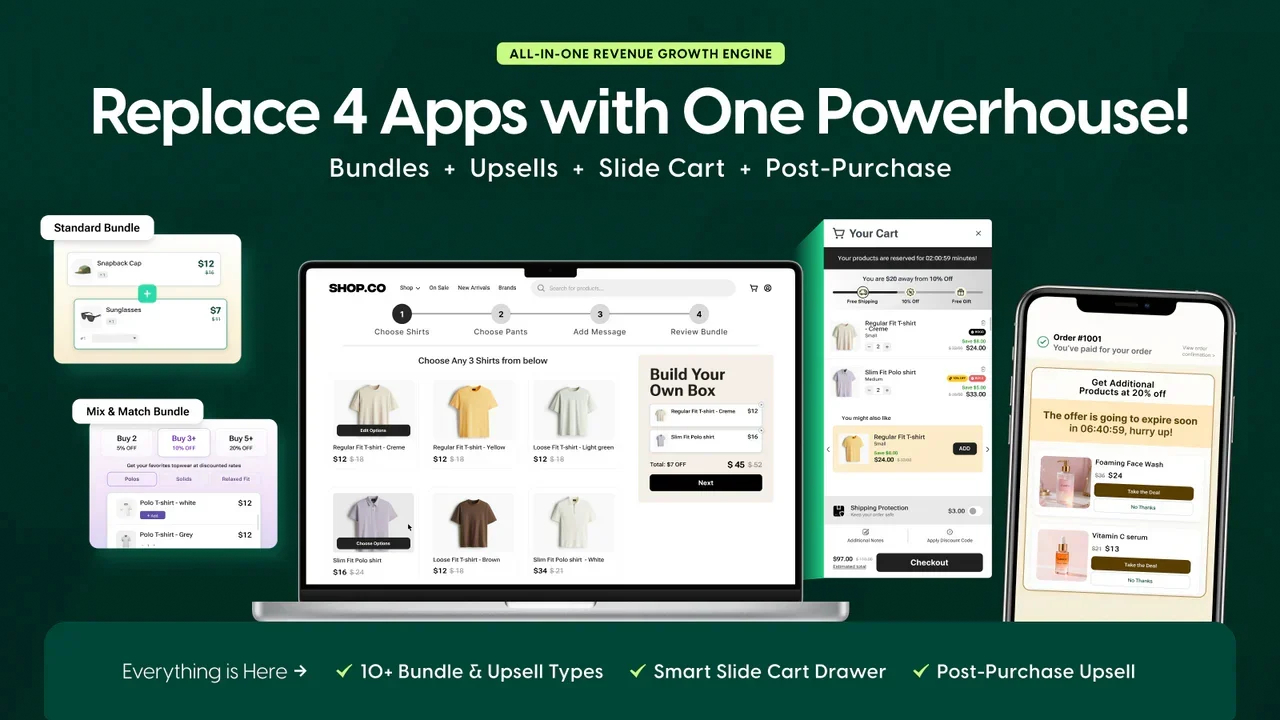
Kefi Commerce is a Shopify promotion platform built to help merchants increase revenue through BOGO offers, bundles, free gifts, upsells, and Buy More Save More campaigns. Instead of relying on a single promotion type, merchants can create personalized offers that increase average order value while supporting customer retention and long-term growth.
Growing Shopify brands that want a complete promotion platform for running BOGO campaigns, free gifts, bundles, upsells, and customer loyalty initiatives from a single solution.
While Lil Sweet Treat did not run a traditional BOGO campaign, its results demonstrate the same customer psychology that makes BOGO promotions effective: customers are more likely to purchase multiple products when they perceive greater value.
Using Kefi Commerce's Build Your Own Box functionality, Lil Sweet Treat transformed its online store into an interactive "Pick & Mix" experience, allowing customers to create personalized candy bundles.
Results included:
By making larger purchases feel more rewarding, Lil Sweet Treat successfully increased revenue while creating a more enjoyable shopping experience.
"Mix-and-match outfits are trending, and Kefi helped us build a ‘build your own look’ flow that feels like styling your OOTD. Super smooth and totally on-brand."
"Bundling has completely redefined our customer journey. We used Kefi to offer build-your-own sets. The flexibility to create mix-and-match bundles gave our styling team creative freedom and helped lift our average order size."
"From self-care kits to travel-friendly sets, we’ve built beautiful bundle flows using Kefi. The interface is user-friendly, and the bundle builder blends well with our calming, minimalist theme."
Looking to launch high-converting BOGO promotions, free gifts, bundles, and Buy More Save More campaigns from one platform? Book a demo with Kefi Commerce and see how promotion-driven experiences can increase sales and customer loyalty.
Try Kefi for FREE and start creating high-converting BOGO campaigns, bundles, free gifts, and upsell offers that drive measurable revenue growth.
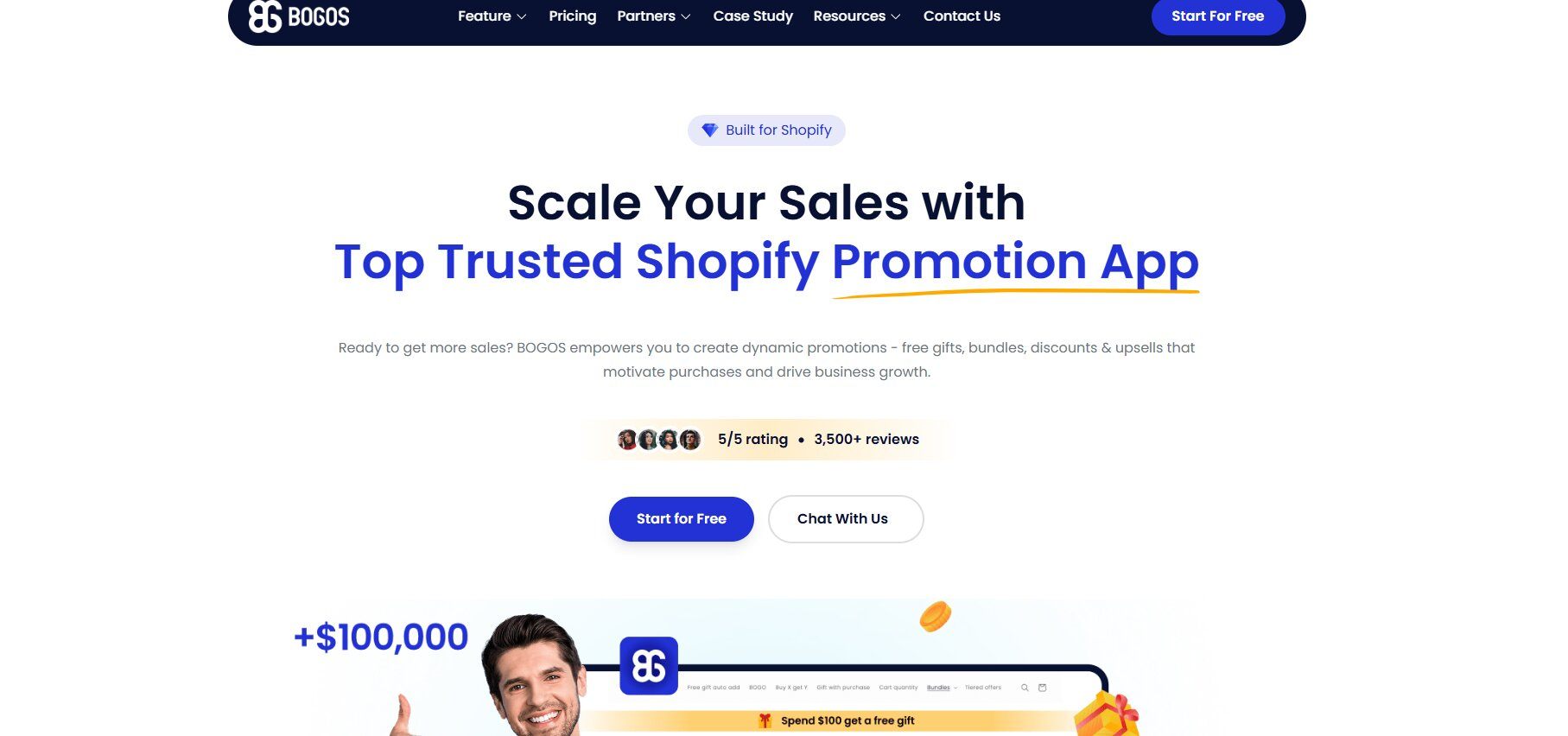
BOGOS is one of the most recognized Shopify apps focused specifically on Buy One, Get One and Buy X, Get Y promotions. It offers a user-friendly interface and a variety of promotion templates for merchants who want to launch campaigns quickly.
Merchants are looking for a dedicated BOGO solution with a simple setup process.
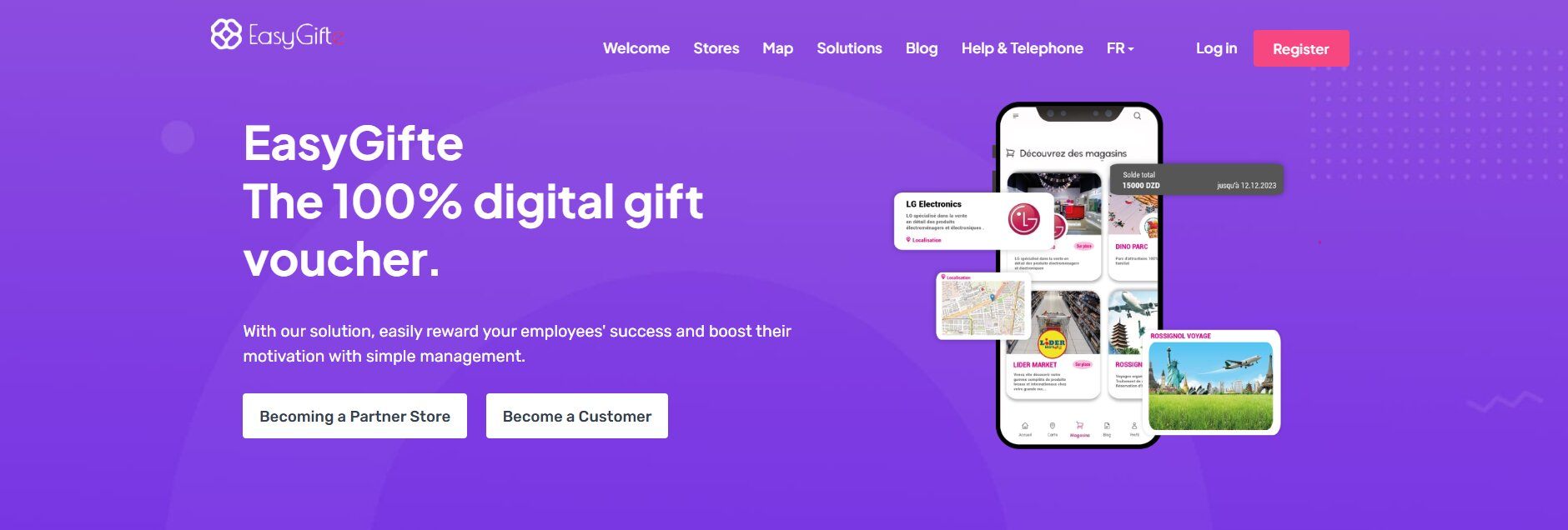
EasyGift focuses on free gift promotions and product reward campaigns. It allows merchants to offer gifts automatically based on cart conditions and purchase behavior.
Brands that want to use free gifts alongside promotional campaigns to increase conversions.

Monk Free Gift+ combines free gifts, cart incentives, and promotional offers in a single Shopify app. The platform is designed to help merchants increase average order value through targeted rewards.
Merchants are looking to combine free gifts, upsells, and promotional incentives.
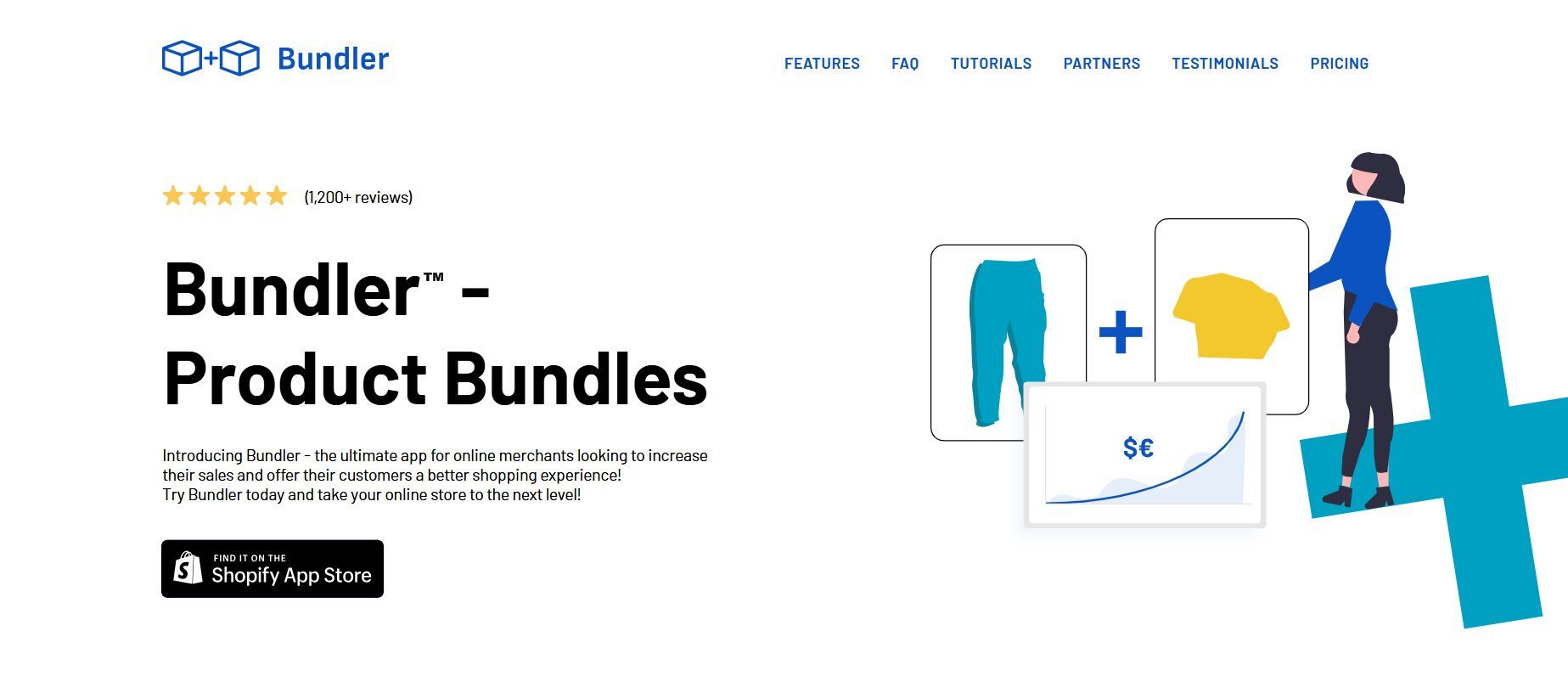
Bundler is a popular Shopify app that focuses on product bundles, volume discounts, and mix-and-match offers. While not exclusively a BOGO tool, it can support BOGO-style promotions through flexible bundle configurations.
Stores that want to combine bundling strategies with BOGO-style promotional campaigns.
Shopify merchants have no shortage of promotion apps to choose from. Some specialize in BOGO offers, while others combine free gifts, bundles, upsells, and retention tools to support broader revenue growth. Here are some of the best Shopify BOGO promotion apps to consider in 2026.
A poorly planned BOGO campaign can generate strong sales while creating unexpected problems behind the scenes. Inventory shortages, shrinking margins, and changing customer expectations are common issues when promotions are launched without a clear strategy. Avoiding these mistakes can help ensure your BOGO offer supports long-term growth rather than short-term revenue spikes.
One of the most common BOGO mistakes is underestimating demand. Because these promotions encourage customers to purchase more products than usual, inventory can sell out much faster than expected. Running out of stock during a campaign can lead to missed sales opportunities, customer frustration, and fulfillment challenges. Before launching a BOGO promotion, make sure inventory levels can support increased order volume.
Not every product is suitable for a BOGO offer. Products with low margins, limited demand, or infrequent purchase cycles may struggle to generate profitable results. The most successful BOGO campaigns typically feature products customers already buy regularly or products that naturally complement one another. Selecting the right products can have a major impact on campaign performance.
Running BOGO promotions too frequently can change customer buying behavior. If shoppers expect a BOGO deal every few weeks, they may delay purchases until the next promotion arrives, diminishing the sense of urgency. Over time, this can reduce the effectiveness of your campaigns and make it harder to sell products at regular prices. Limiting promotions to specific events, seasons, or business goals can help maintain their impact.
Successful BOGO promotions create excitement without creating dependency. By planning inventory carefully, selecting the right products, and avoiding excessive discounting, merchants can protect profitability while ensuring their promotions continue to drive meaningful results over time.
BOGO promotions work best when they align with specific business goals, whether that is increasing average order value, acquiring new customers, clearing inventory, or improving retention, ensuring maximum relevance to customer needs. The key is choosing the right promotion format, selecting suitable products, and setting rules that protect profitability.
For Shopify merchants looking to scale beyond basic discounts, platforms like Kefi Commerce make it easier to build, automate, and optimize BOGO campaigns that drive measurable revenue growth while delivering real value to customers.
A BOGO deal, short for "Buy One, Get One," is a promotion where customers purchase a qualifying product and receive a second product for free or at a discount. It is commonly used to increase sales, average order value, and customer engagement.
Yes. Buy One, Get One Free provides the highest perceived value because the price difference makes the second item free. Other BOGO offers may provide a discounted second item, such as 50% off, or apply the discount to a lower-priced product.
Yes, but it depends on your promotion rules. Many brands limit discount stacking to protect profit margins. If combined, clear eligibility rules and automated validation help ensure the offer remains profitable and easy to understand.
Often, yes. BOGO promotions emphasize added value rather than lower prices, which can encourage larger purchases. Half-off discounts may drive quick conversions, but BOGO deals often generate higher average order value and stronger customer engagement.
Popular customer support platforms for managing BOGO promotions in 2026 include Gorgias, Zendesk, Richpanel, and Reamaze. The best option depends on your store size, support volume, automation needs, and Shopify integration requirements.
The main advantages of BOGO sales promotion include increasing average order value, encouraging larger purchases, attracting new customers, moving inventory faster, and improving customer satisfaction through a stronger perception of value, all of which are part of the best practices for implementing such promotions.
.svg)
